
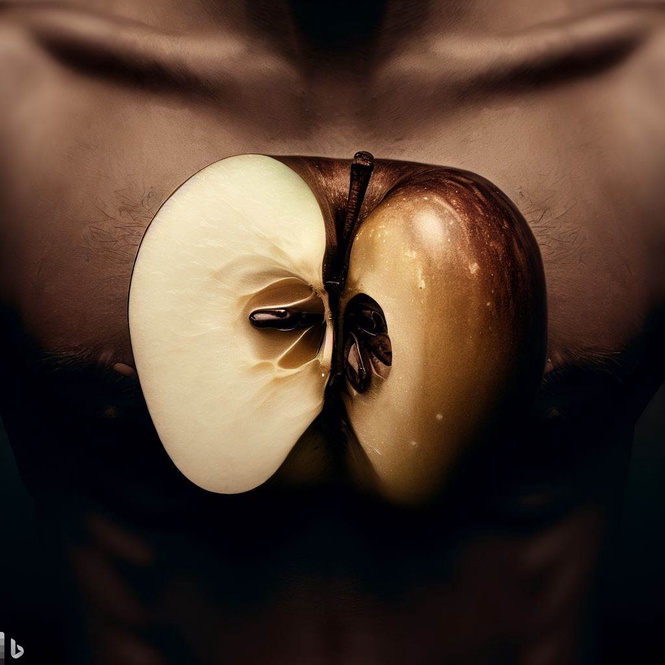
Oxidative stress is a medical term for the chemical process known as oxidation. Oxidation is a normal and necessary process that happens in the body and in the environment. For example, oxidation is involved in the digestion of food, the burning of fuel and the rusting of iron. Oxidation is involved when an apple turns brown after being cut or when the oil in a biscuit turns rancid.
A substance is oxidised when it loses electrons, for example during the oxidation of iron (rusting), the iron atoms, Fe, lose electrons to form iron ions, Fe3+ as in iron oxide (rust). Therefore iron is oxidised during rusting.
Since when cells and DNA are oxidised, they lose electrons, the oxidation process in our bodies starts with the production of electron-hungry substances. Scientifically, these electron-hungry substances are know as reactive oxygen species (ROS). The term ROS is used below because it's the correct term and it's easier to remember. Its usage is not to make this article sound technical. Just remember: ROS = electron-hungry substances
1. Formation of ROS and what will they do?
ROS are formed by various processes, both inside and outside the body. Here are 3 sources of ROS:
- (a) Cellular respiration: This is the process of converting food and oxygen into energy.
- (b) Inflammation: This is the process of activating the immune system to fight against infections or injuries.
- (c) Exposure to toxins: These substances can include pollution, radiation, cigarette smoke, alcohol, drugs or pesticides.
ROS are like hungry wolves that go around hunting for electrons from other molecules. When they find a molecule that has an electron they can take, they snatch it away, leaving behind an oxidised molecule which is lacking in electrons. The oxidised molecule then becomes a new ROS that can hunt for more electrons from other molecules. This creates a chain reaction of oxidation that can spread throughout the body.
2. What happens when cells are oxidised?
When cells are oxidised, they lose their normal structure and function. Oxidation can affect different types of molecules such as proteins (hormones, enzymes, antibodies), lipids (cell membrane), and DNA (chromosomes). These oxidised molecules cannot do their jobs properly. Mutation of the DNA can occur.
3. What types of health problems can be caused by oxidation?
Oxidation can lead to various diseases and conditions that affect different organs and systems in the body. Some examples are:
- (a) Alzheimer’s disease: This is a brain disease that affects memory, thinking, and behavior. Oxidation can contribute to the formation and accumulation of amyloid plaques and tau tangles in the brain, which impair nerve cells and their connections.
- (b) Cancer: This is a group of diseases that involve abnormal growth and spread of cells in the body. Oxidation can promote cancer development and progression by causing DNA damage, stimulating cell proliferation (mulplication), inhibiting cell death, enhancing blood vessel formation, and suppressing anti-tumor immunity.
- (c) Heart disease: This is a group of diseases that affect heart and blood vessels, such as coronary artery disease, heart attack, or stroke. Oxidation can damage blood vessel walls, leading to plaque buildup, narrowing, or rupture. Oxidation can also increase blood clotting, which can block blood flow and oxygen supply.
- (d) Type 2 diabetes: This is a metabolic disease that affects blood sugar levels and insulin production or action. Oxidation can impair insulin sensitivity and secretion, leading to high blood sugar levels and insulin resistance. Oxidation can also cause complications such as nerve damage, kidney damage, or eye damage.
4. How to prevent oxidative stress?
There are ways to prevent or reduce oxidative stress by increasing antioxidants and decreasing ROS in the body. Some steps to prevent oxidative stress are:
a. Eating a balanced diet rich in fruits, nuts, seeds and vegetables which provide many essential antioxidants in the form of:
(i) vitamins (Vitamin A, C, E - carrots, leafy greens, almonds, avocado)
(ii) minerals (eg. selenium - Brazil nuts - careful, not too many, cashew nuts, sunflower seeds)
(iii) polyphenols - a large groups of plant compounds (green tea, berries, dark chocolate, kale) that can help neutralize ROS.
b. Exercising regularly: Exercise can help improve blood circulation, oxygen delivery, muscle strength, and body weight. Exercise can also help relieve stress and enhance mood. However, too much or too intense exercise can also increase ROS production, so moderation and recovery are important.
c. Quitting smoking: Smoking can increase ROS production by exposing the body to toxins and reducing oxygen supply. Smoking can also impair the body’s ability to produce antioxidants. Quitting smoking can help reduce oxidative stress and improve overall health.
d. Reducing stress: Stress can trigger or worsen oxidative stress by activating the nervous system and releasing hormones such as cortisol or adrenaline. Stress can also affect sleep quality and immune function. Reducing stress can help prevent or reduce oxidative stress by relaxing the mind and body, improving sleep quality, and increasing resilience.
e. Avoiding or limiting exposure to toxins: Toxins can increase ROS production by damaging the cells or stimulating the immune system. Toxins can include pollution, radiation, alcohol, drugs, or pesticides. Avoiding or limiting exposure to toxins can help prevent or reduce oxidative stress and protect the body from harm.
Kevin Wong is a content creator under the Newswav Creator programme, where you get to express yourself, be a citizen journalist, and at the same time monetize your content & reach millions of users on Newswav. Log in to creator.newswav.com and become a Newswav Creator now!
The User Content (as defined on Newswav Terms of Use) above including the views expressed and media (pictures, videos, citations etc) were submitted & posted by the author. Newswav is solely an aggregation platform that hosts the User Content. If you have any questions about the content, copyright or other issues of the work, please contact Newswav.
