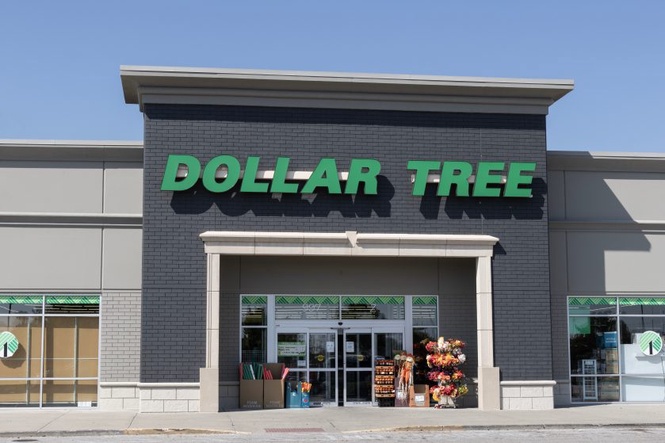
Dollar Tree used to make grocery shopping feel simple: Find something you need, pay $1, and move on. But prices have changed, and many food items that once cost $1.25 now sell for $1.50 or more. That doesn’t automatically make Dollar Tree a bad place to shop, but it does mean shoppers need to look beyond the price tag. A smaller package can cost more per ounce than a larger version at Aldi, Walmart, or a neighborhood supermarket. Before filling your cart with these 10 grocery items, compare the package size and unit price to see whether you’re actually getting a bargain.
1. Canned Vegetables
Canned corn, green beans, peas, and carrots are pantry staples that can seem like easy Dollar Tree bargains. However, a standard can that costs $1.50 may be more expensive than the same size store-brand can at a supermarket. Recent price comparisons have found grocery-store canned vegetables selling for less than Dollar Tree’s prices, with Kroger’s canned corn providing one example. Even a difference of several dozen cents per can can add up when you’re stocking a pantry for the month.
Before buying, compare the net weight and price of the cans rather than assuming they’re equivalent. A smaller can at Dollar Tree might make sense for one person who doesn’t want leftovers, but a larger supermarket can may provide more food for less money. Aldi, Walmart, and Kroger are good places to check, particularly when store-brand vegetables are on sale. If canned vegetables are a regular part of your grocery list, buying them during a supermarket promotion could save more than picking them up during a dollar-store run.
2. Canned Beans
Beans are inexpensive sources of plant-based protein and fiber, making them useful for chili, soups, tacos, and quick weeknight meals. Dollar Tree carries canned varieties, but some now cost around $1.50, depending on the product and location. That can be more than a supermarket charges for its own brand, especially when store-brand beans are discounted. Buying several cans at the higher price can quietly raise the cost of a meal that was supposed to be budget-friendly.
Compare black beans, kidney beans, chickpeas, and pinto beans by can size and price. Dry beans are another option if you have time to soak and cook them, since a bag can provide multiple servings for less than the cost of several cans. Canned beans still offer convenience, so the cheapest choice isn’t always the most practical one. But if you’re building a low-cost pantry, check supermarket prices before assuming Dollar Tree has the best deal.
3. Canned Fruit
Canned peaches, pears, fruit cocktail, and pineapple can be convenient for breakfasts, desserts, and lunchboxes. The catch is that dollar stores sometimes carry smaller cans or specialty varieties that make the cost per ounce higher than expected. A $1.50 can may look affordable on its own, but a larger supermarket can could offer substantially more fruit for only a little extra. The difference becomes more important when you’re buying enough for a family.
Compare package weights and check whether the fruit is packed in juice, water, or heavy syrup. These products aren’t always directly interchangeable, so choose the version you actually want before comparing prices. Supermarket store brands frequently offer larger formats, while sales can make name-brand fruit competitive, too. If your household uses canned fruit regularly, the larger container may be the better value, provided you’ll use it before it spoils.
4. Small Boxes of Cereal
Dollar stores sometimes stock name-brand cereals in small boxes or individual packages, which can be appealing when you want to try a flavor without committing to a large box. But the low checkout price can disguise a high cost per ounce. A small package priced at $1.25 or $1.50 may cost considerably more per serving than a larger family-size box at Walmart or another supermarket. The difference is especially noticeable for cereals that regularly go on sale.
Check the net weight before comparing prices, and remember that the biggest box isn’t automatically the best purchase if your family won’t finish it. Store brands can offer similar everyday breakfast options for less, while supermarket promotions sometimes bring name-brand cereal prices down sharply. Dollar Tree’s smaller packages may still be worthwhile for lunchboxes or occasional treats. For everyday breakfast, though, compare the unit price before tossing a box into your cart.
5. Individual Bags of Chips
A small bag of chips can be useful when you’re packing a lunch or want a portion-controlled snack. Dollar Tree may carry recognizable brands at a price that feels low, but individual packages often contain much less food than a regular-size bag. When the price reaches $1.50, the cost per ounce can become difficult to justify, particularly if you buy several bags each week. Convenience is part of what you’re paying for.
Compare the package weight with a multipack or family-size bag at a supermarket. Larger packages often offer a lower price per ounce, although sales and brand differences can change the outcome. Multipacks can also make sense when you need individually wrapped snacks for school, work, or outings. If you’re simply snacking at home, buying a larger bag and portioning it yourself may be a more economical choice.
6. Bottled Drinks and Juice
Single bottles of juice, flavored drinks, and other beverages can be tempting when you want something cold without buying a full multipack. Yet a small bottle at $1.25 or $1.50 can cost more per ounce than a larger bottle or multipack from a grocery store. This is especially worth checking when you’re buying drinks for several people or restocking a refrigerator every week. The convenience of grabbing one bottle doesn’t necessarily translate into savings.
Compare the bottle size, ingredients, and price with supermarket store brands and multipacks. Be careful when comparing juice drinks with 100% juice, since the products may have different nutritional content and aren’t always substitutes. Larger bottles can offer better value if your household will finish them before they spoil. If you need just one drink for a road trip, the dollar store might still be convenient, but regular beverage purchases deserve a closer look.
7. Bottles of Condiments
Ketchup, mustard, mayonnaise, salad dressing, and barbecue sauce can all appear in dollar-store grocery aisles. The problem is that some bottles are smaller than their supermarket counterparts, so a low sticker price doesn’t guarantee a good deal. A $1.50 condiment may cost more per ounce than a larger store-brand bottle priced only slightly higher. This matters most for products your household uses often, because the difference repeats every time you replace a bottle.
Compare the net volume and check whether the products are similar in ingredients and style. Specialty sauces and name brands may cost more for reasons unrelated to package size, so compare like with like. If a supermarket has a larger store-brand bottle on sale, it may be the better buy for everyday use. Smaller bottles still have a place when you’re trying a new flavor or need something for a short trip, but they aren’t always the budget option.
8. Packaged Cookies and Crackers
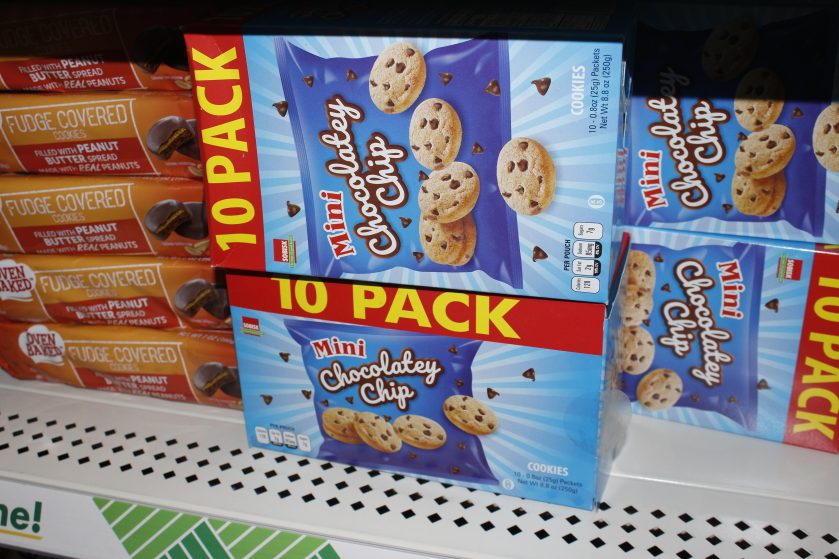
Dollar Tree offers plenty of cookies, crackers, and other packaged snacks, including familiar brands and less expensive alternatives. Some packages are smaller than those sold at supermarkets, however, making it easy to pay more per ounce without realizing it. A $1.50 package may be a reasonable impulse purchase, but buying several at a time can make the total more expensive than a larger grocery-store box. The package size is just as important as the brand name.
Check the weight and compare the unit price with supermarket store brands, larger packages, and weekly sales. Crackers used for lunchboxes may be worth buying in individual portions if they help prevent waste, but family-size boxes usually deserve a comparison. For cookies, consider whether you’re paying extra for a branded product or a specialty flavor that you specifically want. If the goal is simply to stock snacks, the supermarket’s larger packages may stretch your money further.
9. Boxed Macaroni and Cheese
A boxed macaroni-and-cheese dinner can be an easy pantry backup, and dollar stores often carry familiar brands or smaller alternatives. But not every box contains the same amount of pasta, and a price of $1.50 can be less competitive than a supermarket sale. Some grocery stores discount boxed pasta meals or offer store-brand versions at prices that beat the dollar-store option. Comparing only the front-of-box price can leave you paying more for less food.
Check the package weight and serving information, then compare the cost with supermarket store brands. If you regularly prepare macaroni and cheese as a side dish, buying several boxes during a sale may be more economical. You can also compare the cost of plain pasta and cheese sauce ingredients, although that approach requires more preparation. Dollar Tree remains useful when you need one box immediately, but it shouldn’t be the automatic choice for stocking up.
10. Small Packages of Spices and Seasonings
Spices may seem like an obvious dollar-store bargain because a jar can cost around $1.25 or $1.50. However, some jars contain relatively little seasoning, and the cost per ounce can be higher than a larger supermarket container. This is particularly relevant for frequently used seasonings such as garlic powder, cinnamon, paprika, and chili powder. A small jar may last a while, but shoppers who cook often can go through it faster than expected.
Compare the net weight instead of the jar’s size, since different spices settle differently and containers can be misleading. Supermarket store brands and larger containers may offer better value, especially for seasonings you use in multiple recipes each week. On the other hand, a small dollar-store jar can be sensible for a spice you rarely use or want to test before buying more. The best choice depends on how quickly you’ll use it and whether the larger package will stay fresh.
The Dollar Store Bargain Test Worth Using
Dollar Tree can still be useful for groceries, especially when you need a small quantity, a specific brand, or a convenient item for one meal. But with many food prices now reaching $1.50 or more, it’s worth comparing the unit price with Aldi, Walmart, and your local supermarket. Look at the package weight, check for sales, and compare equivalent products rather than relying on the shelf price alone. A few seconds of checking can help you avoid paying more for less food.
The goal isn’t to avoid dollar stores altogether. It’s to recognize which purchases offer convenience and which ones genuinely stretch your grocery budget. Canned goods, snacks, drinks, and smaller pantry packages are particularly worth comparing because their sizes and prices can vary widely. Keep a mental list of the items that are cheaper at your usual supermarket, and save Dollar Tree for the purchases that make financial sense.
What To Read Next
Dollar Stores Are Becoming the New Grocery Store in Rural Towns
8 Foods That Are Cheaper at Dollar Stores Than Supermarkets
7 Grilling Essentials Worth Buying at Dollar Stores This Week
8 Economic Changes That Destroyed Dollar Stores
12 Foods That Are Cheaper At Dollar Stores Than Major Chains
The post 10 Dollar Store Groceries That Aren’t Actually $1.25 Worth of Food appeared first on Grocery Coupon Guide.