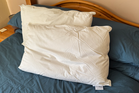
If your snoring is keeping your partner awake, or you are the one lying beside a snorer, the best anti-snore pillows could help make nights quieter.
I am a snorer myself and, as a journalist, my instinct was to investigate what actually causes the noise. Snoring happens when the tongue, mouth, throat or nasal airways relax and narrow during sleep. Air has less room to pass through, causing the surrounding tissues to vibrate. Sleeping on your back can make it worse because the tongue may move backwards and narrow the airway further.
This is where a pillow may help. Some encourage you to remain on your side, while wedges elevate the upper body and contoured designs support the head and neck without pushing the chin towards the chest.
As a home-products reviewer, I have slept on pillows of almost every shape, height and firmness. For this guide, I looked for options that reduced my snoring without replacing it with restless sleep or morning neck pain.
Read more: 10 best pillows 2026, reviewed for every kind of sleeper
The best anti-snore pillows for 2026 are:
- Best overall – Groove air cooling pillow: £40, Groovepillows.co.uk
- Best budget option – Silentnight anti-snore pillow: £15, Amazon.co.uk
- Best for side sleepers – Levitex pillow: £80, Levitex.co.uk
- Best for back sleepers – Cloudpillo original: £74.95, Cloudpillo.com
- Best cooling pillow – Tempur original smartcool pillow, £149, Tempur.com
Read more: Best duvet covers and bedding sets, tried and tested
Groove air cooling pillow
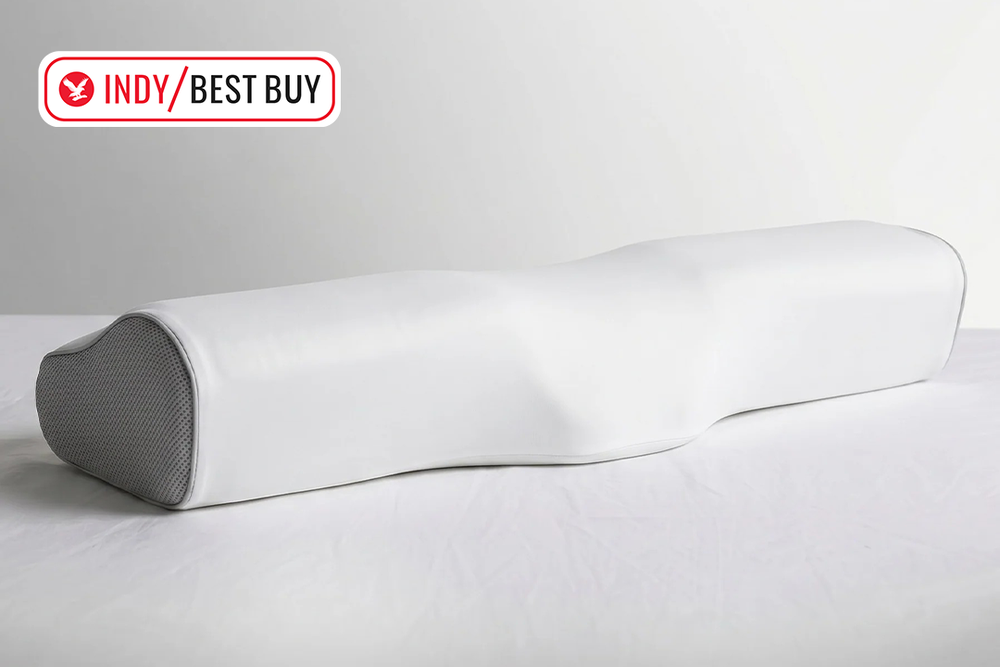
Best: anti-snore pillow overall
Why we love it
- Dramatically improved snoring
- Helped spine alignment
- Suits side sleepers and front sleepers
- Genuinely cooling
Take note
- Slightly narrow (60cm)
- Takes a couple of nights to get used to
At first glance, the unusual shape of the Groove anti-snore pillow looked a little intimidating, but I underestimated just how much it could do. After a few nights of bedding in, I found this pillow supported my neck, kept me comfortably on my side so I snored less, and cooled me down all night – even in a UK heatwave.
I really liked how the curved memory foam cradled my head and supported my neck without feeling rock hard. I settled easily on my side without bunching or folding it, while the breathable side panels kept air circulating through the pillow. This worked far better than cooling gel for consistently lowering the sleep environment, which can feel cold initially before quickly warming up.
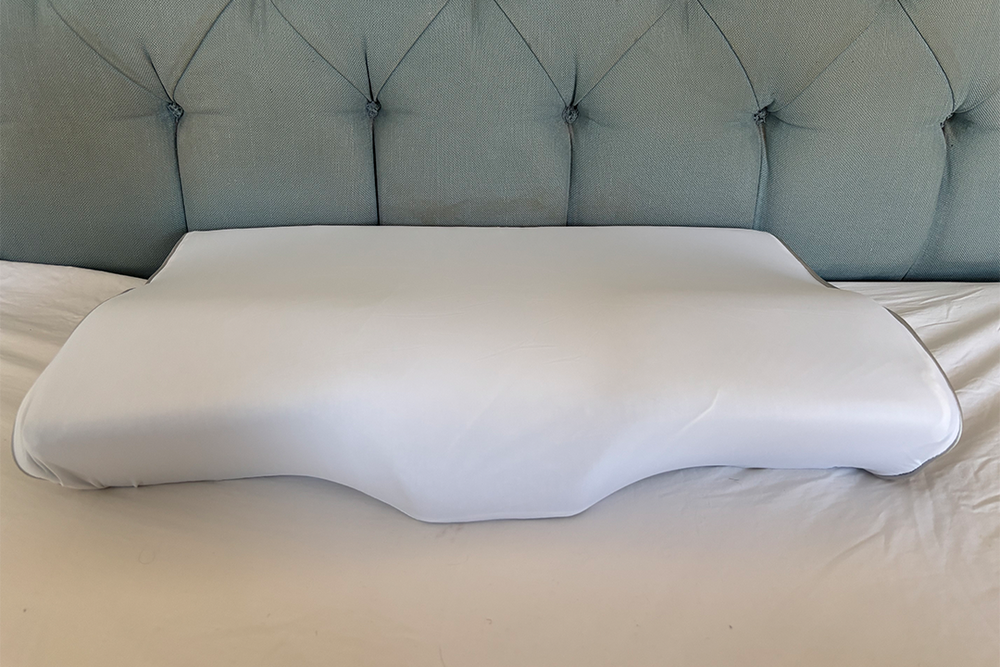
Most importantly, I recorded an average SnoreLab score of seven, one of my best results during testing. It isn’t a cure for snoring, but its combination of support, cooling and comfort made it my best overall choice. The cherry on top is the £40 price, which feels excellent value for such an effective pillow.
Key specifications
Buy now £40, Groovepillows.co.uk
Silentnight anti-snore pillow
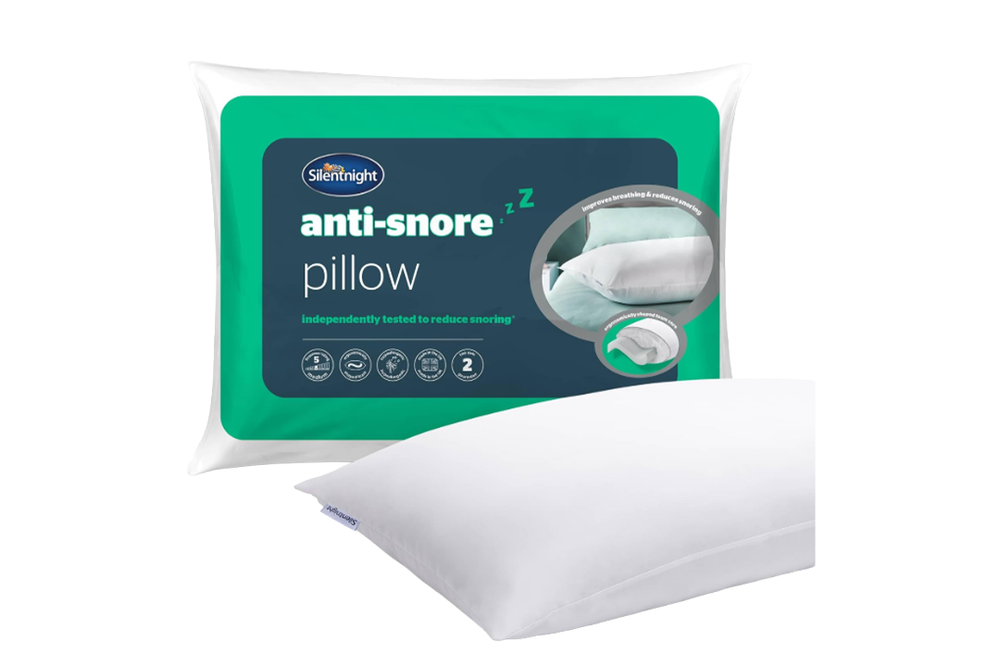
Best: budget anti-snore pillow
Why we love it
- Anti-microbial coating
- Anti-allergies
- Affordable price
Take note
- Ultra soft
- Contains synthetic materials
At £15, the Silentnight anti-snore pillow costs less than some ordinary pillows, let alone specialist ones, so I wasn't expecting anything particularly sophisticated. Its approach is reassuringly simple: an ergonomically shaped foam core sits within the hollowfibre pillow to provide extra support around the head and neck.
It feels much more like a traditional pillow than the sculpted memory foam designs elsewhere in this guide, which I think will appeal to anyone reluctant to swap their usual soft pillow for something resembling a piece of sleep equipment. It was on the thin side, but I could fluff it, sink into it and get comfortable quickly.
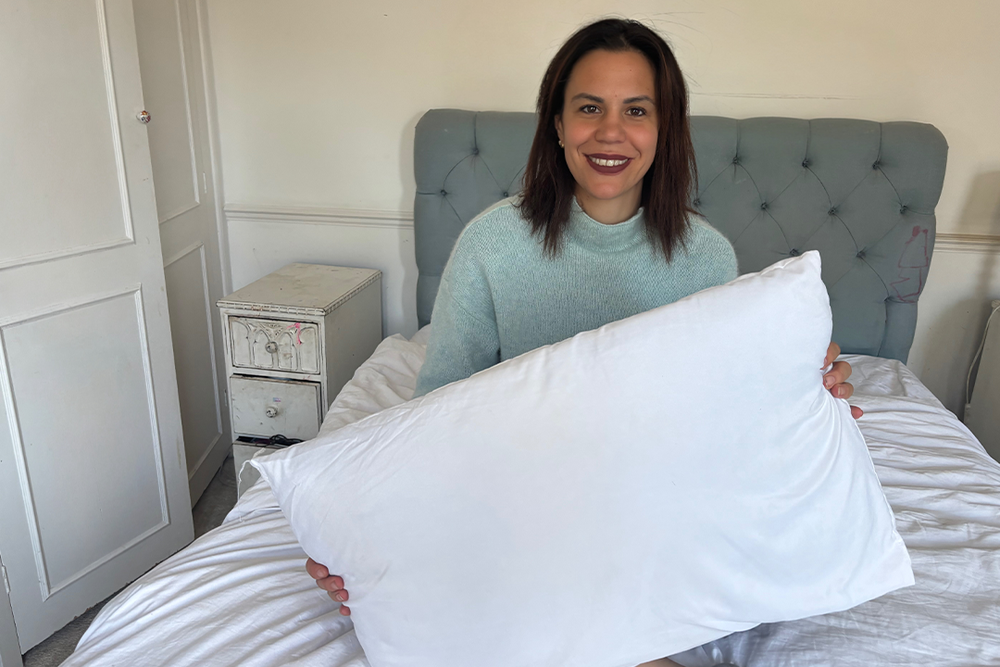
My SnoreLab results improved, although not nearly as dramatically as they did with Levitex or Groove, averaging 20 during testing. I also didn't get the same precise neck support from it. For less than £20, though, it exceeded expectations.
Key ingredients
Buy now £15, Amazon.co.uk
Levitex pillow
Best: anti-snore pillow for side sleepers
Why we love it
- Dramatically improved snoring
- Helped spine alignment
- Suits side sleepers and front sleepers
Take note
- Slightly narrow (60cm)
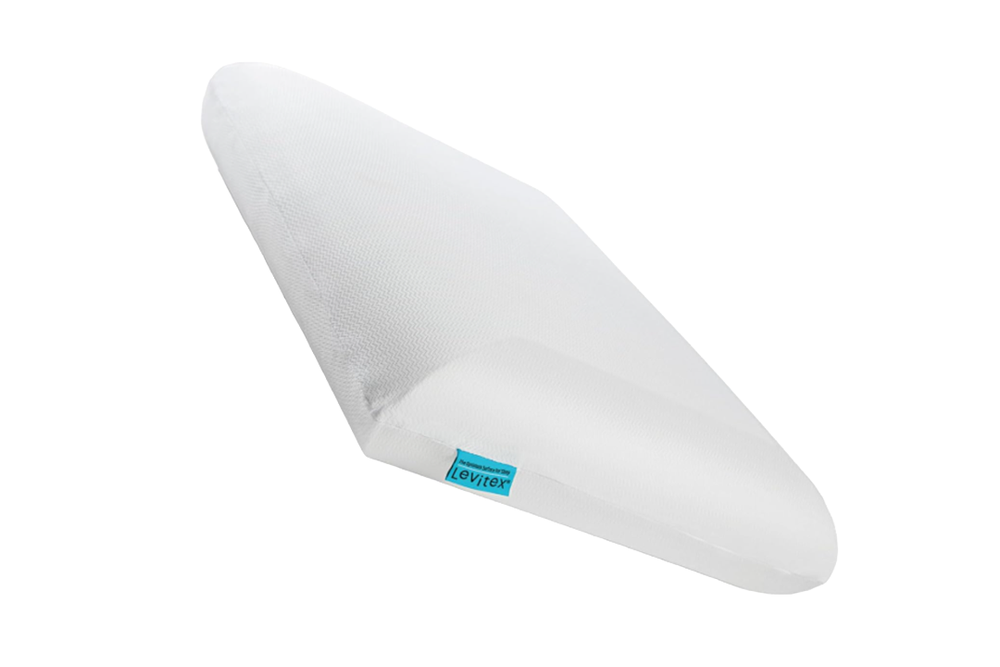
Levitex was founded by James Leinhardt, a sleep posture expert who has spent years working with NHS trusts and social care across the UK. His expertise shines through in the anti-snore pillow design. It comes in four heights – 8cm, 10cm, 12cm and 14cm – and the idea is to choose one according to your body size and shape so your head isn't pushed too high or allowed to drop too low.
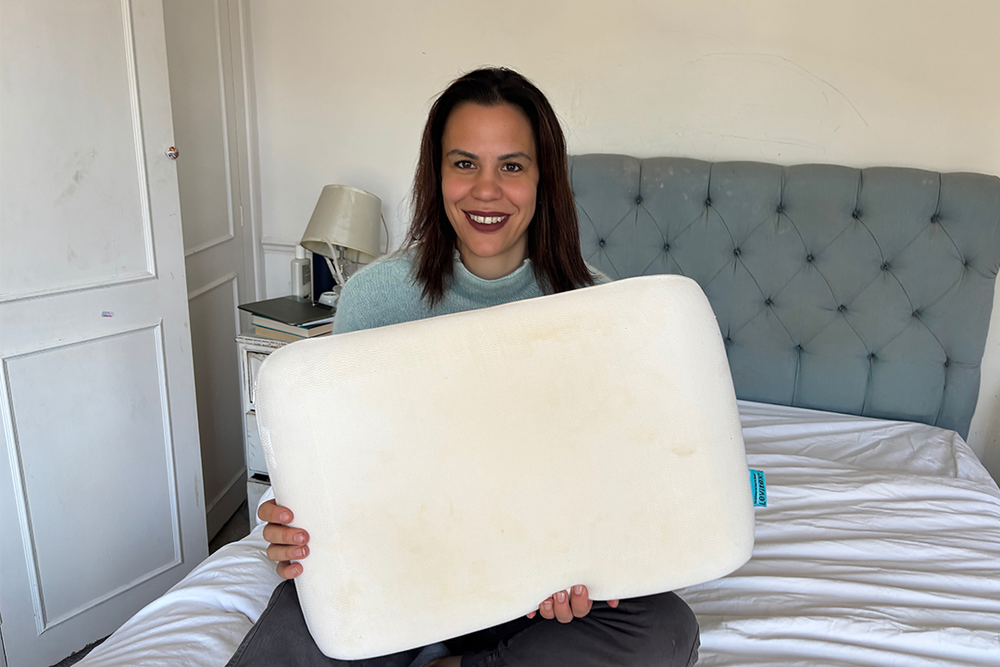
I tested the 10cm medium and found the combination of softness and support unusual at first. Levitex foam has some of the give I associate with memory foam, but my head didn't slowly disappear into it. Instead, it held my head and neck in a much more stable position and made side sleeping feel very natural. That mattered for my snoring because I'm much noisier when I roll onto my back.
With the Levitex, I spent more time comfortably on my side rather than constantly repositioning myself, and my SnoreLab average fell to just 8 during testing. I also woke with less tension through my neck. It’s not as affordable as the Groove pillow and it doesn’t have cooling properties, but it’s definitely one of the best anti-snoring pillows I tested.
Key specifications
Buy now £80, Amazon.co.uk
Cloudpillo Original
Best: anti-snore pillows for back sleepers
Why we love it
- Adjustable
- Temperature regulating
- Breathable
- Cooling cover
Take note
- Awkward to store filling
- Takes a long time to find the perfect fill
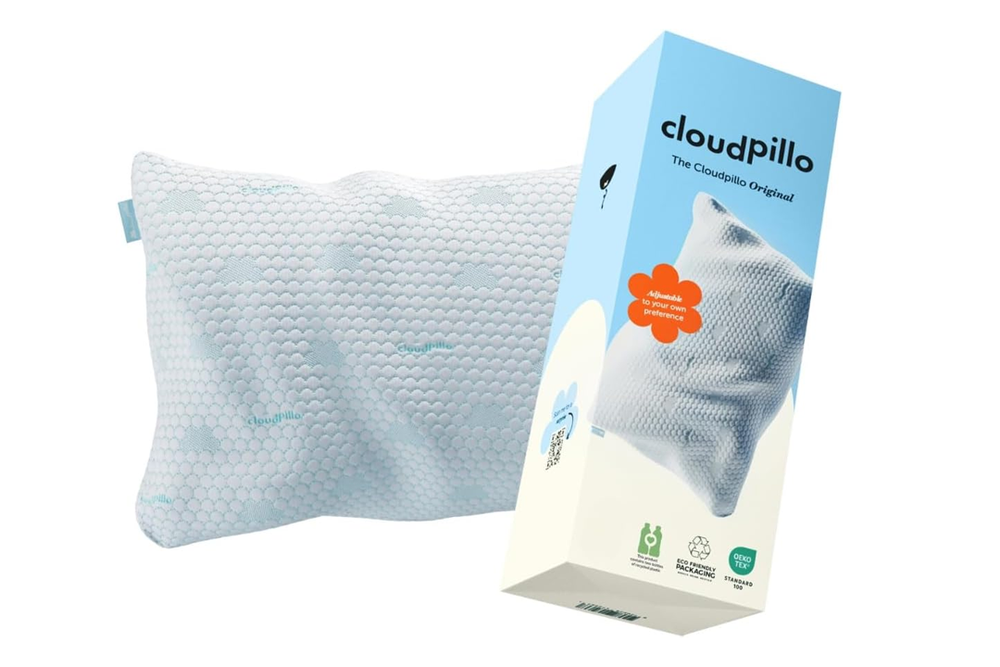
The Cloudpillo anti-snore pillow arrives huge. At 70cm x 50cm x 20cm, it's one of the most substantial pillows here, but the important point is that you don't have to sleep on all 20cm of it.
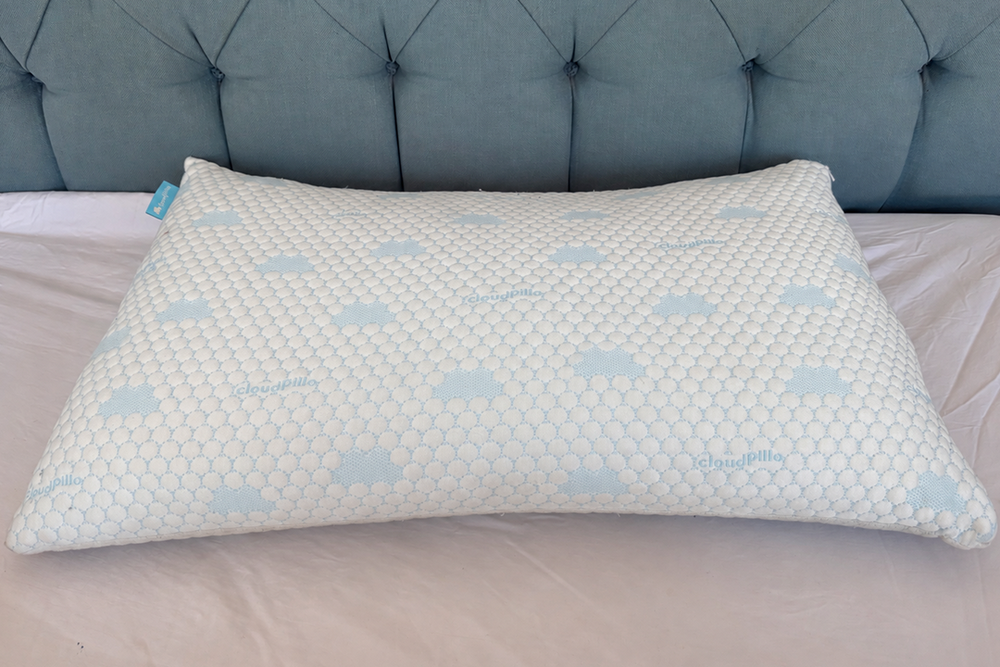
The inside contains a mixture of memory foam and microfibre filling that you can remove until you reach a height that suits you. For side sleeping, I took enough out to stop my head being pushed upwards at an incline, while retaining enough to keep my neck aligned. I liked that it felt breathable during the night and the memory foam was supportive without being claustrophobic. As I was testing it in summer, I slept on the white and blue side with a cooling texture but it’s possible to flip over the pillow for cosy warmth in winter.
A downside is that it requires more effort than pulling a ready-made pillow like Levitex from its box, and finding somewhere to store the spare filling is another consideration. It took a bit of experimentation with the filling before my SnoreLab sleep scores dropped, but they did come down – just not as much as with other pillows.
Key specifications
Buy now £69.95, Amazon.co.uk
Tempur original SmartCool pillow
Best: cooling anti-snore pillow
Why we love it
- Cooling
- Supportive
- Easy to wash cover
Take note
- Expensive
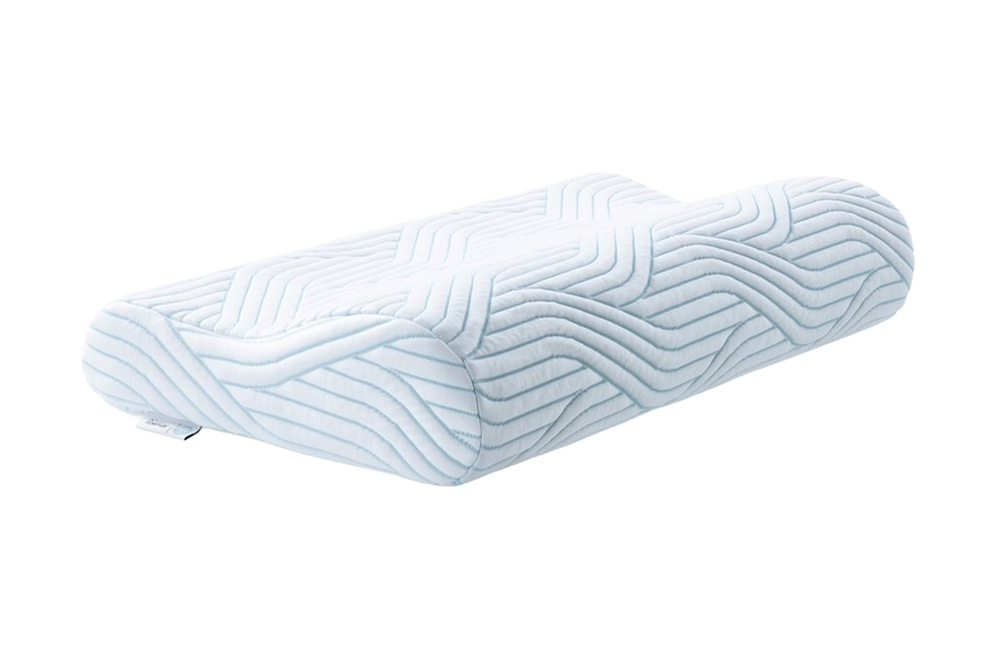
Tempur doesn't market the original SmartCool as an anti-snore pillow, but its ergonomic shape is designed to support the head, neck and shoulders, so I was interested to see whether better alignment would improve my snoring.
This wasn't an overnight success. Tempur’s pressure-relieving material responds to body heat and weight, and I found it took several nights before I really settled into it. By the end of the first week, though, the foam seemed to fit the curves of my head and neck incredibly closely, giving me support without pushing my head forwards. I found it offered more support than pillows with removable memory foam cubes like Cloudpillo and Simba.
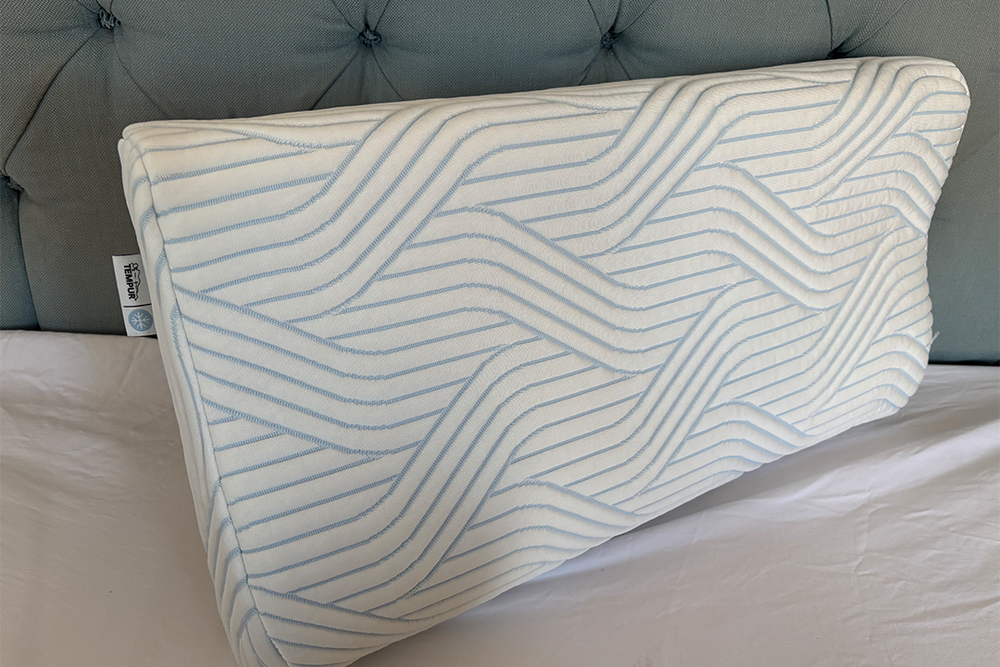
More interestingly, my snoring became noticeably quieter and I spent less time snoring during the night, with an average SnoreLab score of 13.
The SmartCool cover was another bonus, feeling refreshingly cool against my face. At £165 it's expensive, but the combination of cooling, pressure relief and precise support impressed me.
Key specifications
Buy now £149, Tempur.com
Simba hybrid pillow
Best: anti-score pillow for adjustability
Why we love it
- Plush, down-like cushioning
- Cooling Stratos cover
- Spare filling storage bag
Take note
- Adjustment takes patience
- Cooling fades slightly overnight
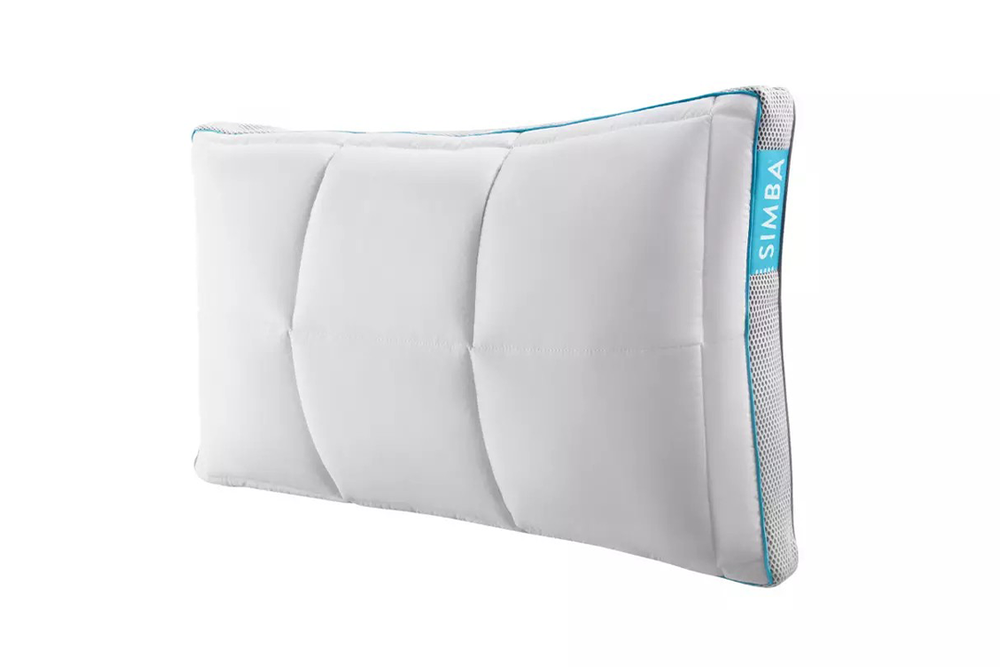
Having been impressed by Simba’s mattresses, I had high hopes for its Hybrid pillow, and its combination of plush cushioning and cooling technology didn’t disappoint. The Nanocube core is wrapped in soft, down-like filling, so it feels luxurious rather than lumpy.
Most importantly, it made a difference to my snoring. Once I had found the right height, it supported my head comfortably while I slept on my side and helped me stay in that position for longer. My snoring was quieter and less frequent, although the results weren’t quite as impressive as those I recorded with the Groove pillow.
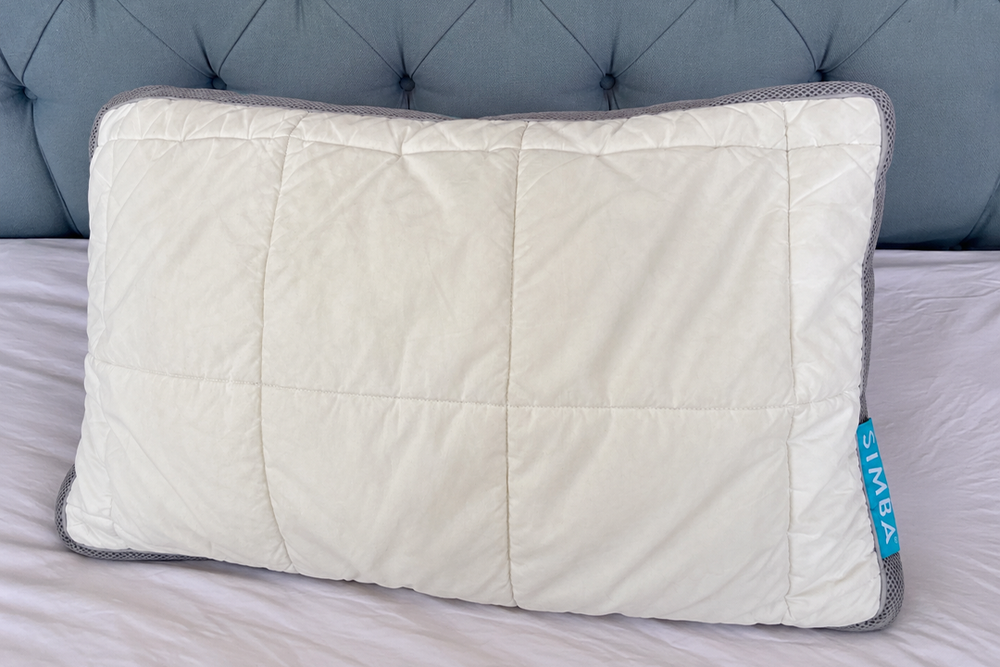
The pillow’s tiny foam Nanocubes can be removed to alter its height and firmness. I’m not usually a fan of adjustable filling because finding the right level takes trial and error, but Simba supplies a useful bag for storing the spare cubes. At £109, it’s expensive, but it looks and feels suitably premium.
Key specifications
Buy now £107.09, Amazon.co.uk
Emma adapt cooling pillow
Best: memory foam anti-snore pillow
Why we love it
- Excellent at cooling
- Comfortable
- Layers are easier to adjust than cubes
Take note
- Doesn’t hold head in place
- Shorter sleep trial than other brands
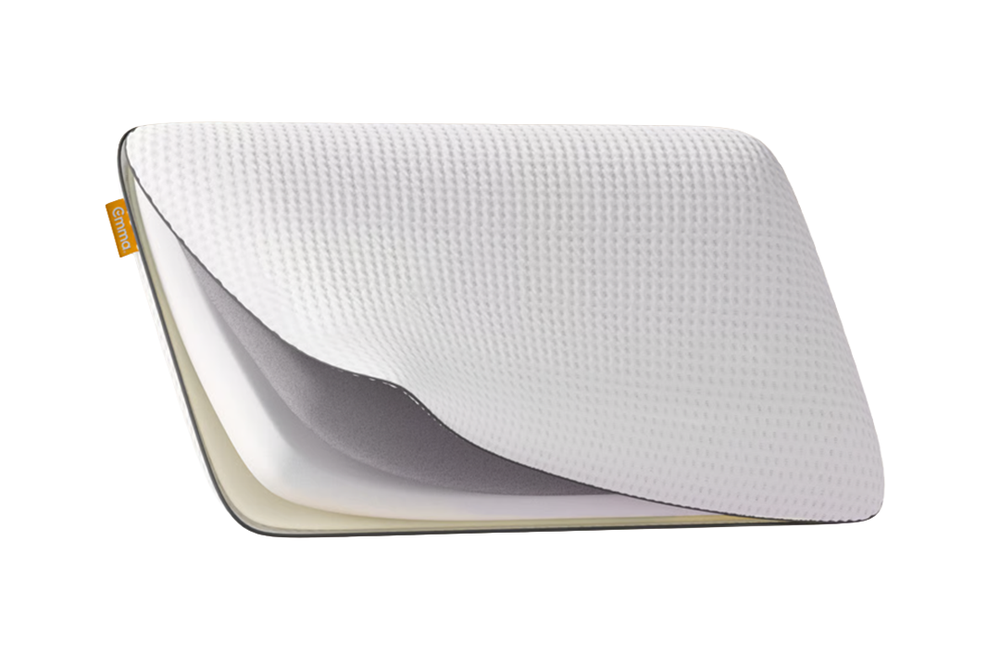
Memory foam and I have a complicated relationship. I love the support, but not waking up with a hot face, which made Emma's adapt cooling pillow particularly interesting to test.
Inside are three foam layers, and two can be removed to alter the height depending on your sleeping position. I used all three and, for me, the height was just right for side sleeping. It supported my head without tipping my neck upwards, with enough give to feel comfortable rather than rigid. The cooling was noticeable too. I often flip my pillow looking for a colder patch, but I didn't need to do that with the Emma anti-snore pillow.
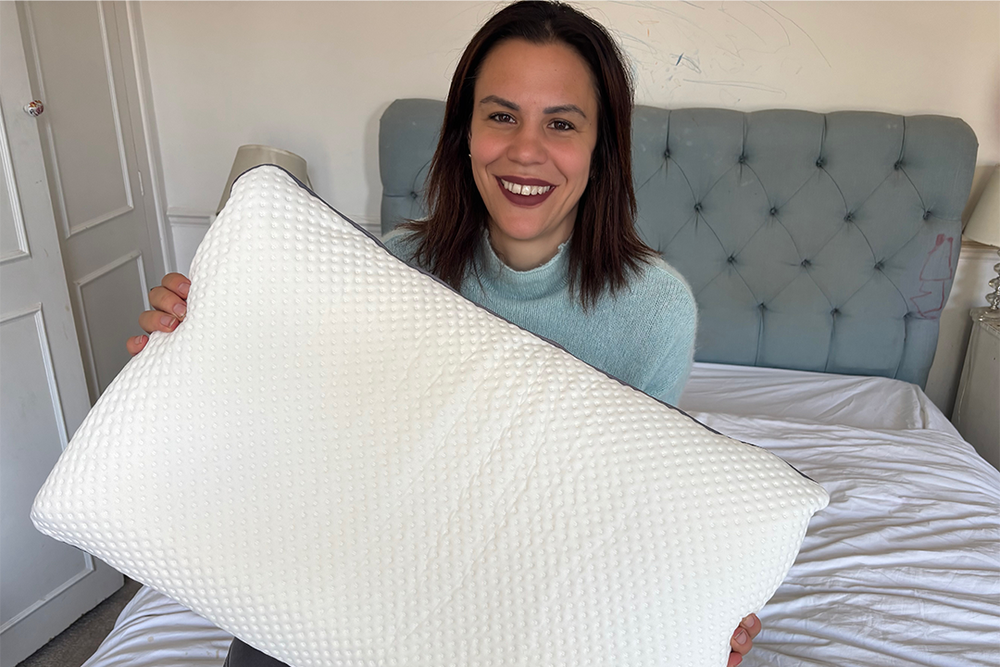
The downside is that unlike the sculpted Groove pillow, there's no contour to hold your head and neck in one position, so it’s annoyingly easy to change positions and resume snoring. With a SnoreLab score of 16, this comfortable, cooling pillow may be best suited to occasional snorers rather than noisy ones, but it’s impressive at temperature reduction.
Key specifications
Buy now £99, Emma-sleep.co.uk
Panda London hybrid bamboo pillow
Best: anti-snore pillow for breathability
Why we love it
- Smooth cover
- Breathable
- Supportive from night one
- Long 10 year guarantee
Take note
- Better for side sleepers than stomach sleepers
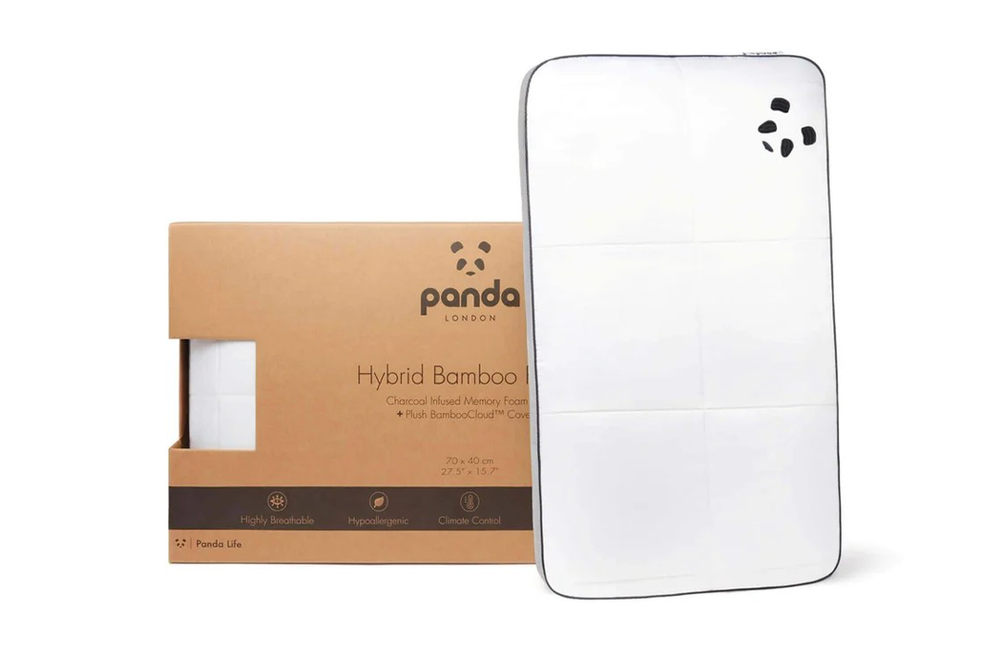
This is no ordinary memory foam pillow. Panda London uses third-generation memory foam that is uniquely supportive, so it fits every individual. Even on the first night, it allowed my neck and spine to align perfectly as I slept, and it didn’t lose its shape or density over time.
Its quilted bamboo cover has a silky, cushioned feel that's very different from the smooth synthetic covers used on many ergonomic pillows, and it remained pleasantly fresh around my face overnight.
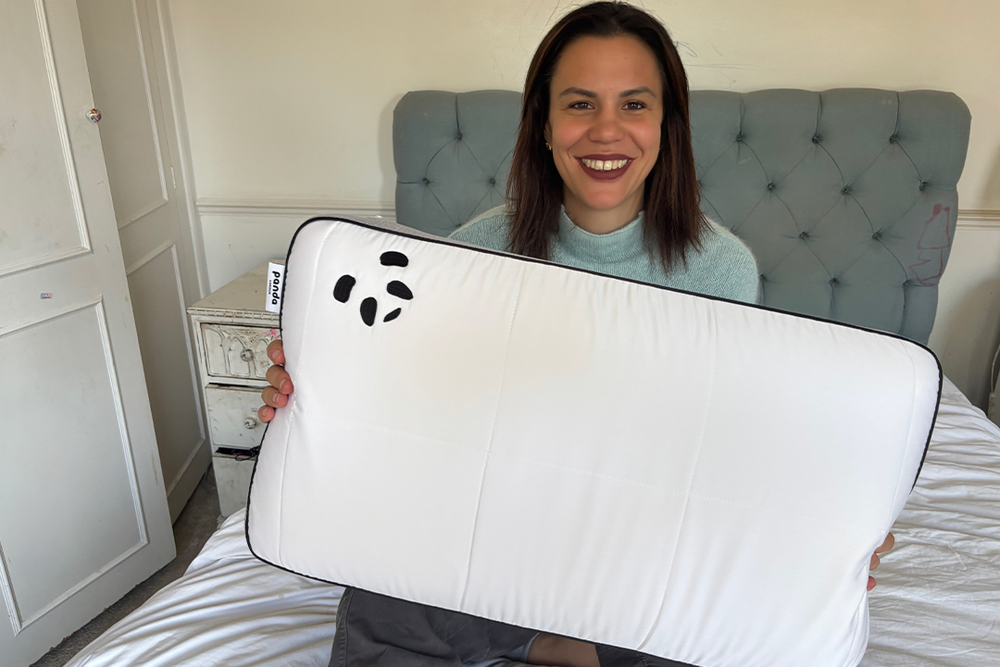
Underneath all that softness is a much more substantial pillow than you might expect. The 13cm-deep core is made from charcoal-infused memory foam and has a medium-firm feel, so I still got the head and neck support I needed for side sleeping rather than sinking straight through it. At 70cm wide, it also feels generous compared with some of the narrower ergonomic pillows I tested like the Levitex and the Groove (which are both 60cm).
It's quite a chunky pillow, so it won't suit everyone, particularly smaller back or stomach sleepers. For side sleepers who run warm, though, the combination of height, support and airflow works very well. The 10-year guarantee is impressive too.
Key specifications
Buy now £89.95, Pandalondon.com
Putnams bed wedge
Best: anti-snore bed wedge
Why we love it
- Great for acid reflux
- Relieves sinus pressure
- Can be used for reading
Take note
- Takes a while to get used to
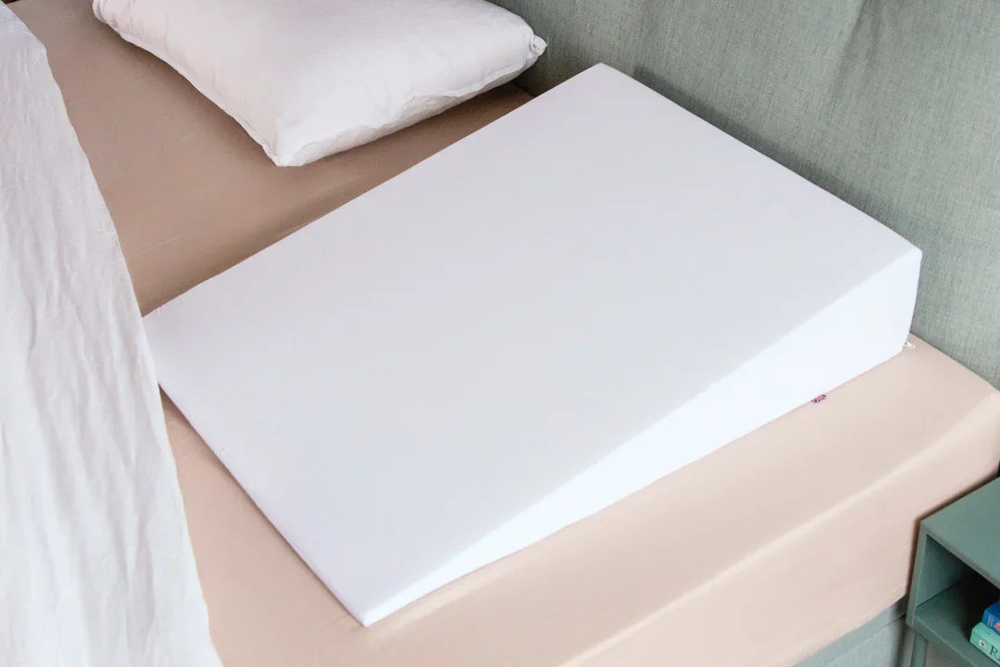
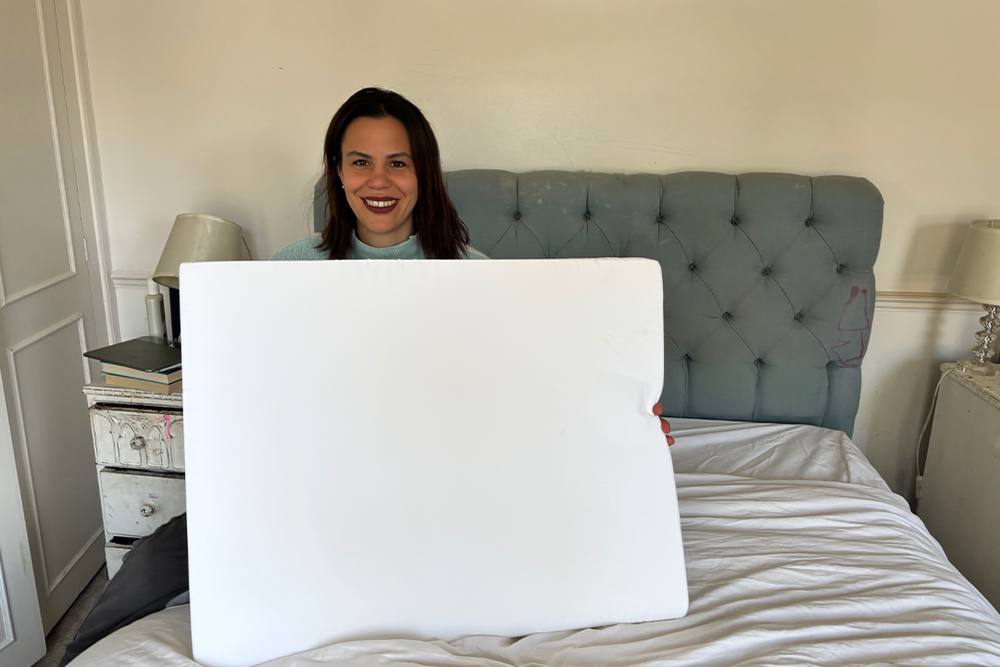
Putnams is a family-run business with all pillows, bed supports, mattresses and other comfort products handmade in a factory in Devon. They have solutions for all kinds of sleep problems, from back and neck pain, acid reflux, sleep apnoea and coccyx relief while pregnant, as well as anti-snore pillows.
Customer service is excellent with contact details listed on their website if you want to discuss what products would best suit your needs.
For snorers, the bed wedge pillow works by elevating the torso on a slight incline, opening up the airways. It does this brilliantly and my nasal passageways felt noticeably clearer within a few days of sleeping on the Putnams wedge. I also liked how the wedge can be propped against the wall to support the back when reading in bed. The only downside was that it’s hard to snuggle with a partner when one is propped up higher than the other. You can buy a wedge that fits across the whole of the bed, but that would only be useful if both bed partners snore and it's significantly more expensive than a single wedge.
Key specifications
Buy now £86.12, Putnams.co.uk
Dunelm side sleeper contour pillow
Best: anti-snore pillow for side sleepers
Why we love it
- Excellent value
- Supportive
- Breathable 100% cotton cover
Take note
- No specified guarantee
- Polyester fibre filling shifted
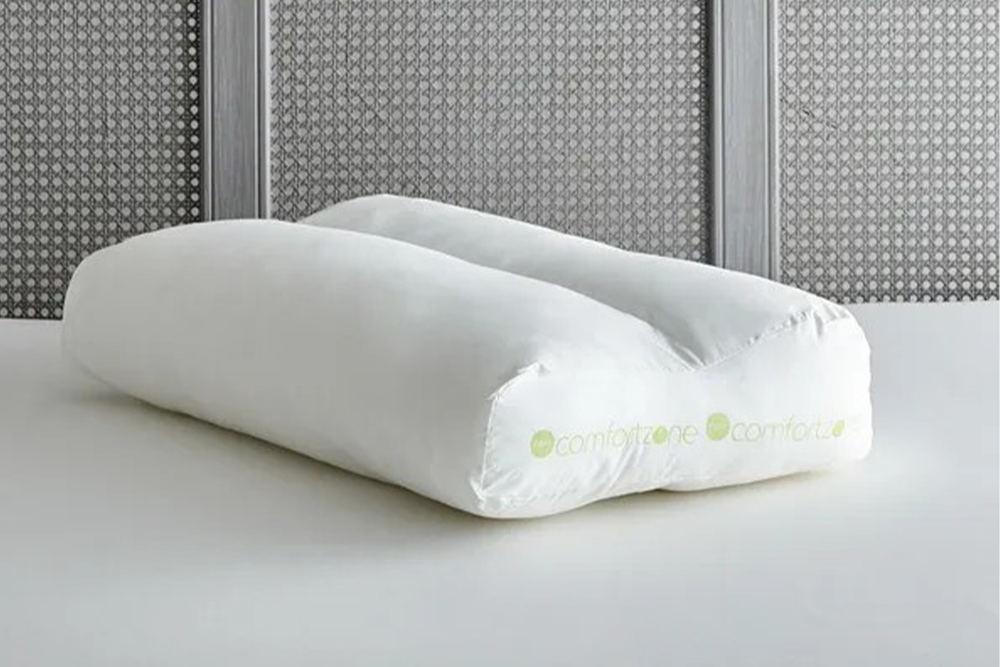
You don't have to spend £100 on memory foam to get a pillow shaped specifically for side sleeping. Dunelm's £22 Comfortzone has a contoured construction and firm support with a hollowfibre filling. It gave my head and neck more structure than I'd expect from an ordinary hollowfibre pillow, helping fill the space between my shoulder and head when I rolled onto my side. I also appreciated how uncomplicated it was. There's no foam to remove, cooling layer to decipher or unusual care routine: the entire pillow can go in the washing machine and tumble dryer.
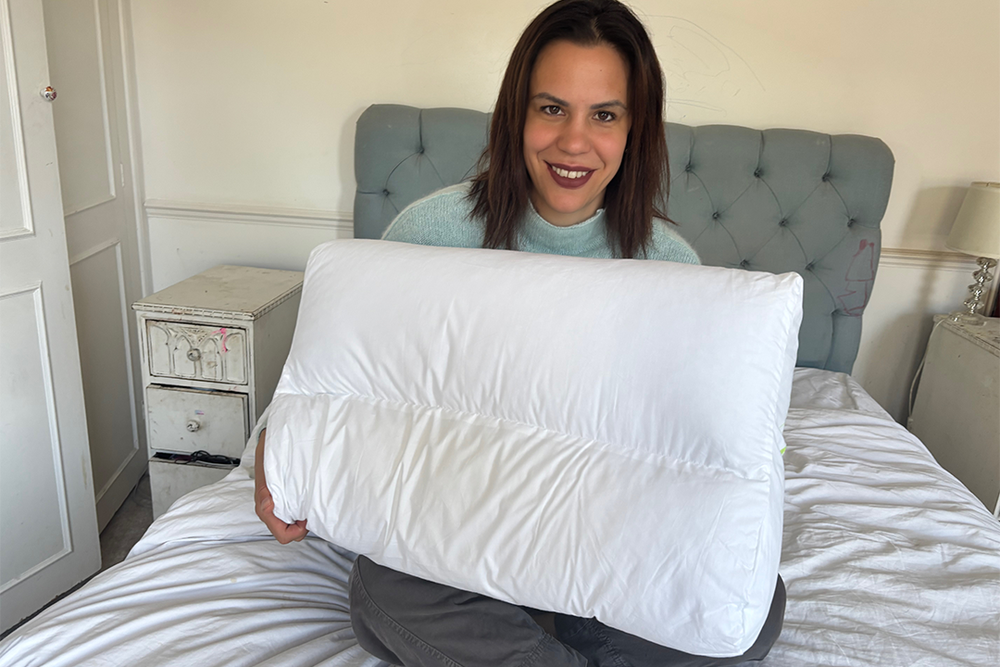
The trade-off is that you can't customise the height in the way you can with Simba, Emma or Cloudpillo. Plus the filling shifted more in the night compared to memory foam ones. These two factors may explain why my SnoreLab score was on the higher side, but it felt perfectly comfortable while I was sleeping on it.
Key specifications
Buy now £24, Dunelm.com
Dusk feather and down pillows pair
Best: anti-snore pillow for a plush feel
Why we love it
- Plump, hotel-like feel
- Smooth cotton cover
- Very affordable
Take note
- No sleep trial, doesn’t keep head in position
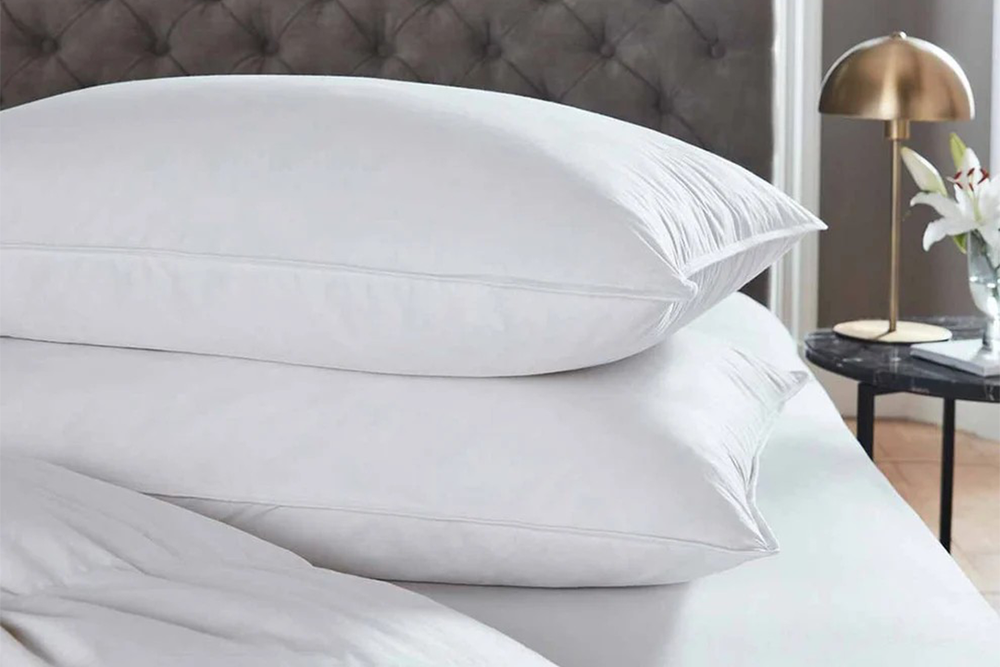
Not every snorer wants to spend the night on a sculpted block of foam. After testing so many firm and contoured designs, climbing into bed with Dusk's feather and down pillows felt like a welcome relief.
Soft, medium and firm options are available. I went for firm and I liked that it was still squishy and easy to manipulate, so I could plump the filling beneath my neck or shape the pillow around my head rather than having the pillow dictate exactly where I should lie. For anyone who loves the sink-in feel of hotel bedding, that's a big part of their appeal.
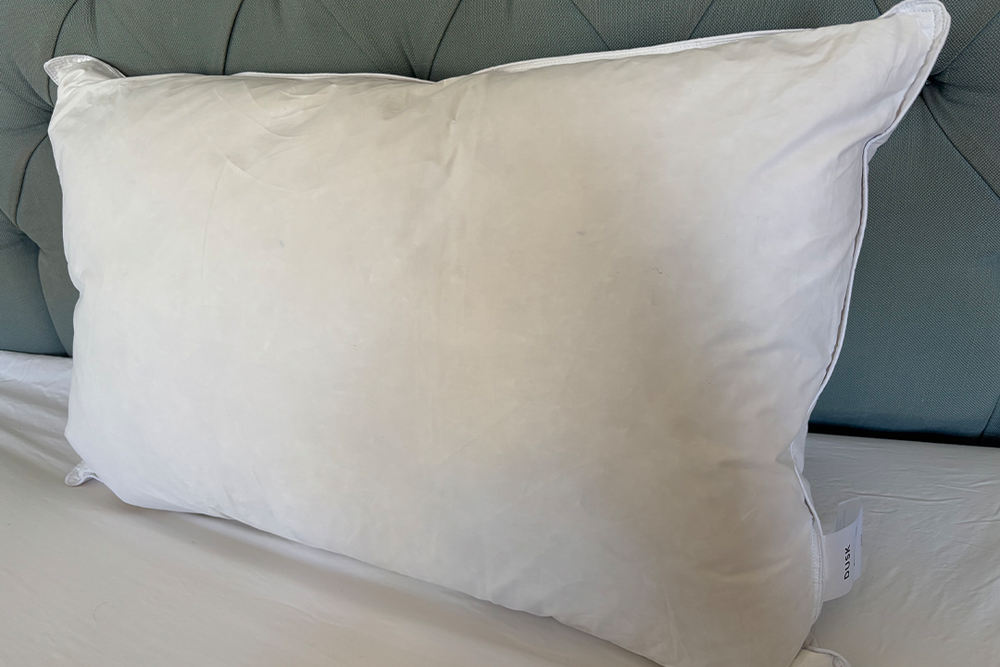
Of course, that softness is also their limitation in an anti-snoring test. They don't offer the contouring of Groove or the memory foam support of Panda London, so I didn’t record particularly low SnoreLab scores.
However, sleep still needs to be comfortable. If you've tried ergonomic foam pillows and simply can't get on with them, these offer hotel-standard plumpness for a wallet-friendly £40 for a pair.
Key specifications
Buy now £25, Dusk.com
Your questions about anti-snoring pillows answered
What is the best anti-snore pillow?
The pillows we tested varied in price from £15 to over £150, but my favourite was the Groove air pillow, which was at the lower end of the scale at £40. It reduced my snoring, kept me cool and reduced the number of times I woke up in the night. The Levitex pillow was also effective at reducing snoring and keeping my head and neck aligned while side sleeping, but without the cooling relief. If your snoring is particularly loud or disruptive, I’d recommend trying the Putnams bed wedge, particularly if you sleep on your back.
How I tested
I tested each anti-snore pillow at home for at least two weeks, giving my body time to adjust before reaching a verdict. As snoring can change from night to night, I compared results across multiple recordings and considered the following:
Why you can trust Indy Best reviews
Zoe Griffin has been testing products professionally since 2021, with particular expertise in pillows and other home products. As a mum of four and a triathlete, she knows how valuable a good night’s sleep can be. She has tested everything from anti-snoring and cooling pillows to designs for side, back and combination sleepers.
Each pillow is used for several weeks and assessed for comfort, support, temperature regulation and shape retention. Zoe also uses smartwatches and sleep-tracking apps, alongside detailed notes about how she feels during the night and the following morning, to build a fuller picture of its performance.
Read more: 12 best winter duvets, tried and tested by a sleep expert