WASHINGTON, D.C.—Two Philippine-born naturalized Americans are among 40 individuals facing possible revocation of their US citizenship as the Trump administration intensifies its crackdown on immigration fraud and other offenses allegedly concealed during the naturalization process.
The US Department of Justice identified the two as Arnel Dacumos Tabafunda, 47, and Ramon Navarro, 68, both facing separate denaturalization proceedings in federal courts in California.
Tabafunda faces the possible loss of his citizenship over alleged child sexual abuse offenses committed before and after his naturalization, while Navarro was accused of entering into a fraudulent marriage to obtain immigration benefits and eventually US citizenship.
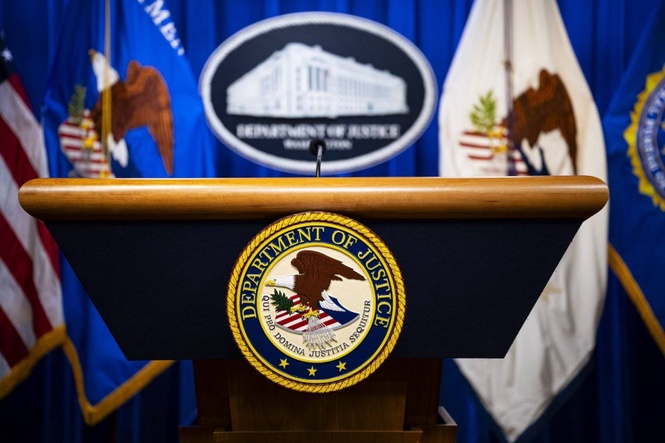
In a statement issued Oct. 5, the Justice Department said it filed denaturalization complaints against 40 individuals between Aug. 21 and Oct. 2, 2026, representing the largest number of such cases filed within a single period under the Trump administration.
The department said the cases involved individuals accused of concealing criminal activity, misrepresenting personal information, or otherwise obtaining citizenship unlawfully.
According to the Justice Department, a denaturalization complaint against Tabafunda was filed Sept. 15 in the US District Court for the Central District of California.
Federal authorities said Tabafunda began sexually abusing a child younger than 13 before becoming a naturalized American citizen in September 2005.
He was subsequently convicted by a jury of two counts of committing lewd or lascivious acts upon a child younger than 14 under California law and sentenced to eight years in prison.
The abuse occurred between February and November 2005, during which Tabafunda occupied a position of trust with the victim, the department said.
Federal prosecutors contended that Tabafunda concealed his criminal conduct during his naturalization proceedings despite being required to disclose information relevant to his eligibility for citizenship. This disqualified him from meeting the good moral character requirement for naturalization.
Meanwhile, Navarro faces a separate denaturalization complaint filed Oct. 2 in the US District Court for the Eastern District of California.
According to the Justice Department, Navarro allegedly entered into a fraudulent marriage to obtain lawful permanent resident status in the United States.
Federal authorities alleged that he subsequently relied on that immigration status and made false representations to immigration officials to secure US citizenship.
The complaint contains four counts relating to the alleged fraudulent marriage and misrepresentations that prosecutors say rendered him ineligible for naturalization.
The two Filipinos are among individuals from several countries targeted in the administration's expanded denaturalization campaign.
Other cases involve allegations of espionage, immigration fraud, sexual offenses, identity deception, and concealment of criminal histories.
Attorney General Todd Blanche described the initiative as an unprecedented effort to revoke citizenship obtained through deception.
“Today’s announcement marks the largest denaturalization effort in modern history,” Blanche said.
“From an individual convicted of espionage to others convicted of sexual offenses against minors, these defendants concealed critical facts from the US government and represent serious criminal offenders.” Assistant Attorney General Brett A. Shumate of the department's Civil Division also defended the campaign.
“Every single one of these individuals lied their way into US citizenship,” Shumate said.
Under the US Immigration and Nationality Act, naturalized citizenship may be revoked if it was illegally obtained or secured through the concealment of material facts or willful misrepresentation.