
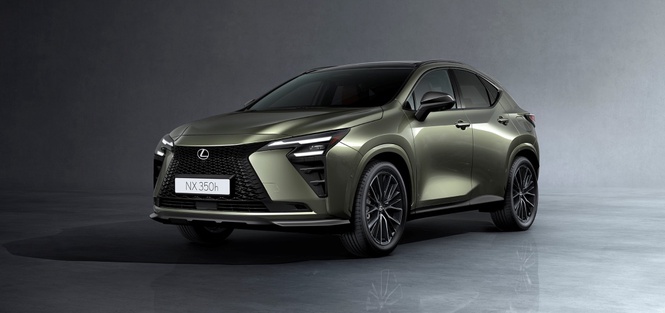
The 2027 Lexus NX facelift brings a hybrid-only line-up, over 100 km of PHEV range, DC fast charging and chassis revisions.
LEXUS has revealed the 2027 Lexus NX facelift, bringing a redesigned hybrid system, chassis revisions and a refreshed exterior as well as interior. Global roll-out is scheduled to begin from the end of 2026.
The biggest changes are under the skin. Lexus says the NX adopts a next-generation hybrid system with a new e-Axle integrating the transaxle, electric motor and power control unit into a more compact package, together with silicon carbide power semiconductors to improve efficiency.
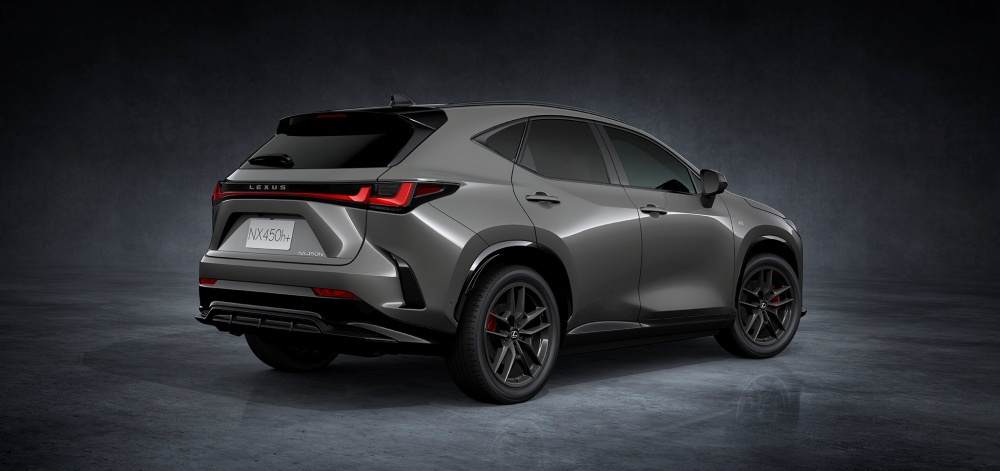
Interestingly, Lexus’ initial specifications for the facelift only detail the electrified NX 300h, 350h and 450h+, with no turbocharged NX 350 listed so far.
The NX 450h+ remains the most powerful of the lot, combining a 2.5-litre engine with all-wheel drive and a tentative system output of between 215 and 240kW, or around 292 to 326PS, depending on market specification. Lexus quotes 0-100km/h in around 6.0 seconds.
More importantly, the PHEV receives a newly developed lithium-ion battery with around 30% more capacity and 8% higher output. Lexus is targeting more than 100km of WLTP electric range in Europe, compared with over 140km WLTC in Japan and more than 40 miles under the EPA cycle in North America.
The NX 450h+ also gains DC fast charging for the first time, although Lexus has yet to specify its maximum charging rate or charging time. The battery is mounted lower and its cells are arranged transversely, which Lexus says improves body rigidity and lowers the centre of gravity.
The NX 350h continues with a 2.5-litre hybrid system and will be offered in front- and all-wheel-drive configurations. Tentative system output ranges from 140 to 180kW, or around 190 to 245PS, depending on specification, with 0-100km/h taking between 7.1 and 7.8 seconds.
A new NX 300h uses a smaller 2.0-litre four-cylinder hybrid system, driving the front wheels with a system output of 145kW, or around 197PS. Its 0-100 km/h time is listed at 9.2 seconds.
Chassis changes appear rather extensive. Lexus says floor rigidity has increased by around 25%, while suspension tower rigidity improves by approximately 30%. New shock absorbers, revised electric power steering and a smaller 360mm steering wheel are also part of the facelift.
For E-Four AWD variants, Lexus has revised rear motor control so that the rear wheels can remain electrically driven even during straight-line driving, rather than only under acceleration, wheel slip or cornering.
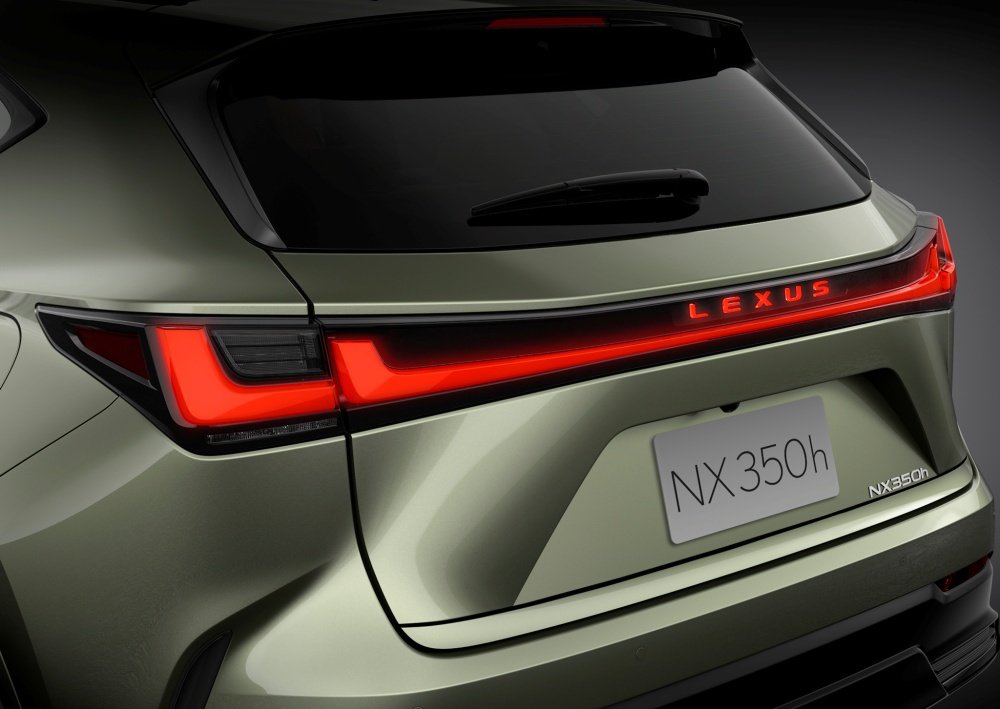
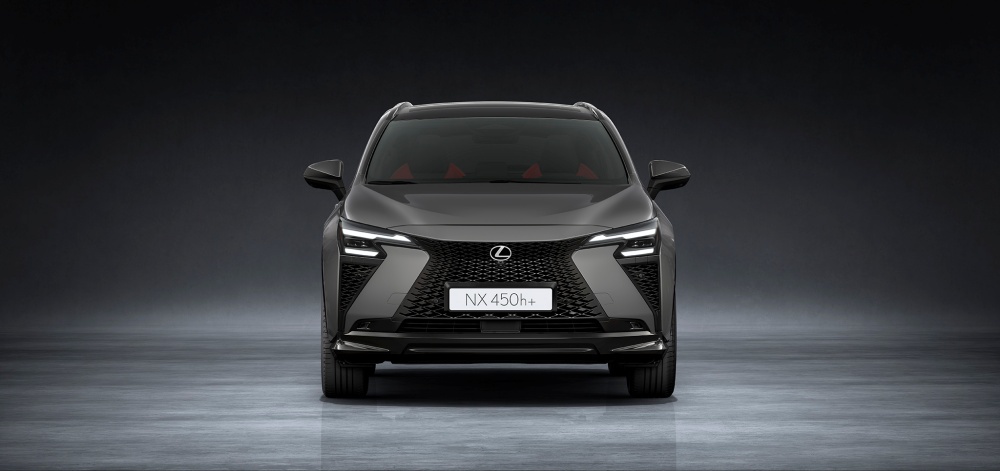
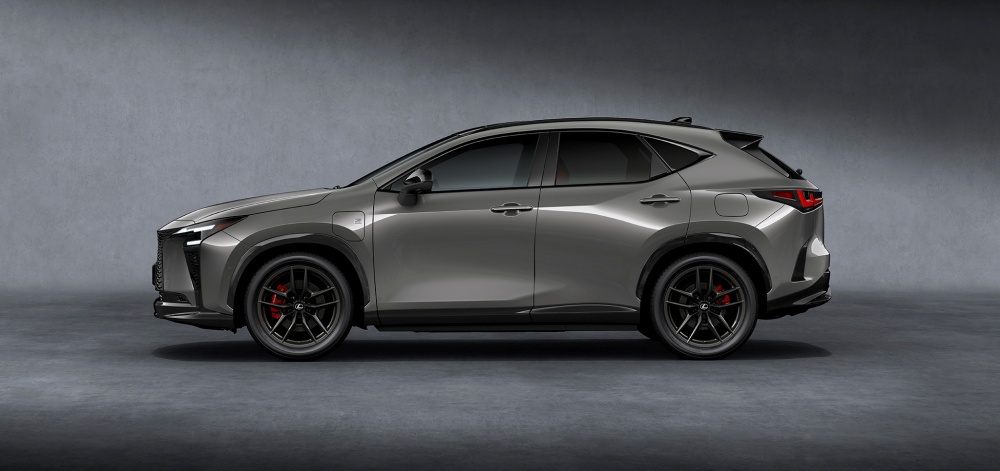
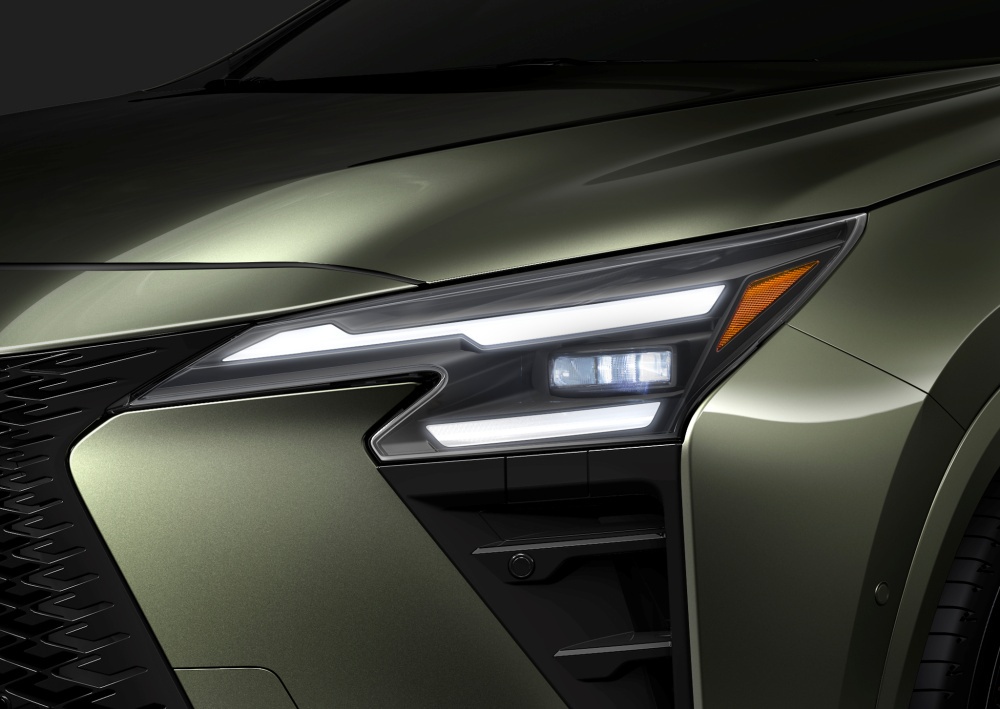
The facelift also brings a sharper exterior. The familiar NX proportions remain, but the front end now gets new dual-line daytime running lights, revised grille treatment and more black exterior trim. At the rear, Lexus introduces its first Double L Signature taillight design together with an illuminated Lexus script.
Overall length increases by 30 mm to 4,690mm, while width remains 1,865mm and the wheelbase stays unchanged at 2,690mm.
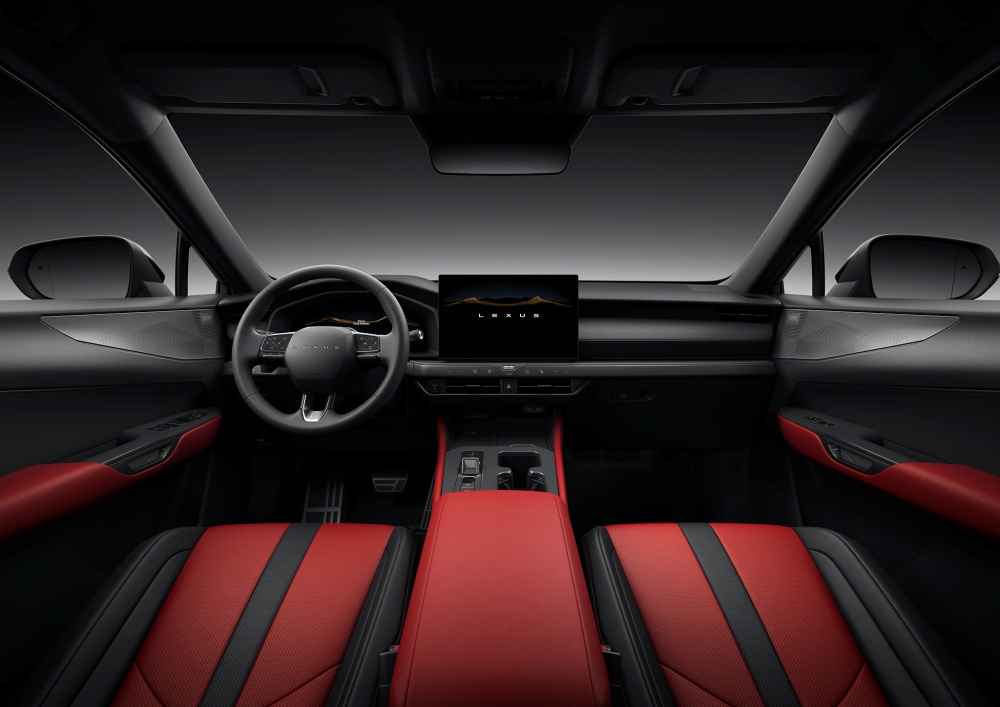
Inside, the redesigned dashboard places a 12.3-inch digital instrument cluster and 14-inch infotainment display along the same horizontal plane. There is also a redesigned steering wheel, new ambient lighting and Lexus’ Responsive Hidden Switches.
One of the more unusual additions is Sensory Concierge, which can coordinate the cabin lighting, music, climate control, seat temperature and even fragrance according to three preset moods. Lexus offers five fragrances through cartridges installed in a generator inside the glove box.
The latest Lexus Safety System+ also gains improved detection and expanded functionality, including revised adaptive cruise control, lane change assistance, enhanced intersection braking and a Blind Spot Monitor capable of detecting bicycles and motorcycles.
For Malaysia, the current NX range consists of the NX 350h Luxury from RM370,888 and turbocharged NX 350 F Sport from RM390,888.