1. Treating "Wants" as "Needs" (The Shopee & TikTok Shop Trap)
We have all been there. You see a viral gadget on TikTok Shop or a trendy mechanical keyboard on Shopee, and suddenly it feels like a need.
But let’s be real. While food, shelter, utilities, and your PTPTN loan payments are absolute needs, that RM15 artisanal iced latte or weekly hotpot session is a want. If you don't track where your cash is going, lifestyle inflation will quietly eat your bank account alive.
How to Fix It
- Use the 50/30/20 Rule: Allocate 50% of your income to needs, 30% to wants, and 20% straight into savings.
- Track your spending with apps: Try modern budget-tracking apps like MAE by Maybank, Wally, or Spendee to see exactly where your money goes.
- The 48-Hour Rule: Before clicking "Add to Cart," wait 48 hours. If you still want it then, and it fits your budget, buy it.
2. Living Beyond Your Means and Not Automating Savings

When you get a salary increment or a bonus, it is tempting to immediately upgrade your lifestyle. This is called lifestyle inflation.
You start eating at pricier places, upgrade to a more expensive gym membership, or decide it's time to lease a brand-new Honda Civic even though your Myvi works perfectly fine.
According to the RinggitPlus Malaysian Financial Literacy Survey (RMFLS), a worrying number of Malaysians still live paycheck to paycheck. Many are unable to survive for more than three months if they lose their primary income.
How to Fix It
- Pay yourself first: Don’t save what is left after spending; spend what is left after saving.
- Set up automated transfers: As soon as your salary hits your main account, have 10% to 15% automatically transferred to a separate account.
- Leverage Malaysian Digital Banks: Digital banks like GXBank, Boost Bank, or AEON Bank offer competitive daily interest payouts. Keep your savings there so it’s out of sight, out of mind, while earning effortless interest.
3. Relying on Credit Cards and BNPL for Emergencies

It is easy to feel invincible in your 20s when you are healthy and full of energy. But life happens.
Your car gearbox might fail, your laptop could break down, or you might face a sudden medical emergency.
If you don't have liquid cash saved up, you will likely end up relying on credit cards or Buy Now Pay Later (BNPL) services to cover these costs. While convenient, BNPL and credit cards can quickly trap you in a high-interest debt spiral if you can't pay the balance in full the following month.
How to Fix It
- Build a 3-to-6-month emergency fund: Keep this money in a high-yield savings account or a low-risk money market fund like StashAway Simple or Touch 'n Go GO+.
- Get basic insurance coverage: Do not skip medical insurance. A single hospitalisation bill in a private hospital can wipe out your entire savings. Ensure you have a reliable medical card, either through your employer or a personal policy.
4. Ignoring Your Credit Score (CCRIS & CTOS)
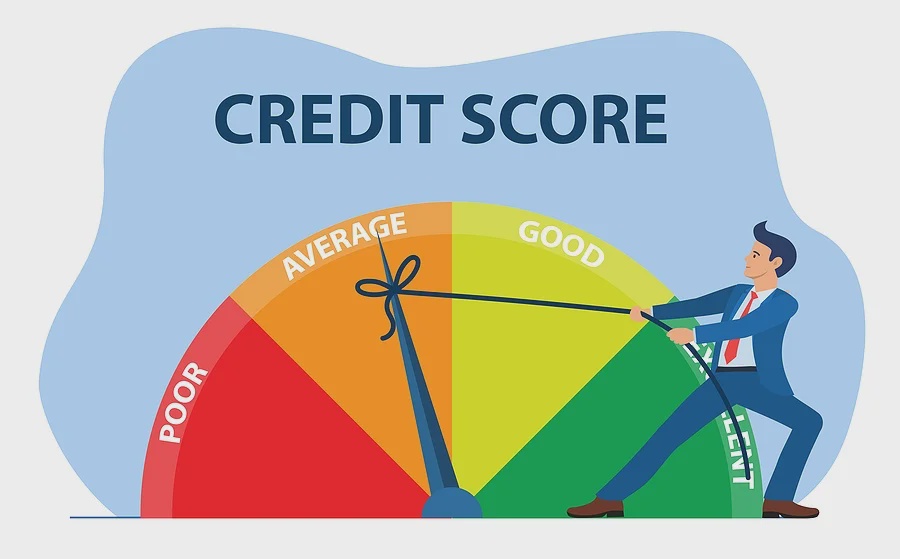
Some young adults think avoiding credit cards entirely is the safest bet. But having "zero credit history" can actually make it harder for banks to trust you when you eventually apply for a car loan or a home loan.
In Malaysia, banks check your CCRIS (by Bank Negara Malaysia) and CTOS reports to see how reliable you are as a borrower. Your credit score ranges from 300 to 850, and ideally, you want to keep your score above 700 to secure the best loan interest rates.
How to Fix It
- Get a basic cashback credit card: Use it only for fixed monthly expenses like your petrol, phone bill, or insurance premiums.
- Pay in full, every single month: Never pay just the 5% minimum. Pay the statement balance in full before the due date to build a stellar repayment track record without paying a single cent in interest.
- Check your credit score: Use the free eCCRIS portal or get a CTOS report once a year to make sure there are no unauthorized loans or identity theft issues under your name.
5. Thinking You’re "Too Young" to Save for Retirement
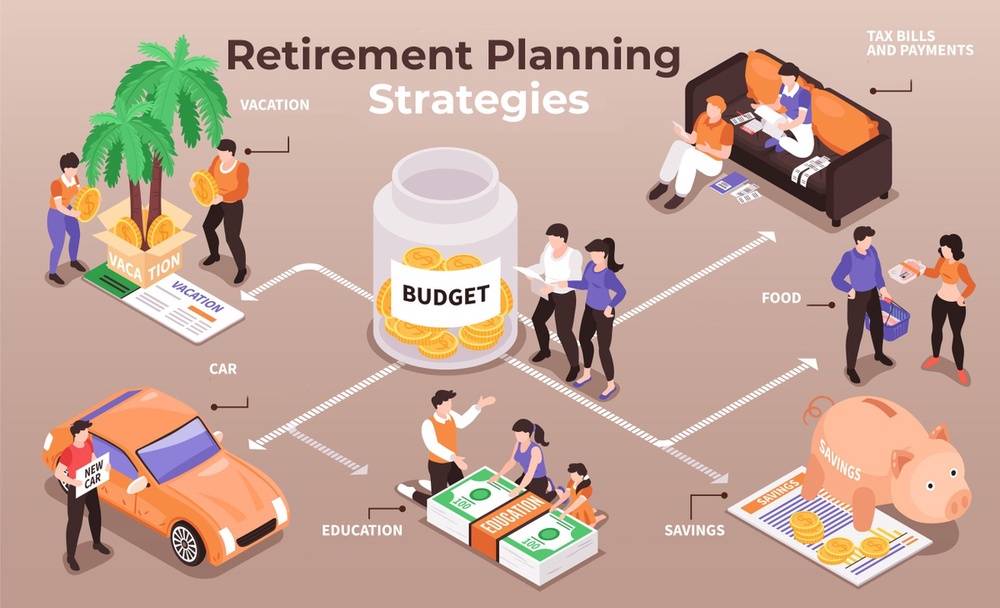
Retirement feels like a lifetime away when you are 23. But delaying your retirement planning is the most expensive mistake you can make.
The Employees Provident Fund (EPF) recommends a minimum basic savings target of RM240,000 by age 55 just to survive a simple retirement. However, due to inflation and rising living costs, financial planners suggest you will likely need much more.
Additionally, with the introduction of the EPF Akaun Fleksibel (Account 3), it is highly tempting to withdraw your funds for short-term wants. While having access to liquid cash is great, constantly dipping into your retirement fund ruins the compound interest magic.
How to Fix It
- Leave your EPF alone: Keep your employee EPF contribution at the standard 11% (don’t opt to lower it). Let the compound interest do its job in Akaun Persaraan (Account 1) and Akaun Sejahtera (Account 2).
- Limit Akaun 3 withdrawals: Only withdraw from Akaun Fleksibel (Account 3) for genuine financial emergencies, not for lifestyle upgrades.
- Explore Private Retirement Schemes (PRS) or Robo-Advisors: If you have extra cash, consider putting it into a PRS or a robo-advisor to build a parallel retirement nest egg early.
Frequently Asked Questions (FAQ)
Q: Is it bad to get a credit card in my early 20s?
A: Not at all! Getting a credit card early is one of the easiest ways to build a strong credit score (CCRIS/CTOS). Just make sure you treat it like a debit card—only spend what you already have in your bank account, and pay the balance in full every month.
Q: How much should I actually keep in my emergency fund?
A: Aim for at least 3 to 6 months of your monthly expenses. If your monthly commitments (rent, food, car loan, etc.) total RM2,500, your emergency fund should be between RM7,500 and RM15,000.
Q: Should I use EPF Account 3 (Akaun Fleksibel) to buy a new phone?
A: Ideally, no. While Akaun 3 allows you to withdraw money at any time, doing so reduces your total EPF balance. This means you will earn less dividend overall due to lost compound interest. Save up for your wants using your normal monthly income instead.
Q: What is a good credit score range in Malaysia?
A: In Malaysia, credit scores typically range from 300 to 850. A score above 700 is considered good, while a score above 740 is excellent and will secure you the best loan interest rates.
Q: How can I start investing in Malaysia with a small budget?
A: You can start small by using digital platforms like robo-advisors (StashAway, MYTHEO), Touch 'n Go GO+, or micro-investing tools. Many of these platforms allow you to start investing with as little as RM10 to RM100.
Summary (TL;DR)
- Differentiate Needs vs. Wants: Don't let lifestyle creep and shopping apps drain your monthly paycheck.
- Pay Yourself First: Automate your savings (at least 10% to 15%) into a separate digital bank or high-yield account before you start spending.
- Save Cash for Emergencies: Relying on credit cards or BNPL for unexpected costs will keep you trapped in debt. Aim for a 3-to-6-month emergency fund.
- Build Good Credit Early: Use a starter credit card responsibly to boost your CCRIS/CTOS score for future home or car loans.
- Start Retirement Saving Now: Don't touch your EPF unnecessarily. The earlier you let your money compound, the easier your financial future will be.
Conclusion: Take Control of Your Financial Journey

Managing your money doesn't mean you have to live on instant noodles and miss out on all the fun. It is all about finding a healthy balance.
By avoiding these five common pitfalls now, you are setting yourself up for financial freedom while your peers are still struggling to make ends meet.
Ready to take control of your financial journey? Compare your loan options and check your borrowing health with Loanstreet’s calculators to see how you can make your money work harder for you.