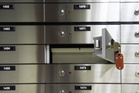
A safe deposit box can protect important papers from curious relatives, household accidents, and the occasional home burglary. Unfortunately, it can also protect them from the very people who need them most. That creates an awkward problem for estate planning. A will might sit safely inside a bank vault, while the family member responsible for carrying out its instructions struggles to gain access. A power of attorney might be tucked beside it, even though the document could help someone manage financial affairs during an owner’s lifetime.
The problem isn’t that safe deposit boxes offer poor security. It’s that security and accessibility aren’t always friends. Estate planning professionals, including attorneys who advise families on document storage, often warn against putting certain originals behind a bank’s locked door.
1. Your Original Will Could Become Difficult to Retrieve
Keeping an original will in a bank vault sounds sensible. It protects the document from fire, water damage, accidental disposal, and the family member who reorganizes everything without asking. But death can change the rules governing access to that box. Banks may restrict access after learning that the sole owner has died. The executor might need to provide a death certificate, proof of authority, or additional legal documentation before anyone can retrieve the contents.
That creates an unfortunate circle. The family needs the original will to establish who should administer the estate, but the bank may require proof of legal authority before releasing it. Some states provide special procedures for retrieving a deceased person’s will, but requirements vary. Iowa, for example, allows someone named as executor in a purported will to access a box for the limited purpose of removing that document. Delaware also has a procedure for retrieving a will before a personal representative receives an appointment.
The American Bar Association has cautioned against storing an original will exclusively in a safe deposit box. Its estate planning guidance notes that retrieving the document can require a special court order. An estate planning attorney can help identify a suitable storage arrangement under applicable state law.
2. Your Power of Attorney Won’t Solve a Problem After Death
A power of attorney gives someone authority to handle specified affairs on another person’s behalf. A durable power of attorney can remain effective if the person who signed it becomes incapacitated. That makes the document particularly useful during a serious illness, cognitive decline, or extended hospital stay. Someone might need to pay bills, communicate with financial institutions, or manage property while the account owner cannot handle those responsibilities.
Now consider where the document lives: inside a safe deposit box that only the account owner can access. The person named as agent might have the legal authority to act but lack the physical document needed to demonstrate that authority. Banks and other institutions often require a copy or original that satisfies their procedures.
There’s another complication. A durable power of attorney generally ends when its creator dies. It does not give the agent authority to administer the deceased person’s estate. That responsibility generally belongs to the executor or court-appointed personal representative. Keeping the document accessible during the owner’s lifetime makes far more sense than treating it like a collectible certificate.
3. Medical Directives Shouldn’t Require a Trip to the Bank
An advance healthcare directive, sometimes called a living will, explains a person’s medical treatment preferences if they cannot communicate those wishes. A healthcare power of attorney can designate someone to make medical decisions under specified circumstances. These documents can become relevant during an emergency, when nobody has time to organize a bank visit. A sudden medical crisis might leave family members searching for instructions about life-sustaining treatment or trying to identify the person authorized to make healthcare decisions.
A safe deposit box offers little practical help in that situation. Bank branches follow business hours, and a medical emergency rarely checks the calendar before arriving. Healthcare providers may have their own procedures for verifying decision-making authority and accepting copies. Requirements also vary by state and document type. Keeping accessible copies with the designated healthcare agent, primary physician, and other appropriate caregivers can make communication easier.
A document that explains someone’s medical wishes shouldn’t spend its most useful years behind a vault door.
4. Funeral Instructions Could Arrive Too Late
Some people prepare detailed funeral and burial instructions long before anyone needs them. They might specify a preferred funeral home, burial location, religious arrangements, or whether they want cremation. These instructions can spare relatives difficult decisions during an emotionally exhausting period. They can also prevent disagreements among family members who remember conversations differently.
Unfortunately, placing those instructions exclusively in a safe deposit box creates a timing problem. Funeral homes may need information quickly, and relatives may need to make arrangements before they can satisfy the bank’s access requirements. Even when state law allows limited access to retrieve burial instructions, families must know which procedures apply. They also need to know which bank holds the box and who has the necessary key.
Keep written funeral preferences somewhere accessible to the people responsible for carrying them out. Also discuss any prepaid funeral arrangements directly with the appropriate provider. A beautifully organized set of instructions has limited value if nobody can find it during the first phone call.
5. Your Estate Information Needs More Frequent Updates
An estate plan involves more than a will and a collection of signed legal documents. Executors also need practical information about financial accounts, insurance policies, property, debts, and the professionals who manage those assets. A current asset inventory can save considerable time during estate administration. It might identify brokerage accounts, retirement plans, mortgages, life insurance coverage, and contact information for financial institutions.
However, these details change. A new bank account appears, an old insurance policy disappears, and a mortgage gets refinanced. A list tucked inside a safe deposit box might remain untouched for years while the financial picture changes around it. The same problem applies to account access instructions and digital information. Passwords, recovery procedures, and subscription details can change frequently. Storing an outdated list behind a bank vault’s security door creates an administrative scavenger hunt.
The American Bar Association recommends maintaining useful estate information, including asset and liability records and contact details for important advisers. Sensitive information needs appropriate protection, but it also needs a dependable update routine.
A Safe Place Isn’t Always the Right Place
Safe deposit boxes still serve a useful purpose. They can hold certain valuables, duplicate records, and documents that rarely require immediate access. The mistake comes from treating one secure location as the answer to every estate planning storage question. A better arrangement separates documents according to when someone might need them. Keep emergency healthcare instructions accessible, give authorized representatives appropriate copies, and establish a clear plan for retrieving original legal documents.
Also ask the bank about its access rules after an owner’s death. Confirm whether another authorized person can enter the box, what paperwork the bank requires, and how local law affects the process.
One final detail often escapes customers: FDIC insurance does not cover safe deposit boxes or their contents. The bank’s vault offers security, but it doesn’t automatically insure everything inside. Homeowners or renters insurance may offer some protection, depending on policy terms and coverage limits.
Estate planning should make life easier for the people left handling the paperwork. If they need a court order, a bank appointment, and three phone calls just to locate the instructions, the filing system has missed its assignment.
Which documents do you think families most often store in the wrong place? Join the conversation in the comments.
The post 5 Reasons Estate Planning Experts Warn Against Keeping Certain Documents in a Safe Deposit Box appeared first on The Free Financial Advisor.