
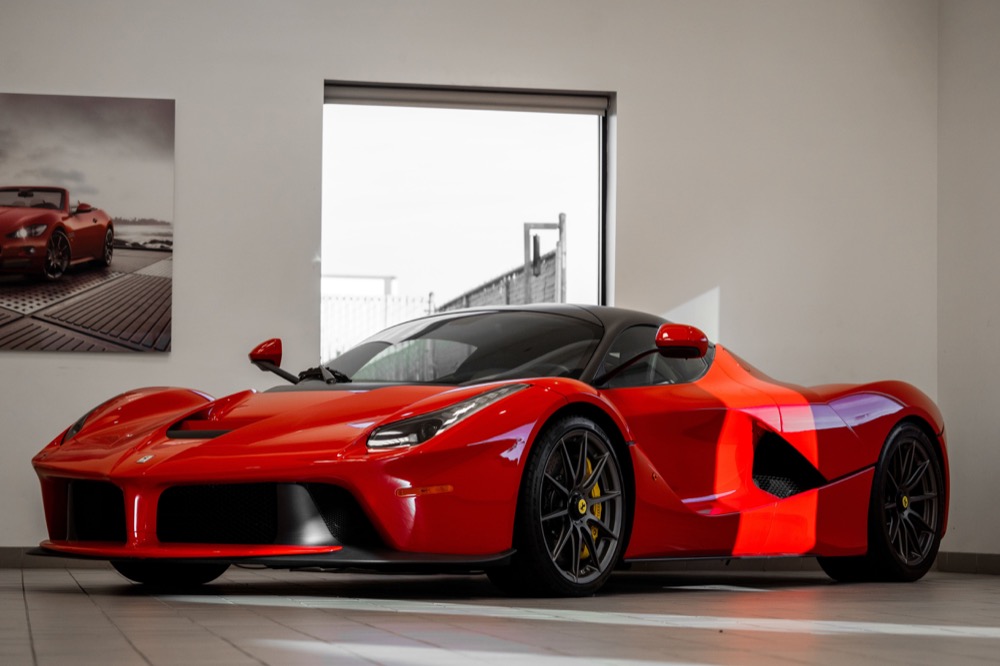
Excitement had been building throughout the car introduction at London's O2 Space, which displays the fans exactly what we can expect in terms of design and collaboration, as the 2025 season of Formula One approaches.
But before we see more cars on track, here are 6 rule changes that you need to know before the season begins.
1 . Fastest Lap Point No More
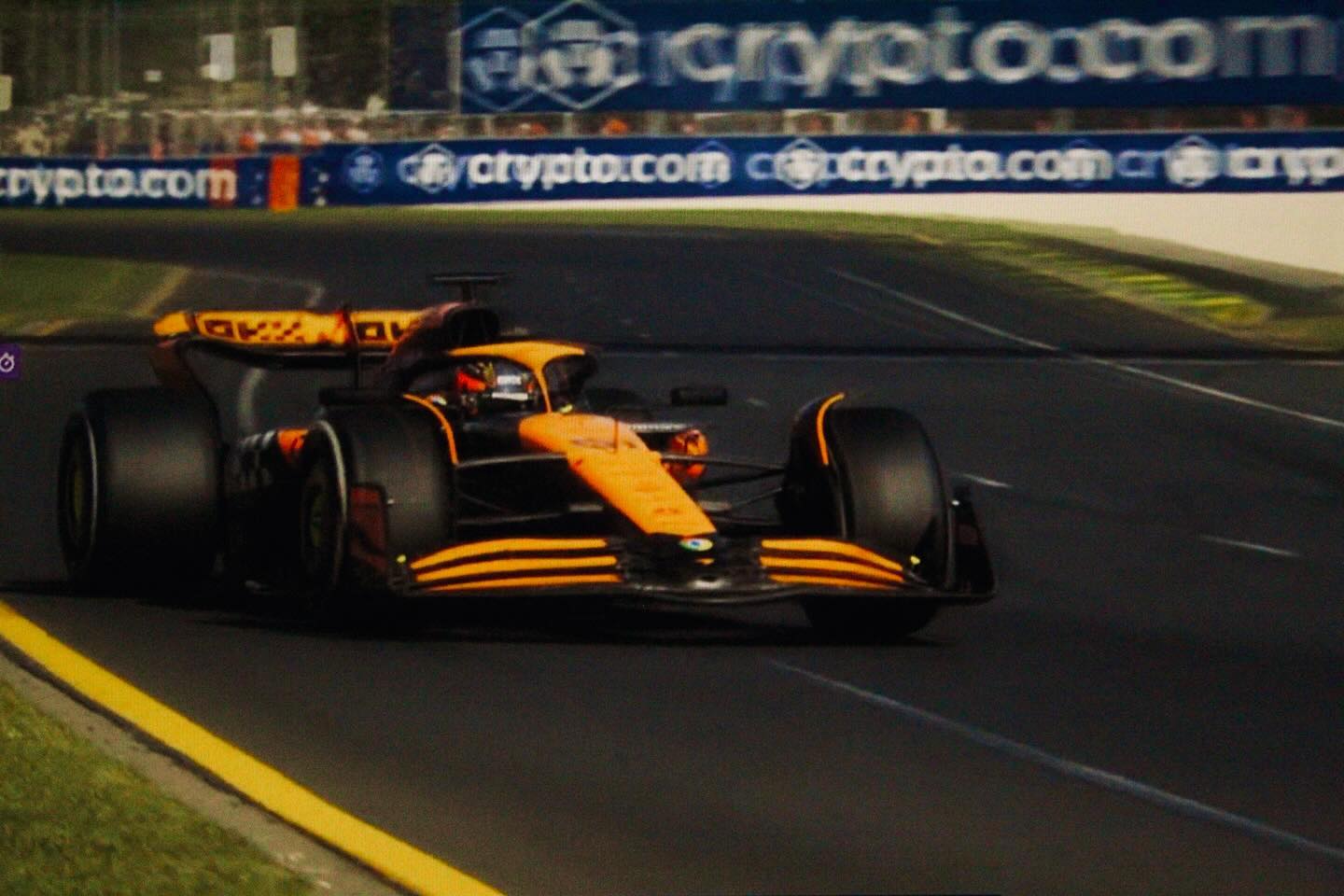
In 2019, the fastest lap point was reintroduced but only for drivers and constructors who finished in the top ten positions. From 2022, the point was only awarded if 50% or more of the scheduled race distance is completed.
But for the 2025 season, the FIA has abolished said rule and drivers can now only score extra points by finishing in the top eight positions in a Sprint race.
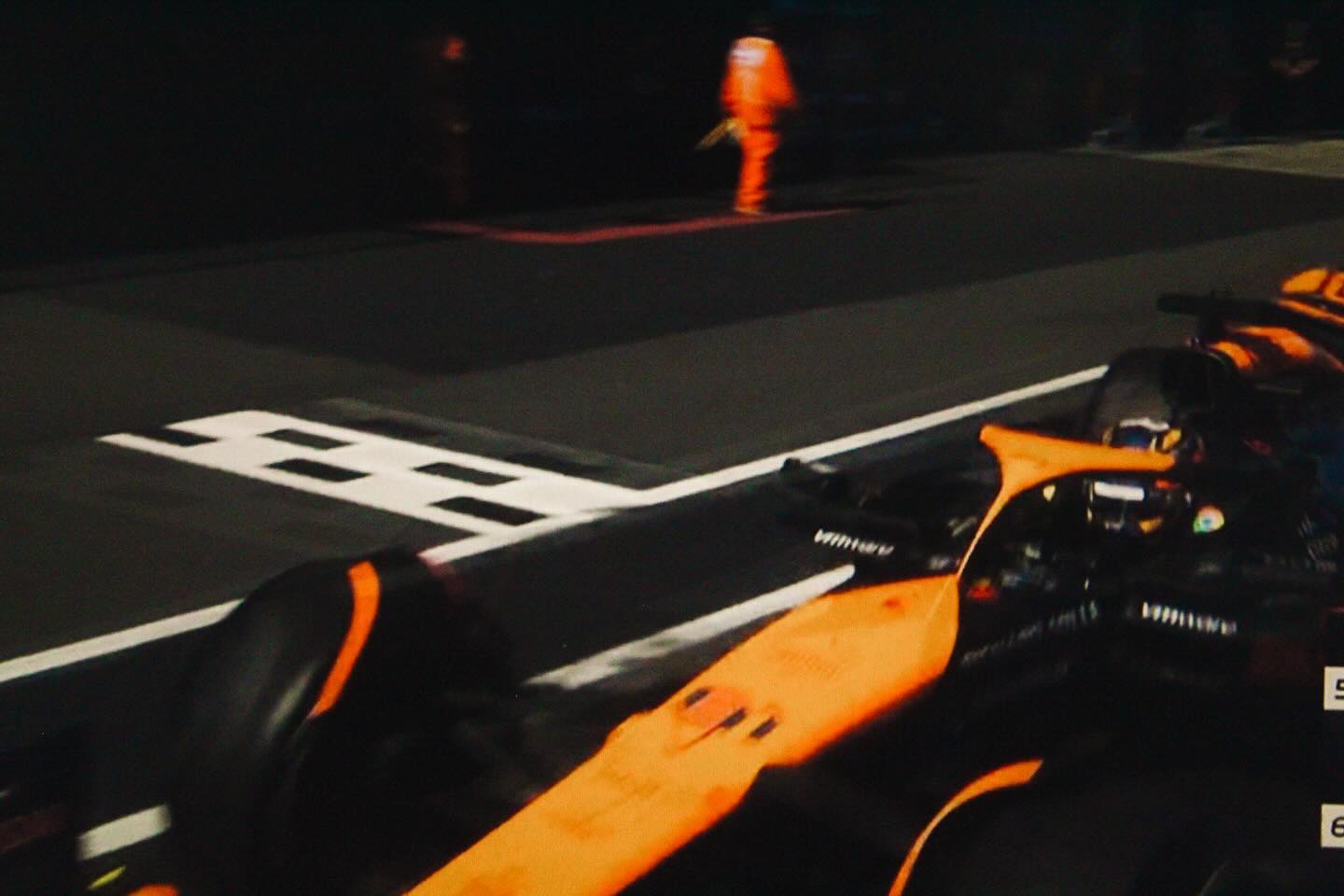
This decision was triggered by the controversy that surrounded the 2024 Singapore Grand Prix when Daniel Ricciardo snatched the fastest lap point at the very last minute from Lando Norris and McLaren who were leading the race.
2 . Increased Minimum Car Weight
Due to hybrid power units, upgraded safety features like the Halo device, and additional technological systems, Formula One cars have been getting heavier over time. The minimum car weight will rise from 798kg to 800kg for the forthcoming season; this increase is intended to assist certain drivers.
The minimum weight combines both the car and the driver, therefore it means heavier drivers had always had a disadvantage. Every driver had a minimum allowance of 80kg, with teams needing to add ballast for anyone underneath that.
This time, that minimum driver weight will be increased by 2kg, totaling up to 82kg which will be added on to the overall car mass.
3 . Cooling Systems For Extreme Heat
After the brutal conditions at the 2023 Qatar Grand Prix where multiple drivers nearly passed out, vomited and was sent to the medical centre for treatments related to heat stroke, the FIA has implemented a mandatory cooling system for certain races.
Teams are required to install a battery-operated cooling vest that circulates coolant around the driver's body in cars when track temperatures surpass 86.9°F (30.5°C). To increase airflow within the cockpit, teams can also open an additional cooling duct on the car's nose.
The regulations state that the cooling medium within the driver’s equipment may only be air, water or an aqueous solution of sodium chloride, potassium chloride or propylene glycol.
4 . No More Mini DRS
When McLaren's flexible rear wing was constructed in 2024 to create a slot gap that reduced drag and increased speed on the straightaways when bending at high speeds, it created quite a stir.
The FIA has implemented a strict ban on this for all future seasons and/or any similar concepts. The slot gap width in the rear wing has been tightened from 10-15mm to 9.4-13mm, and the DRS can only have two fixed positions–fully closed or fully open.
Furthermore, the front wing flexing will be strictly enforced by the FIA. The permitted flex has been lowered by 33% as of the Spanish Grand Prix, making it considerably more difficult to take advantage of aero elasticity.
5 . Testing Restrictions & FP1 Runs
In order to prevent a full-scale testing battle using old cars, there had been an agreement to put some limitations on what teams could do from 2025. For the first time ever, the allowance for Testing of Previous Cars (TPC) of challengers between two or four years old is being restricted.
Teams are now only allowed a maximum of 20 days of TPC running over the entire season, with drivers competing in the championship limited to 1000km between them over a maximum of four days.
And as for young drivers, the teams’ mandatory rookie free practice session of two times will be doubled to four outings.
6 . Grid Formation Amidst 2024 Chaos
Following the 2024 Brazilian Grand Prix where it rained heavily during Saturday’s qualifying session that left confusion on how the grid should be determined, the FIA has established a regulation that states from 2025, if there are circumstances where no qualifying session can take place, the grid will be decided based on the drivers’ championship classification.
The final grid will be drawn up one hour before the start of the grand prix, which has previously been two hours before, and cars withdrawn up to 75 minutes before the start will not be included therefore others will shuffle forwards.
Alrissa Mariam is a content creator under the Newswav Creator programme, where you get to express yourself, be a citizen journalist, and at the same time monetize your content & reach millions of users on Newswav. Log in to creator.newswav.com and become a Newswav Creator now!
The User Content (as defined on Newswav Terms of Use) above including the views expressed and media (pictures, videos, citations etc) were submitted & posted by the author. Newswav is solely an aggregation platform that hosts the User Content. If you have any questions about the content, copyright or other issues of the work, please contact Newswav.
