Costco makes it easy to feel like you are saving money before you even reach the checkout. Large packages, oversized containers, and warehouse-only deals can make buying in bulk seem like the obvious choice. But a low price per ounce does not guarantee real savings if half the package ends up in the trash. That is especially true for households with limited storage, smaller families, or grocery routines that change from week to week. Before adding another oversized item to your cart, consider whether you can realistically use the entire package. These seven Costco purchases can be worthwhile bargains, but only when your household has a plan to finish them.
1. Fresh Produce That Spoils Before You Can Eat It
Costco’s large produce packages can be tempting, especially when berries, salad ingredients, or bags of avocados cost less per pound than smaller grocery-store packages. The problem is that fresh produce has a limited window of peak quality, and buying more does not help if your household cannot eat it quickly enough. Berries can develop mold, leafy greens can wilt, and ripe avocados may become soft before you have a chance to use them. A lower unit price quickly loses its appeal when part of the package goes uneaten.
Before buying produce in bulk, think about the meals you have planned for the coming days. If you regularly make smoothies, pack lunches, or prepare salads, a large package may be practical. Otherwise, a smaller grocery-store package could cost less overall. The FDA recommends planning meals, checking what is already in the refrigerator, and avoiding bulk purchases of perishables you may not use in time.
2. Bakery Muffins and Croissants You Cannot Finish
Costco’s bakery section is known for oversized packages of muffins, croissants, and other baked goods. The price per item can be appealing, but a large package may be excessive for someone living alone or a household that does not eat breakfast at home every day. Even when the baked goods taste fresh at first, their texture and quality can decline before the package is empty.
Freezing portions soon after shopping can make bakery purchases more practical. Wrap individual items or separate portions so you can thaw only what you need. If you have limited freezer space or rarely eat the same baked goods several days in a row, consider buying a smaller quantity elsewhere. The important calculation is not how much each muffin costs, but how much you spend on the muffins your household actually eats.
3. Large Salad Kits That Become Tomorrow’s Food Waste
A large salad kit can simplify dinner, but its value depends on whether you can finish it while the greens and toppings are still appealing. Lettuce can wilt, and ingredients such as shredded cheese or dressing may not be used if the household loses interest in the same salad after a meal or two. Buying multiple kits at once can make the problem worse if you already have other fresh vegetables to use.
These packages work best when salad is a regular part of your weekly menu or when several people will share them. You can also plan to use the greens in wraps or serve them alongside different dinners, provided the ingredients remain in good condition. Check the package size and storage instructions before buying several kits. If you usually eat salad only occasionally, purchasing one smaller package at a time may be the more economical choice.
4. Oversized Bottles of Cooking Oil
Large bottles of olive oil and other cooking oils can offer a favorable price per fluid ounce. However, oil quality can decline over time, particularly when it is exposed to heat, light, or air. A large bottle is less attractive if you cook infrequently and take months to work through it.
Consider how often you use oil and which types appear most frequently in your recipes. A household that regularly roasts vegetables, makes salad dressings, and cooks meals from scratch may use a large bottle without difficulty. Someone who mostly reheats prepared foods may not. Store oils according to the label, keep them away from heat and direct sunlight, and avoid buying more than you can reasonably use while the flavor remains good. A smaller bottle may have a higher unit price but still be the smarter purchase.
5. Giant Spice Containers That Lose Their Flavor
Costco’s bulk spices can make sense for people who cook frequently, especially when a particular seasoning appears in many weekly meals. But a large container of an ingredient used only for one holiday recipe can occupy pantry space long after its flavor begins to fade. Ground spices generally lose their freshness faster than many whole spices, so buying a large quantity is not automatically a better deal.
Before choosing a warehouse-size container, check your existing spice rack and estimate how often you use the ingredient. Everyday seasonings may justify a bulk purchase, while specialty blends or spices used in just a few recipes are often better bought in smaller amounts. Proper storage helps preserve quality, but it cannot make an oversized container practical if you rarely cook with it. The best deal is the amount you will actually use.
6. Multipacks of Snacks That Go Stale in the Pantry
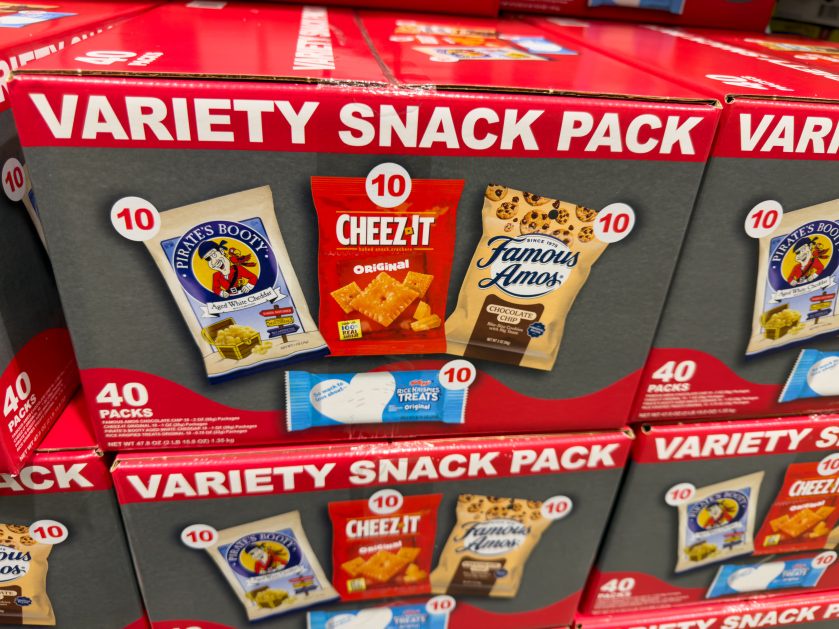
Bulk snack packages can be useful for school lunches, office snacks, road trips, and households with several people. But a large multipack of crackers, chips, cookies, or similar products may sit untouched if everyone prefers different snacks. Once packages are opened, exposure to air can also affect their texture and freshness.
Think about your household’s actual habits rather than what seems like a good deal in the warehouse. If everyone regularly eats the same snack, a multipack can reduce repeat shopping trips. If you are buying something new just because the package looks inexpensive, start with a smaller quantity elsewhere. Individual packaging can help preserve unopened portions, but it does not guarantee the entire box will be eaten before preferences change or the product loses quality.
7. Refrigerated Dips and Specialty Condiments
Large tubs of hummus, refrigerated dips, specialty sauces, and condiments can be appealing additions to a Costco cart. They can also become expensive refrigerator clutter when you use them for one gathering and forget about them afterward. A dip that seems essential for entertaining may not fit your regular meals, while a large condiment container can last far longer than expected.
These purchases make more sense when you already have several ways to use them. Hummus can accompany vegetables or sandwiches, while certain sauces can work in marinades, bowls, and weeknight dinners. Check storage instructions and use opened products within the recommended period. The USDA explains that date labels generally refer to quality rather than automatically indicating food safety, but food should not be eaten when spoilage is evident or when it has been stored improperly.
The Best Costco Deal Is the One You Actually Use
Costco can deliver real savings, particularly on products your household buys consistently. The challenge is recognizing when a bulk package exceeds your needs. Before purchasing, consider the unit price, how quickly you will use the item, whether you have room to store it, and whether freezing or sharing portions is realistic. These simple checks can help prevent an attractive warehouse price from turning into wasted food and money. A smaller package at a higher unit price may ultimately be cheaper when every portion gets used.
What To Read Next
Costco vs. Walmart: Where Is a Week of Breakfasts Actually Cheaper?
7 Costco Food Court Tricks Regular Shoppers Wish They Knew Sooner
Why Are Costco’s Food Court Prices So Much Lower Than Other Restaurants?
Is Kirkland Toilet Paper Bad for Septic Systems? What Costco Says and Shoppers Report
12 Costco Items That Beat Grocery Store Prices Every Time
The post 7 Costco Purchases That Only Save Money If You Actually Finish Them appeared first on Grocery Coupon Guide.