If you grew up in the 1980s, you probably remember the bright orange macaroni and cheese, the sweet taste of your favorite soda, and snacks that seemed to make every afternoon better. Some of those familiar products are still available, but the versions on store shelves today may not be identical to the ones you remember. Manufacturers have changed ingredients, adjusted recipes, and updated production methods over the years, sometimes in response to changing regulations or consumer preferences. Other favorites disappeared altogether, leaving newer products to fill the gap. Here are seven childhood foods that have a different story behind them today.
1. McDonald’s French Fries
For many people who grew up in the 1980s, McDonald’s fries had a distinctive flavor that seemed difficult to replicate at home. One major change came around 1990, when McDonald’s moved away from cooking its fries in beef tallow and adopted vegetable-oil-based frying methods. The company made the switch amid growing public concern about saturated fat and cholesterol. Beef tallow had contributed to the rich, savory taste that many customers associated with the original fries.
The change didn’t mean McDonald’s stopped using beef flavor altogether. The company’s U.S. fries later became associated with a natural beef flavor ingredient, which has been a point of discussion among customers who remember the older recipe. Today’s fries still aim to deliver a familiar taste, but the cooking fat and ingredient formulation differ from the version served during much of the 1980s. For fans who swear the old fries tasted better, this is one of the clearest examples of a real change rather than nostalgia alone.
2. Kraft Mac & Cheese
The blue box of Kraft macaroni and cheese was a familiar pantry staple in many 1980s households. Its bright orange cheese sauce was part of the appeal, and generations of children grew up eating it as a quick lunch or dinner. But in 2016, Kraft removed synthetic colors and artificial preservatives from its original U.S. product. The company replaced the artificial dyes previously used to create its signature color with coloring from natural sources, including paprika, annatto, and turmeric.
The company said it developed the new formula after listening to consumers who wanted simpler ingredients without sacrificing the product’s recognizable taste. Some longtime fans have noticed differences in flavor or appearance, although taste preferences are subjective. The important distinction is that this was a documented recipe change, not simply a case of adults remembering childhood food differently. If you grew up with the original blue box, the modern version has a different ingredient list even though the basic meal remains familiar.
3. Coca-Cola
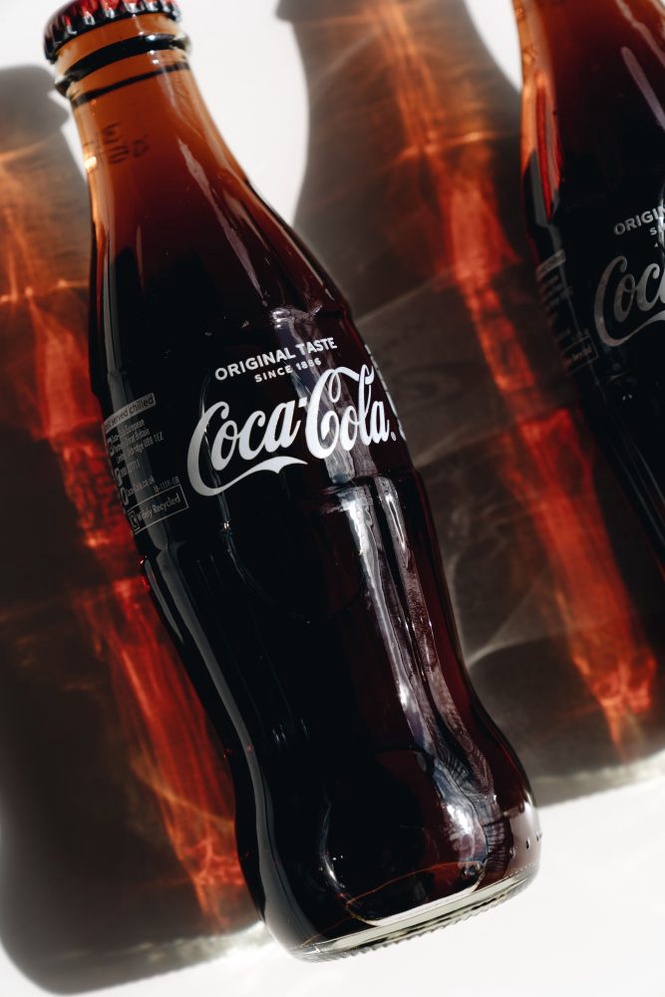
Coca-Cola’s history during the 1980s included one of the most famous recipe controversies in American food history. In April 1985, the company replaced its traditional U.S. formula with a sweeter version known as New Coke. The change triggered a strong backlash from customers who wanted the original flavor back. Coca-Cola responded by bringing back the original formula as Coca-Cola Classic just months later, making the episode a lasting lesson in how strongly people connect food and drink with familiar tastes.
There is another detail worth remembering: the sweetener used in mainstream U.S. Coca-Cola also changed during the broader period surrounding the 1980s. The company moved from cane sugar to high-fructose corn syrup in the United States, with the transition occurring across bottlers during the 1980s. That means the Coke someone remembers from childhood may differ from some older versions in both formulation and sweetener. The precise experience depends on when and where the drink was purchased, but the recipe has not remained frozen in time.
4. Twinkies
Twinkies were a familiar lunchbox treat long before the 1980s, but their history took a major turn when Hostess shut down operations in 2012. The brand returned under new ownership in 2013, bringing the familiar golden snack cakes back to grocery shelves. However, the relaunched Twinkies were not simply a continuation of the exact same production operation. The new version had a reported shelf life of 45 days, compared with the previous version’s 26 days, a difference that drew attention during the comeback.
A longer shelf life does not automatically prove that a snack tastes worse, and the change alone doesn’t explain every difference customers may notice. Production methods, ingredient formulations, freshness, and storage can all affect how a packaged cake tastes. Still, the relaunch marked a genuine break from the product many people remembered buying before the shutdown. For fans who expected the same Twinkie to return unchanged, the comeback came with a few important differences.
5. Oreo Cookies
Oreo cookies have retained their familiar shape and basic chocolate-and-creme combination for decades, but the ingredients have changed over time. One notable shift came when Nabisco removed partially hydrogenated oils from its Oreo recipe in the early 2000s. These oils were a source of artificial trans fats, which food manufacturers increasingly moved away from as evidence of their health risks and regulatory pressure grew. The change affected the fats used in the cookie’s formulation, even though the product continued to look much the same.
A change in fat can influence texture and how a cookie feels when you bite into it, but that doesn’t mean every person will notice the difference. Oreos have also expanded into countless flavors and limited-edition varieties, making the brand very different from the straightforward cookie many children knew. The original-style Oreo remains available, but its ingredient history shows that a familiar package does not guarantee an unchanged recipe. If today’s version tastes different to you, ingredient changes may be part of the explanation, alongside differences in taste preferences over time.
6. Trix Cereal

Trix was a colorful breakfast favorite for many children in the 1980s, and its appearance has changed repeatedly since then. The cereal originally used round pieces before switching to fruit-shaped pieces in the early 1990s. It later returned to round pieces in the United States, then brought back fruit shapes after customers expressed a preference for the more colorful version. These changes affected the cereal’s look and helped make its history unusually complicated for a product that still carries the same name.
The ingredients used to create Trix’s colors have also changed. General Mills announced in 2015 that it would move away from artificial colors in cereals, and the company later brought back a version with artificial colors after customers objected to the revised cereal’s appearance. In August 2026, General Mills announced that all its U.S. cereals had been reformulated to remove certified colors, including products such as Trix. That means the cereal available now reflects another ingredient shift, even as its packaging and familiar name continue to evoke childhood memories.
7. Jell-O Pudding Pops
Jell-O Pudding Pops were a freezer favorite for many families during the 1980s. They offered a creamy, pudding-like texture on a stick, setting them apart from ordinary ice pops and many traditional frozen treats. Their popularity was helped by memorable advertising, but the original product eventually disappeared from the market. For people who grew up asking for the chocolate, vanilla, or swirl versions, the absence of the original treat became part of its nostalgic appeal.
Pudding Pops have been difficult to replace because the appeal was about more than a frozen chocolate flavor. Their texture and the way they melted were central to what made them different from other frozen desserts. Products marketed as similar treats may satisfy the same craving, but they are not necessarily made with the same formulation or production process as the original. Unlike a recipe that has simply been updated, this is a case where the original childhood product is no longer a dependable grocery-store option.
Familiar Names, Different Food Histories
Some childhood favorites changed because manufacturers responded to health concerns, while others evolved through business changes, ingredient updates, or shifting customer preferences. A few, like Coca-Cola, experienced major public controversies over recipe changes; others, such as Trix, changed repeatedly over several decades. Not every difference people notice can be traced to one ingredient, and nostalgia can make familiar foods seem especially difficult to replace. But these examples show that the products we remember from the 1980s have not all stayed the same, even when their names and packaging remain recognizable.
What To Read Next
10 Things That Were Free in the ’80s But Cost a Fortune Now
9 Things Families Shared in the ’80s That Would Raise Eyebrows Now
5 Ways Delis Are Quietly Replacing Products With Alternatives