Your grocery cart can influence your long-term health, but cancer prevention is not about eliminating every food you enjoy. Research from the American Cancer Society and World Cancer Research Fund identifies several dietary habits associated with cancer risk, particularly frequent consumption of processed meat and alcohol. Other foods can contribute indirectly by promoting excess weight, which increases the risk of several cancers. Understanding these differences matters because not every food described as unhealthy has been shown to cause cancer directly. Here are seven grocery staples experts recommend limiting, along with the reasons behind the guidance.
1. Bacon, Hot Dogs, and Deli Meats
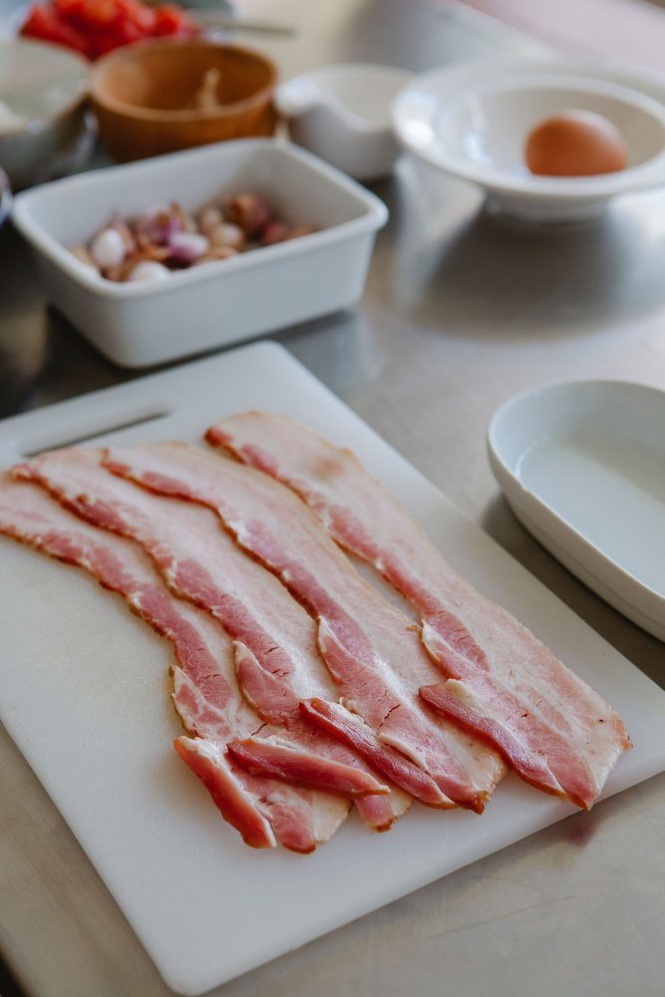
Bacon, hot dogs, ham, salami, and many deli meats are among the clearest foods to limit for cancer prevention. These products are considered processed meat because they undergo methods such as curing, smoking, salting, or fermentation. The International Agency for Research on Cancer classifies processed meat as carcinogenic to humans, based on sufficient evidence linking consumption to colorectal cancer. This classification describes the strength of evidence that something can cause cancer, not the size of its risk compared with other carcinogens. The American Cancer Society recommends eating processed meat sparingly, if at all. Chicken, fish, eggs, beans, and lentils can provide alternatives for sandwiches and everyday meals.
2. Beef, Pork, and Other Red Meat
Fresh beef, pork, lamb, and similar red meats are different from processed meats, but experts still recommend moderating their consumption. The International Agency for Research on Cancer classifies red meat as probably carcinogenic to humans, with evidence particularly concerning colorectal cancer. Researchers have investigated several possible mechanisms, including compounds associated with heme iron and high-temperature cooking. The evidence is not as strong as it is for processed meat, so the two categories should not be treated as identical. The American Cancer Society encourages people to choose more protein from fish, poultry, and plant-based sources instead of relying heavily on red meat. You do not necessarily need to remove beef or pork from your shopping list, but varying your protein sources can help reduce frequent exposure.
3. Sugary Soft Drinks and Sweetened Beverages
Regular soda, sweetened tea, energy drinks, and other beverages with added sugar deserve attention for a different reason. The strongest established concern is that frequent consumption can contribute to weight gain, and excess body weight increases the risk of multiple cancers. That does not mean drinking one soda directly causes cancer or that sugar itself has been established as a direct cause of cancer in humans. The World Cancer Research Fund recommends limiting sugar-sweetened drinks and choosing water or unsweetened beverages more often. When shopping, compare labels on bottled teas, flavored drinks, and juices, since some contain substantial amounts of sugar. Replacing even some sugary drinks with water is a practical change that does not require overhauling your entire diet.
4. Chips, Cookies, and Other Highly Processed Snacks

Chips, cookies, candy, pastries, and similar packaged snacks are not all proven direct causes of cancer. The concern is more about how frequently these foods appear in the diet and whether they displace more nutritious choices. Many are high in calories, added sugar, salt, or saturated fat while providing relatively little fiber. Regularly eating energy-dense foods can contribute to excess weight, which is an established risk factor for several types of cancer. The World Cancer Research Fund recommends limiting highly processed foods that are high in fat, starches, or sugars. You can still enjoy a favorite snack occasionally while keeping fruit, unsalted nuts, and other nutrient-rich options available for everyday eating.
5. Fast Food and Calorie-Dense Ready Meals
Frozen pizza, fried chicken, burgers, and other convenient meals can make busy evenings easier, but frequent reliance on energy-dense options may affect long-term health. These foods are not all linked to cancer in the same direct way as processed meat. Instead, experts focus partly on their contribution to excess calorie intake and weight gain when they are eaten regularly or in large portions. Maintaining a healthy weight is one part of established cancer prevention guidance. When comparing convenience foods, look for options that include vegetables, beans, whole grains, or lean proteins. You do not have to abandon convenience altogether; choosing balanced meals more often can make a difference over time.
6. Alcohol, Including Beer and Wine
Alcohol may not always be thought of as a grocery item that belongs on a cancer prevention list, but the evidence is clear. Alcoholic drinks are linked to several cancers, including cancers of the breast, liver, mouth, throat, and esophagus. The risk is associated with alcohol itself, not simply with sugary mixers or a particular type of beverage. Beer, wine, and spirits are not exempt from this concern. The World Cancer Research Fund states that, for cancer prevention, it is best not to drink alcohol. For shoppers who do drink, understanding that all alcoholic beverages carry cancer-related risks can help inform personal decisions.
7. Foods Preserved With Large Amounts of Salt
Certain heavily salted and salt-preserved foods also deserve a closer look. Research has linked diets high in salt-preserved foods, particularly some traditional preserved foods, with an increased risk of stomach cancer. However, the evidence depends on the type of food and preparation method, so it would be inaccurate to suggest that every salty grocery item carries the same risk. Salted and cured foods can also include processed meats, which have separate evidence linking them to colorectal cancer. When shopping, compare sodium levels on packaged foods and use highly salted products in moderation. Choosing fresh or minimally processed ingredients more often can help reduce sodium intake without requiring you to eliminate every convenience food.
What to Change on Your Next Grocery Trip
Prevention is about overall habits, not finding a single food to blame. The strongest dietary guidance focuses on limiting processed meat, moderating red meat, avoiding alcohol for prevention, and reducing foods and drinks that contribute to excess weight. A practical grocery list can include more vegetables, fruit, whole grains, beans, and varied protein sources. These changes do not guarantee that someone will avoid cancer, since age, genetics, environmental exposures, and other factors also affect risk. Start with one manageable change, such as buying less processed meat or choosing water more often, and build from there.
What To Read Next
How Healthy Eating Depends on More Than What’s on Your Grocery List
Fiber Is the New Superfood: Cassava, Chicory and Konjac Take Center Stage for Gut Health
Dietitian Reveals the 1 Healthiest Meat With the Most Protein and Least Fat
Can Artificial Intelligence Improve Your Metabolic Health at the Supermarket
The post 7 Foods in Your Grocery Cart That Cancer Experts Say You Should Eat Less Often appeared first on Grocery Coupon Guide.