Putting groceries away after a shopping trip seems simple enough: refrigerated foods go in the refrigerator, pantry staples go in the cabinets, and everything gets tucked wherever there is room. But some foods do not make good storage partners. Certain fruits and vegetables release a natural gas that speeds up ripening, while strong-smelling ingredients can affect the flavor of nearby foods. Other combinations create moisture problems or increase the risk of cross-contamination.
Keeping groceries fresh is not just about buying the right amount. Where and how you store them can determine whether you finish a package or throw it away a few days later. Separating a few common grocery combinations can help extend freshness, protect food quality, and reduce unnecessary waste.
1. Apples and Bananas Can Speed Up Each Other’s Ripening
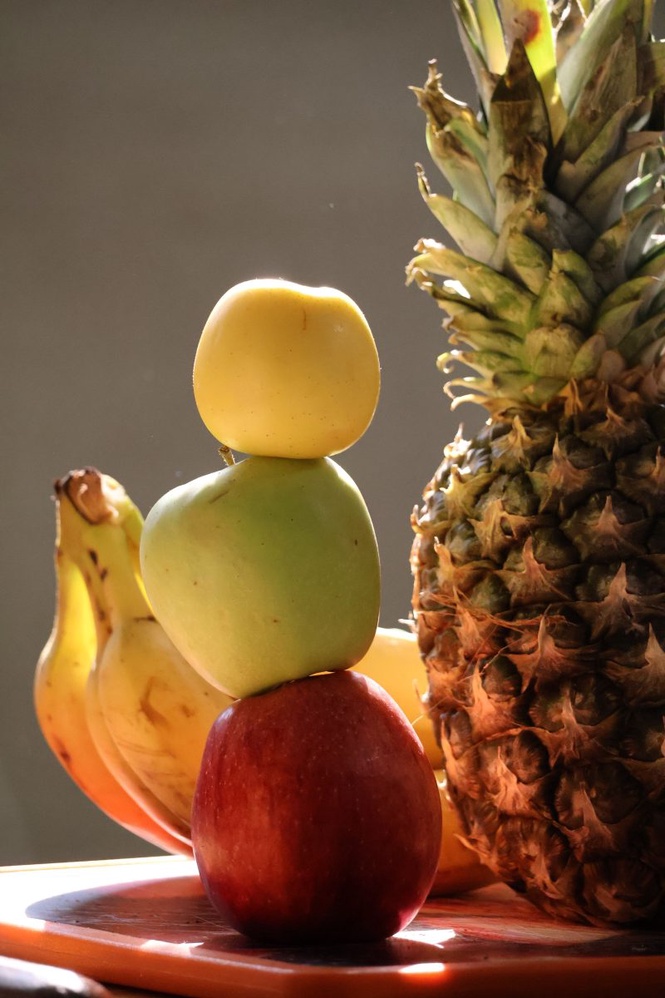
Apples and bananas are both common kitchen staples, but storing them together can cause problems if you want either fruit to last longer. Apples release ethylene, a naturally occurring plant hormone that helps fruit ripen. Bananas are particularly sensitive to ethylene, so keeping them close to apples can accelerate the ripening process. That may be useful when you want green bananas to turn yellow sooner, but it is less helpful when your fruit is already ripe.
The same issue can affect other ethylene-sensitive produce, including avocados, leafy greens, and some vegetables. Keep apples in a separate fruit bowl or refrigerated drawer when possible, especially if you are trying to slow down ripening. Bananas generally do best at room temperature until they reach your preferred ripeness. Once ripe, refrigeration can slow further deterioration, although the peel may darken.
2. Onions and Potatoes Need Different Storage Conditions
Onions and potatoes are often stored together because both are pantry staples that do not require refrigeration. However, sharing a storage space is not ideal. Onions release moisture and gases that can encourage potatoes to sprout or deteriorate more quickly. Potatoes also need a cool, dark, well-ventilated environment, while onions need a dry area with good airflow.
A better approach is to store them separately in breathable containers or baskets. Keep potatoes away from sunlight, which can cause greening, and avoid storing them beneath the kitchen sink or in other damp spaces. Onions should remain dry and well-ventilated, away from heat and moisture. Keeping these ingredients apart can help both last longer and prevent you from discovering spoiled potatoes or soft onions when you need them.
3. Ethylene-Producing Fruit Should Stay Away From Leafy Greens
Lettuce, spinach, kale, and other leafy greens can be sensitive to ethylene. When stored near fruits that release higher amounts of the gas, they may yellow, wilt, or deteriorate sooner. Apples, pears, avocados, and ripe bananas are common examples of produce that can create problems when stored too close to delicate greens.
If your refrigerator has separate produce drawers, use them strategically. Keep leafy greens away from ethylene-producing fruits, and follow the humidity settings recommended for the produce you buy. Avoid packing greens tightly into containers when they are damp, since trapped moisture can encourage decay. Separating these foods is a simple way to protect salad ingredients you may otherwise struggle to finish before they spoil.
4. Strong-Smelling Foods Can Affect Butter and Dairy
Foods with strong aromas can transfer odors to nearby ingredients, particularly when those foods are uncovered or stored in poorly sealed packaging. Onions, garlic, fish, and certain cheeses can leave unwanted smells in butter, cream, milk, and other dairy products. Butter is especially good at absorbing surrounding odors, which can affect its flavor even when it has not spoiled.
Keep aromatic ingredients in airtight containers and store butter in its original wrapper or a covered butter dish. If you have limited refrigerator space, avoid placing uncovered dairy products directly beside leftover fish or chopped onions. This is mainly a food-quality issue rather than a sign that the dairy has become unsafe. Proper packaging helps protect flavor and prevents your refrigerator from taking on the smell of everything inside it.
5. Raw Meat Should Never Share Space With Ready-to-Eat Foods
Raw chicken, beef, pork, and seafood should be kept separate from foods that will be eaten without cooking. Raw meat packages can leak juices containing harmful bacteria, potentially contaminating produce, leftovers, cheese, or other ready-to-eat items. Even a small leak can create a food safety problem if it reaches something that will not receive another cooking step.
Store raw meat in sealed containers or leakproof packaging on the refrigerator’s lowest shelf. This helps prevent juices from dripping onto other groceries. Keep ready-to-eat foods covered and separated, and clean refrigerator surfaces promptly if anything leaks. Raw meat does not need to be stored in a completely different refrigerator, but it does need a designated, protected space.
6. Bread and Moist Produce Do Not Make Good Pantry Neighbors
Bread can become stale or moldy faster when exposed to excess moisture. Storing it beside damp produce, wet reusable bags, or vegetables that release moisture can create an environment that encourages mold growth. This can be especially troublesome when bread is kept in a tightly packed cabinet or bread box with limited airflow.
Keep bread in its original packaging or another suitable bread container, and store it in a dry location away from wet groceries. If you will not finish a loaf before it goes stale, freezing portions can help preserve quality. Avoid refrigerating ordinary bread unless the packaging recommends it or your kitchen conditions make refrigeration necessary. The refrigerator can slow mold growth, but it can also make bread stale faster.
7. Ripe Fruit and Unripe Produce Shouldn’t Always Be Stored Together
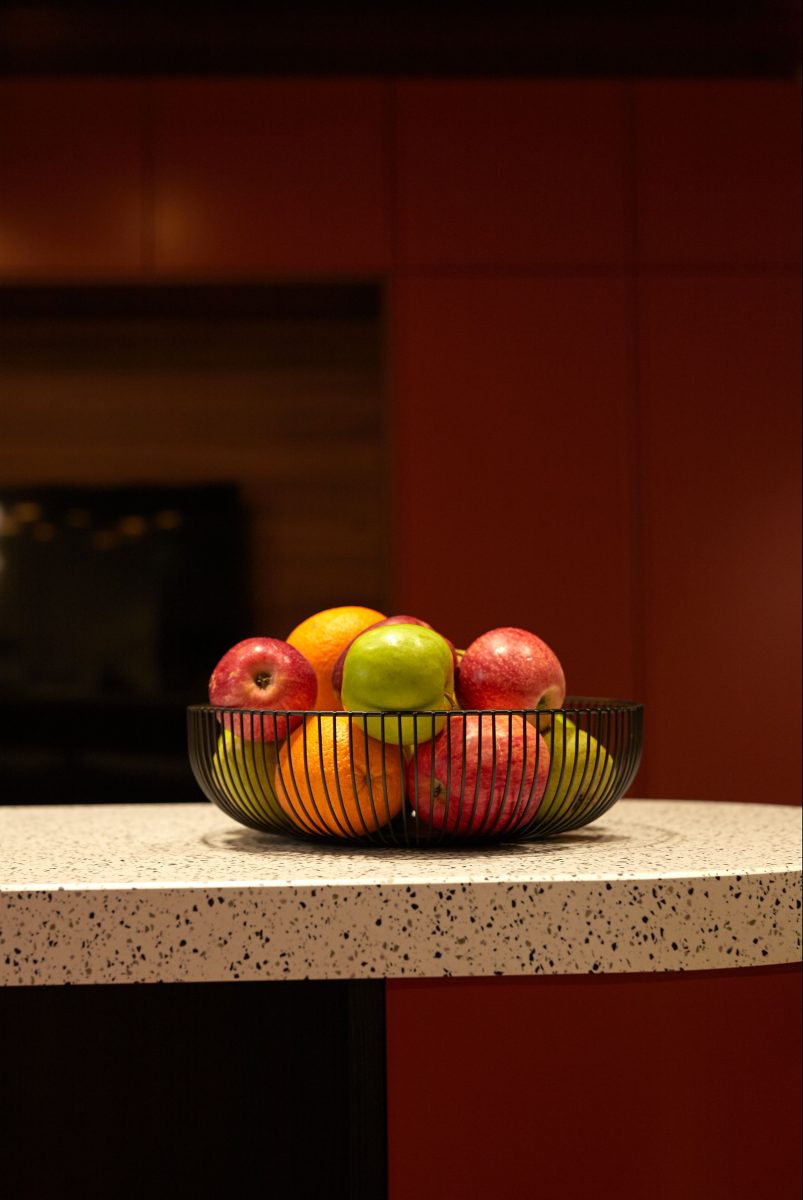
A fruit bowl filled with everything you bought at the grocery store may look convenient, but mixing ripe and unripe produce can shorten the time you have to enjoy it. Ripe bananas, apples, pears, and avocados can release ethylene that encourages nearby produce to ripen faster. If you have several fruits at different stages, storing them together can make it harder to control when they become ready to eat.
Separate produce according to ripeness rather than simply putting everything in one bowl. Keep fruit that needs more time to ripen away from ripe, ethylene-producing items. Check your fruit regularly and move items to the refrigerator once they reach the desired ripeness, when refrigeration is appropriate for that particular fruit. This gives you more control over your grocery supply and can help prevent several pieces of produce from becoming overripe at once.
A Little Separation Can Help Your Groceries Last Longer
You do not need a perfectly organized refrigerator or a separate storage container for every grocery item to keep food fresh. A few simple changes can make a difference, particularly when you separate ethylene-producing fruits from sensitive vegetables, keep onions away from potatoes, and protect dairy from strong odors. Food safety matters just as much, so raw meat should always be contained and stored below ready-to-eat foods.
The goal is to make groceries last long enough for you to use them, not to create a complicated storage system. When you put food away, consider what it releases, what it absorbs, and whether it needs different conditions from the items beside it. Those small decisions can help reduce spoilage and keep more of your grocery budget from ending up in the trash.
What To Read Next
Your Bread Keeps Going Moldy Too Fast — This Storage Mistake May Be Why
5 Grocery App Perks That Are Actually Worth the Storage Space
8 Food Storage Mistakes That Are Ruining Your Budget
Produce Storage: 12 Fruits to Ripen on the Counter Before Refrigerating
9 Thanksgiving Foods You Can Safely Buy Weeks in Advance
The post 7 Grocery Items That Shouldn’t Share the Same Storage Space — Here’s Why appeared first on Grocery Coupon Guide.