When you shop for groceries, you probably head straight to the aisle where you expect to find each item. Need shredded cheese? You go to the dairy section. Looking for nuts? You check the snack aisle. But grocery stores sometimes stock similar products in more than one location, and the price can vary depending on where you find them. A product marketed for a specific purpose may cost more than a comparable version sitting just a few aisles away.
That does not mean the alternate location will always have the better deal. Prices vary by store, brand, package size, and promotion, so shoppers need to compare the actual cost rather than assume one aisle is cheaper. Still, checking a second location can uncover savings on everyday groceries. Here are seven products worth looking for in more than one section of the store.
1. Shredded Cheese May Cost More Than a Block
Shredded cheese is convenient, especially when you are making tacos, casseroles, or quick meals. But shoppers may find that buying a block of cheddar, mozzarella, or another cheese and shredding it at home costs less per ounce. Pre-shredded cheese is often sold in packages designed for convenience, and its price can reflect the extra processing and packaging. Comparing the unit price can help you determine whether that convenience is worth the difference.
Some stores also carry cheese in different sections, including specialty cheese displays or deli areas. The price is not automatically lower in those locations, but it can be worth checking if you are buying a larger quantity. Make sure you are comparing similar types of cheese and not confusing a specialty variety with a standard block. If you use cheese regularly, shredding it yourself may be an easy way to trim the grocery bill.
2. Nuts and Seeds May Be Cheaper in the Baking Aisle
Nuts and seeds are often sold as snacks, but they are also common baking ingredients. Depending on the store, you may find almonds, walnuts, pecans, sunflower seeds, or similar products in both the snack aisle and the baking section. The packages may differ in size, seasoning, or intended use, which can affect the price. Comparing the cost per ounce can reveal whether the baking version is a better value.
This is especially useful if you need nuts for a recipe rather than for snacking. Baking packages may contain plain or chopped nuts, while snack versions may be roasted, salted, or flavored. Check the ingredient list and package weight before choosing one. A lower shelf price does not necessarily mean a better deal if the package is smaller or contains a different product.
3. Spices May Have More Than One Home
Spices are usually grouped together in a dedicated aisle, but some grocery stores also stock them near baking ingredients, international foods, or specialty cooking products. The same basic spice—such as cinnamon, cumin, paprika, or oregano—may appear in different package sizes and formats. In some stores, an alternate section may offer a lower unit price, particularly for larger containers or less familiar brands.
The key is to compare the amount you are getting. A small jar can look inexpensive but cost more per ounce than a larger container. At the same time, buying a large quantity of a spice you rarely use may not be worthwhile because spices gradually lose their aroma and flavor. Choose a package size that fits your cooking habits, and check that the ingredients are the same before comparing prices.
4. Shelf-Stable Salsa May Be Less Expensive Than Refrigerated Salsa
Salsa can appear in the refrigerated produce area, near fresh dips, or in the shelf-stable condiment aisle. The products may look similar, but they can differ in ingredients, preparation, package size, and flavor. Refrigerated salsa is often marketed as fresh, while jarred salsa may be designed for longer storage before opening. Depending on the store and brand, the shelf-stable version may cost less per ounce.
That does not mean one type is always better. If you prefer the taste or texture of refrigerated salsa, the difference may be worth paying for. Compare the unit price and check how much you are likely to use before the product needs to be refrigerated after opening. If you are buying salsa for a recipe or pantry backup, a shelf-stable jar may be a practical option.
5. Beans May Be Cheaper Outside the Canned-Goods Aisle
Canned beans are a convenient staple, but stores may also carry dried beans in the same aisle, in bulk sections, or near other dry ingredients. Dried beans generally cost less per pound than their canned counterparts, though they require soaking or cooking time. If you use beans often, the difference can add up over multiple meals. They are also easy to store in the pantry until you are ready to cook them.
When comparing prices, remember that dried beans expand as they cook, so the package weight does not translate directly to the same number of servings as canned beans. Canned beans are still useful when you need a quick meal or do not have time to cook. Check the unit price and consider how much preparation you are willing to do. The best value is the option you will actually use.
6. Oats May Be Sold in More Than One Section
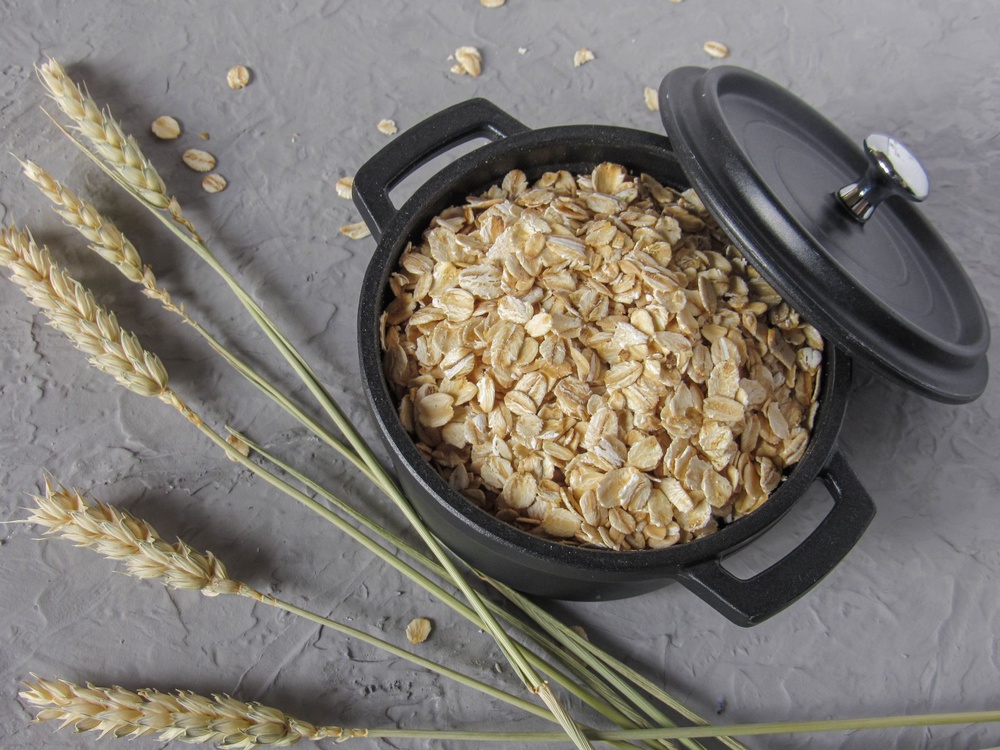
Oats are commonly found in the cereal aisle, but some stores also carry them near baking ingredients or in bulk bins. Depending on the retailer, shoppers may find rolled oats, quick oats, or larger bags intended for baking and cooking. The package sizes and prices can differ, so checking more than one location may help you find a better unit price.
Make sure you are comparing the same type of oats. Instant oatmeal packets often include flavorings and sweeteners, while plain rolled oats are more versatile and may cost less per serving. Bulk bins can offer a useful option when you need a specific amount, but their value depends on the price per weight and how fresh the product is. For regular oatmeal, baking, or homemade snack recipes, plain oats may be the more flexible purchase.
7. Broth and Stock May Be Found in Different Sections
Broth and stock are usually located near soups and canned goods, but some stores also place them in the cooking or natural-foods sections. You may find cartons, cans, concentrated bases, or bouillon cubes and powders in separate locations. These products can serve similar purposes in soups, rice dishes, casseroles, and sauces, but they are not always interchangeable without adjusting the amount of water or seasoning.
Concentrated broth products and bouillon can sometimes be less expensive per prepared serving than ready-to-use cartons. However, sodium levels and flavor can vary considerably. Read the directions and compare the cost of the amount you will actually make, not just the package price. If you use broth regularly, a concentrated option may be worth considering, while cartons can be convenient when you need a specific amount quickly.
The Best Deal May Be Hiding in Plain Sight
Grocery stores organize products to make shopping easier, but some items appear in more than one section for different uses. Shredded cheese, nuts, spices, salsa, beans, oats, and broth are all worth comparing if you are trying to lower your grocery bill. The alternate aisle may offer a different brand, package size, or form of the same ingredient—and sometimes that difference can lead to savings.
Before buying, check the unit price, package weight, ingredients, and whether the product fits the recipe or meal you have planned. A cheaper item is not a bargain if it is the wrong size, goes unused, or requires extra purchases. Taking a moment to compare products in more than one location can help you shop with more flexibility and avoid paying extra simply because you found the item in its usual aisle.
What To Read Next
The Holographic Supermarket: How Augmented Reality Aisle Overlays Are Replacing Physical Signage
How Supermarkets Turned Grocery Aisles Into Digital Billboards
Beyond the Produce Aisle: The Story, Secrets, and Future of the Ultimate Grocery Cult Favorite
The Psychology of the Snack Aisle: Why Processed Categories Face New Pressure
Vegetable Farm Prices Are Up Sharply: Will Produce Aisles Get More Expensive?
The post 7 Grocery Store Products That May Be Cheaper in a Different Aisle appeared first on Grocery Coupon Guide.