Around 700,000 women are expected to take part in a major trial testing whether artificial intelligence (AI) can help detect breast cancer earlier, NHS England said.
The study, known as Edith, will run at 30 sites over the next three years.
The £10 million trial is led by the University of Warwick, the University of Cambridge and Cambridge University Hospitals NHS Foundation Trust.
Recruitment of the first women has started in Cambridge, with thousands more invited to take part at further sites in the coming months.
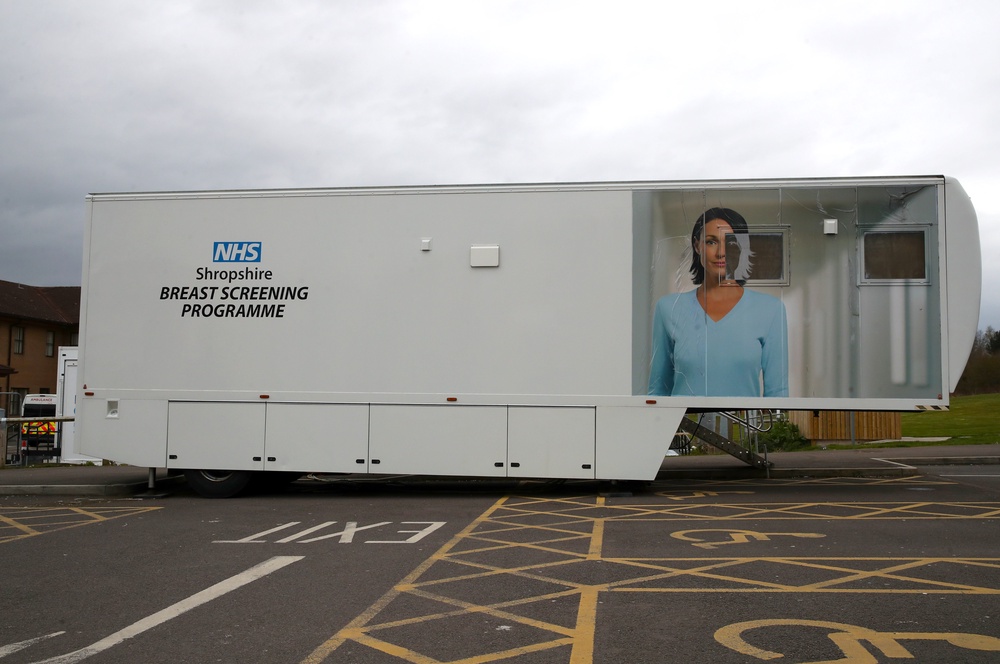
The technology will be used to help specialists review images taken as part of the NHS breast screening programme.
At the moment, two specialists are needed to check images taken from each patient.
The trial will test if AI can assist one specialist in reviewing images, helping to free-up radiologists' time and reduce waiting lists.
It will also help look for cancer that may be too small to see or feel.
Experts stressed “all clinical decisions” will remain with NHS staff.
Women will be given the opportunity to attend screening as usual, but now the invitation will include details of the trial, as well as the choice to opt-out.
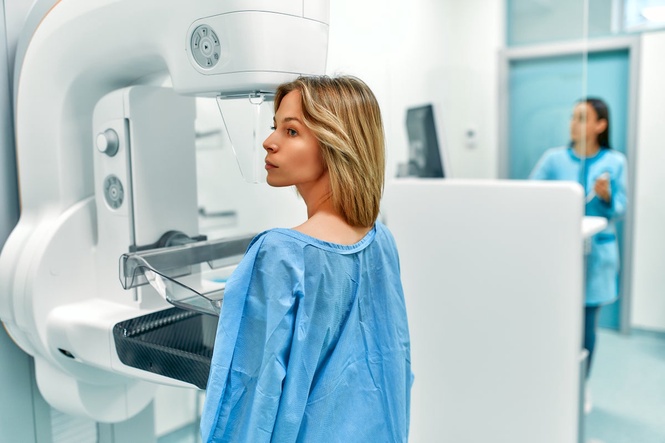
The health service invites women for a mammogram – an X-ray of the breast – every three years from the age of 50 until their 71st birthday as part of the programme.
Sian Taylor-Phillips, National Institute for Health and Care Research professor and professor of population health at the University of Warwick, said: “AI-assisted technology could support staff by flagging areas of a mammogram where cancer might be missed to improve early cancer detection.
“We have rigorously tested four AI systems for accuracy and will use these safely and transparently.
“Importantly, all clinical decisions during Edith will remain with NHS staff.”
However, radiologists stressed AI is not a “quick fix” to current issues.
Dr Stephen Harden, president of the Royal College of Radiologists, said: “Breast screening mammograms are usually read by two highly trained clinical radiologists, and this research could show how AI can safely act as a second pair of eyes, increasing capacity and helping us deliver faster, more effective care.
“But in the meantime, patients are facing long, anxious waits for scan results because of a dire shortage of radiologists.
“Our research found that more than a fifth of the breast radiology workforce is due to retire by 2030, while it has only grown by an average of 2% in the past five years.
“This trial has real potential to free up radiologists’ time, but it won’t be a quick fix to the immediate need for more radiologists to ensure patients can get prompt answers about their health.”
Speaking on a visit to the trial team at Addenbrooke's Hospital, Health Secretary Yvette Cooper said: “If successful, this technology could help women get a breast cancer diagnosis and start treatment much more quickly, giving them the best possible chance of recovery.
“AI has huge potential, but we also need proper safeguards in place to make sure we’re using it safely and effectively to improve treatment and research.”
NHS figures show 2.75 million women were invited for breast screening in 2024/25, 10% higher than the previous year.
Around 70% took up the offer.
In the UK, around 59,000 cases of breast cancer are diagnosed each year.
Professor Kevin Dunbar, deputy director of public health at NHS England, said: “Edith will help build the evidence we need, while ensuring patient safety, quality and the expertise of screening professionals remain at the heart of the programme.”
Hannah Maybour, head of public affairs and campaigns at the charity Breast Cancer Now, said: “Breast screening is a vital tool in detecting breast cancer early, when treatment is most effective, meaning more lives can be saved, so it's hugely encouraging to see trials and investment into technologies that could improve detection such as Edith.
“It's estimated that one third of breast cancers in England are diagnosed through screening, most at an early stage.
“We know breast screening services are facing considerable workforce pressures.
“If this trial shows that AI-assisted mammogram reading is as safe and effective as the current process, it could help ease some of these pressures by reducing the need for two specialists to review every mammogram to one, freeing up valuable clinical time.”
‘Our daughter died of breast cancer at 17. Her legacy could save others’
AI being used to target benefit claimants, DWP confirms
Trump, Putin and Xi meet ahead of unprecented summit as China rolls out red carpet
Crowds evacuated from Manchester Co-op arena as police declare major incident
Post Office reveals expected peak posting day for Christmas this year
Rents set to rise faster than house prices as data reveals where is going up the most