

The moment you step into a cosy tea bar in Kuala Lumpur and breathe in the warm, fragrant steam of freshly brewed oolong, you’ll feel something shift. The scent carries you from the urban bustle of Malaysia’s capital into the misty mountains of China’s Fujian or Yunnan provinces. In that brief pause between steep and sip, you discover something more than a drink: a bridge between cultures. That was how I felt when I ordered a golden oolong milk tea from a Chinese‑brand spot in Shah Alam, and heard the cheerful ring of the barista’s timer, the soft pop of the lid, and that first sweet, smoky sip. It wasn’t just refreshment it was a mini journey.
As Malaysia’s beverage landscape evolves, the dance of tea is changing. While local favourites like teh tarik remain beloved, a new wave of Chinese‑style teas is stirring attention, particularly among younger drinkers. According to a recent report, the tea‑beverage market in Malaysia was valued at US$64.6 million in 2022 and is projected to grow by 6.6 % from 2024 to 2028. The rise is driven by Chinese chains such as CHAGEE and Mixue, which are rapidly expanding across the Klang Valley and beyond. (Malay Mail)
This article explores eight of the most popular Chinese‑tea drinks now thriving in Malaysia what they are, where to find them, and how they reflect bigger cultural and tourism dynamics.
1. Fresh Leaf Milk Tea – “Original Leaf Fresh Milk” Style
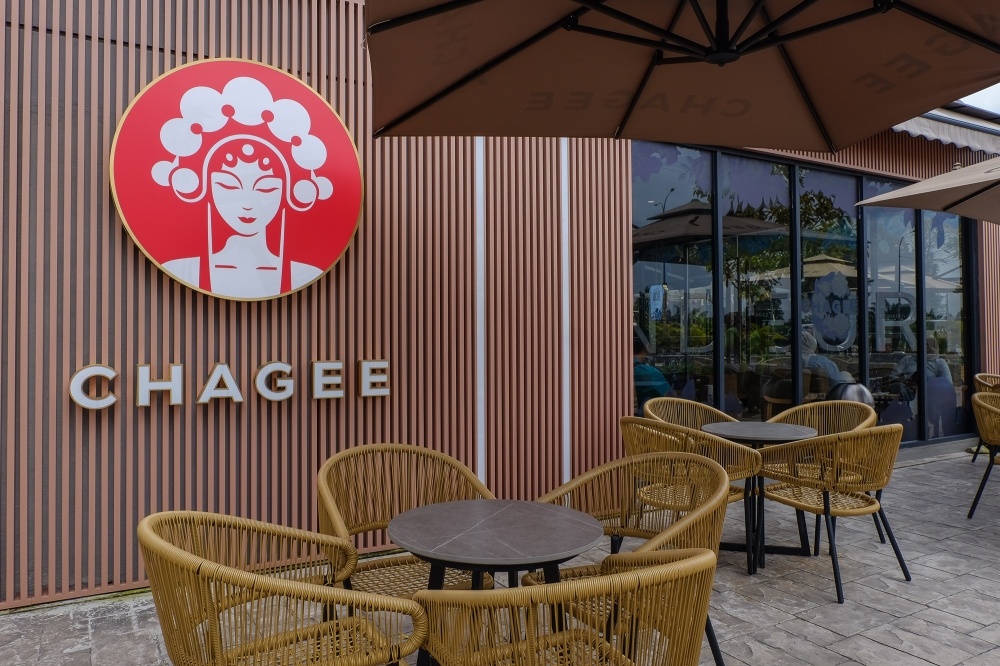
Imagine: clear glass, slightly jade‑tinged liquid, a sound of tapping. That is the signature of CHAGEE’s “original leaf fresh milk tea”. The brand describes itself as dedicated to “resuscitating and reintroducing Chinese tea culture to the world” with a modern twist. (Chagee)
Why it stands out
- It uses whole fresh‑tea leaves (rather than low‑grade tea dust) and fresh milk.
- The texture is smooth, the sweetness moderated. A Malaysian consumer quoted: “Chagee’s wasn’t as sweet to my liking.” (Malay Mail)
- The brand’s presence shows how Chinese tea heritage has entered the Malaysian urban scene.
Where to try it
CHAGEE outlet at Eco Grandeur, Shah Alam, Selangor.
Address: Eco Grandeur, Shah Alam, Selangor, Malaysia.
Tip: Go in the early evening for the full “bar‑tea” ambience.
2. Brown Sugar Pearl Milk Tea (Chinese Franchise Style)
While technically bubble tea, these drinks are deeply rooted in Chinese chains and Chinese milk‑tea culture. Brands like Mixue & others are making rich inroads. (Malay Mail)
Drink features
- Brown sugar syrup swirls, chewy tapioca pearls, fresh milk or tea base.
- Visual appeal plays a huge role (instagrammable swirls).
- Familiar but with Chinese brand identity and Chinese tea‑leaf sourcing.
Where to try
For example: G‑71, Mitsui Shopping Park LaLaport Kuala Lumpur, 2 Jalan Hang Tuah, Bukit Bintang, 55100 Kuala Lumpur. (Chain: Ben Gong's Tea) (Trip.com)
Address: G‑71, LaLaport Bukit Bintang, Kuala Lumpur.
3. Chinese Herbal Tea Blends
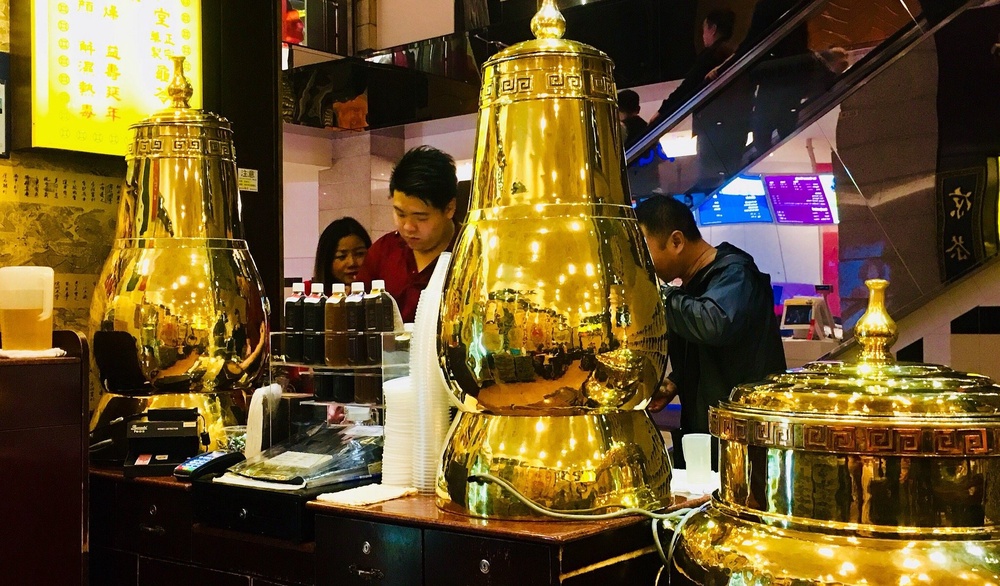
These teas take roots in Chinese herbal traditions but adapted for urban Malaysia. One classic Kuala Lumpur venue is Koong Woh Tong, Jalan Petaling, which serves Chinese herbal infusions believed to bring wellness. (Tripadvisor)
What you’ll find
- Bitter‑sweet herbal brews, often served in ceramic jars.
- Some combine chrysanthemum, honeysuckle, licorice with tea leaves.
- A quieter, more contemplative tea moment compared with flashy bubble‑tea stores.
Where to try
Koong Woh Tong, 23A Jalan Petaling, Kuala Lumpur, Wilayah Persekutuan Kuala Lumpur, Malaysia.
Tip: Visit late morning when herbal blends are fresh‑brewed.
4. Premium Traditional Chinese Tea Varieties (Oolong, Wuyi Rock, Pu’er)
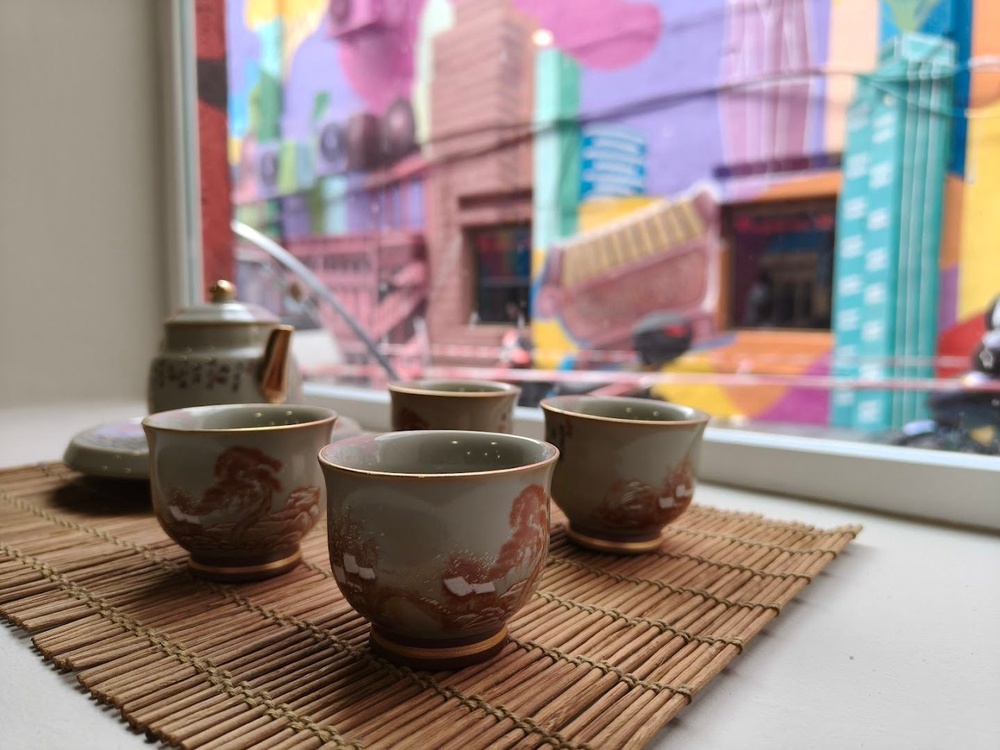
In Kuala Lumpur you can also find specialist tea houses that bring in high‑grade Chinese teas. For example, one list of “Top 10 Chinese Tea Brands in Malaysia” mentions shops specialising in Wuyi rock tea, Jianyang white tea and TongMuGuan black tea. (Bello Bello)
Why these matters
- The tea is steeped in Chinese terroir, production and aging.
- It offers a tea experience rather than quick drink slow sipping, aroma, appreciation.
- For tourists and locals seeking authenticity, these venues give depth.
Where to try
Evergreen Tea House 万年青茶艺中心, 62‑66 Jalan Sultan, City Centre, 50000 Kuala Lumpur. (Wanderlog)
Address: 62‑66 Jalan Sultan, Kuala Lumpur.
5. Fruit & Fresh Leaf Tea Hybrids
A newer trend: Chinese‑tea brands blending fresh fruit and high‑quality tea leaves. For instance, Tatler Asia reports Chinese chain Auntea Jenny (and others) offering red glutinous‑rice milk tea and fresh‑fruit teas. (Tatler Asia)
What to look for
- Tea base from Chinese leaves + local-ish fruits (mango, pomelo, yuzu)
- Cold versions dominate; served with ice, fruit chunks, tea foam
- Appeal to health‑conscious and social‑media thirsty audiences
Where to try
Hi Tea Malaysia, Rooftop, 16th Floor, Kompleks Selangor, Jalan Sultan, City Centre, 50000 Kuala Lumpur. (hiteamalaysia.com)
Address: Rooftop 16F, Kompleks Selangor, Jalan Sultan, Kuala Lumpur.
6. Chinese Tea‑Bar Premium Concept
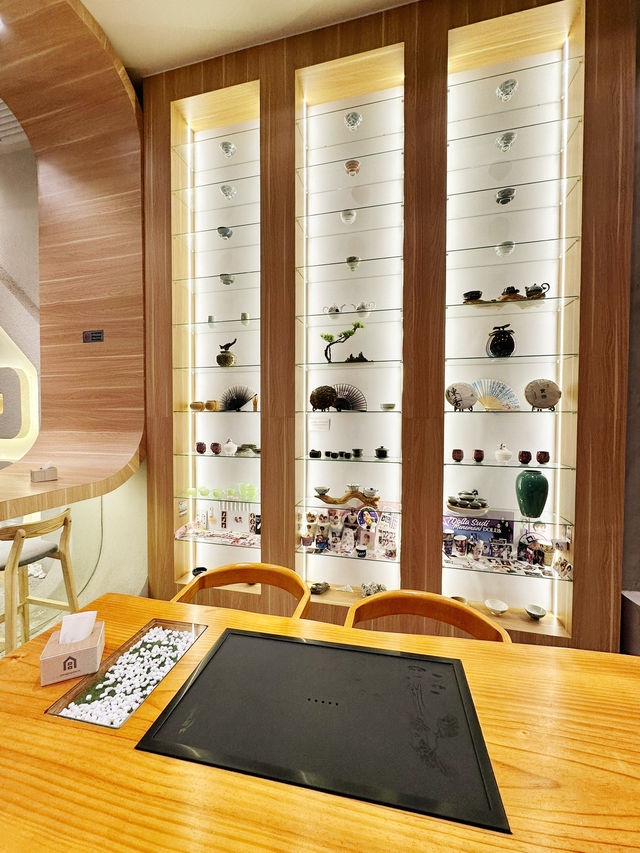
Not just quick takeaway cups some tea houses in Kuala Lumpur adopt a premium, bar‑like atmosphere. This provides space to “sit down and savour” rather than rush. According to lifestyle coverage, tea houses in KL and Selangor are offering everything from classic Chinese teas to modern brews. (Lifestyle Asia)
Experience elements
- Teawares, ceramics, tea masters
- Sampling sets, guided tastings
- Pairings with snacks (dim sum, light bites)
Where to try
Lady Yi’s Tea House, Level 7, Four Points by Sheraton Kuala Lumpur, Chinatown, 2 Jalan Balai Polis, City Centre, 50000 Kuala Lumpur. (Klook Travel)
Address: Level 7, Four Points, 2 Jalan Balai Polis, Kuala Lumpur.
7. Local Tea Culture Meets Chinese Tea Influence – The Hybrid Cups
Some Malaysian cafés are blending local tea‑culture (kopitiam, teh tarik) with Chinese tea leaves or concepts. While not purely Chinese, they show how Chinese‑tea culture is interweaving locally. The “rise of tea chains in Malaysia” article emphasises how younger consumers are shifting toward tea‑based beverages with diverse flavour and customization. (Brand360)
What you’ll notice
- Malaysians can choose sweetness level, ice level, teas from Chinese leaves
- Tea shops offer milk‑tea, fruit‑tea, cheese‑foam tea: all influenced by Chinese chains
- The social scene shifts: tea becomes more than breakfast; it’s afternoon hang‑out, dessert, outing
Where to observe this hybrid trend
Tea+ @ The Gardens Mall, Lot LG206, LG Floor, Mid Valley City, 59200 Kuala Lumpur. (My Blog)
Address: Lot LG206, Mid Valley City, Kuala Lumpur.
8. Cold‑Brew & Health‑Oriented Chinese Tea Variants
As health‑consciousness grows, Chinese tea brands present cold‑brew options, lightly sweetened, using premium leaves. The “Top 10 Chinese Tea Brands in Malaysia” list notes Rustea offering Osmanthus Oolong, White Peach Oolong, accessible for both hot and cold brew. (Bello Bello)
Why it’s appealing
- Suits Malaysian tropical climate (cold version)
- Perception of premium ingredients and lower sugar
- A step away from syrup‑heavy bubble tea
Where to try
Taste Tea House 半日茶闲, 77‑1 Jln 1/17, Taman Fadason, 52000 Kuala Lumpur. (Lemon8)
Address: 77‑1 Jln 1/17, Taman Fadason, Kuala Lumpur.
Tea and Tourism: More than a Drink
Tea today does more than quench thirst. It is part of Malaysia’s tourism narrative and social fabric.
- Social Experience: Tea shops become meeting places for friends, couples, families. The 2025 coverage notes that tea, not just coffee, is the go‑to social drink among Malaysian millennials. (Food & Wine)
- Cultural Bridge: Chinese tea traditions enter Malaysia’s multicultural scene and mix with local tastes. Malaysian tea consumption is no longer purely kopitiam‑style; the young crowd embraces Chinese brand lines and aesthetics.
- Tourist Appeal: Visitors increasingly look for distinctive experiences. Tasting a rare oolong, sitting at a tea bar with tea master, or sipping a cold‑brew Chinese leaf tea in Kuala Lumpur adds to the travel story.
- Branding & Economy: The growth of tea chains (like CHAGEE’s global rollout, raising US$411 million in a U.S. IPO) shows the business side of tea culture. (Reuters)
- Cultural Identity: Tea evokes heritage. Even though the brands may be modern, they call back to Chinese tea‑leaf craftsmanship, regional terroir, family lineage. They position themselves beyond trendy drink they offer tradition with a twist.
For Malaysia’s tourism ecosystem, tea house visits can be embedded into cultural tours: Chinatown tea houses, artisan loose‑leaf tea sessions, afternoon tea sets with Chinese tea. These experiences diversify the typical “street‑food & night‑market” itinerary and offer more gentle, intimate moments.
When you walk away after that last sip of warm golden‑brown tea, feeling the subtle aftertaste of roasted leaves and milk, you realise you’ve done more than quench a thirst. You’ve tasted part of a story. A story of trade, migration, adaptation, culture. In Malaysia, where ethnicities converge, your teacup becomes a microcosm of connection. From the high‑energy bubble‑tea franchise in Shah Alam to the hushed premium tea house in Kuala Lumpur, Chinese tea culture has found a new home here.
And for you the curious traveller or resident you hold in your hands not just a drink, but a narrative of blending, of evolving taste, of cultural dialogue. Next time you lift that cup, slow down. Listen to the quiet hiss of the lid, watch the cream swirl, smell the leaf. It’s not only about flavour it’s about belonging, migration, adaptation, and identity. Malaysia’s tea‑story is still brewing. Be part of it.
AM World (tameer.work88@gmail.com) is a content creator under the Newswav Creator programme, where you get to express yourself, be a citizen journalist, and at the same time monetize your content & reach millions of users on Newswav. Log in to creator.newswav.com and become a Newswav Creator now!
The User Content (as defined on Newswav Terms of Use) above including the views expressed and media (pictures, videos, citations etc) were submitted & posted by the author. Newswav is solely an aggregation platform that hosts the User Content. If you have any questions about the content, copyright or other issues of the work, please contact creator@newswav.com.