
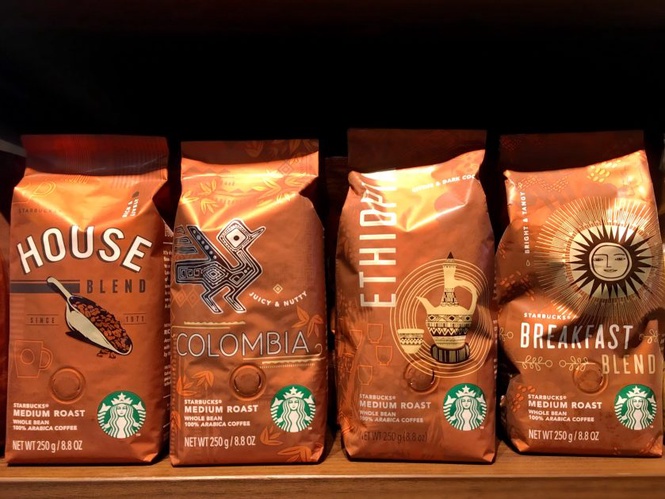
Grocery packaging is designed to catch your attention, and premium-looking labels can make an ordinary product seem more special. Matte boxes, glass jars, minimalist designs, and words like “artisan” or “small batch” can all create a higher-end impression. But the product inside may not be dramatically different from a less expensive option sitting nearby. When grocery prices are already stretching household budgets, paying extra for presentation can be an easy expense to overlook. Here are nine grocery categories where comparing the package with the product inside could help you keep more money in your cart.
1. Pasta in Decorative Boxes
Pasta is one of the easiest grocery items to compare because the basic ingredients are usually straightforward. Yet some brands use elaborate boxes, specialty fonts, and descriptions about traditional production methods to create a premium appearance. A less expensive box may contain the same basic ingredients and work just as well for an everyday pasta dinner. Specialty pasta can have legitimate differences in shape, ingredients, or production, so packaging alone should not determine the decision. Check the ingredients, package size, and unit price before paying more for a box that simply looks nicer.
2. Bottled Water in Designer-Looking Packaging
Water is another product where presentation can make a noticeable difference in price. Premium water brands may use glass bottles, sleek labels, or distinctive packaging to create an upscale appearance. While some products differ in mineral content or source, the packaging itself does not make the water more beneficial. If you are buying water for everyday drinking, compare the cost per ounce rather than choosing based on the bottle design. A reusable bottle and filtered tap water may also be options worth considering, depending on your local water quality and preferences.
3. Olive Oil in Dark Glass Bottles
A dark glass bottle can make olive oil look like a specialty pantry product, and sometimes the oil inside genuinely is different. Extra virgin olive oil, origin, harvest date, and certification can all matter when comparing products. However, a fancy bottle does not guarantee better quality. Look for the grade of oil, country or region of origin, harvest information when available, and certification rather than relying on the label design. If you primarily use olive oil for everyday cooking, compare those details and the price per ounce before choosing the most expensive bottle.
4. Coffee in Premium Bags and Tins
Coffee packaging has become increasingly elaborate, with specialty bags, colorful artwork, and descriptions that emphasize particular regions or roasting techniques. Some premium coffees do offer different beans, roast profiles, or sourcing practices, but the packaging itself does not determine the quality of the coffee. Compare the roast, bean type, origin, and price per ounce before deciding what belongs in your cart. If you already know which flavor profile you enjoy, an attractive package may not be worth paying extra for. Store brands and less expensive roasters can also offer suitable options for everyday coffee drinkers.
5. Jarred Pasta Sauce
Pasta sauce is another category where a glass jar and carefully designed label can make a basic pantry staple appear gourmet. Some premium sauces contain higher-quality ingredients or different recipes, but others may simply cost more because they are positioned as specialty products. Check the ingredient list for tomatoes, oils, added sugar, sodium, and other ingredients that matter to you. Comparing the unit price can quickly reveal how much you are paying for the sauce itself. If you are already adding meat, vegetables, or seasoning at home, an expensive sauce may not provide enough of a difference to justify the higher price.
6. Granola and Specialty Cereals
Granola often comes in attractive bags or boxes featuring natural colors, photography, and claims about ingredients. That presentation can make the product feel more nutritious or premium than standard cereal. However, granola can contain significant amounts of added sugar and calories, so the front of the package does not tell the whole story. Read the Nutrition Facts panel and ingredient list before comparing brands. If you mainly want oats, nuts, and dried fruit, you may also find less expensive options that provide similar ingredients without the premium presentation.
7. Spice Blends in Glass Jars
Spices are small products that can carry surprisingly large price differences. A glass jar with a specialty label may cost considerably more than a basic plastic container holding a similar blend. The ingredients can often tell you more than the packaging, particularly when comparing common combinations such as Italian seasoning, taco seasoning, or poultry seasoning. Check how much you are getting and compare the unit price rather than the sticker price alone. Buying individual spices can also make sense if you already have most of the ingredients needed for a blend.
8. Flavored Sparkling Water

Flavored sparkling water has become a popular alternative to soda, and some brands use sleek cans and upscale branding to stand out. However, many products are simple combinations of carbonated water and flavoring. Check the ingredients and Nutrition Facts panel rather than assuming a more expensive brand is significantly different. If you drink sparkling water regularly, even a small price difference per can can become noticeable over several grocery trips. Buying larger multipacks or choosing a store brand may help lower the cost without changing the basic beverage you are purchasing.
9. Packaged Nuts and Trail Mix
Nuts already tend to be more expensive than many other snacks, and premium packaging can push the price even higher. Small bags with resealable designs, specialty flavors, and upscale branding may cost significantly more per ounce than larger containers of basic nuts. Trail mixes can have even bigger differences because manufacturers combine nuts with dried fruit, chocolate, or other ingredients. Compare the ingredient list and unit price before buying a premium mix. You may also save money by purchasing the ingredients separately and creating your own combination at home.
What to Look at Before Paying for Premium Packaging
Premium packaging is not automatically a bad purchase, and some higher-priced products genuinely offer different ingredients, sourcing, or production methods. The problem comes when the package becomes the main reason you assume a product is better. Look at the ingredient list, Nutrition Facts panel, package size, and unit price before making the final decision. If two products are similar but one costs significantly more, ask whether the difference comes from the food itself or simply how it is presented. That quick comparison can help you spend more intentionally without giving up the products you enjoy.
What To Read Next
How Smart Packaging Is Transforming Food Waste and Grocery Inventory