
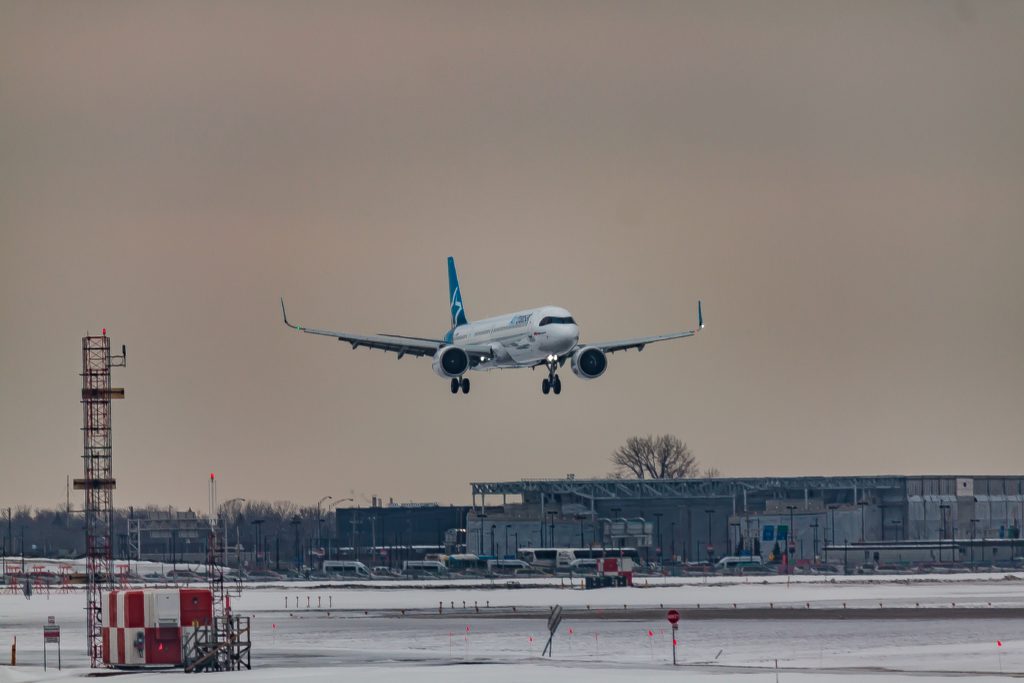
I miss travelling. I miss going to another country and breathing in the scents that accompany me as I stepped off the aeroplane (although I’m sure avid travellers know that sometimes some scents should never be remembered). I missed being welcomed with blooming flowers or the splattering rain or thick snow falling outside. But one of the things I did not miss is the feeling I get when there’s turbulence or air pocket or worse, strong winds that causes the aeroplane to sway violently.
I used to not have trouble flying. Once I’m seated comfortably and I have my earphones plugged in, I can go for hours not visiting the lavatory and just sleep through the whole flight. But now that I’m older, I realised that I could feel the slightest “shake” and my heart would start to pound. I cannot sleep throughout the whole flight anymore and when the seatbelt sign is turned on, I would pray quietly. Maybe I have watched too many Final Destination movies.
I imagine being a pilot would be more stressful. You’re responsible for the lives of those on board and you have no control over the weather or what’s ahead of you – including birds. And another thing you have no control over is the location of the world’s airports. Let’s check out some of the world’s hardest airport landings that would need the best and seasoned pilots to land.
1) Lukla Airport, Nepal

The Tenzing-Hillary Airport in Lukla, Solukhumbu district, Nepal is reputed as an extreme airport. The airport was built in 1964 under the supervision of Sir Edmund Hillary, a famous mountain climber and New Zealander. The runway was intended to be built on farmlands but since the locals were unwilling to give up their lands, they decided to build the runway at an altitude of 2,860 metres in a tiny outcrop nestled amongst the world’s tallest mountains. Until 2001, the runway was not even properly paved.
The runway is 527 metres long and 30 metres wide and ends at a steep drop to the valley below. Due to the dangerous runway, pilots are required to have over one year of Short Takeoff and Landing (STOL) experience and complete at least ten missions into Lukla with a certified instructor pilot.
However, there have been 10 crashes at this site to date. Despite that, Lukla Airport has about 20 to 30 aircraft landings every day during peak periods.
2) Paro Airport, Bhutan
The Paro International Airport in Bhutan is the only international gateway out of the four airports in the country. Paro Airport is located at an elevation of 2,244.5 meters while it is surrounded by steep mountains that reach above 5,486 meters. The runway itself is only about 1,981 meters in length. But this isn’t the main reason it is known to be dangerous.
There are only 20 certified pilots in the whole world that can land at Paro Airport. This is because pilots need to go on manual mode for landing since Paro Airport has no radar. Usually, airports have at least 10 nautical miles for pilots to gauge an aligned approach but at Paro, there’s only about 2 nautical miles distance before landing. Many pilots said that it is only a brief moment when the runway is visible to them before landing — which is done as pilots manoeuvre between mountainous terrain, being careful not to hit electrical poles or house roofs at the hillside and drop at a 45° angle before landing.
3) Juancho E. Yrausquin Airport, Dutch Caribbean

Saba is a small island in the municipality of the Netherlands and is located in the Caribbean. The airport was named after the finance minister of the former Netherland Antilles in the 1960s. Saba Island has only about 2,000 inhabitants and 13km² of land. The history of the island is interesting. Only a few years ago, Saba Island was ruled by Jamaican pirates.
Being the smallest commercial airport in the world, the runway is only 396.2 meters long. The other difficult feature is that the runway is squeezed between the sea on one side and the mountain range on the other side. It would be safer to take the ferry or swim instead!
4) McMurdo Station, Antarctica

McMurdo Station is a United States Antarctic research station. It is built on bare volcanic rock on Hut Point Peninsula on Ross Island. Established in December 1955, it is the logistics hub of the U.S. Antarctic program. It has a harbour, landing strips on sea ice and shelf ice and a helicopter pad.
The temperature here is cold. Extreme temperature recorded was as low as -50°C and as high as 8°C. Drifting snow can accumulate about 1.5 metres per year but the station would become snow-free during the summer, which was when the two landing strips were built. The best part about landing here is that pilots can land from any direction on the strips, depending on the prevailing sea ice conditions. The challenge comes in the winter when it is dark 24/7 and there is not enough lighting so most pilots land blind.
5) Barra International Airport, Scotland

Barra International Airport is the only airport in the world that scheduled flights and landings depends on the tides. Located in the Outer Hebrides which is a far outpost of Britain in the North Atlantic, there are only about 1,200 inhabitants on this island and most of them spoke the Gaelic language. Only small aircraft can fly to Barra International Airport via Loganair.
Aircraft would land on sand only a few feet away from the beach. There is no runway and passengers would often be walking on sand towards a quaint building nearby — the “airport”. Oftentimes, rain and bad weather can cause aircraft to turn around to Glasgow Airport but because the aircraft that land in Barra are small, most pilots would brave the weather. Citizens on the island would usually fly in or out to visit family members in Glasgow or purchase household items that are not easily found on the island.
6) Congonhas Airport, Brazil

Congonhas Airport was built in the 1930s and is located in Brazil’s largest city, Sao Paulo. It is considered one of the most dangerous airports due to its location with high mountains on one side and the sea on the other side. Now, however, the airport is surrounded by a thin strip of green and high rise buildings. The other reason for it to be dangerous is the slippery runway, which was said to be the effect of bad drainage.
The runway is only 1.93 kilometres long. There have been cases of crashes with hundreds of casualties before. One incident on a wet, dark night in 2007 happened when an Airbus 320 tried to land, skidded and careered through the perimeter fence, crossing a busy road and burst into flames at a nearby petrol station and cargo warehouse.
7) Gisborne Airport, New Zealand

Imagine you’re in the aeroplane and you look down to see there are railway tracks crossing the runway so you rub your eyes thinking that maybe your eyes are playing tricks on you but truth is, no, it is not a trick.
Gisborne Airport is located in the suburb of Elgin, 4.2 kilometres away from the city centre of Gisborne. The Palmerston North-Gisborne Line is the railway line that crossed the runway. There has to be precise input from the airport tower to pilots on when they can land so that it does not interfere with the railway schedule.
Aliza M. is a content writer under Headliner by Newswav, a programme where content creators get to tell their unique stories through articles and at the same time monetize their content within the Newswav app.
Register at headliner.newswav.com to become one of our content writers now!
*The views expressed are those of the author. If you have any questions about the content, copyright or other issues of the work, please contact Newswav.