.jpg)
What’s a Healthy Malaysian Breakfast?
Mihar Dias
(C) Copyright December 2021
A health and wellness enthusiast, asked me what dishes could be included in her list of healthy Malaysian breakfast. Or if I could not think of such dishes, how then could we create a menu that would make Malaysian breakfast more healthy?
A tall order for me who is neither a full time nutritionist nor a chef. But I thought such a question deserves my attention and is worth exploring.
I told her I could just offer my views as an observer and a behaviourist who loves food but quite cautious of what I eat and tend to avoid greasy, oily food for health reasons
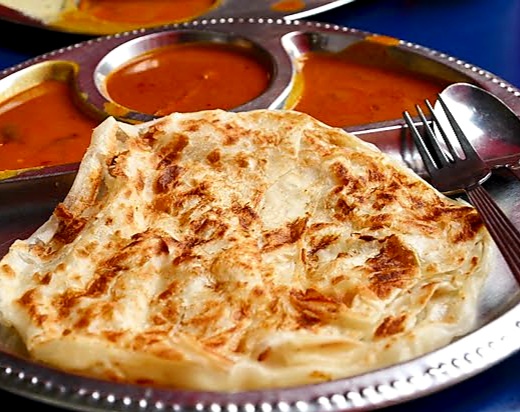
A typical tasty Malaysian breakfast, I told her, is oily, fried and full of carbohydrates. “Roti canai” with curry is generally considered a Malaysian staple.
There is a roti canai shop at every corner in the country. Most would couple the dish with a cup of very sweet milky “teh tarik” before rushing off to work. A definite recipe for diabetes in later life.
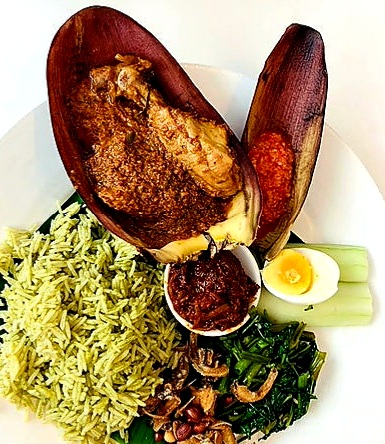
Then there is the nation’s favourite “nasi lemak” with boiled egg, sambal, peanuts, fried anchovies, chili sauce and cucumber. Some authorities say this is a healthy meal. But if you were to add rendang, fried beef lungs, prawns and cockles in sambal, to it, the dish is no longer healthy.
Next is a variety of fried rice, noodles and wheat flour-based capati or “tosai”. The latter is an Indian pancake made with sour fermented rice flour. Amongst them, capati perhaps might be considered a healthier option, because it is not oily.
Among the Chinese community, there is the most loved fat laden “bak kut teh” which had caused blocked arteries amongst many of my fellow workers who frequent these places.
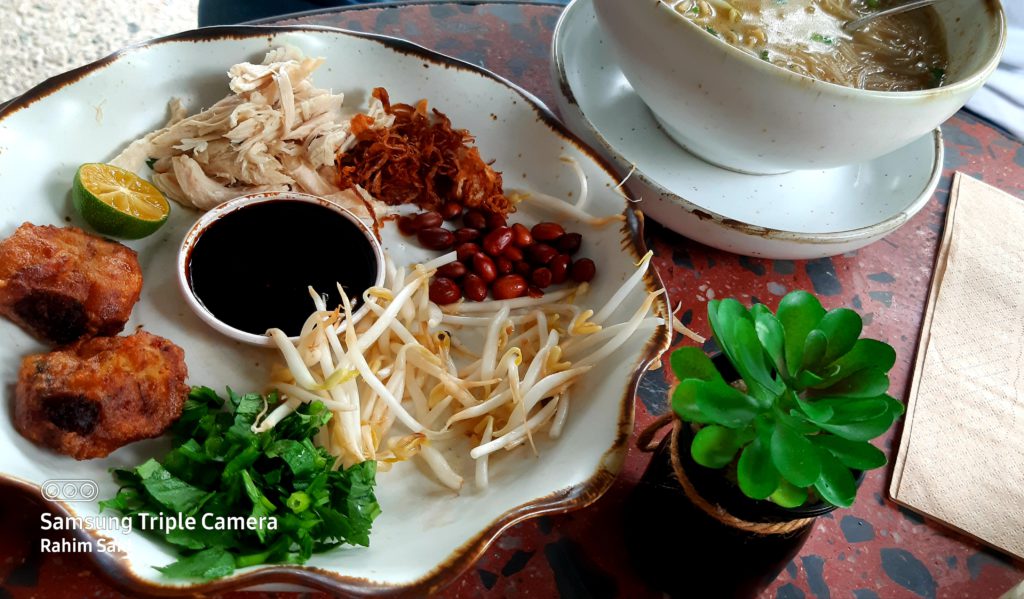
For Malays there is “lontong” with thick coconut sauce served with beef rendang and calamari in chili sauce or “soto ayam”, a soupy meaty vermicelli dish with potato-beef patties and bean sprouts. Both dishes are served with rice cubes. Of the two “soto” might be less oily and more healthy.
Some places, like a restaurant in Sri Kembangan serves fresh satay for breakfast. Grilled lean beef or chicken could be healthy provided they use lean meat But when soaked in thick spicy sweet peanut sauce they might pose a threat to health.
On the other hand, in the padi growing regions of Kedah, Kelantan and Terengganu they serve rice with a full array of dishes in the morning. In Kelantan it’s known as “nasi berlauk” which means dishes, to accompany your hot steamed rice.
The last two states pride themselves with being home to “nasi dagang” made of semi-glutinous rice eaten with beef or tuna fish curry.
Similarly, in Kedah you might get plain glutinous rice served with salted fish and freshly grated coconuts.
Glutinous rice is high in sugar content. A dish of glutinous rice would send a diabetic scurrying for insulin.
However, these dishes are freshly made on a daily basis and served hot. So, they should be considered healthy then because they are fresh? But my friend, the health enthusiast, said that was not good enough to qualify as a healthy breakfast.
She replied that a healthy breakfast should contain good carbohydrates rich in nutrients, fruits and vegetables, lean meat and a little fat.
How then do we make these tasty food in our daily breakfast, that we are accustomed to, more healthy?
Can you help?
Mihar Dias is a content writer under Headliner by Newswav, a programme where content creators get to tell their unique stories through articles and at the same time monetize their content within the Newswav app.
Register at headliner.newswav.com to become one of our content writers now!
*The views expressed are those of the author. If you have any questions about the content, copyright or other issues of the work, please contact Newswav.