
I’m not very keen on exercising. I have a natural aversion to activities that make me sweat and flushed so I have disliked working out since I was young — even just a short jog on the treadmill. However, when Covid-19 came and we had the Movement Control Order, my husband bought a treadmill and I ended up jogging daily because I was bored and hated feeling tired all the time for not doing anything much at home. And wow, things certainly changed for me and I felt a significant difference in myself.
How?

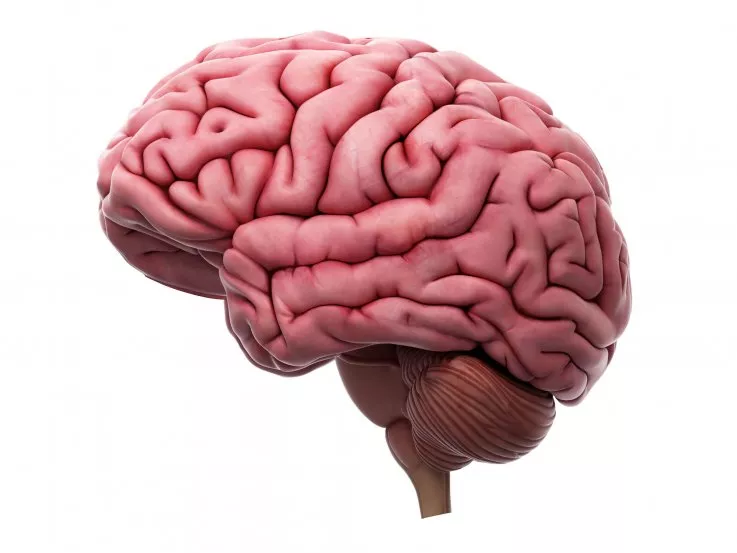
There was a study by a team of scientists from the University of Tsukuba, Japan who found that running for even a short 10 minutes can improve both mood and brain activity. This was proven when brain imaging of subjects who have jogged moderately for 10 minutes shows increased blood flow to various parts of the prefrontal cortex (the part that plays the main role in cognitive control functions by influencing attention, impulse, memory and flexibility) in comparison to those who did not run.
Apart from that, running also improves cardiovascular health, strengthen muscles and bone strength.
Since running requires your brain to process a large amount of sensory information — coordinating the movement of running and at the same time keeping you from falling, it activates your prefrontal cortex and contributes to the serotonin receptor regulation. This plays a part in improving mood and cognitive control. Blood would flow to the brain more quickly and carries more oxygen to the brain as well. This is another reason why subjects that jogged for that short 10 minutes have better memories too compared to those who were resting for a long period.
After what we learned above, can exercise also help prevent dementia or Alzheimer’s?
In case you didn’t know, Alzheimer’s disease is the most common type of dementia. It is a progressive disease which means it happens slowly and builds up through time, beginning with mild memory loss to maybe losing the ability to speak and even forgetting who they are (and the people around them).
In another study that appeared in the JAMA Open Network, more than 62,000 participants in Korea aged 65 and older (without preexisting dementia) was involved in a 6-month long study to prove if exercise can reduce the risk of dementia. The participants were told to do only light-intensity activities (such as brisk walking, washing dishes, vacuuming, etc).
The study breaks the participants into four groups: inactive, insufficiently active, active, and highly active. They found that even “insufficiently active” participants had a 10% reduced risk of developing dementia compared with “inactive” participants. Due to physical issues in some elderlies that might include frailty or comorbidities, it is not advisable to do high-intensity activities like running or jogging so light-intensity activities are good enough.
The keyword here is daily physical activities.
So, how about you? Do you like jogging too?
Aliza M. is a content writer under Headliner by Newswav, a programme where content creators get to tell their unique stories through articles and at the same time monetize their content within the Newswav app.
Register at headliner.newswav.com to become one of our content writers now!
Newswav is solely an aggregation platform and hosts the content. The views expressed and content above including media (pictures, videos, etc) were provided by the author. If you have any questions about the content, copyright or other issues of the work, please contact Newswav.