
The number of available electric vehicles (EV) in Malaysia is slowly starting to rise as carmakers are beginning to electrify their vehicle line-up. Though the EV charging infrastructure here is still premature, it hasn’t stopped early adopters from purchasing one. If you’re looking to go down the EV path but are not caught up with the selection of EVs available in Malaysia, we have taken the liberty of curating a list of all EVs available for purchase right now.
Tax exemptions for EVs in Malaysia
To give you an overview of the situation, the Malaysian government has exempted EVs from import and excise duties, sales, and road tax. However, the tax exemption duration varies for locally assembled (CKD) and full imported (CBU) EVs. CKD EVs will have a 100% tax exemption until the end of 2025. Meanwhile, CBU EVs are currently enjoying a 50% sales tax exemption, which will end on the 30th of June 2022. As for import and excise duties, they will be exempted up until the end of 2023 while road tax will be free until the end of 2025.
If you’re curious to know how the road transport department (JPJ) calculates road tax for EVs, you can find out here.
Here’s how we compiled the EV list
There are a total of 15 EV models on sale in Malaysia, not including their respective variants from a wide variety of price ranges. The EVs will be placed in three separate tiers according to the price of the highest-spec variant. Tier I will include EVs priced above RM300K while Tier II will be occupied by EVs priced between RM200K to RM299K. Finally, Tier III will be for EVs priced under RM200K. The price used is on the road without insurance.
Tesla vehicles imported by PEKEMA will also be included in this list. Even though they are grey imports, the cars do enjoy the sales tax exemption for CBU EVs. I choose PEKEMA because of the after-sales support and service they provide, including technicians trained by Tesla Singapore, software workarounds, and warranty claims from the country of origin.
You may or may not need this after-sales support given that Tesla vehicles are infamous for their poor build quality. Tesla CEO Elon Musk himself has admitted that the current manufacturing process has a tendency to produce defects in the final product. Cars.com evaluated the build quality of their own Model Y and found multiple defects ranging from cosmetic to potentially affecting the functionality of the vehicle. Even the flagship Model S, which was introduced back in 2012 still is prone to manufacturing defects today.
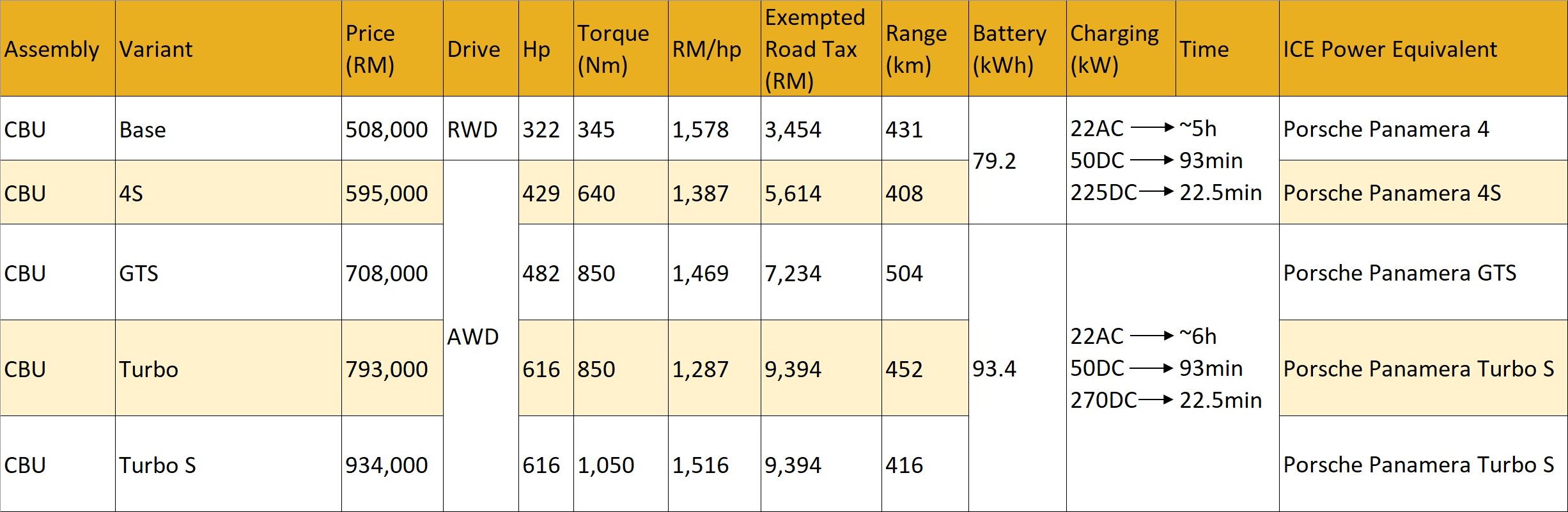
Apart from standard figures like horsepower (hp) and torque, I will also be calculating the price to performance figure (RM/hp) of the EVs on this list and will be comparing the horsepower output of the EV to a similar internal combustion engine (ICE) vehicle. Note that this comparison is purely based on horsepower output and does not take into consideration performance or class segment. For standard AC charging, the time shown is for the battery to get from 0 to 100% state of charge (SOC), while fast DC charging will be based on 0 to 80% SOC.
Lastly, the vehicle shown in the images is based on an international model and will differ from the Malaysian specification.
We tell you our EV of choice
At the end of each Tier category, there will be an Editors’ Choice section for EVs chosen by SoyaCincau editors you’ve seen covering, discussing and reviewing automotive content. So that would be Amin and Alex who have been discussing extensively about EVs on their LTA show, Rory who is the resident automotive reviewer here at SoyaCincau, and finally myself.
With that out of the way, here is the SoyaCincau EV Buyer’s Guide – May 2022 Edition
Tier I – Above RM300,000
BMW iX
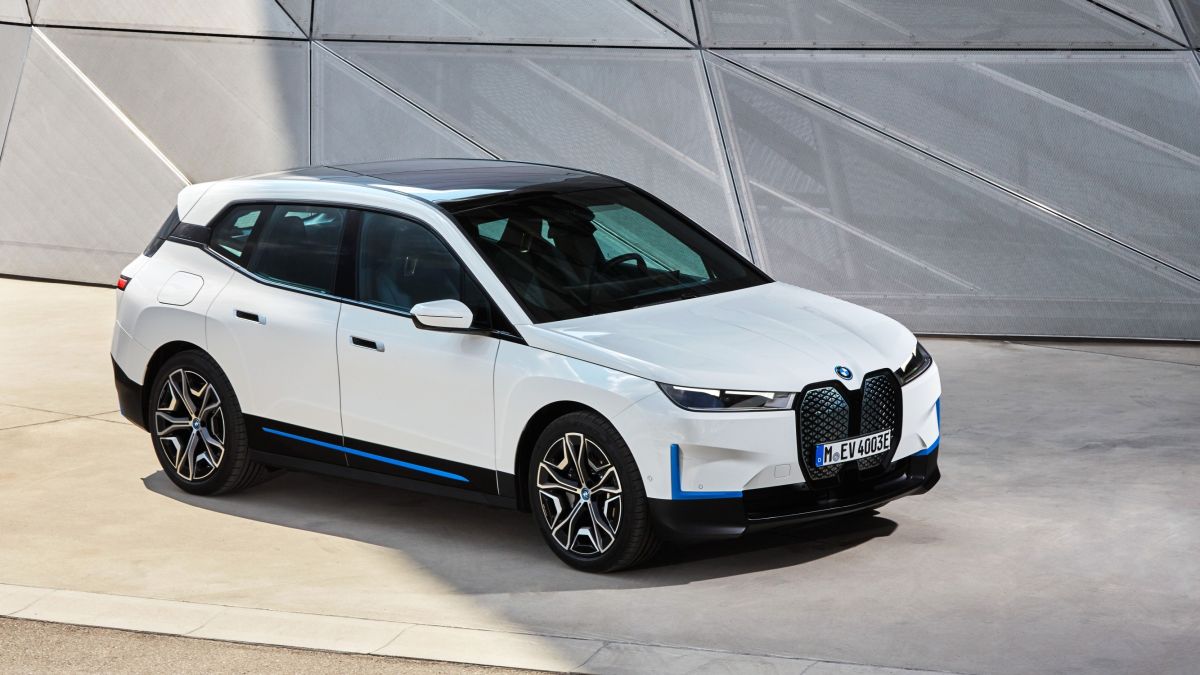
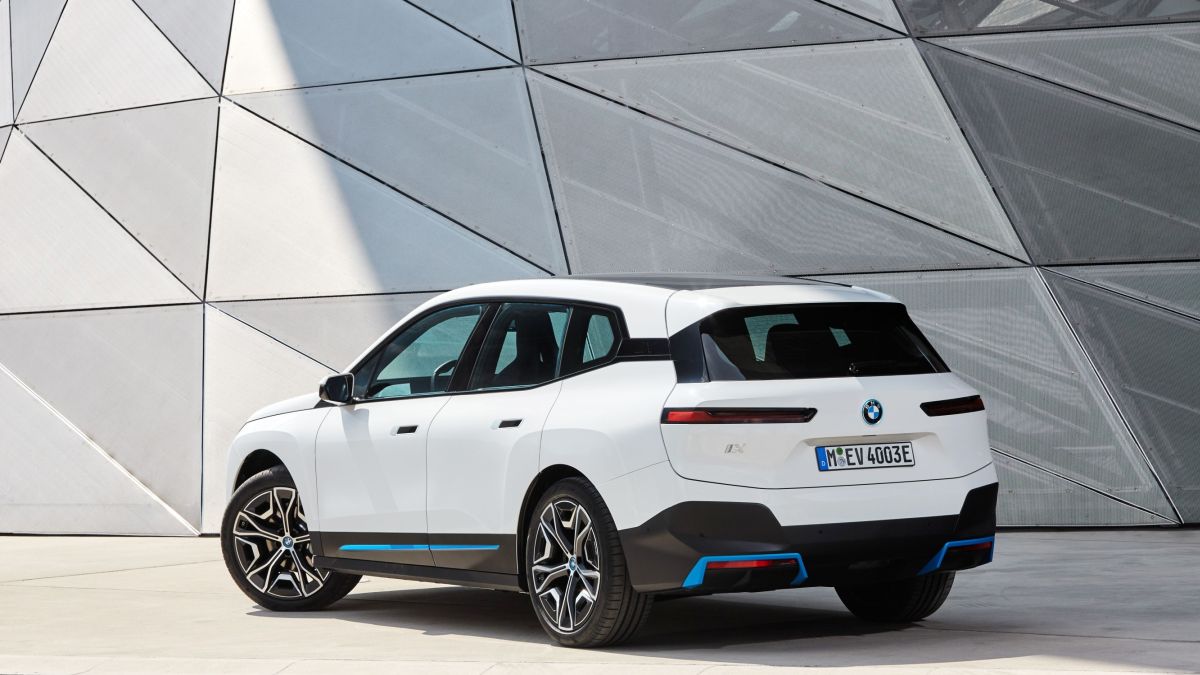
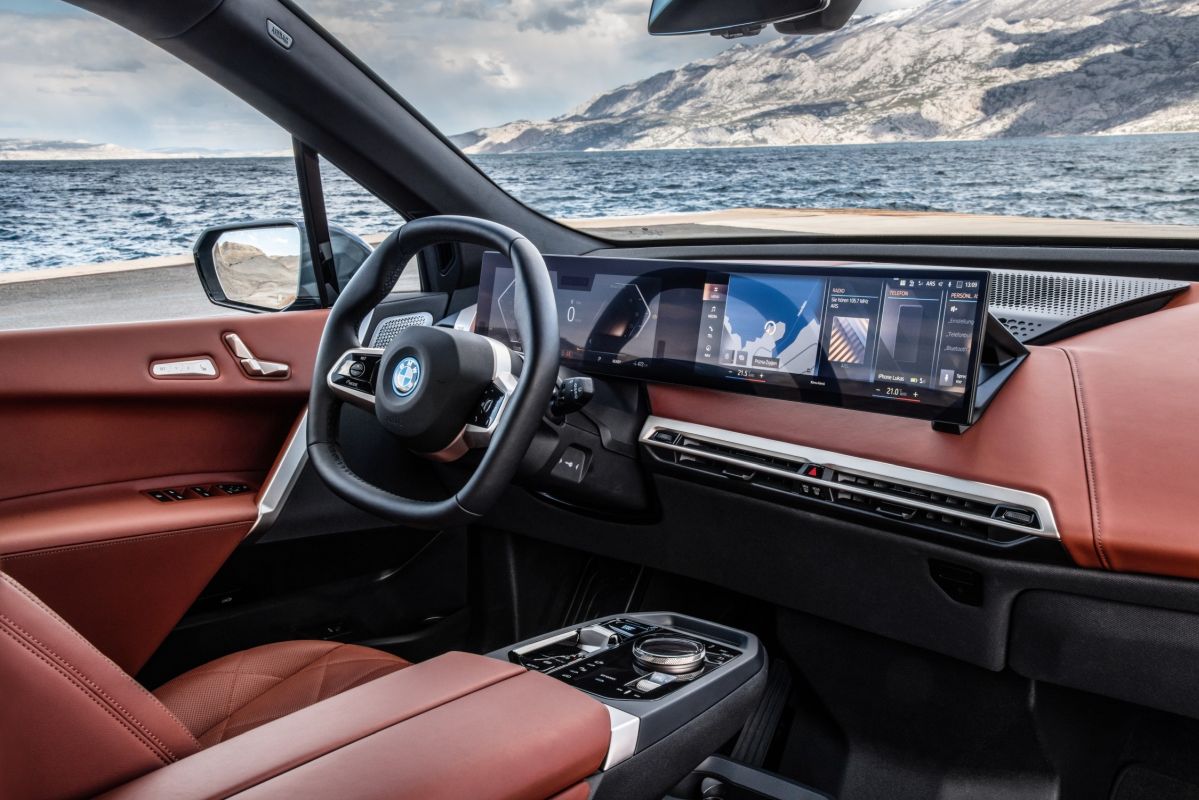
The iX is BMW’s first electric crossover and the second BMW built on a dedicated EV platform since the BMW i3 that was first launched back in 2013. Just like how the i3 had a district interior design compared to its ICE cousins, the iX debuts with BMW’s all-new interior and dashboard layout. Both the instrument panel and infotainment are now integrated into a single curved screen while the steering wheel has a hexagonal shape.

What the iX offers is an SUV that is quiet, comfortable and easy to drive, making for a good day-to-day vehicle. Moreover, it has a distinct exterior design that won’t be mistaken for any other BMW SUVs, so if you want to stand out among your BMW peers, the iX is definitely the way to go. However, being weighed down by the heavy battery and the fact that it’s an SUV, you do compromise on driving dynamics, so it might not be as enjoyable to drive as a BMW should be.

BMW iX3
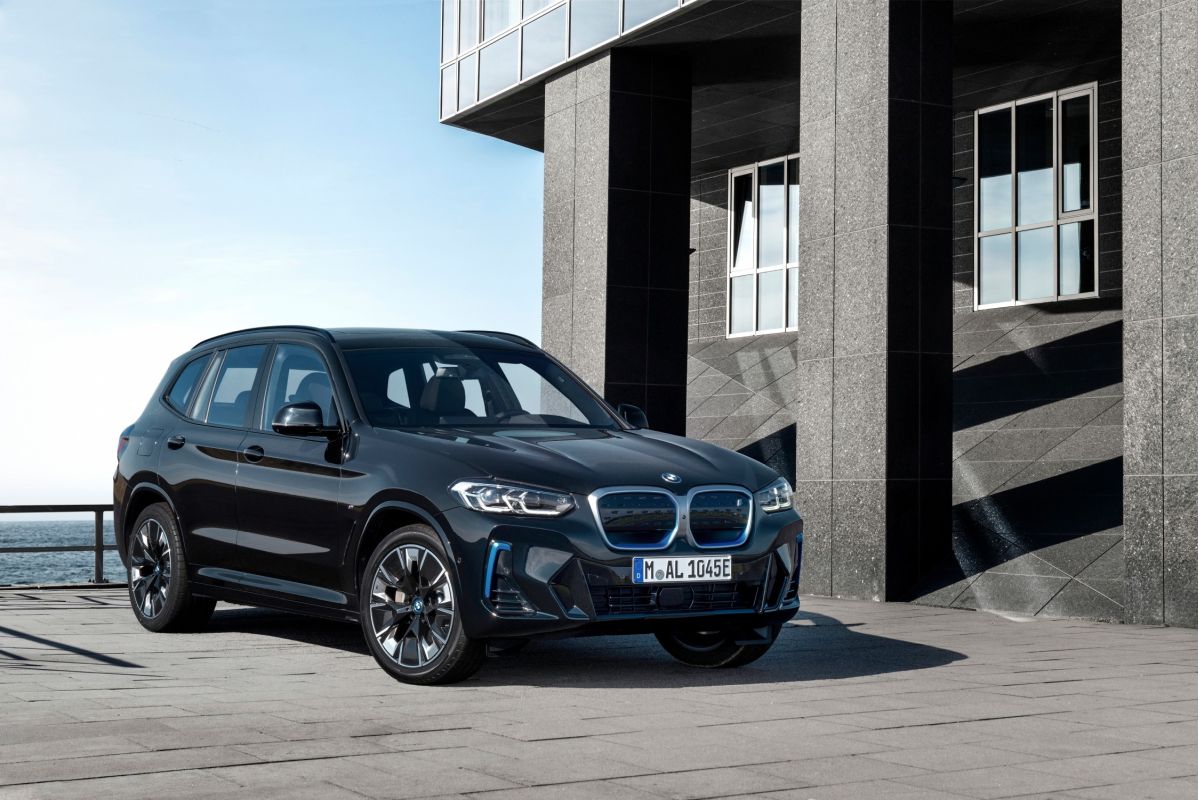
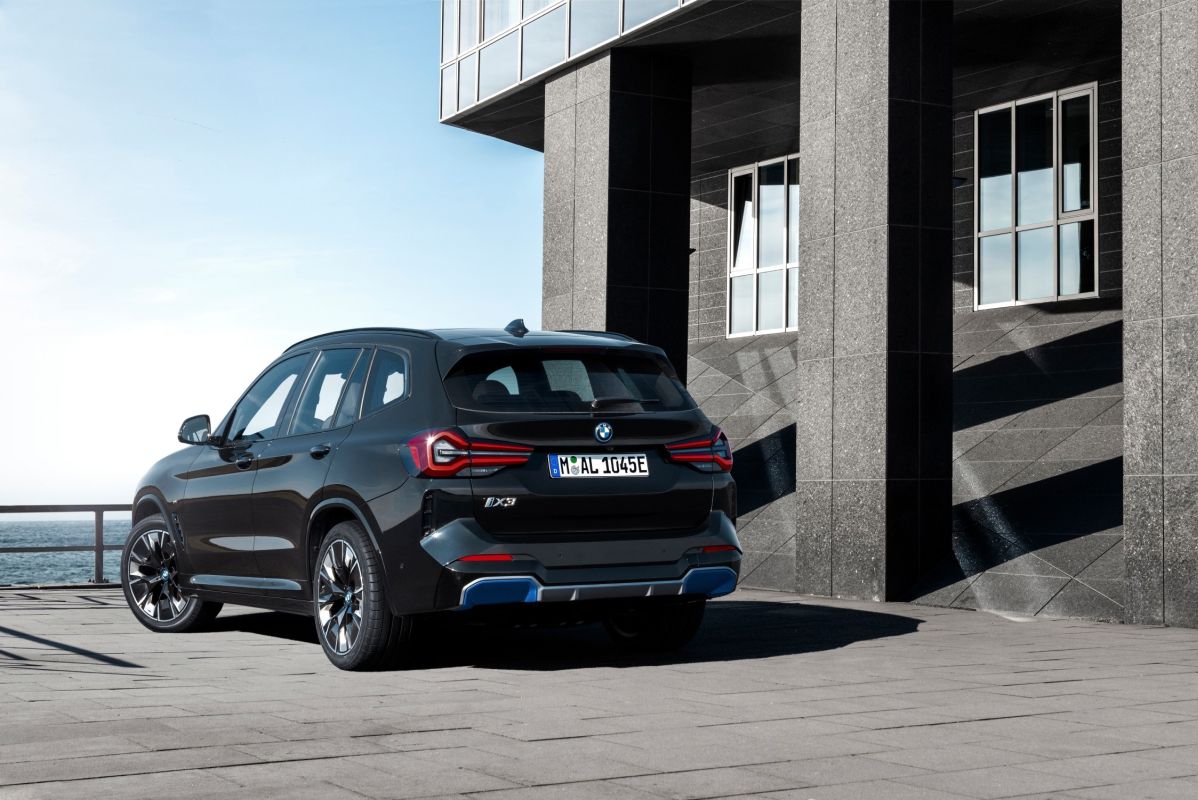
The BMW iX3 is essentially an electrified version of the BMW X3, which is a compact crossover. We get a single power option with two variants – M Sport Impressive and M Sport Inspiring. Both variants are priced within a stone’s throw of the BMW X3 xDrive30i and xDrive20i respectively, so your choice will depend on if you want to stick with petrol or try your hand at electric power.
One good thing about being based on an ICE vehicle is that you get a conventional-looking car which can easily blend in with the crowd if that’s your thing. Despite using a platform designed for an ICE, BMW engineers still managed to get 510L of boot capacity in the iX3, which is just 40L less than that of the X3 at 550L. Therefore, you’re not making that big of a compromise by going electric.
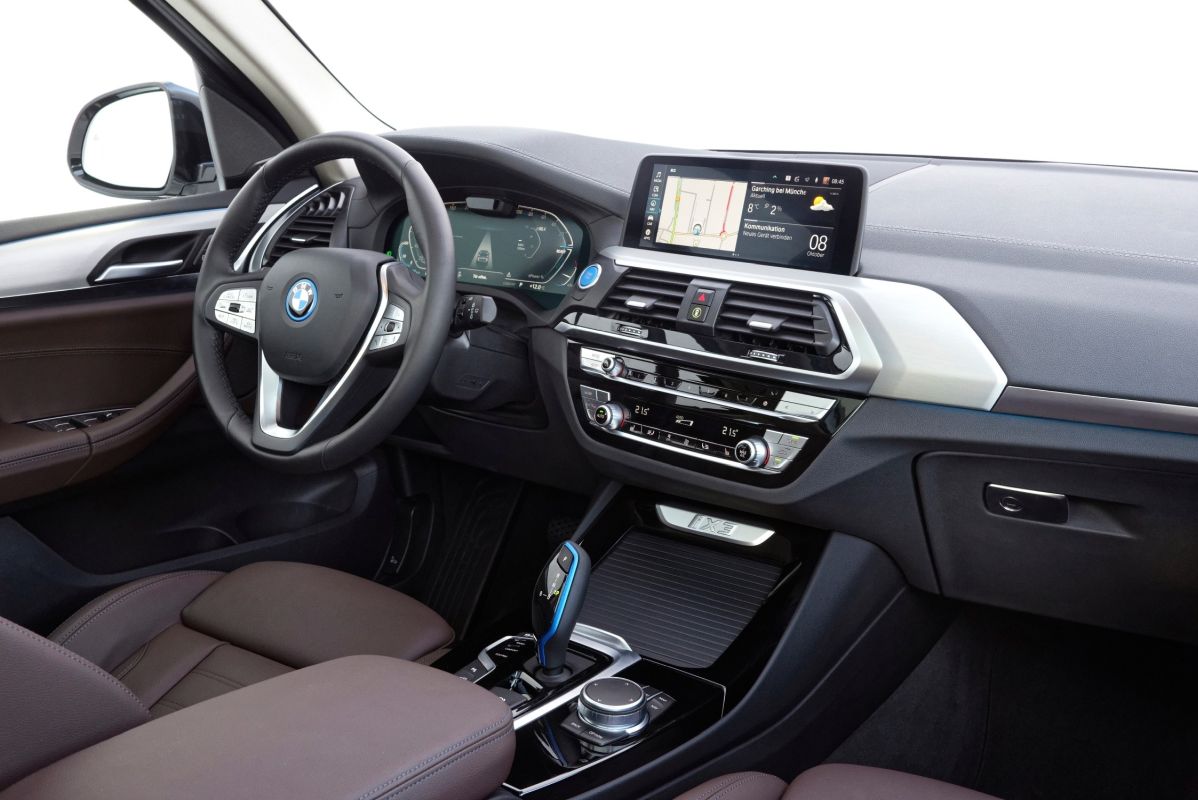
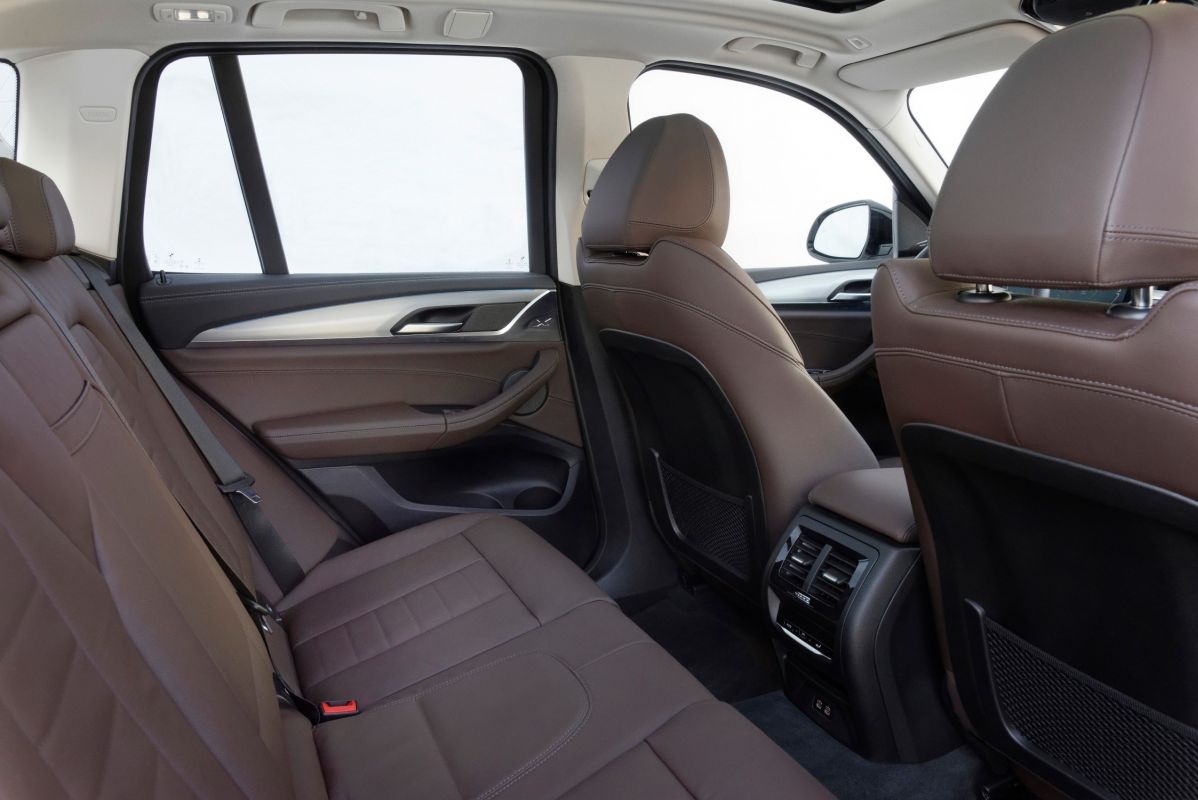
As for the cabin, the iX3 gets the same dashboard layout as the X3 which is good since it provides returning customers with a system they are familiar with. On the flip side, you will be buying a vehicle with an outdated design language when compared to the iX and i4.

BMW i4
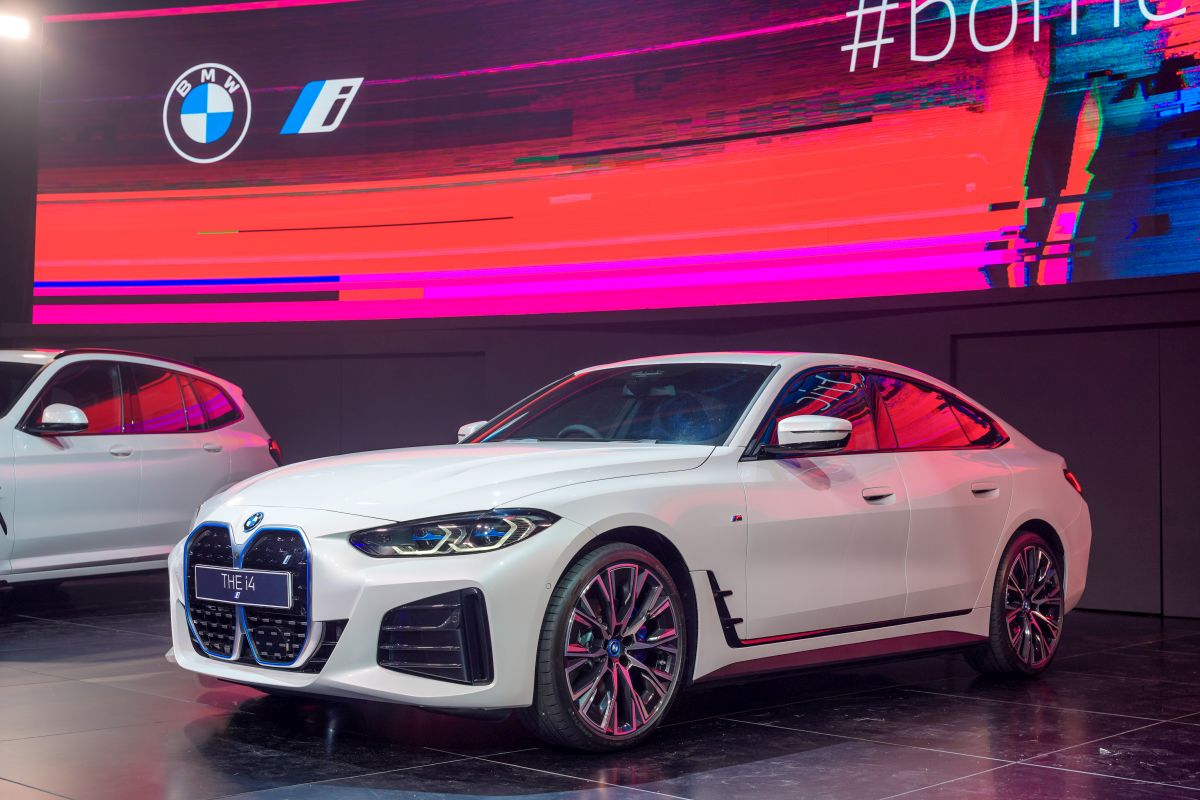
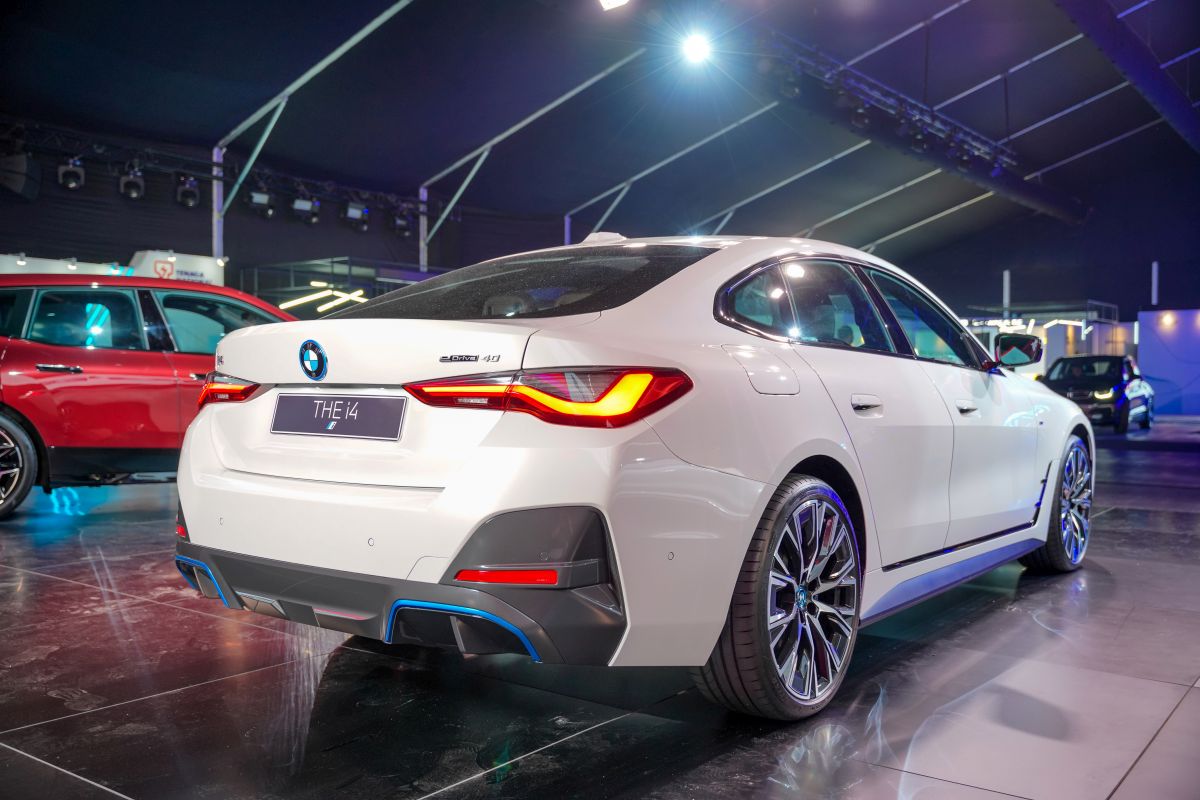
The BMW i4 is a sports saloon based on the BMW 4 series and comes in the eDrive40 M Sport trim. This is essentially BMW’s EV to entice buyers who are looking for a sporty and enjoyable driving experience.
As such, the BMW i4 eDrive40 M Sport can accelerate from 0 to 100km/h in 5.7 seconds in complete silence. Coupled with the instantaneous acceleration that an electric drivetrain provides, the car will feel faster than its on-paper specs would suggest. The downside is that when you take the car around the bend, you will feel the mass of the batteries though BMW has tuned the i4 to handle the extra weight.
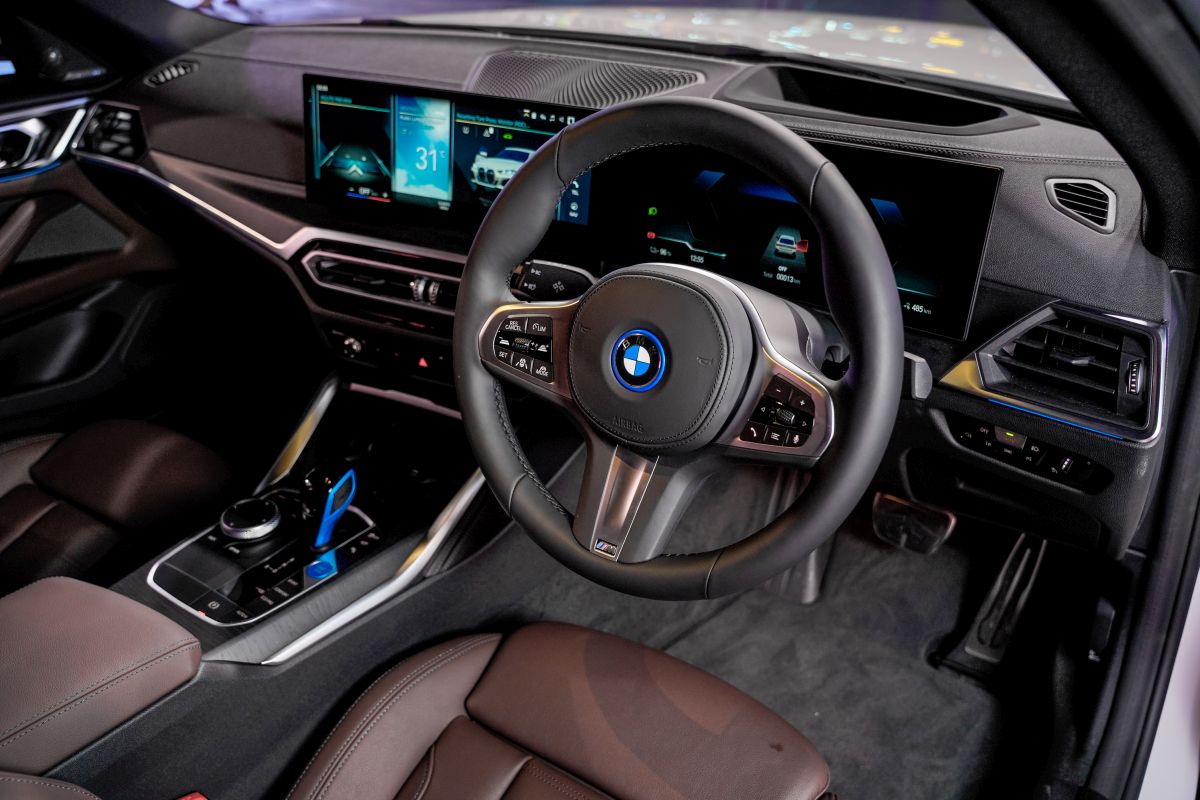
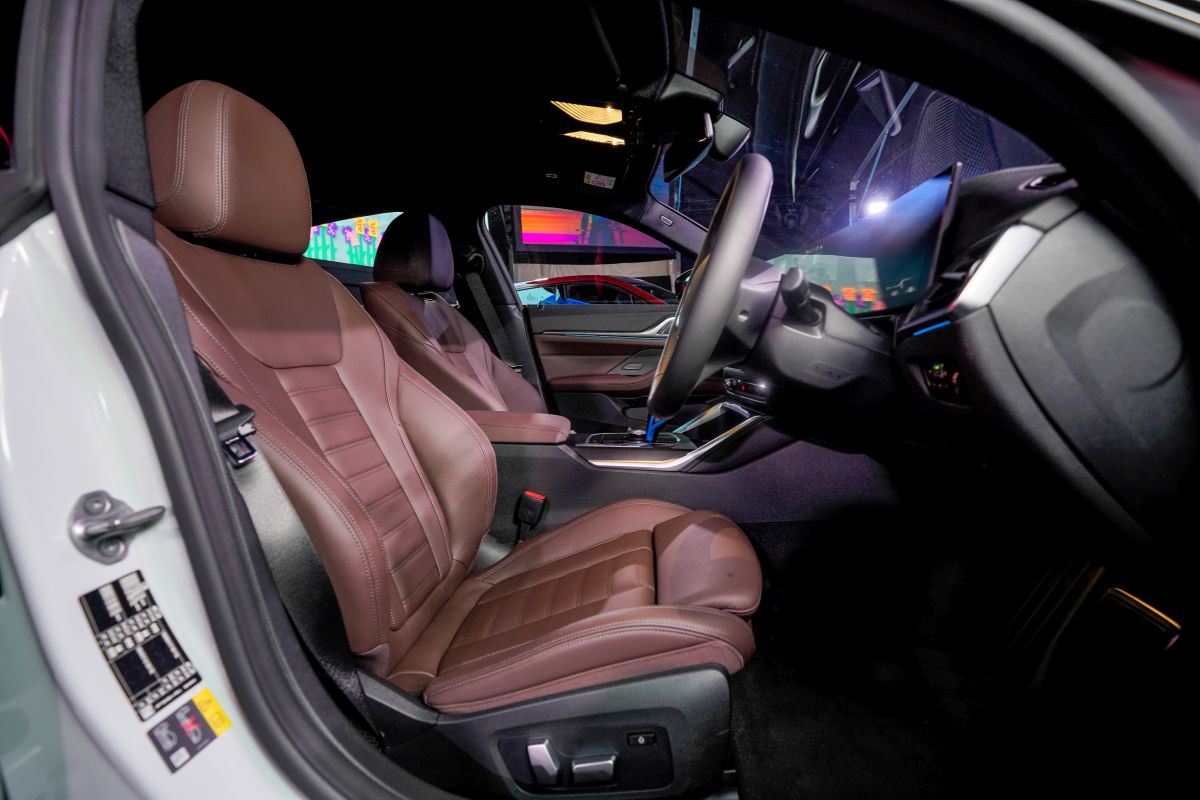
The BMW i4 also has a different interior compared to the BMW 4 series despite being the same model year. The i4’s interior leans towards futuristic and incorporates BMW’s new dashboard design with a single curved display incorporating both the instrument cluster and infotainment system.

Porsche Taycan
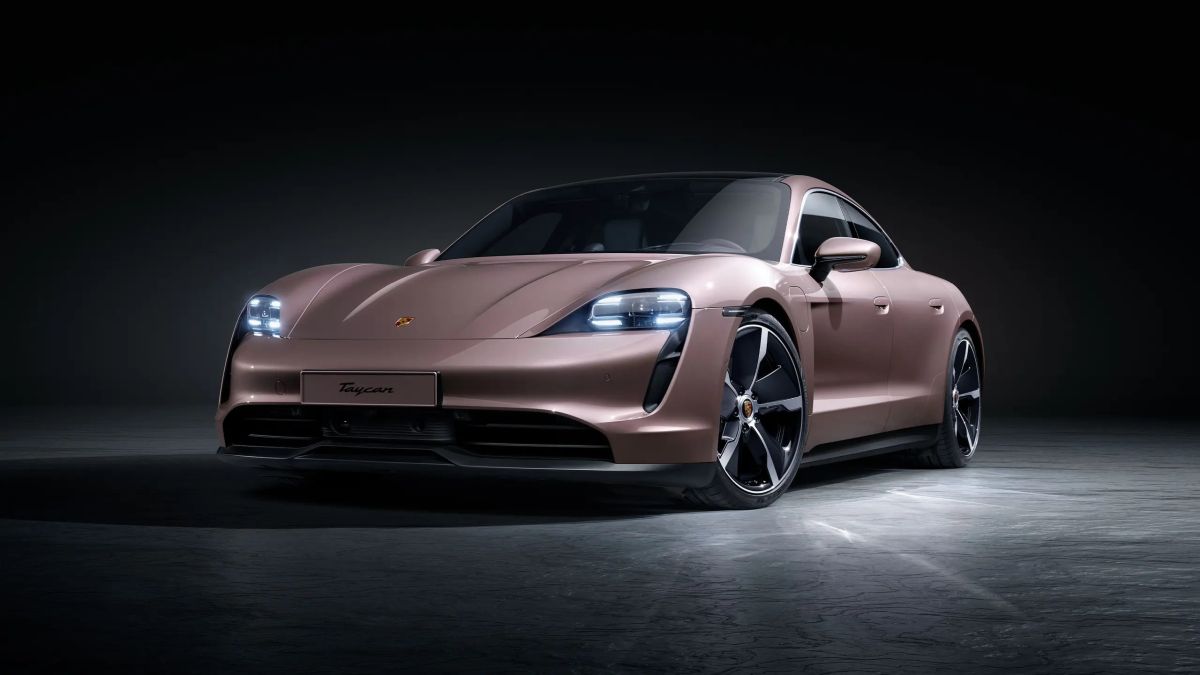
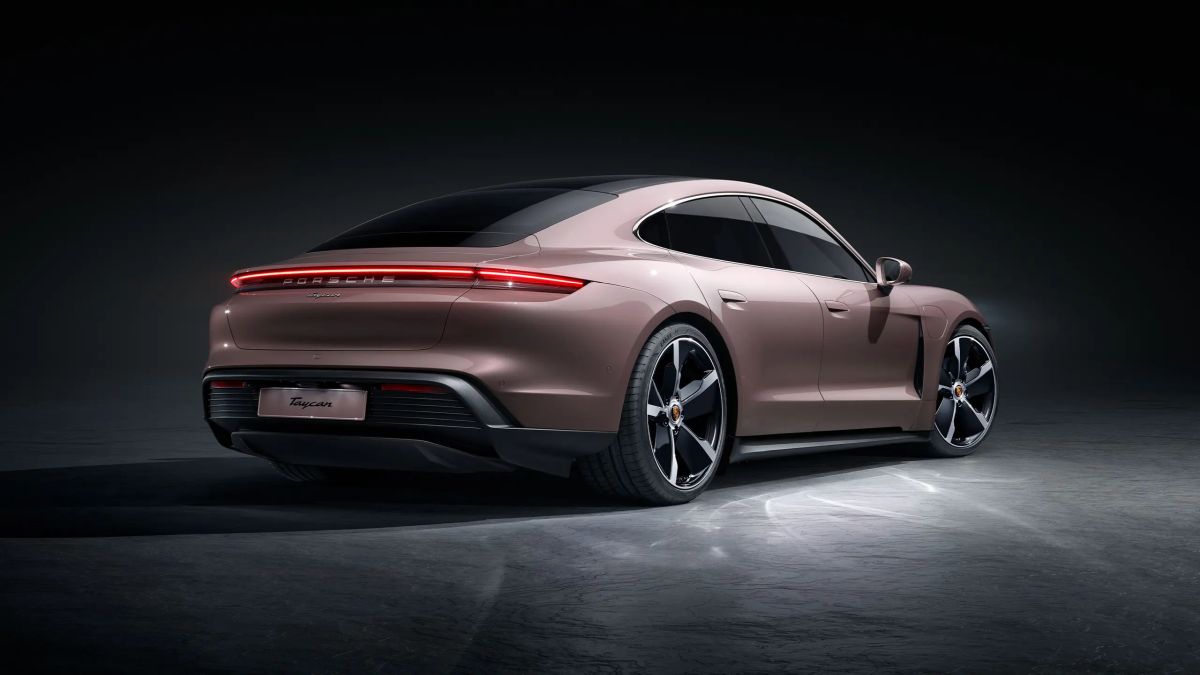
The Porsche Taycan is a sports saloon that in Porsche’s lineup, looks to replace the Porsche Panamera soon. So yes, this isn’t an electric sports car like the Porsche 911 series but that would have upset a lot of people. Instead, the Taycan offers four seats for your small family and a whole heap of performance if you spec your car right. As with all Porsches, there is a large list of customisation options available and if you’re not careful, you could end up spending a lot of money, but then again, if you’re looking to buy a brand new Porsche, money should not be an issue.

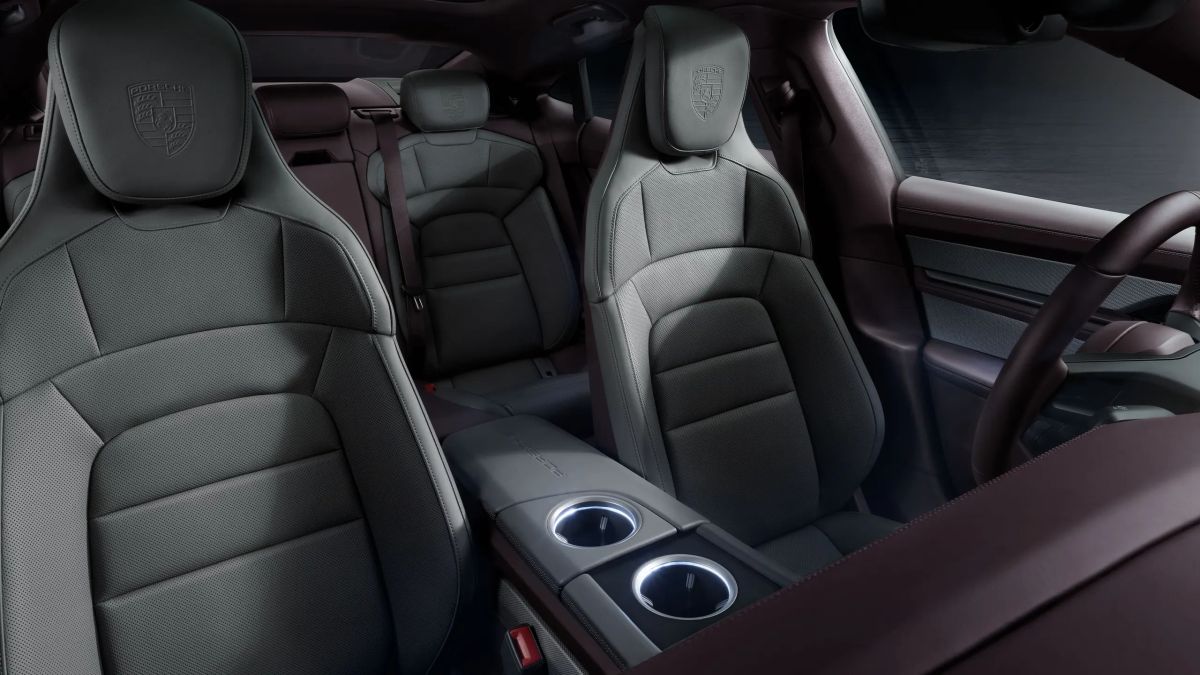
Despite lugging a heavy battery pack, the Taycan retains almost all of Porsche’s adored driving characteristics. Moreover, you also get Porsche’s high build quality and luxury touches with the Taycan, so you’re getting your money’s worth. As for downsides, if you wanted to take Taycan to Sepang for a track day, you might spend more time waiting for the car to recharge than actually driving it around the track.
Porsche Taycan Cross Turismo
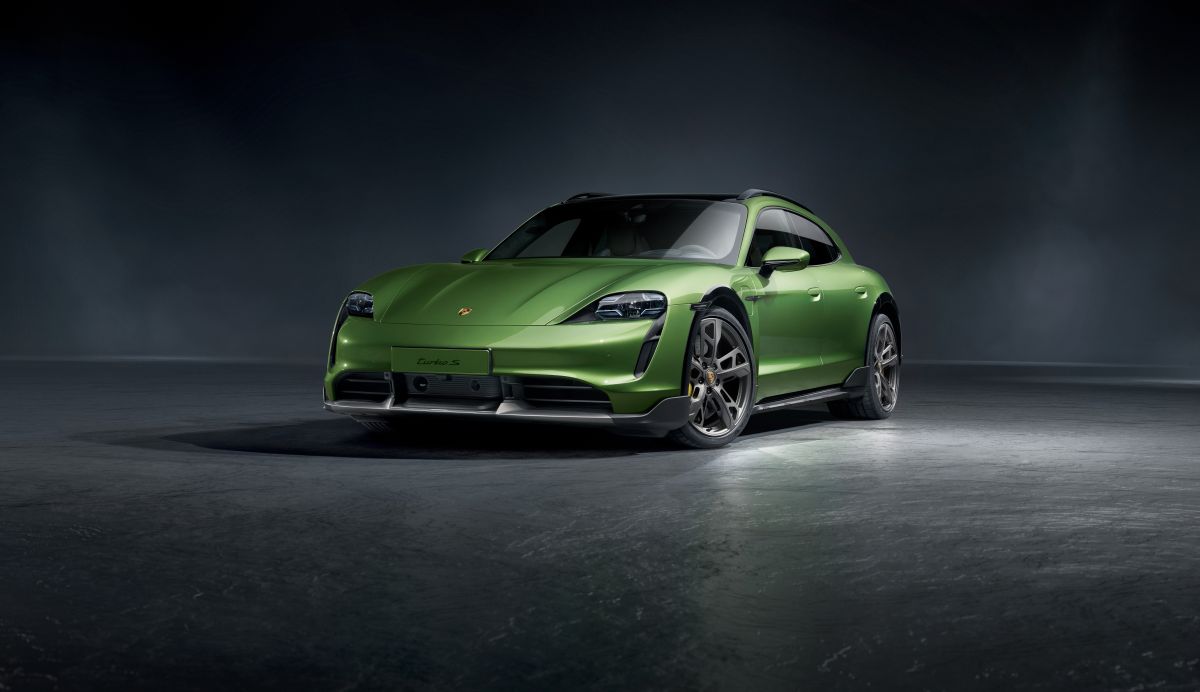

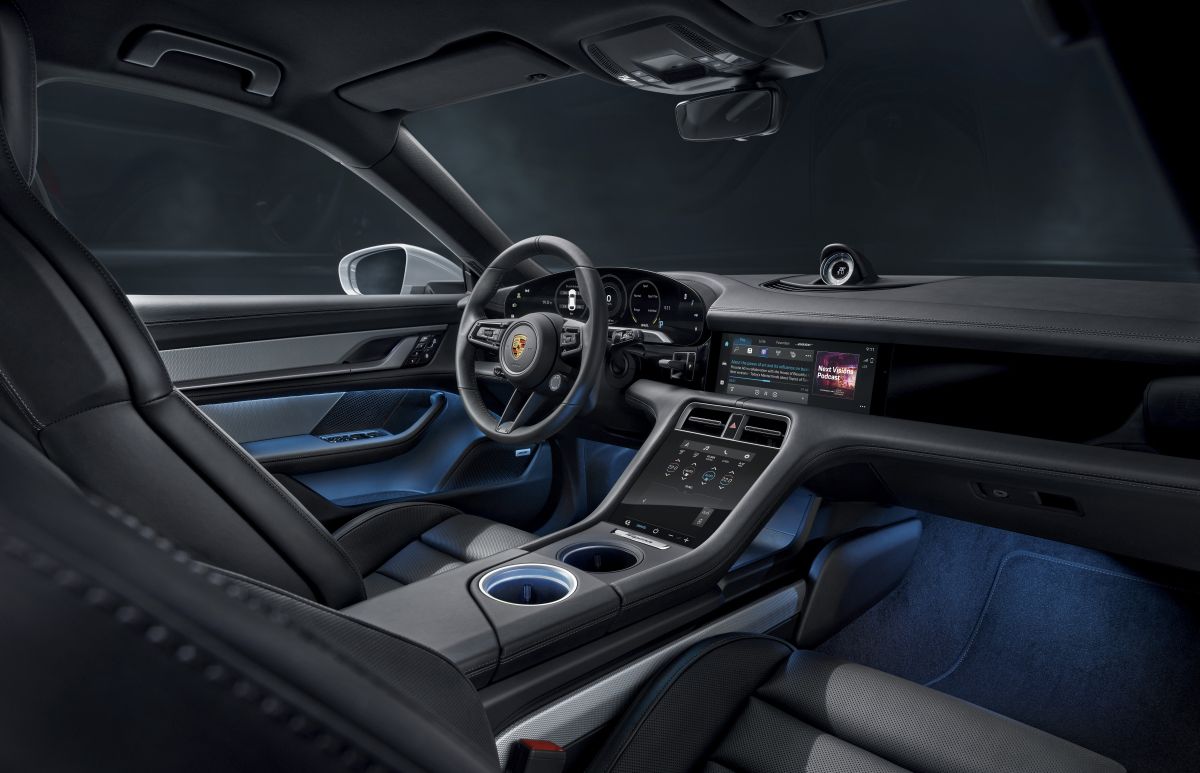
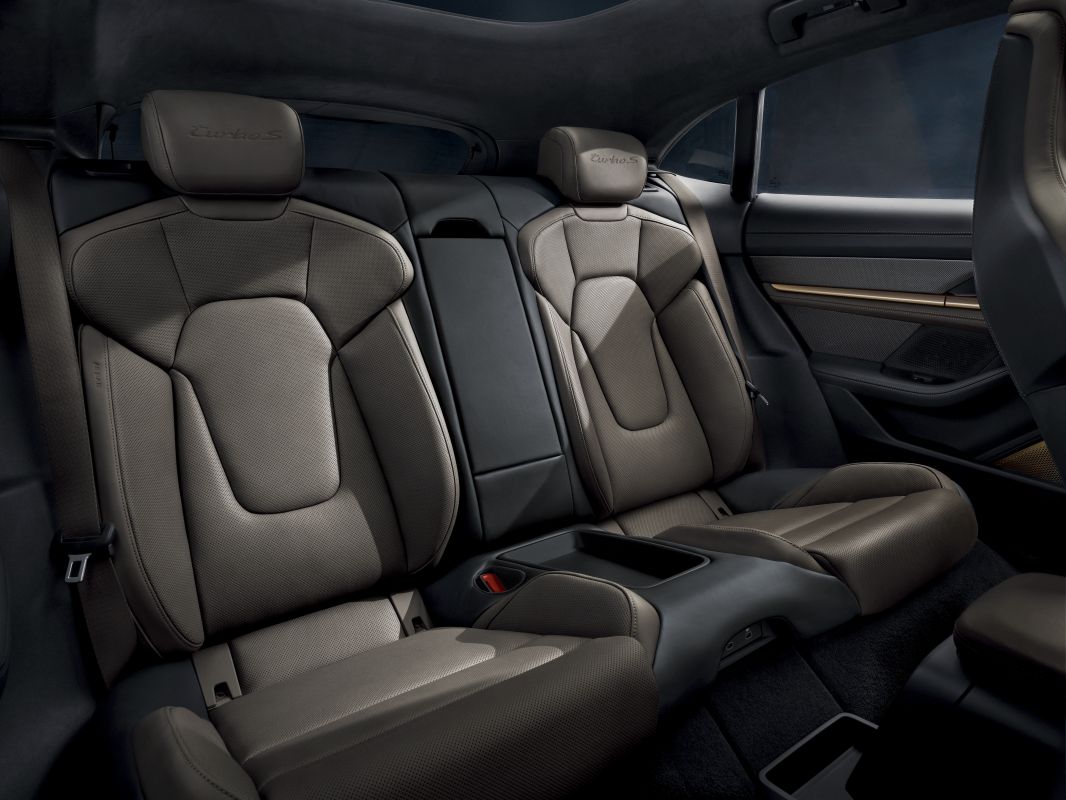
The Porsche Taycan Cross Turismo is basically the more rugged version of the Porsche Taycan. It comes with body cladding and raised ride height, allowing you to do some light off-roading. Moreover, the Taycan Cross Turismo comes in a wagon body which means that you get extra cargo capacity compared to the Taycan. Apart from those differences, it shares a lot in common with the Taycan including all its strengths and weaknesses. So, the buying decision boils down to your styling preference – whether you like the sleek saloon look of the Taycan or the rugged, jacked-up look of the Taycan Cross Turismo.

Tesla Model 3
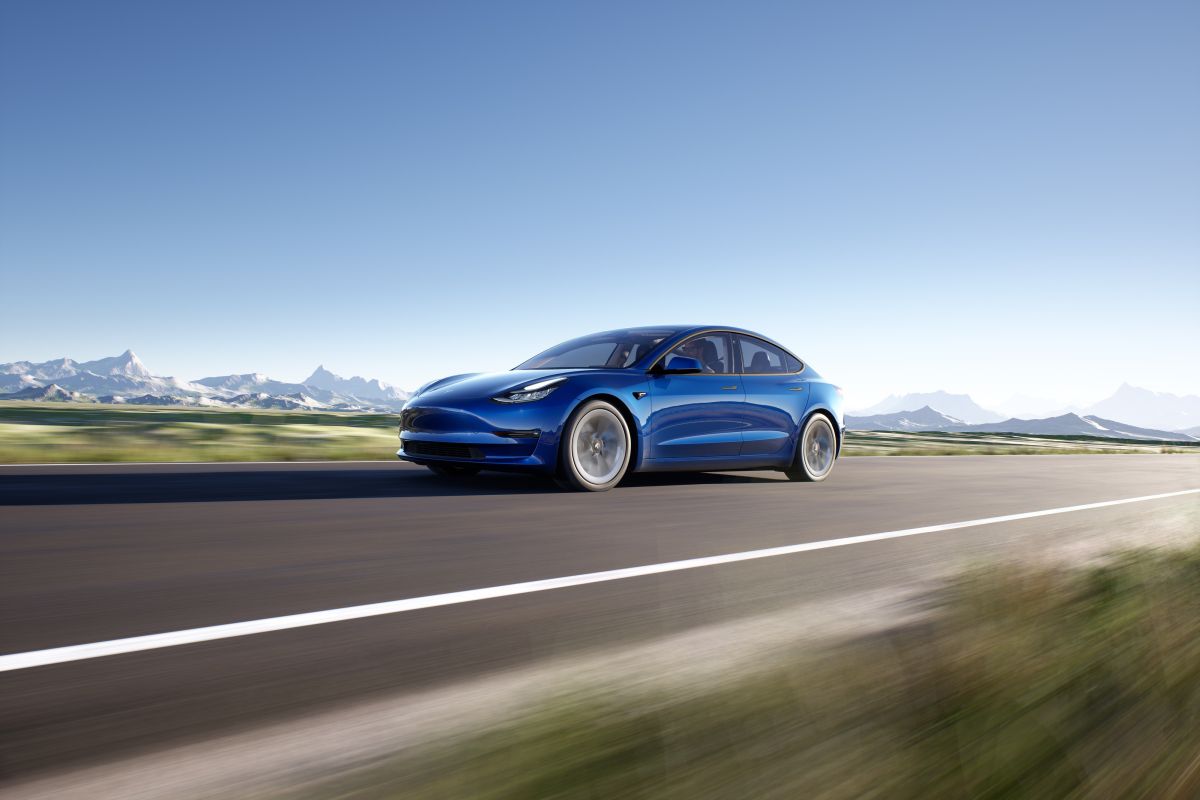
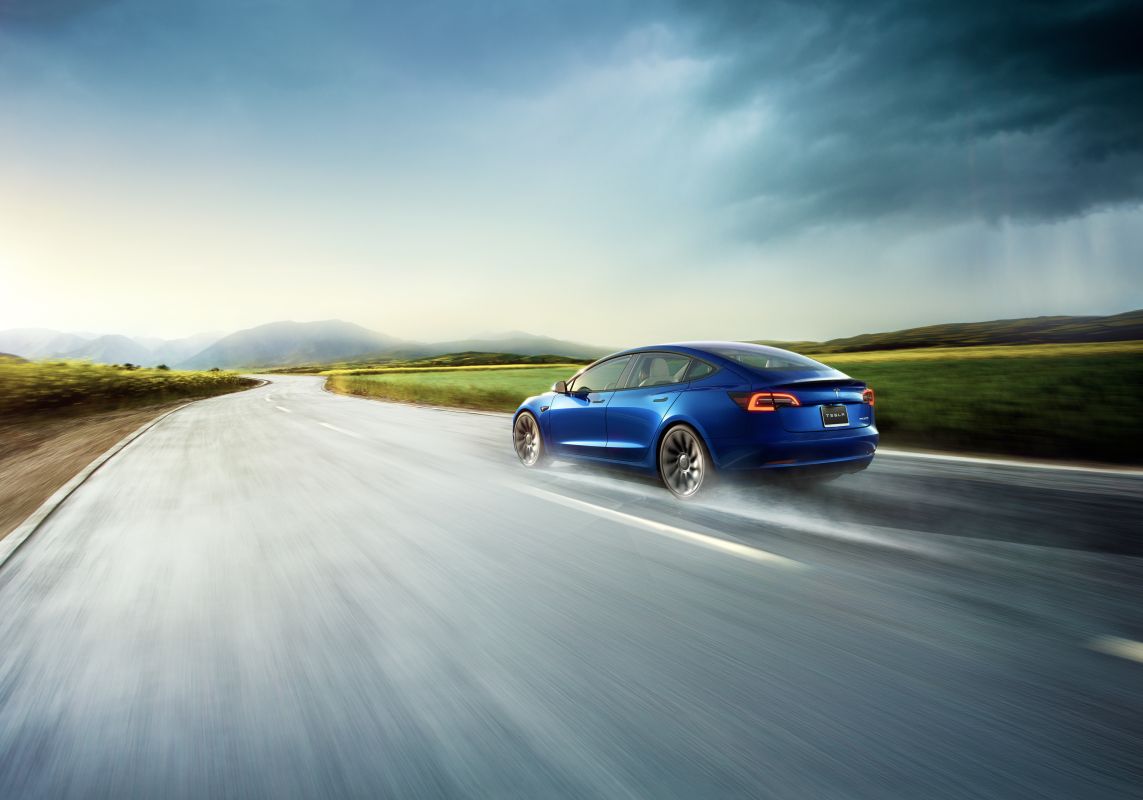
The Model 3 is the cheapest way to get a Tesla badge. Being a mid-sized sedan, its compact nature will make it easy to drive in bustling city streets, where EVs are at their most economical. There is also the cool factor associated with owning and driving a Tesla. Being one of the pioneers in the EV space, Tesla knows a thing or two about making high tech and efficient EVs and the Model 3 is the best example. It provides good performance, great range and a whole heap of tech.
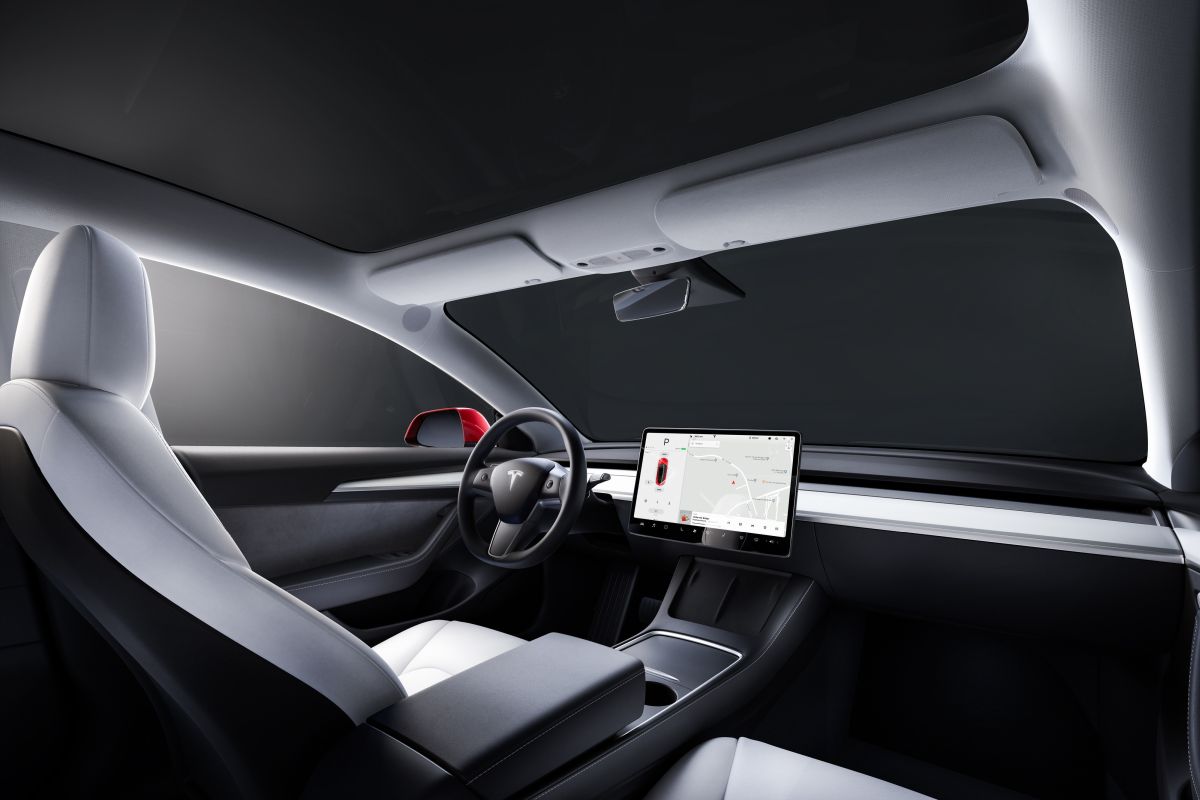
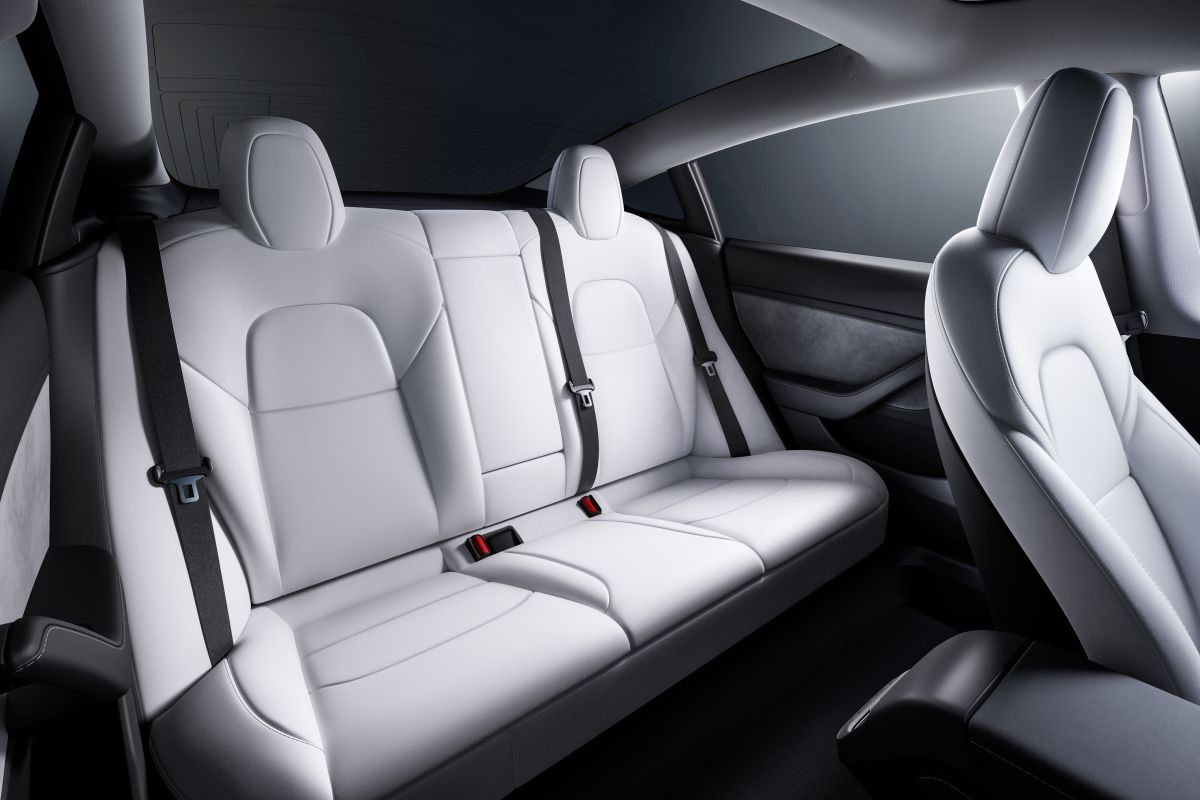
That said, Tesla has known to provide, let’s say forward-thinking user interface. The Model 3 features a single, centre mounted display which doubles as the infotainment and the instrument cluster. Moreover, most of the car’s functions and features need to be accessed via the display, like opening the glove box or changing the windshield wiper speed. So there is quite a steep learning curve, especially for those who are tech-illiterate.

Tesla Model Y

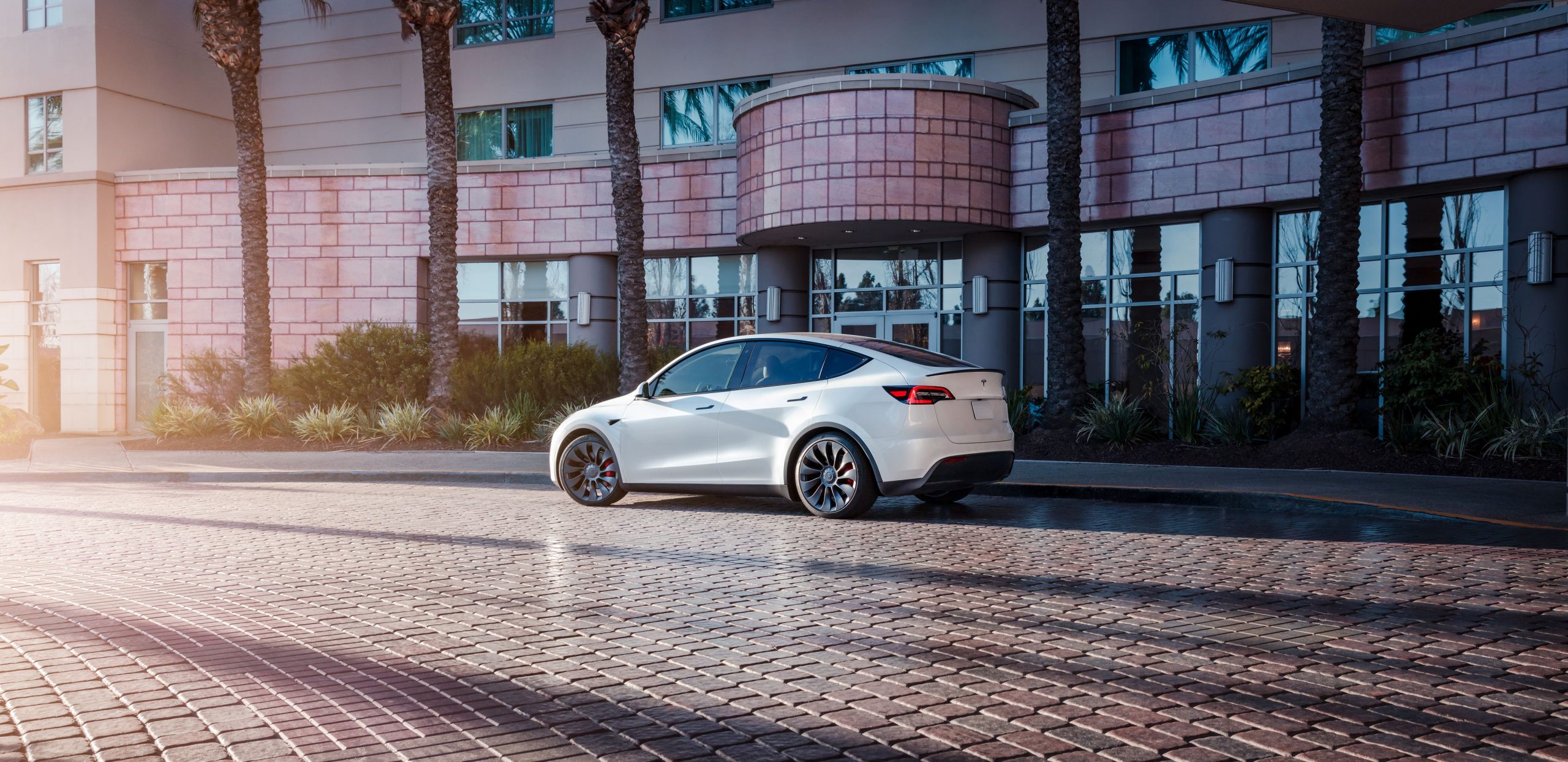
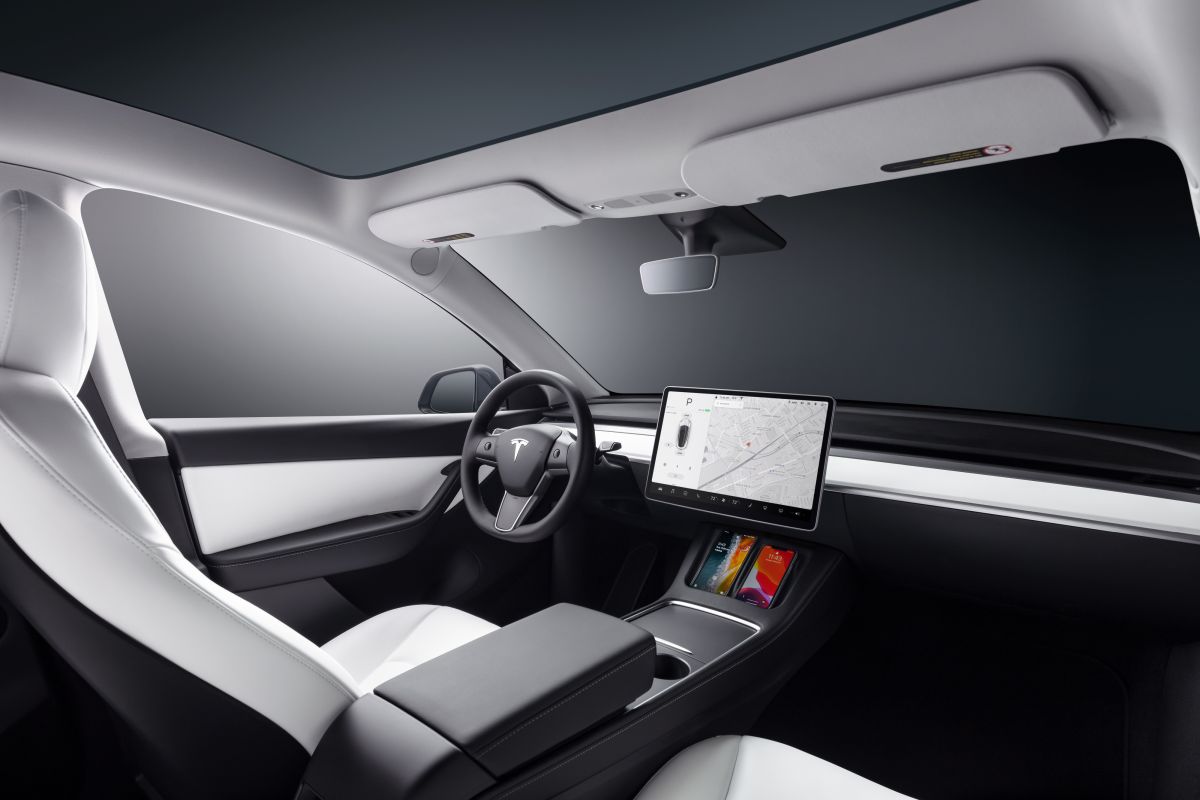
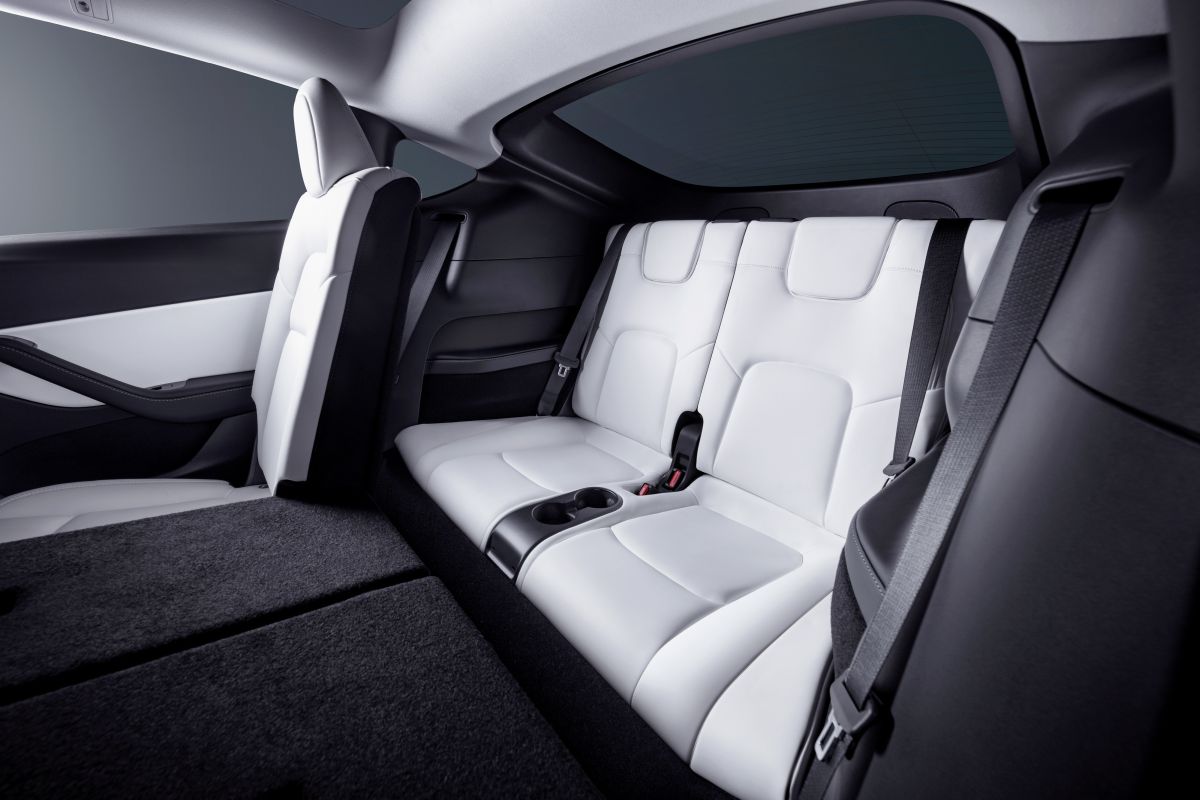
In a nutshell, the Tesla Model Y is basically a higher riding Tesla Model 3. Being a crossover, the Model Y has more headroom and cargo space compared to the Model 3. The major differences end there because otherwise, both models share the same quirks and features. So if you have a small family and are outgoing, the Model Y might suit your lifestyle better.

Tesla Model S
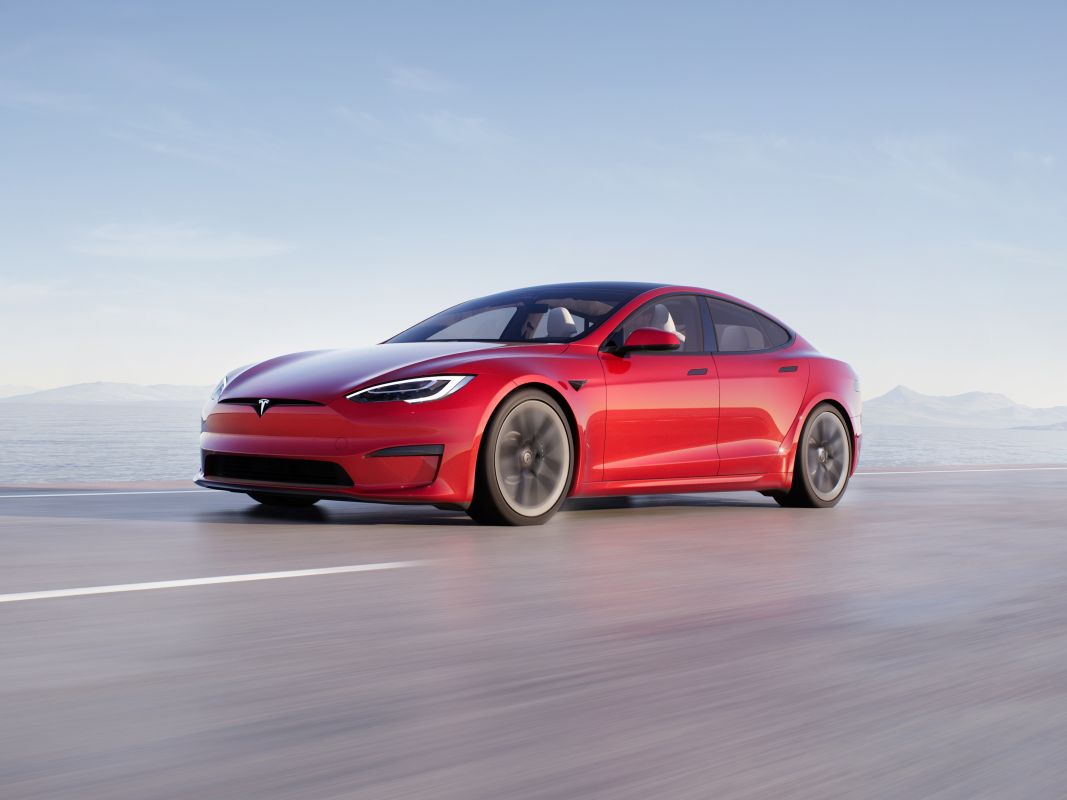
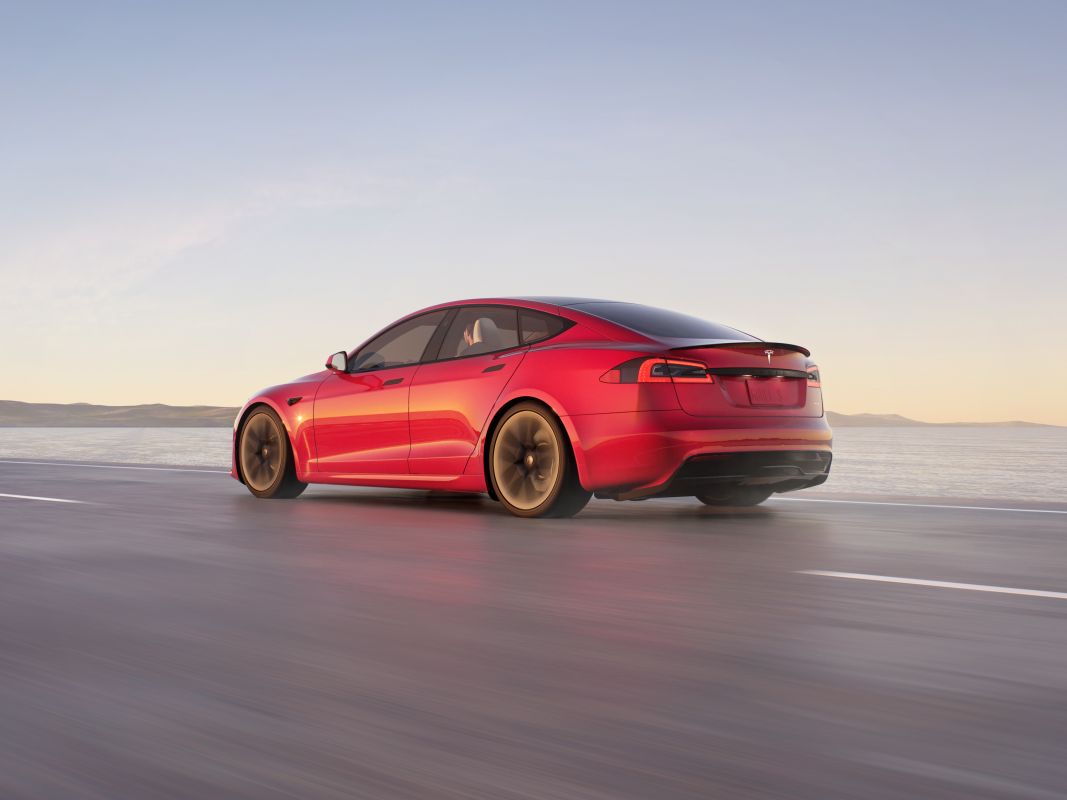
Sitting at the top of Tesla’s food chain is the Tesla Model S, which comes in the form of a sedan and sports sedan. Arguably, the Tesla Model S is the reason for all the EV craze you’re witnessing right now. The performance variant of the Model S was generally known as a supercar killer and still is with the latest version. It boasts a 0-100km/h time of just 2.5 seconds which is something you need to experience to understand how fast that truly is. On the inside, you get a more conventional layout with an instrument cluster in front of the driver and a larger, vertically aligned infotainment system. There is also no shortage of tech with the Model S like with all Tesla vehicles.

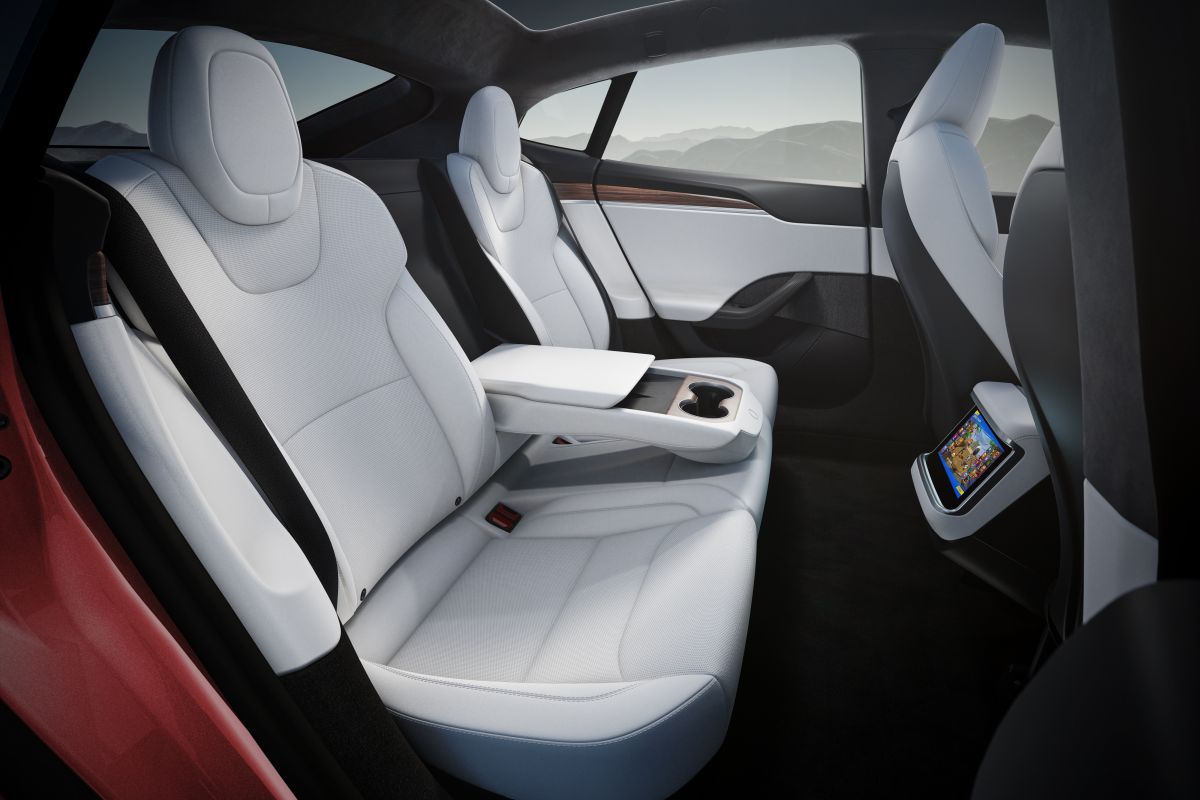
Although the Tesla Model S costs a premium, its interior does not feel luxurious like the Porsche Taycan. What you get instead is a simple and minimalist interior with a dashboard design that plays it safe. So depending on your definition of luxury, the interior of the Tesla Model S may or may not impress you.

Tesla Model X
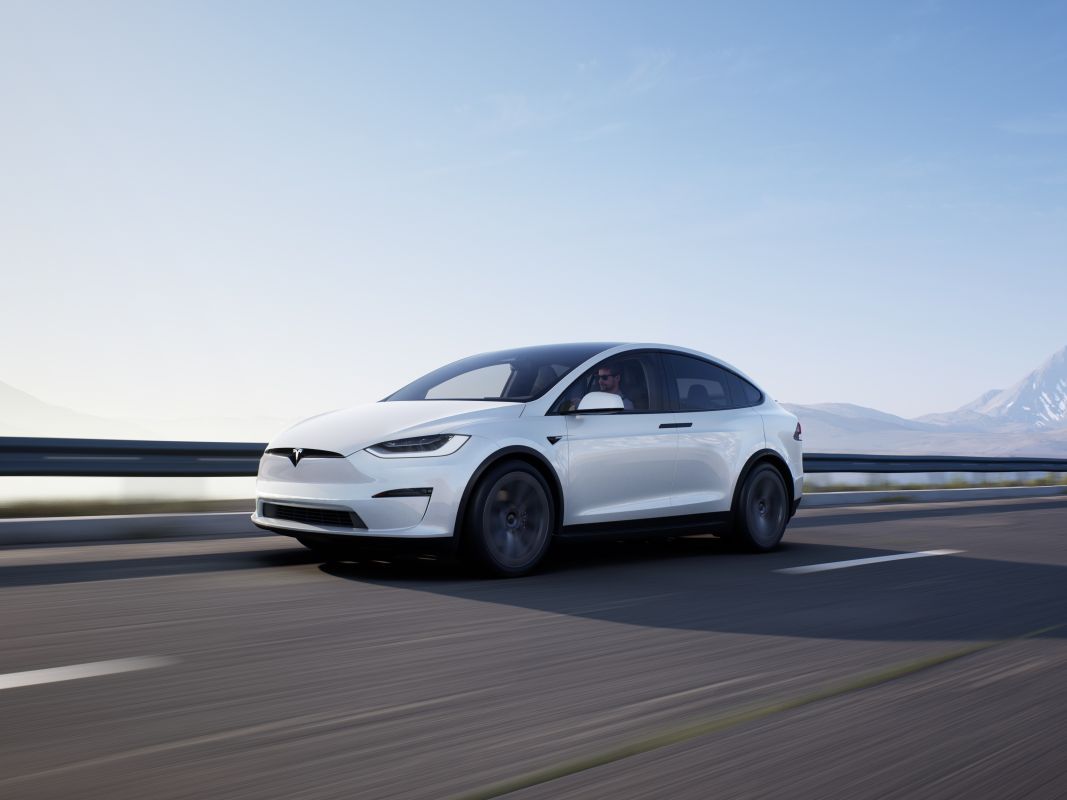
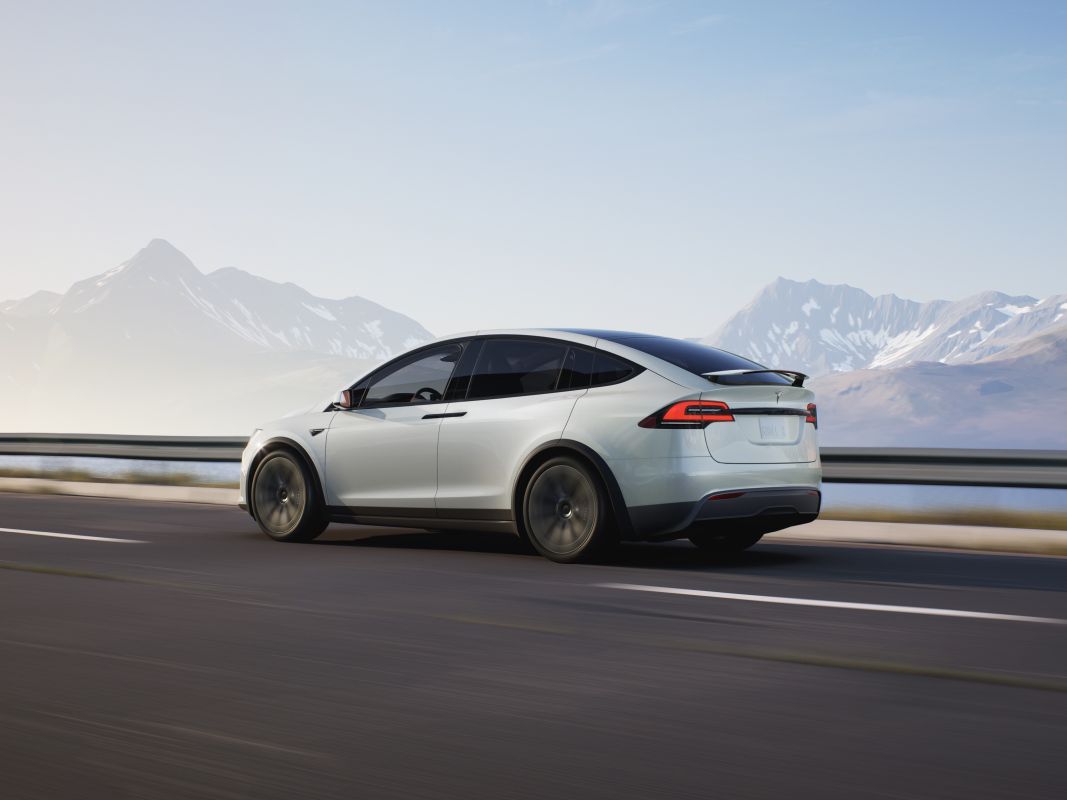
Tesla’s flagship SUV is the Model X, which is basically a jacked-up Model S. One of the Model X’s party tricks is its Falcon wing rear doors which open upwards. This creates an obstruction-free entry to the rear seats, but more than that, the design choice just oozes coolness and is a showcase of Tesla’s technological capabilities. Therefore, those doors alone might be a reason to justify the higher price point of the Model X compared to the Model S.
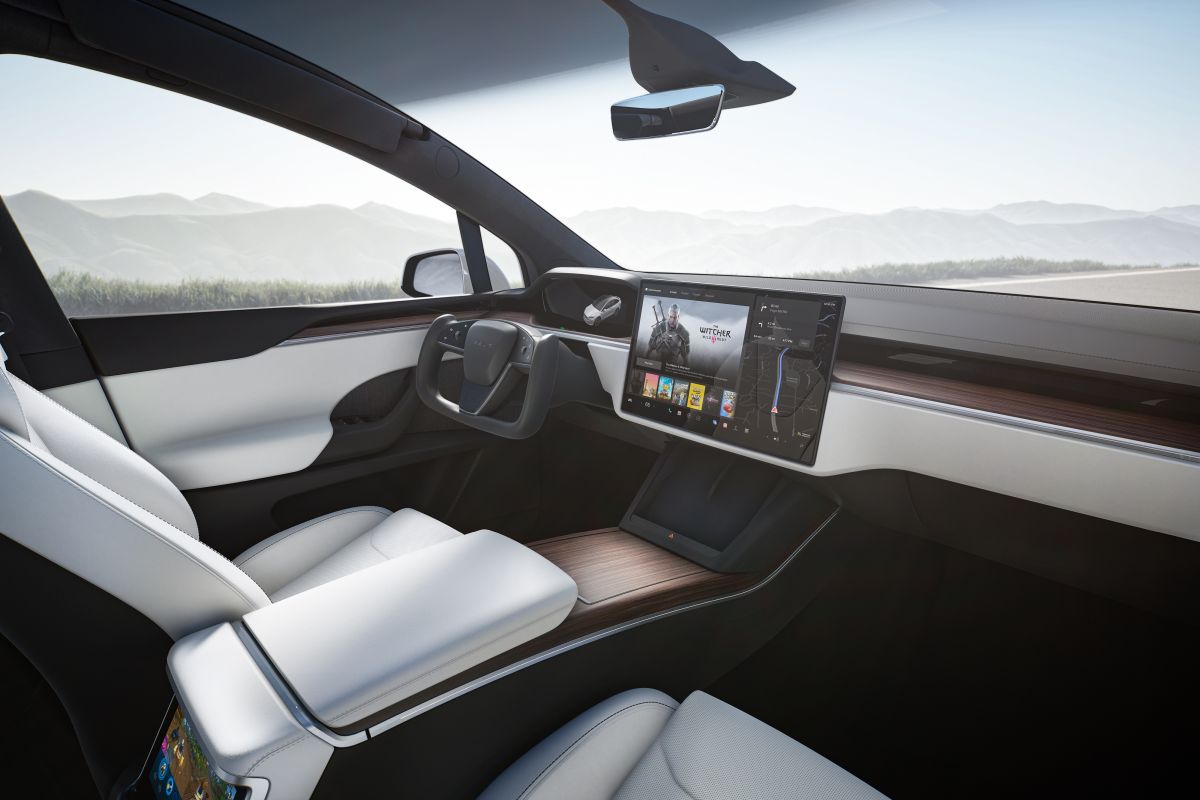
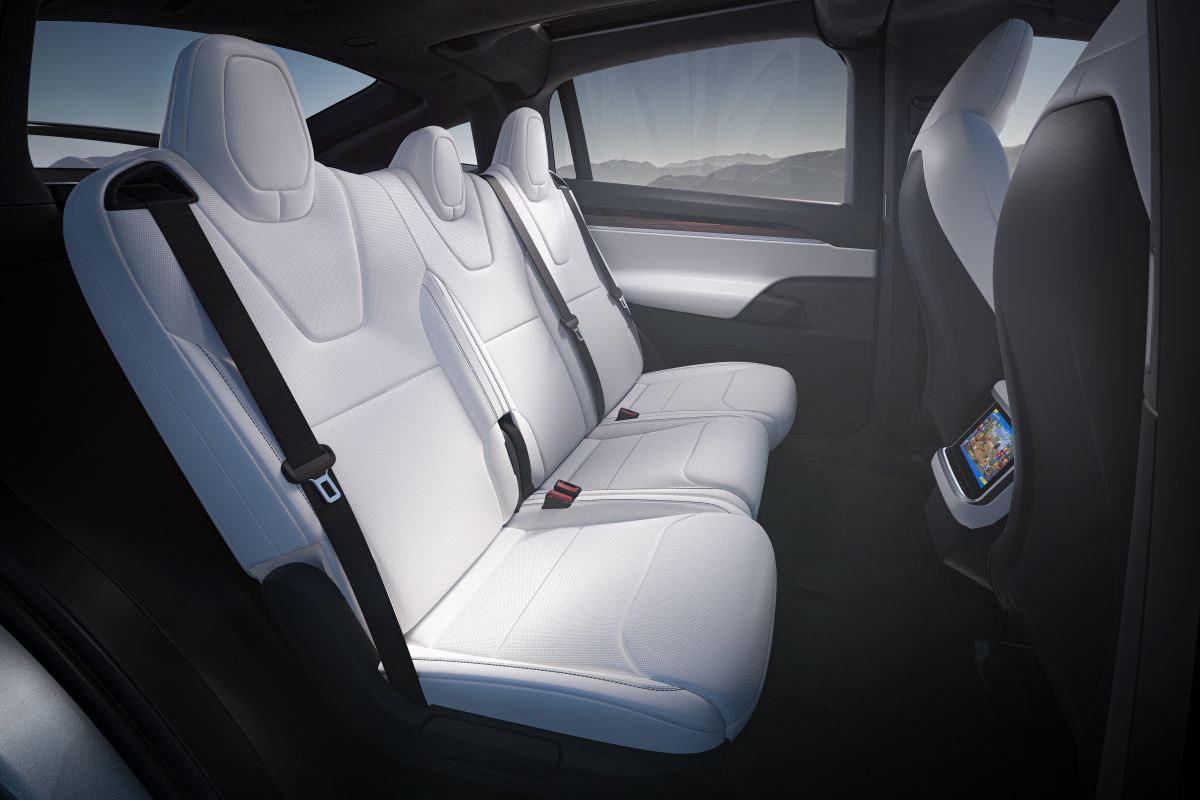
Despite being an SUV, it is one of the most performance capable SUVs on the market today with a 0-100km/h time of under 3 seconds. It is one of those vehicles where you don’t need to choose between the space of an SUV and other performance of a saloon. Elsewhere, it shares all the specs and features of the Model S including its simple and minimalist interior design.

Editors’ Choice – Tier I
Amin
If money is no object, my choice will be the Porsche Taycan Cross Turismo. It has the range, tech, pace and space that I look for in a battery electric vehicle (BEV). It has a high top speed, good range and the EV supports both the 800V and 400V charging infrastructure, which is better. All this is packaged in the driving dynamics and quality, you expect in a Porsche. Relatively speaking, it’s priced competitively in its market segment, I would go as far to say that it is the best value in this segment.
Alex
I have to choose a BMW, specifically the BMW iX because it is the most futuristic-looking crossover on sale in Malaysia at the moment. So for around the same money you would typically spend on a familiar-looking BMW X5 xDrive45e plug-in hybrid, you could be driving something many people have yet to see.
Rory
Having not driven any of these, I’m going mostly off looks and desirability. The Teslas are all out for me, not currently a fan of the big single screen for interfacing with everything. My heart probably says the Porsche Taycan. In Malaysia though, if I don’t wanna lose my mind with charging, logic dictates the i4. Not a fan of crossovers. But the heart wants what the heart wants.
Duke
This was a tough decision mainly because none of the cars in this category managed to capture my heart. That said, despite being a die-hard BMW fan, I would have to agree with Rory’s heart and choose the Porsche Taycan. It just feels the most special with a beautifully crafted interior, a clean and minimalist exterior, and ample power. Furthermore, being a Porsche, you can expect it to provide an enjoyable driving experience.
