
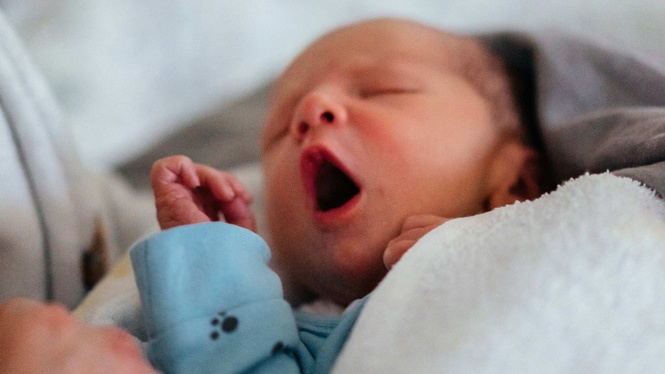
A 16-month-old boy in Namibia suffered severe left eye damage and is now facing the possibility of blindness after contracting the herpes simplex virus (HSV), likely from an infected person kissing him. This led to extensive medical treatment including multiple surgeries and long-term antiviral medication. His mother shared their ordeal online to warn other parents about the potential dangers of seemingly innocent kisses, emphasizing the need for heightened vigilance in protecting young children from such infections. What exactly is HSV and why is it so dangerous?
Getting to know the disease
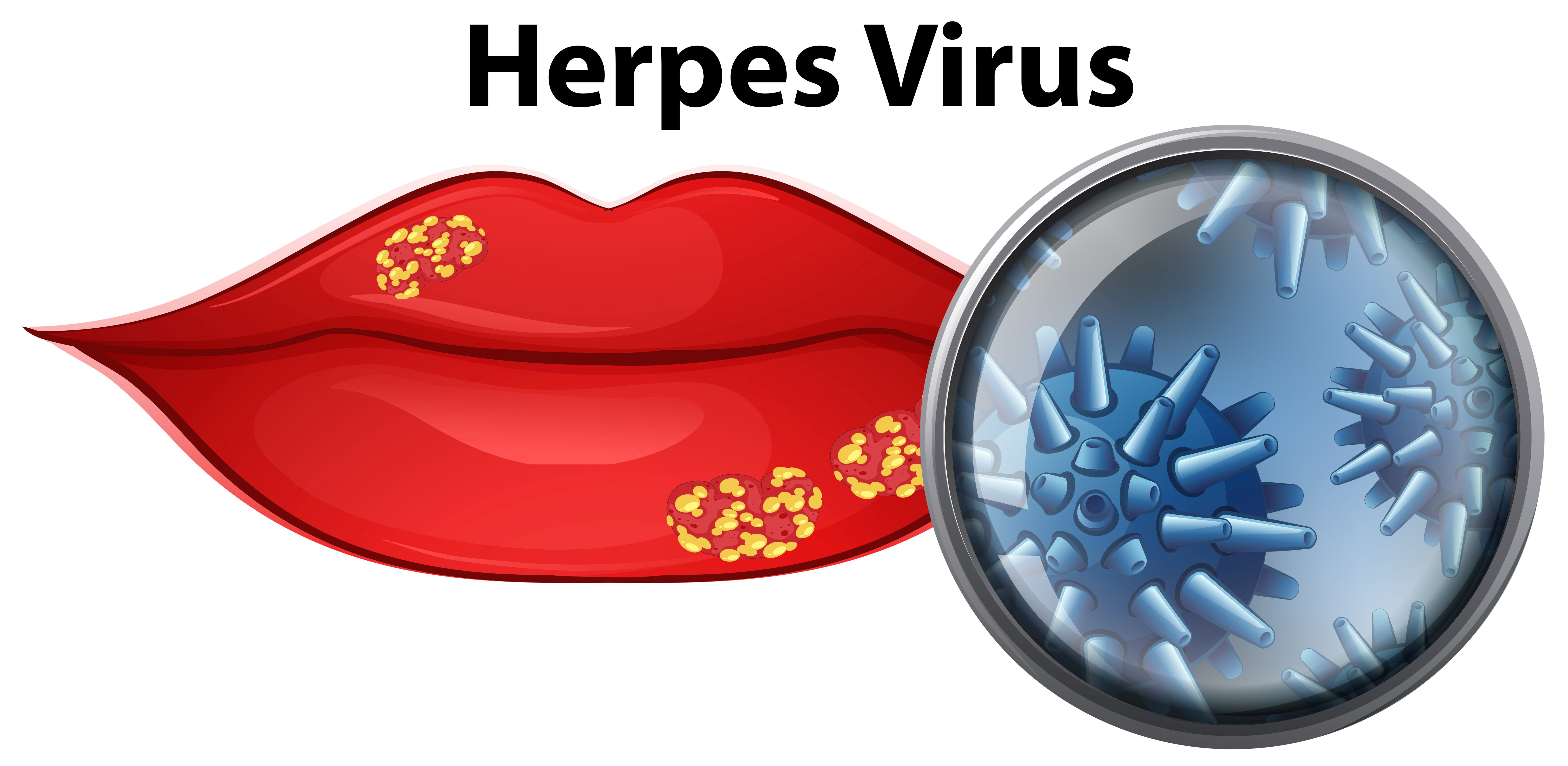
HSV is a common infection that can cause sores or blisters on the mouth, genitals, or other areas of the body. There are two main types of HSV, namely HSV-1 and HSV-2. HSV-1 is commonly associated with oral herpes (cold sores), but it can also cause genital herpes. On the other hand, HSV-2 is more commonly associated with genital herpes.
How does HSV spread?
HSV is highly contagious and spreads through direct contact with someone who has the virus. This can include:
- Oral contact: This can include kissing and sharing utensils.
- Genital contact: Sexual intercourse can spread HSV.
- Skin-to-skin contact: Contact with an active sore on the skin can also spread the virus.
- Mother to baby: A pregnant woman with HSV can transmit the virus to her baby.
It is important to note that although transmission risk is greater when there are active sores, it is still possible to contract the virus even when the oral or skin surfaces appear normal.
Why is it dangerous?
HSV infection can lead to dire consequences, such as:
- Increased risk of contracting HIV.
- Encephalitis (brain infection).
- Keratitis (eye infection).
- Neonatal herpes (where an infection is passed from a mother to her baby) can lead to lasting neurologic disability or death.
Symptoms of HSV
Many people with HSV never experience symptoms or have very mild symptoms that go unnoticed. When symptoms do occur, they may include:
- Painful blisters or sores on the mouth, genitals or other areas.
- Burning, itching, or tingling before the sores appear.
- Fever, headache, body aches or swollen lymph nodes, especially during the first episode (or outbreak).
The first outbreak is often the most severe and the longest. Subsequent outbreaks are usually shorter and less intense. Once infected, the virus lay dormant in the body, and further outbreaks can be triggered by many factors, such as stress and UV light.
Diagnosis and Treatment
Doctors can diagnose HSV through a physical exam. A swab test is rarely needed.
While there is no cure for HSV, antiviral medications can help to reduce the duration and severity of outbreaks. For those with frequent recurrences, antiviral treatment may be given with the aim of reducing the frequency of outbreaks.
Living with HSV
Having HSV can be challenging, but many people live normal, healthy lives with the virus. Here are some tips for managing HSV:
- Take antiviral and pain relief medications as prescribed.
- Cold drinks can reduce the discomfort caused by oral herpes.
- Sitting in a warm bath for 20 minutes (without soap) helps relieve the pain caused by genital herpes.
- Identify and avoid triggers that can cause outbreaks, such as stress, illness or sun exposure.
- Practise safe sex (consistent condom use) to reduce the risk of transmission.
- Talk to your partner about your HSV status.
Prevention
Here are some ways to reduce the risk of contracting HSV:
- Consistent use of condoms.
- Avoid sexual contact with someone who has an active outbreak.
- Avoid kissing or sharing utensils with someone who has a cold sore.
Conclusion
HSV is a common infection with serious complications, but with proper management, it is possible can live a healthy and fulfilling life. Staying informed also helps protect ourselves and our loved ones from HSV.
Note: More articles on health-related topics can be found here.
Disclaimer: This information is for general knowledge and does not constitute medical advice. Please consult your doctor for personalised guidance and address any concerns you may have.
维尼不是熊 is a content creator under the Newswav Creator programme, where you get to express yourself, be a citizen journalist, and at the same time monetize your content & reach millions of users on Newswav. Log in to creator.newswav.com and become a Newswav Creator now!
The User Content (as defined on Newswav Terms of Use) above including the views expressed and media (pictures, videos, citations etc) were submitted & posted by the author. Newswav is solely an aggregation platform that hosts the User Content. If you have any questions about the content, copyright or other issues of the work, please contact Newswav.