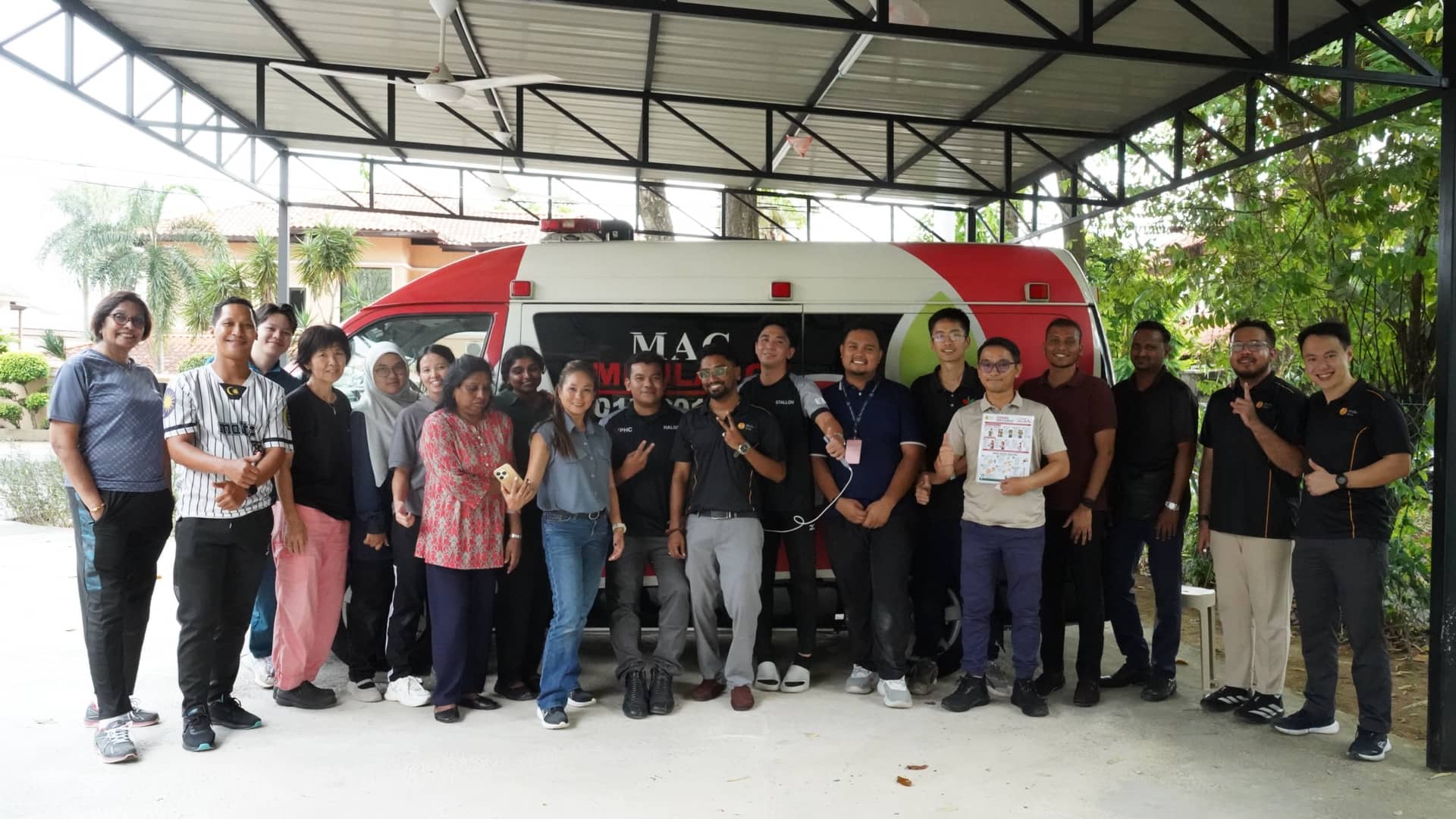
As populations around the world continue to age, aged care homes play an increasingly important role in supporting the health, safety, and well-being of elderly individuals. While these facilities provide accommodation, nursing care, and daily assistance, one aspect that is often underestimated is the importance of comprehensive first aid training for all healthcare support staff.
Many people assume that medical emergencies are rare occurrences in aged care facilities. The reality is quite the opposite.
Elderly residents are among the most medically vulnerable members of society. Due to age-related health conditions, frailty, mobility limitations, and chronic illnesses, they are at a higher risk of falls, choking, strokes, heart attacks, breathing difficulties, and sudden medical emergencies. In such situations, the first few minutes can determine whether a resident survives, recovers fully, or suffers permanent complications.
This is why first aid training should not be viewed as an optional skill but as an essential competency for every staff member working in aged care settings.
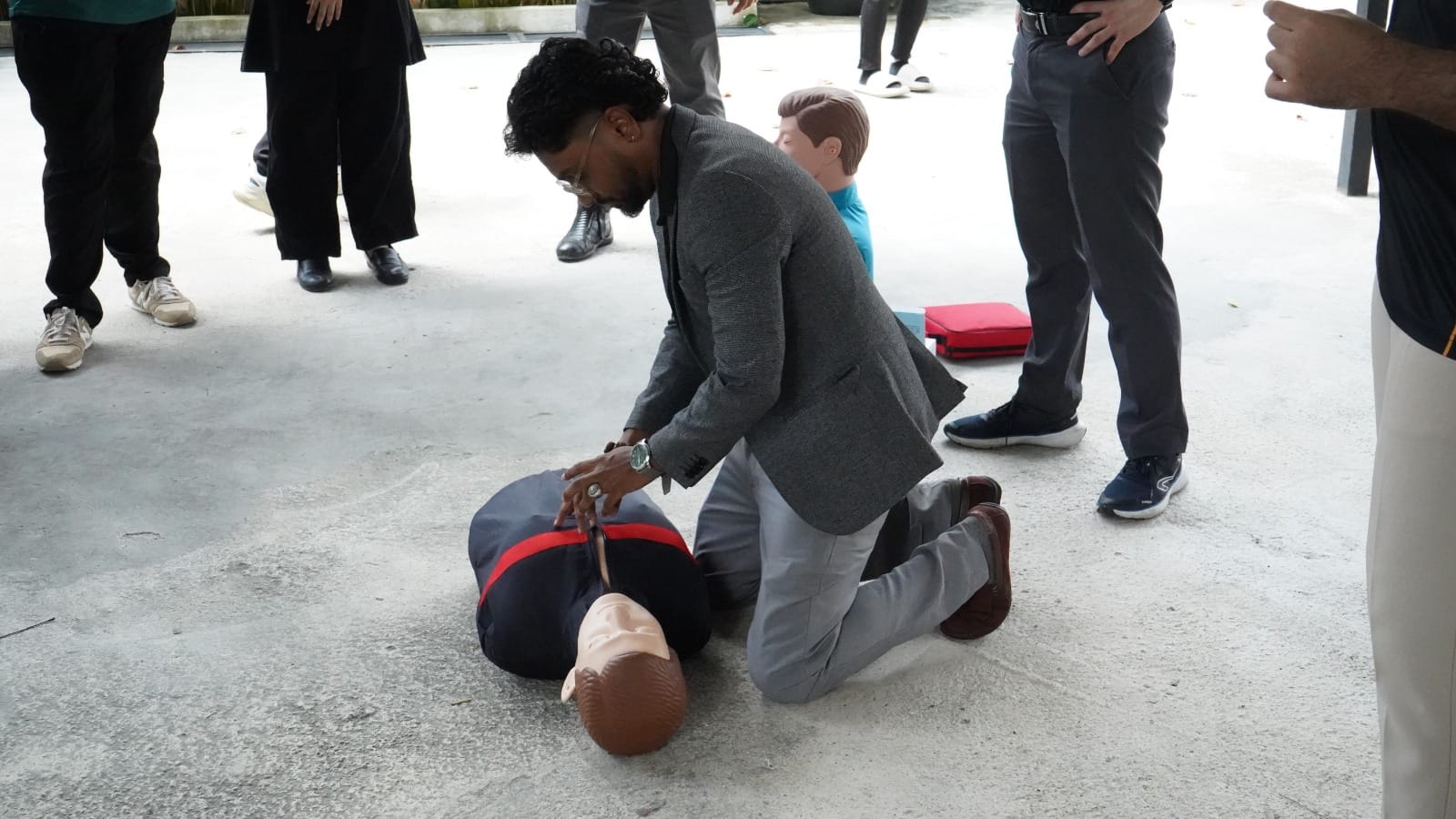
I was reminded of this importance during a recent first aid training programme conducted for healthcare support staff at an aged care facility. The training focused on emergency response procedures, including cardiopulmonary resuscitation (CPR), choking management, emergency communication, patient assessment, and the use of automated external defibrillators (AEDs).
While the training session was underway, an unexpected real-life emergency occurred.
An elderly female resident suddenly became unresponsive and developed signs of severe medical distress. Staff members who had just undergone emergency response training immediately recognised that something was wrong. Instead of panicking, they followed the principles that had been taught during the programme.
The team quickly assessed the resident, activated the emergency response process, monitored her condition, and provided the necessary immediate care while awaiting further medical assistance. Their calm and coordinated actions ensured that critical time was not lost.
Fortunately, the resident received timely intervention and was successfully stabilised.
For everyone present that day, it was a powerful reminder that emergencies do not wait for convenient moments. They can happen at any time, in any place, and often without warning.
More importantly, it demonstrated the value of preparedness.
Without proper training, staff may hesitate, panic, or fail to recognise early warning signs of a medical emergency. Even a delay of a few minutes can significantly affect patient outcomes. However, when staff are equipped with the right knowledge and practical skills, they can respond confidently and effectively during those crucial first moments.
First aid training in aged care facilities goes beyond learning CPR. It teaches healthcare workers how to identify deteriorating patients, recognise signs of stroke and cardiac arrest, manage choking incidents, control bleeding, respond to falls, and communicate effectively during emergencies. These skills can directly contribute to saving lives.
Furthermore, regular refresher training is equally important. Emergency response skills can diminish over time if they are not practised. Ongoing training ensures that staff remain competent, confident, and prepared to act when required.
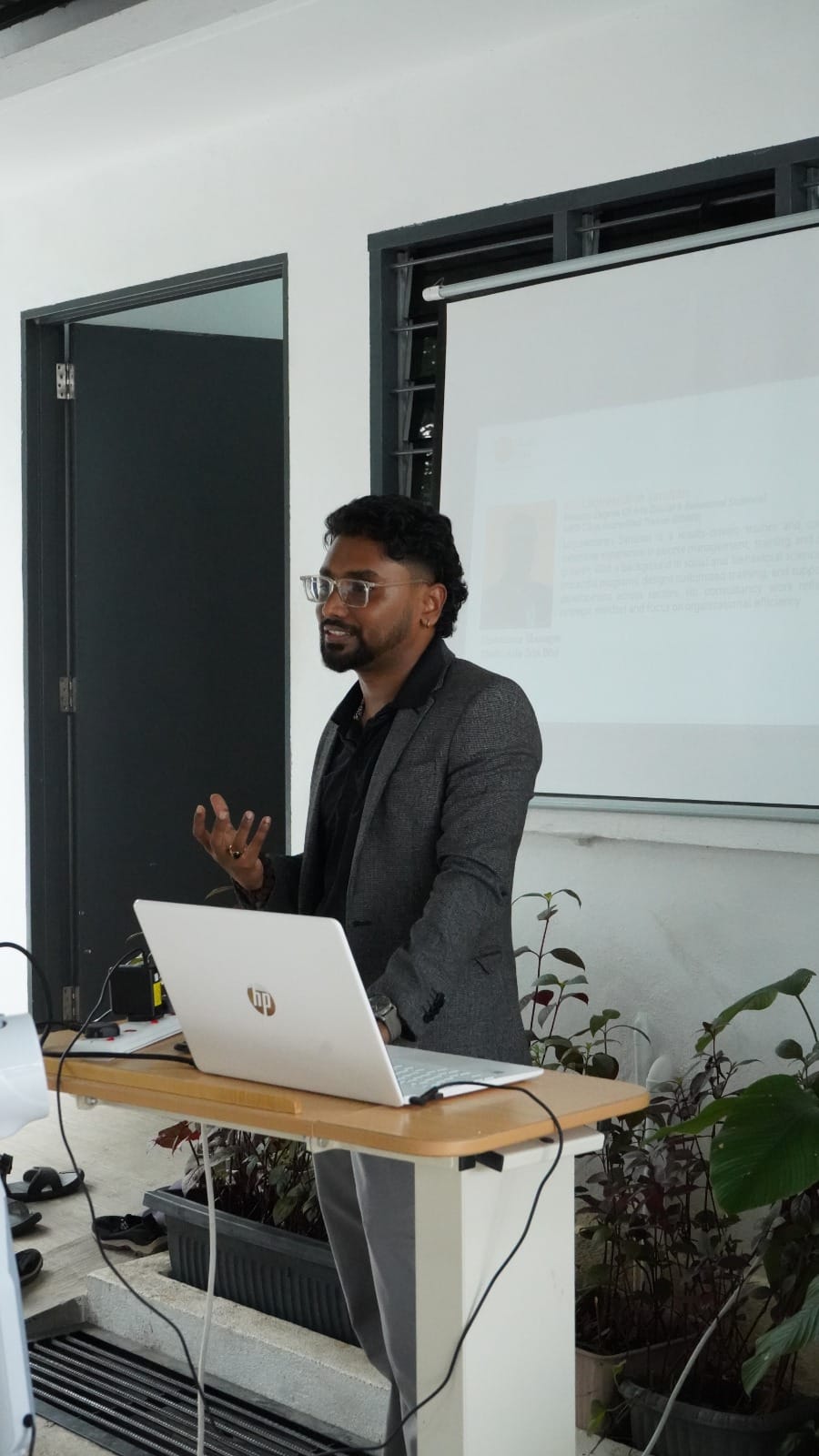
As someone who has conducted healthcare and first aid training programmes for many years, I strongly believe that every aged care home should prioritise emergency preparedness. Investing in staff training is ultimately an investment in resident safety.
The incident I witnessed during that training session reinforced a simple but powerful lesson: training works.
The healthcare support staff did not become heroes because they possessed extraordinary abilities. They became effective responders because they were trained, prepared, and willing to act when it mattered most.
In aged care, where residents depend on caregivers for their daily well-being, first aid knowledge can mean the difference between life and death.
Every aged care facility should strive to create a culture where emergency preparedness is part of everyday practice. Because when an emergency occurs, there may not be time to wait for help. The person who saves a life could very well be the staff member standing closest to the resident.
And that life could be someone’s mother, father, grandmother, or grandfather.
Laguvendran Sandran (laguvendran96@gmail.com) is a content creator under the Newswav Creator programme, where you get to express yourself, be a citizen journalist, and at the same time monetize your content & reach millions of users on Newswav. Log in to creator.newswav.com and become a Newswav Creator now!
The User Content (as defined on Newswav Terms of Use) above including the views expressed and media (pictures, videos, citations etc) were submitted & posted by the author. Newswav is solely an aggregation platform that hosts the User Content. If you have any questions about the content, copyright or other issues of the work, please contact creator@newswav.com.