
Doctors in China have identified a possible link between a virus commonly found in marine animals and a chronic eye condition in humans.
The finding may help explain a rise in cases of a rare but damaging disease that causes persistently high eye pressure and inflammation, and can threaten vision if left untreated.
The research, published in Nature Microbiology, suggests that a virus previously thought to infect only aquatic animals may be able to infect people under certain conditions.
An eye disease without a clear cause
The condition, known as persistent ocular hypertension viral anterior uveitis, or POH‑VAU, is marked by repeated episodes of inflammation in the front part of the eye and unusually high intraocular pressure.
Over time, this pressure can damage the optic nerve, increasing the risk of glaucoma and vision loss.
“Nearly three‑quarters reported frequently handling raw seafood without gloves, eating raw or undercooked aquatic animals, or both”
In recent years, eye specialists in China have reported more patients with POH‑VAU. Routine testing, however, consistently failed to detect the viruses most often linked to eye infections, such as herpes simplex or varicella‑zoster, leaving the cause unclear.
What the new study found now
To investigate, researchers examined 70 people diagnosed with POH‑VAU between 2022 and 2025. Using electron microscopy, they identified virus particles in eye tissue removed during surgery. The particles were about 25 nanometres across and closely resembled those of covert mortality nodavirus, or CMNV, a virus known to infect shrimp, fish and other aquatic species.
Further testing strengthened the link. A specialised antibody that binds only to CMNV attached to the virus particles found in patients’ eyes. Genetic sequencing showed that the virus shared almost 99 per cent of its genetic material with CMNV strains found in marine animals. No similar particles were detected in eye samples from healthy volunteers.
In laboratory experiments, the researchers infected cells and mice with the virus. The mice developed eye inflammation and raised eye pressure similar to that seen in human patients, supporting the idea that the virus can cause disease rather than simply being present.
In plain terms, the study suggests that infection with an aquatic virus is associated with this specific human eye condition.
Possible routes of infection
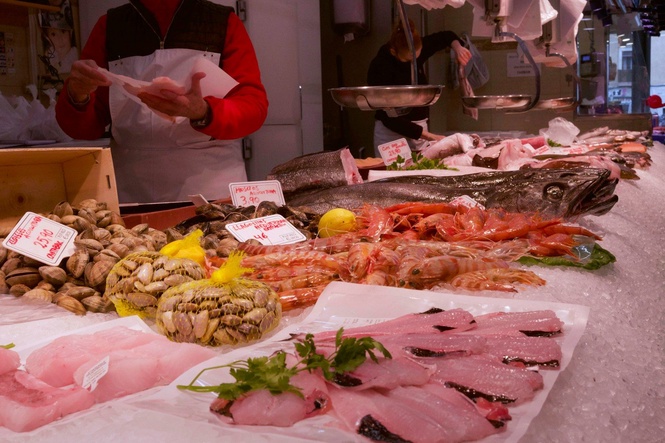
Interviews with patients pointed to common exposures. Nearly three‑quarters reported frequently handling raw seafood without gloves, eating raw or undercooked aquatic animals, or both.
These findings suggest that the virus may enter the body through contact with infected animal tissue, although the precise route by which it reaches and persists in the eye remains uncertain.
How strong is the evidence?
The evidence is suggestive but not definitive. The study combines observations in patients with laboratory and animal research, which together support a causal link.
However, the number of human cases studied is relatively small, and all were from one country.
The authors of the study emphasise that more research is needed to confirm how common this infection is, whether it occurs outside China, and why only some exposed individuals develop eye disease.
Does this pose a wider public health risk?
As part of their work, the researchers reviewed global data on CMNV and found it in 49 aquatic species across multiple continents, including Europe, Africa and the Americas. This indicates that human exposure to the virus is possible in many regions.
Even so, POH‑VAU remains rare, and there is no evidence of person‑to‑person spread. Most people who handle or eat seafood do not develop eye disease, suggesting that additional factors, such as individual immune responses, are likely to play a role.
What this means for patients and the public
The findings do not change current medical advice for the general public. There is no recommendation to avoid seafood, which remains an important source of nutrition.
For eye doctors, the research may encourage consideration of less common viruses when investigating unexplained cases of chronic anterior uveitis with high eye pressure, particularly in patients with frequent raw seafood exposure.
Treatment and prevention
At present, POH‑VAU is treated by controlling inflammation and lowering eye pressure, often with long‑term medication or surgery. Identifying a viral cause could eventually open the door to more targeted antiviral treatments, although none are available yet.
Simple hygiene measures, such as wearing gloves when handling raw seafood and avoiding consumption of raw aquatic animals, may reduce exposure, but their effectiveness in preventing this condition has not been formally tested.
What remains unknown
Key questions remain unanswered. Researchers still need to understand how the virus enters the eye, why it persists, and why only a small number of exposed individuals are affected.
Larger studies in other countries will be needed to assess how widespread this problem may be. This research adds to growing evidence that viruses can sometimes cross from animals to humans in unexpected ways.
While the condition described is uncommon, identifying its likely cause marks an important step towards better diagnosis and, eventually, more precise treatment.
The post A Seafood Virus Linked to Severe Eye Damage is Raising New Concerns first appeared on PP Health Malaysia.