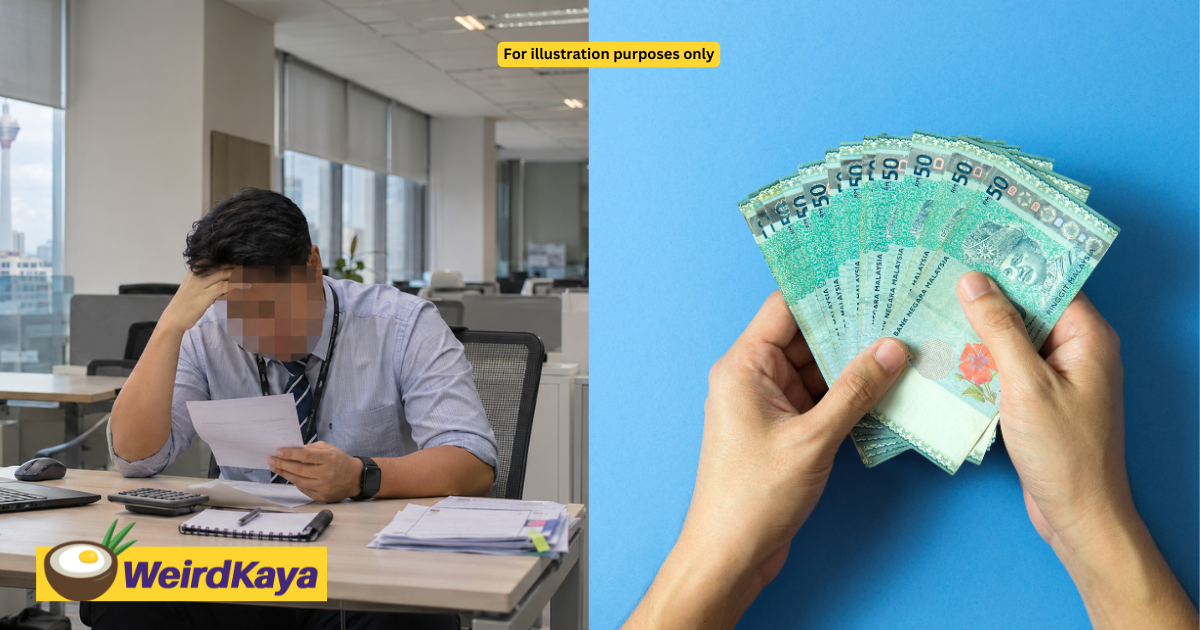
Your phone buzzes with a payment notification, and suddenly your account balance is $5,000 higher. You don’t recognize the sender, and you certainly weren’t expecting that kind of money. A few minutes later, a frantic message arrives from someone claiming they accidentally sent you their rent money, emergency savings, or down payment. They apologize repeatedly and beg you to return it before something terrible happens. Sending the money back might seem like the decent thing to do, but that simple act could leave you thousands of dollars poorer.
The $5,000 Payment Could Be the Beginning of a Scam
An unexpected payment isn’t automatically fraudulent, but it deserves careful attention. In September 2026, the Oregon Division of Financial Regulation issued a warning about criminals who send money through payment apps and then claim the transfer was accidental. The scammer asks the recipient to return the funds through a separate transaction. Unfortunately, the original payment may have come from a stolen credit card or compromised financial account. If that first transaction is later reversed, the person who returned the money could be left covering the loss.
Consider a hypothetical situation in which someone sends you $5,000 using a stolen payment method. You see the money appear in your account, and the sender immediately asks you to return the same amount. Wanting to help, you create a new $5,000 payment and send it to the stranger. Later, the original account holder reports the unauthorized transaction, and the payment provider reverses the initial credit. Depending on the provider’s rules and the circumstances, you could lose the $5,000 you voluntarily sent while also losing the original deposit.
Scammers often rely on emotional pressure rather than complicated technical tricks. The stranger may claim the payment was supposed to cover a mortgage, medical emergency, or overdue utility bill. They might send screenshots, provide a name, or offer details designed to make the situation seem legitimate. None of those things independently proves that the person owns the account or that the original transfer was authorized. A genuine mistake is possible, but the safest way to resolve it is through the payment provider rather than trusting an unfamiliar sender.
Don’t Treat the Payment as Free Money
Some people assume that if a stranger sends money to their account, they’re entitled to keep it. That isn’t a safe assumption because mistaken payments can create legal and financial obligations depending on the circumstances. A legitimate sender may have remedies for recovering funds transferred in error, while a provider may investigate and correct certain transactions. Spending the unexpected $5,000 could therefore create another problem if the money is subsequently removed from your balance. Leave the funds untouched while the financial institution determines what happened.
Different Payment Apps Handle Mistakes Differently
Venmo, Cash App, and Zelle don’t necessarily use identical procedures for correcting accidental payments. In a consumer investigation published by NBC Washington, Venmo advised contacting its support team for assistance with reversing an unexpected payment. Zelle directed recipients of mistaken transfers to their banks, while Cash App identified its transaction-specific Refund feature as an option. Those distinctions matter because using an official refund process isn’t necessarily the same as creating a separate payment to a stranger. Contact the relevant provider through its verified support channels and follow its current instructions for the exact transaction.
Never Send the Money to a Different Account
A particularly suspicious request involves someone asking you to return the money to a different username, telephone number, or payment platform. The sender may claim their original account was frozen or that they need the funds transferred to a relative. That creates another opportunity for criminals to move money away from the source of the initial transaction. The American Bankers Association advises consumers not to independently return unexpected payments to strangers and instead to contact the payment service. Any attempt to redirect the money outside the original transaction should raise immediate concerns.
What if the Stranger Threatens You?
Some scammers become aggressive when their requests for repayment are refused. They may threaten legal action, claim they know your address, or accuse you of stealing money that belongs to them. Don’t allow intimidation to push you into making an unverified transfer. Save the messages, stop engaging with the sender, and report threatening behavior to the payment provider or appropriate authorities. If the person is genuinely trying to recover an accidental payment, the provider’s official procedures remain the appropriate place to resolve the issue.
Contact Your Bank if the App Is Linked to Your Account
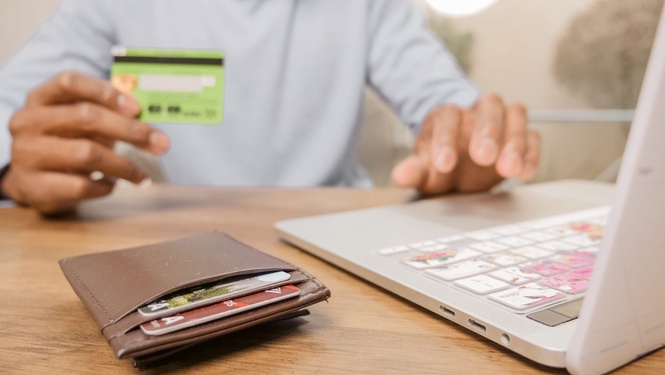
Many payment apps connect directly to checking accounts, debit cards, or credit cards. If you receive an unexpected $5,000 payment, contact the app’s support team and consider notifying the linked financial institution as well. Ask whether the payment is under review, whether any unauthorized activity has occurred, and how a legitimate correction would be handled. The Federal Trade Commission emphasizes independently verifying unusual payment requests because transfers can be difficult to recover. Use official websites or applications to obtain contact information rather than trusting links or telephone numbers supplied by the stranger.
Documentation can be useful if the payment becomes the subject of a fraud investigation. Save the original notification, transaction identification number, sender information, and any messages requesting repayment. Record when you contacted the provider and what instructions its representatives gave you. Avoid posting screenshots publicly because they may contain personal or financial information. Keeping an accurate record can help distinguish an accidental transfer from a deliberate attempt to trick you into sending money.
What Happens if You’ve Already Sent the $5,000?
If you returned the money through a new transaction, contact the payment provider immediately and explain what happened. Ask whether the transfer can be reversed, recalled, or investigated, and notify your bank if a linked account was involved. The FTC’s recovery guidance advises reporting suspected payment-app fraud promptly and requesting assistance with recovering the funds. However, reimbursement isn’t guaranteed, particularly when someone was tricked into authorizing a payment themselves. You can also report the incident through ReportFraud.ftc.gov and preserve evidence for further investigation.
Protect Your Payment Apps Against Other Scams
An unexpected payment is also a useful reminder to review the security of your financial applications. Enable multifactor authentication or an account PIN where available, and use unique passwords for financial accounts. Review linked cards, bank accounts, recent transactions, and any unfamiliar changes to your profile. Be cautious about public payment histories or personal information that could help criminals impersonate people you know. These precautions won’t prevent every mistaken transfer, but they can reduce the likelihood of additional account compromises.
A genuine payment mistake deserves to be corrected, but that doesn’t mean you should personally send thousands of dollars to an unfamiliar account. The danger comes from treating an unexpected deposit as verified money and creating a separate transaction before the original payment is investigated. Contact the payment provider, leave the funds untouched, and use its official correction process instead. If the sender is legitimate, those steps can help resolve the situation without exposing your savings to unnecessary risk.
If a stranger accidentally sent you $5,000, would you immediately return it, or would you contact your bank first?
Partner Pick: Want a clearer budget? Quicken puts your spending and bills in one place. See Quicken (affiliate link).