.jpg)

By Mihar Dias (C) Copyright May 2024
In the age of ubiquitous photography and relentless media scrutiny, a single image can encapsulate public sentiment, shaping and sometimes distorting perceptions of our leaders.
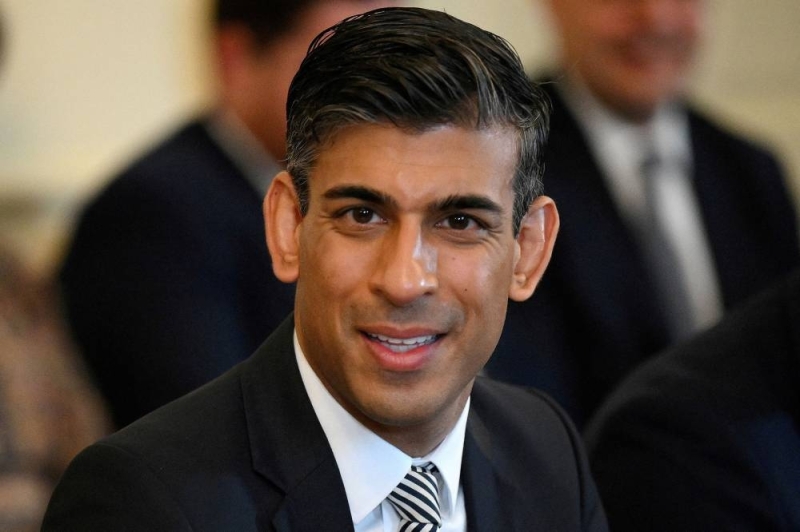
Recently, two images have sparked considerable debate and offered a candid glimpse into the challenges faced by the Prime Ministers of the UK and Malaysia.
The first image features Rishi Sunak, the Prime Minister of the United Kingdom, standing before a large signboard. A fortuitous alignment of his position and the text resulted in the unfortunate partial spelling of "MORON" behind him.
This candid photo, though accidental, resonates with a growing sentiment among the British public. As the UK heads towards a potential general election on July 4th, the date ironically coinciding with America's Independence Day—a reminder of the former colony's dramatic break from British rule—Sunak’s image seems emblematic of the discontent and frustration permeating British society. The economic turmoil, lingering Brexit aftershocks, and divisive domestic policies have led many to view Sunak's leadership with skepticism, if not outright disdain. This image, however unintended, captures the essence of a nation grappling with its future direction and the perceived missteps of its leaders.
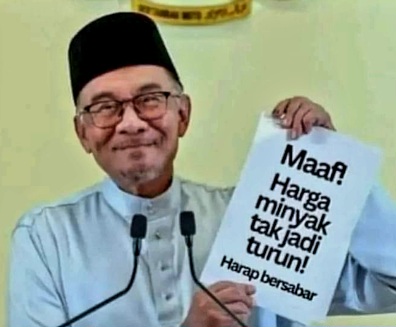
In stark contrast, the second image features Malaysia's Prime Minister Anwar Ibrahim, holding a board that reads "Harga Minyak Tak Jadi Turun" (petrol price is not going down).
This picture is particularly jarring given Anwar’s electoral promise to reduce petroleum prices. Instead, his government has recently raised diesel prices at the pumps, a move that has sparked widespread criticism and disappointment. Anwar's rise to power was fueled by a platform of economic reform and alleviating the financial burden on ordinary Malaysians.
The image of him holding this sign not only highlights a broken promise but also symbolises the broader challenges and contradictions faced by his administration. It underscores the difficulties of governing in an era of economic uncertainty and heightened public expectations.
Comparing these two images provides a fascinating insight into the current political climates of both nations. Sunak’s inadvertent association with the word "MORON" and Anwar’s explicit acknowledgment of rising fuel prices both serve as powerful symbols of the struggles their respective governments face.
For Sunak, the image inadvertently underscores a narrative of incompetence and frustration as the UK navigates a precarious economic and political landscape. For Anwar, the image is a stark reminder of the realities of governance and the complexities of delivering on campaign promises in a volatile global economy.
The implications of these images extend beyond mere political embarrassment. They reflect deeper issues within each country. In the UK, the image of Sunak hints at a growing disconnect between the government and the electorate, potentially influencing voter behavior in the upcoming election.
In Malaysia, Anwar's image signifies the harsh economic realities and the pressures of managing public expectations amid global economic turbulence.
In conclusion, while these images may be fleeting, their impact on public perception is profound. They serve as a reminder that leadership in the modern age is not just about policy and governance but also about managing image and expectations. Both Sunak and Anwar are navigating turbulent waters, and these candid moments, captured for all to see, reveal much about the trials and tribulations they face.
As voters and citizens, we must look beyond these images to the substantive issues they represent, holding our leaders accountable while understanding the complexities of the challenges they confront.
Mihar Dias is a content creator under the Newswav Creator programme, where you get to express yourself, be a citizen journalist, and at the same time monetize your content & reach millions of users on Newswav. Log in to creator.newswav.com and become a Newswav Creator now!
The User Content (as defined on Newswav Terms of Use) above including the views expressed and media (pictures, videos, citations etc) were submitted & posted by the author. Newswav is solely an aggregation platform that hosts the User Content. If you have any questions about the content, copyright or other issues of the work, please contact Newswav.