
Nobody puts 'comfortable with ambiguity' on a resume, but it gets you promoted.
I'm an introvert. Talking to a camera used to make me stiffen up in a way that ruined otherwise good footage, over and over, take after take. A few years ago, that would have quietly disqualified me from an entire category of work. These days, it doesn't, because I made myself get comfortable with it anyway.
I've done product reviews talking straight into a lens, hosted work-related YouTube and TikTok channels, appeared in a few commercial video ads, run live selling sessions on TikTok Shop, gone live for my own gaming hobby, and picked up video editing along the way because none of that content edits itself. None of it came naturally at first. All of it came from deciding I'd rather adapt than watch the opportunity go to someone else.
That's really what this piece is about. Not talent, not even hard skill. Adaptability, the quiet, unglamorous willingness to get uncomfortable on purpose before you're forced to.
The promotion that technically shouldn't have happened
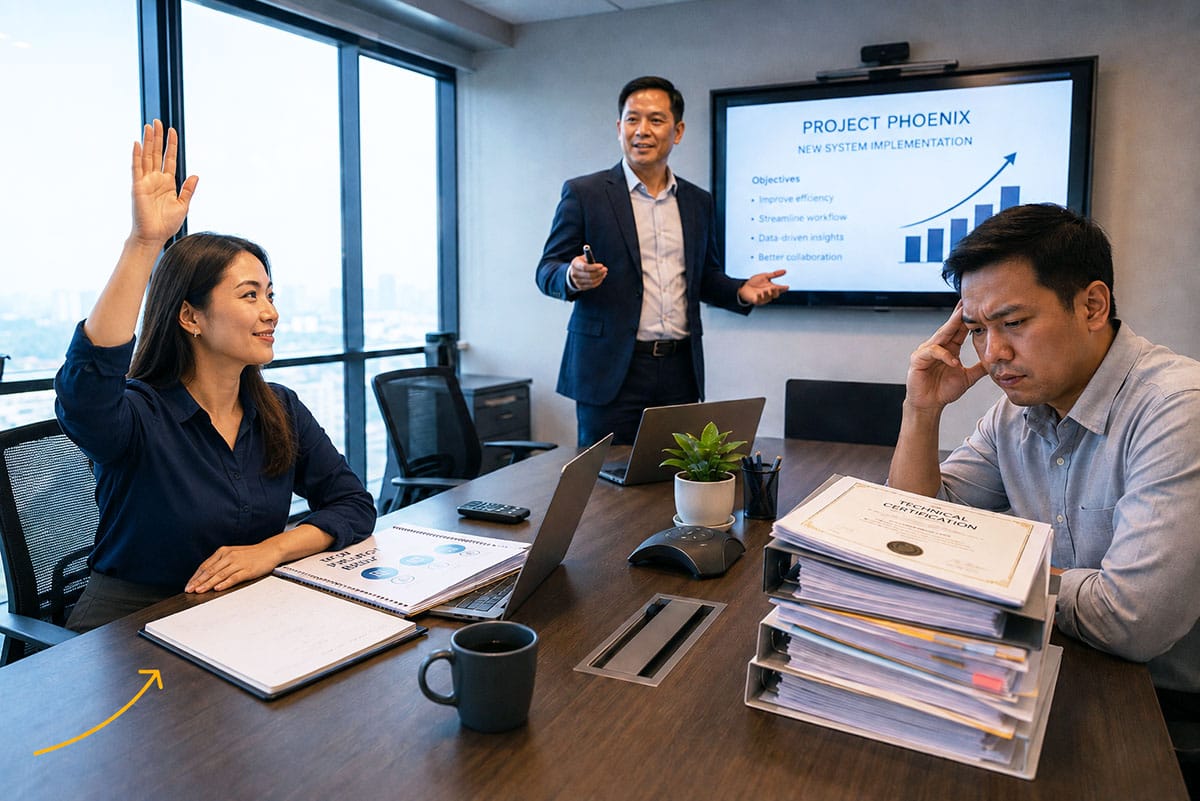
I've watched this play out with my own eyes more than once. Someone with less technical depth than a colleague gets the promotion, the new project, the client's trust, and everyone around them mutters about how unfair it is. Except it usually isn't unfair, it's just measuring the wrong thing.
The person who got picked was the one who said yes to the unfamiliar task, picked up the new tool without complaining, and didn't need six meetings to feel comfortable with a shifting brief. Technical skill tells you what someone can already do. Adaptability tells you what they'll be able to do next month, when the requirements inevitably change again, which they always do.
Nobody puts "comfortable with ambiguity" on a resume, because it's hard to prove with a bullet point. But managers notice it constantly, in who volunteers for the messy new project, who adjusts without sulking when the brief changes halfway through, and who doesn't need everything mapped out before they'll move.
It shows up in small moments that never make it into a performance review. Someone gets handed a task nobody trained them for, and instead of pushing back or waiting for a manual, they poke at it, ask a few questions, and figure out enough to get moving.
Six months later, that person is the one trusted with the next unfamiliar thing, not because they're smarter, but because they've already proven they won't freeze the moment the ground shifts under them.
Why this matters more right now, not less
Content creation is a good example of an entire career path that barely existed the way it does now, and adaptability is the only reason ordinary people have been able to walk into it. In Malaysia, 7.2 million creators went live on TikTok last year alone, and 4.5 million of them actually generated income from it between October 2024 and 2025.
Former bankers, musicians, distribution workers, people whose original training had nothing to do with holding a phone up and talking, have built entire second careers because they were willing to look a bit awkward in front of a camera before they got good at it.
That's the same instinct employers are quietly rewarding everywhere else too. One recent breakdown of workplace skills for 2026 described adaptability as the ability to anticipate change and position yourself as a problem solver, not just react calmly when something unexpected lands on your desk.
The people who build that muscle stay relevant, seize opportunities others walk past, and generally handle uncertainty with less internal panic than everyone around them.
What actually built the skill, for me
I didn't become comfortable on camera by waiting until I felt ready. I got a bit of practice in low-stakes situations first, a short product review here, a small hosting gig there, each one slightly less mortifying than the last, until eventually the discomfort just stopped registering.
Adaptability isn't a personality trait some people are born with and others aren't. It's closer to a muscle you build through small, repeated exposure to situations that make you a little uneasy, on purpose, before circumstances force the exposure on you anyway.
The upskilling matters too, but only once you've already decided to show up in the first place. I could have learned video editing perfectly and still never made a single video if the discomfort of being on camera had stayed unresolved. Skill without the willingness to adapt just sits there, unused.
What I'd actually tell a friend who keeps getting passed over
Watch the people who do get promoted, and study what they actually do differently, not what their resume says. Nine times out of ten it isn't a hidden technical superpower. It's that they said yes to the unfamiliar thing while everyone else was still deciding whether they felt ready.
You don't need to overhaul your personality to build that same instinct. You just need to stop waiting for comfort to arrive before you start moving, because for most people, in most situations, it never quite does. You get comfortable by going first, not the other way around.
Kamarul Azwan (k.azwan@gmail.com) is a content creator under the Newswav Creator programme, where you get to express yourself, be a citizen journalist, and at the same time monetize your content & reach millions of users on Newswav. Log in to creator.newswav.com and become a Newswav Creator now!
The User Content (as defined on Newswav Terms of Use) above including the views expressed and media (pictures, videos, citations etc) were submitted & posted by the author. Newswav is solely an aggregation platform that hosts the User Content. If you have any questions about the content, copyright or other issues of the work, please contact creator@newswav.com.