INTERNATIONAL financial analysts see the possibility of revisions to their economic growth projections for the Philippines following the dismal results of the gross domestic product (GDP) report for the third quarter and the surge in inflation last month.
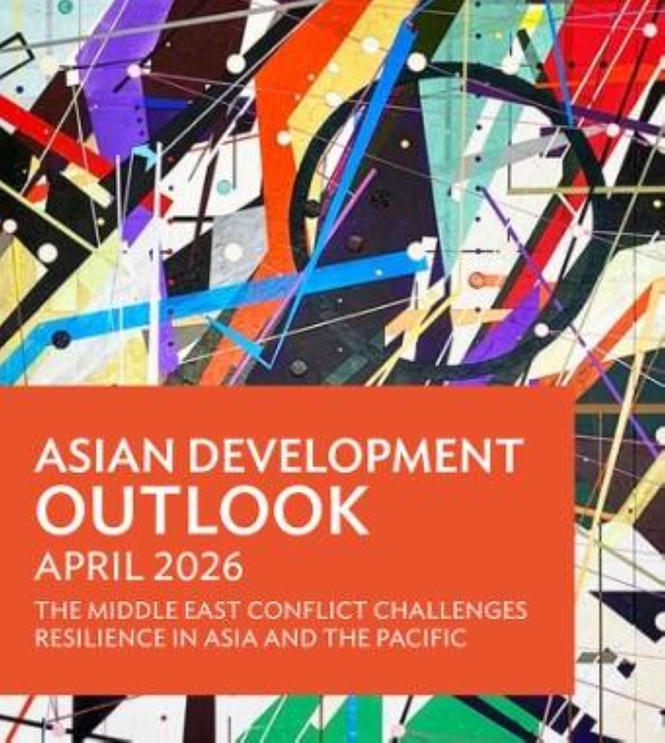
“We do an ADO [Asian Development Outlook] update every December. So we’ll be coming out with updated projections,” ADB Philippines Country Director Andrew Jeffries told The Manila Times at the sidelines of the Asean Inclusive Growth Summit 2026 on Wednesday.
“We may retain or it [outlook] likely changes,” Jeffries added.
ADB regularly reviews its economic forecasts to account for changing conditions, with its next update scheduled for Dec. 9, Jeffries said.
The country’s economy slumped to 2.1 percent in the third quarter of this year, markedly lower than the 4.0 percent and 2.3 percent recorded a year and a month earlier.
Gross capital formation remained negative at 0.2 percent in the third quarter from -2.0 percent in the July to September 2025.
The Manila-based lender, in its September ADO, already trimmed its GDP growth outlook for the country to 3.3 percent this year, down from the previous forecast of 3.8 percent. This is below the 3.5 to 4.5 percent target of the government for the year.
It has also revised its outlook for next year downward to 5.1 percent from 5.3 percent.
ADB previously said that slower-than-expected investment recovery would be a key risk to the Philippine economy, as public infrastructure spending continued to decline amid tighter budget controls and delays in project implementation.
Sluggish consumption
BMI Country Risk & Industry Research, meanwhile, said the weak momentum in the country’s economy could carry over until next year.
A unit of Fitch Group, BMI further revised its growth forecast downward to 2.6 percent this year from the previous 3.0 percent. It also trimmed its outlook for next year to 4.0 percent from the previous 4.5 percent.
Both are well below the government’s target of 3.5 to 4.5 percent and 5.0 to 6.0 percent for this year and next year, respectively.
BMI said that inflation, which soared to a near four-year high of 7.8 percent last month, would further erode consumption and drag the economy.
“Sluggish consumption will cap near-term economic recovery,” BMI said.
“The lagged effects of monetary tightening should also become more pronounced in the coming months, with higher borrowing costs constraining demand,” it added.
Geopolitical risks
Singapore-based United Overseas Bank Ltd. (UOB) also revised down its full-year growth forecasts to 2.5 percent for 2026 from 3.2 percent and 4.2 percent for 2027 from 5.0 percent.
“While fiscal expansion and favorable base effects may provide some support, the growth outlook remains contingent on geopolitical developments, weather-related risks, the trajectory of US Fed policy, lingering effects from public sector governance issues, and the BSP’s tightening cycle,” UOB said.
UOB said that the slower-than-expected growth could prompt the Bangko Sentral ng Pilipinas (BSP) to recalibrate toward a more measured tightening pace.
“Although a pause appears to be a weak case for now amid persistent inflationary pressures and continued peso weakness,” UOB said.
The BSP policymaking body, the Monetary Board, has raised key policy rates by a total of 125 basis points to 5.5 percent.
Without clearer signs of disinflation and further developments in the Middle East, UOB said they continue to expect two additional 25 bps rate hikes in December 2026 and the first quarter of 2027.
This would bring the rates higher at 6.0 percent, with UOB saying the central bank would likely remain on hold through 2027.