

The situation at the Fukushima Daiichi nuclear power plant has garnered widespread attention as treated, yet slightly radioactive wastewater is being released into the Pacific Ocean. This article aims to provide an informative overview of the ongoing process, addressing the concerns and controversies that have arisen in this complex scenario.
The origin of the wastewater dilemma
In the aftermath of the devastating March 2011 earthquake and tsunami, the Fukushima Daiichi nuclear power plant experienced catastrophic failures in its cooling systems, leading to the meltdown of three reactors. Consequently, highly contaminated cooling water seeped into building basements and intermixed with groundwater.
Tokyo Electric Power Company Holdings (TEPCO), the plant operator, has striven to curtail the inflow of groundwater and rainwater into the reactor area. This has resulted in a reduction of the daily influx of contaminated water to around 100 tons, a fifth of the initial volume.
The imperative for release
To pave the way for the lengthy decommissioning process and to mitigate the risk of accidental tank leaks, the Japanese government and TEPCO have embarked on the release of treated wastewater from the plant. This decision stems from the necessity to create space within the plant complex by emptying the nearly full storage tanks.
The International Atomic Energy Agency (IAEA) has lent its support to Japan's endeavor, underlining the importance of adhering to international safety norms and ensuring transparency. The Japanese government has actively campaigned to promote the safety of this release both domestically and on the global stage.
Water treatment and composition
The wastewater is subjected to the Advanced Liquid Processing System, which can reduce the levels of more than 60 selected radioactive elements to within permissible limits set by the government. However, tritium, a radioactive isotope, remains in the water at levels deemed safe for human consumption in small quantities.
About 70% of the water in the tanks still contains various radionuclides exceeding government-set thresholds. This water will undergo further treatment until these concentrations comply with standards. Subsequently, it will be diluted by over 100 times its volume in seawater before being discharged, resulting in radioactivity levels far below international safety limits.
Addressing safety concerns
The IAEA's assessment has indicated that, if executed as planned, the wastewater release will have negligible ecological and health impacts. Rafael Grossi, Director-General of the IAEA, expressed satisfaction with the preparations during his visit to the plant in July.
The Japanese government maintains that the release of tritium into the ocean is a standard practice in nuclear facilities globally and asserts that the quantities will be significantly lower than those released by plants in other countries.
Although the majority of scientists support the IAEA's conclusions, some urge for greater scrutiny of the lingering low-dose radionuclides present in the water. They stress the need for more comprehensive data on the potential long-term effects of these elements on marine life and the environment.
The method and pace of release
The wastewater release commenced with the least radioactive water to ensure safety. The water is piped to a coastal area where it is blended with a substantial volume of seawater. The diluted mixture is then channeled through an undersea tunnel and released into the Pacific Ocean, approximately one kilometer off the coast.
This gradual discharge is expected to span several decades, aligning with the timeline of the plant's decommissioning. TEPCO plans to release a total of 31,200 tons of treated water by March 2024.
A multifaceted concern
The release of radioactive wastewater raises multifaceted concerns, particularly for the Fukushima region's fisheries and tourism industries. These sectors are still in the process of recovery from the 2011 disaster, and there are apprehensions about further damage to their reputation.
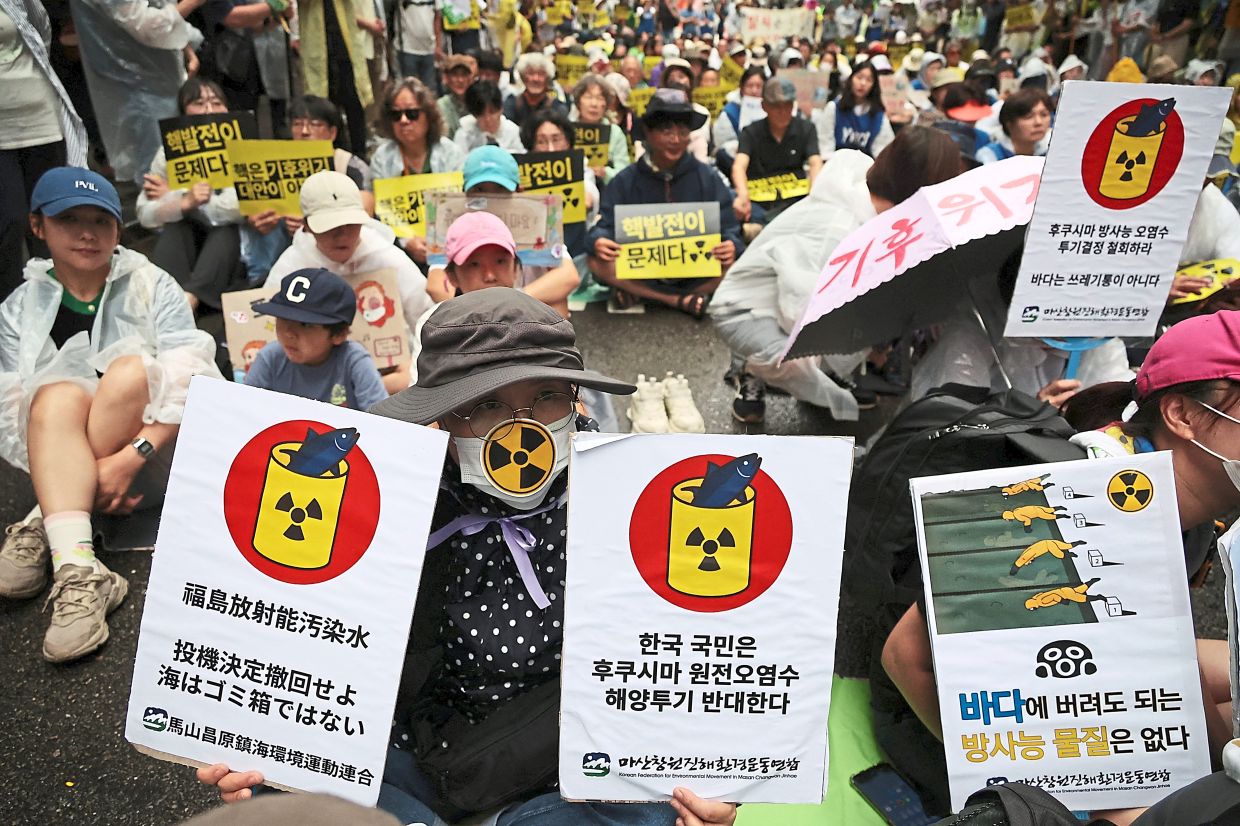
While scientific assessments may assure safety, the perception of safety among the public and consumers may diverge. South Korea and China have voiced concerns, turning this issue into a political and diplomatic matter. China, in particular, has escalated its scrutiny of products from Fukushima and neighboring prefectures.
Mitigating potential risks
The Japanese government underscores that the potential risks of the wastewater release are largely confined to reputational damage resulting from unfounded rumors. To counteract this, the government has allocated funds to support affected industries and manage potential reputation-related challenges. TEPCO has also committed to addressing claims arising from reputational damage.
In conclusion, the release of treated radioactive wastewater from the Fukushima Daiichi nuclear power plant into the Pacific Ocean is a complex issue that demands careful consideration of environmental, economic, and safety factors. While experts and international organizations offer reassurances, addressing public concerns and ensuring transparent communication remain paramount.
Kamarul Azwan is a content creator under the Newswav Creator programme, where you get to express yourself, be a citizen journalist, and at the same time monetize your content & reach millions of users on Newswav. Log in to creator.newswav.com and become a Newswav Creator now!
The User Content (as defined on Newswav Terms of Use) above including the views expressed and media (pictures, videos, citations etc) were submitted & posted by the author. Newswav is solely an aggregation platform that hosts the User Content. If you have any questions about the content, copyright or other issues of the work, please contact Newswav.