
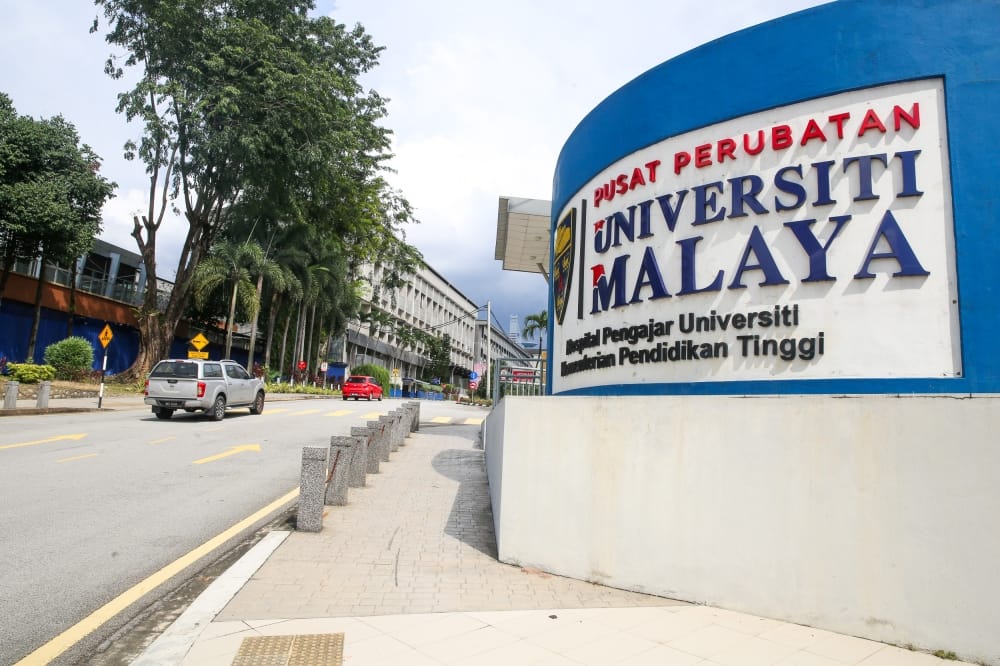
KUALA LUMPUR, May 2026 – Malaysia is currently grappling with a dual-front crisis that threatens both internal public health trust and external economic sovereignty. At the heart of the capital, a harrowing legal battle has erupted as a former staff member of Universiti Malaya Medical Centre (UMMC/PPUM) filed a high-stakes negligence suit, alleging that a "cancer cluster" was birthed within its radiology walls. Simultaneously, across the Melaka Strait, Jakarta has sent shockwaves through regional trade by floating a controversial maritime "toll" policy a move that, if realized, could fundamentally alter Malaysia’s status as a global shipping hub.
Inside the PPUM "Cancer Cluster": A Fight for Accountability
The tranquility of Malaysia’s premier teaching hospital has been shattered by allegations of systemic safety failures. In April 2026, Nur Fauzia Abdul Razak, a former radiographer at PPUM’s Nuclear Medicine Unit, initiated a civil suit against the institution. Her claim is as simple as it is devastating: that lapses in Standard Operating Procedures (SOPs) during the operation of PET-CT scanning machines led to her developing Stage 4 lymphoma.
The investigation into PPUM reveals a deeply polarized narrative:
- The Allegations: Reports from Malaysiakini and CodeBlue suggest a potential "cluster" involving at least seven staff members. This includes three diagnosed with various cancers (lung, leukemia, and breast) and four others suffering from thyroid diseases.
- The Institutional Defense: Universiti Malaya (UM) issued a stern rebuttal, stating that official records show staff radiation exposure levels are "significantly lower" than the gazetted dose limits.
- Regulatory Verdict: The Ministry of Health’s (MOH) Medical Radiation Regulatory Division (BKRP) and the Atomic Energy Licensing Board (AELB) conducted an audit in October 2025. Their finding? No procedural violations were detected.
Despite the "clean bill of health" from regulators, the optics for the Malaysian public are concerning. If a frontline healthcare worker trained in radiation safety alleges negligence, it raises the question: Are our monitoring systems sensitive enough to detect long-term, low-dose cumulative risks, or are we relying on outdated metrics?
The Indonesian Maritime Offensive: A Toll on the Horizon?
While PPUM fights a domestic fire, Malaysia’s Ministry of Foreign Affairs is busy dousing a regional one. In late April 2026, a diplomatic firestorm was ignited when Indonesian Finance Minister, Dr. Purbaya, suggested that Indonesia might "offensively" consider imposing levies on ships transiting the Strait of Melaka.
The proposal, which Dr. Purbaya later attempted to walk back as a "non-serious" remark, aligns with President Prabowo Subianto’s directive for Indonesia to play a more dominant role in global trade. However, for Malaysia, the implications of such a "maritime toll" are catastrophic.
Key Data Points on the Maritime Shift:
| Aspect | Current Status | Proposed/Feared Change |
|---|---|---|
| UNCLOS Compliance | Freedom of navigation guaranteed. | Potential unilateral levies for "services." |
| Vessel Requirements | 5,000 GT for Foreign JVCs. | Increased to 50,000 GT under Law No. 66/2024. |
| Ownership | Mixed ownership common. | Mandatory majority Indonesian licensing for vessel operators. |
The Impact on the Malaysian People
The intersection of these two issues hits the average Malaysian where it hurts: the wallet and the hospital bed.
- Healthcare Trust: PPUM is a cornerstone of affordable tertiary care. If the public perceives it as unsafe, the spillover effect to other government hospitals could be a surge in "fear-based" avoidance of critical screenings, leading to late-stage cancer diagnoses nationwide.
- Economic Inflation: The Strait of Melaka is Malaysia’s lifeblood. Any unilateral toll by Indonesia no matter how "informal" would immediately increase the cost of imported goods, from electronics to basic food items, as shipping lines pass the costs to consumers.
- Job Security: Stricter Indonesian maritime laws (Law No. 66/2024) require foreign-linked shipping firms to own vessels of at least 50,000 GT. This effectively squeezes out smaller Malaysian maritime players who rely on joint ventures with Indonesian partners.
Expert Analysis and Opinion
Based on the available data, the PPUM situation appears to be a clash between clinical data and human experience. While the MOH reports "compliance," the existence of seven cases in one department warrants a deeper, independent epidemiological study that goes beyond simple dosimeter readings. Compliance with the Atomic Energy Licensing Act 1984 does not inherently rule out localized "hot zones" or equipment malfunctions that occurred between audit cycles.
On the maritime front, Indonesia’s "offensive" posturing is a wake-up call for Wisma Putra. Jakarta is clearly testing the boundaries of the United Nations Convention on the Law of the Sea (UNCLOS). Even though Foreign Minister Sugiono reassured the region that Indonesia will respect international law, the mere mention of a toll suggests that the "Freedom of Navigation" we take for granted is under threat.
"The reality is that Malaysia can no longer afford to be a passive observer in the Melaka Strait. We are witnessing a shift from cooperation to maritime competition," says a regional analyst.
What Do You Think? I’d Love to Hear Your Opinion in the Comments Section.
Malaysia stands at a juncture where it must defend its internal health standards and its external economic borders. The PPUM case is a litmus test for hospital accountability in the 21st century will we protect the institution or the individual? Meanwhile, the Indonesian maritime shift serves as a reminder that "sovereignty" in the Strait of Melaka is a shared responsibility that requires constant diplomatic vigilance.
Summary of Main Impacts:
- Legal Precedent: The Nur Fauzia suit could open the floodgates for more medical negligence claims regarding occupational hazards.
- Regional Tension: Any move by Indonesia to charge transiting ships will require a joint agreement with Malaysia and Singapore; unilateral action would violate UNCLOS.
- Economic Risk: Increased shipping costs and stricter Indonesian vessel requirements threaten Malaysia's logistics sector.
AM World (tameer.work88@gmail.com) is a content creator under the Newswav Creator programme, where you get to express yourself, be a citizen journalist, and at the same time monetize your content & reach millions of users on Newswav. Log in to creator.newswav.com and become a Newswav Creator now!
The User Content (as defined on Newswav Terms of Use) above including the views expressed and media (pictures, videos, citations etc) were submitted & posted by the author. Newswav is solely an aggregation platform that hosts the User Content. If you have any questions about the content, copyright or other issues of the work, please contact creator@newswav.com.