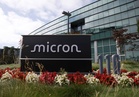
A single 16GB stick of DDR5 memory now costs almost as much as an entry-level laptop in Taiwan, as AI servers soak up the world's memory chip supply. Taiwanese retailers say mainstream 16GB modules from Kingston are quoted at about NT$9,400 (about US$295), up from roughly NT$1,700 in early 2026, and could break NT$10,000 by the end of the year.
The surge is not limited to DRAM. Prices for solid-state drives (SSDs) and memory cards have also climbed sharply, with some memory cards more than tripling in price since the start of the year, driving up the cost of upgrading a PC or buying storage. Industry forecasts suggest the squeeze could last into 2027.
Retail DDR5 Prices Have More Than Quadrupled This Year
Price lists from Taiwan's computer retail channel show how steep the climb has been. For memory from Taiwan's ADATA Technology, quotes rose between early 2026 and October 20 as follows:
- DDR5 8GB: from about NT$1,000 to NT$4,300, up 330%
- DDR5 16GB: from NT$1,700 to NT$8,200, up about 382%
- DDR5 32GB: from NT$3,600 to NT$15,000, up about 317%
Kingston's mainstream 16GB module has gone further. At around NT$9,400, it is up 453% from the NT$1,700 starting point, or roughly 5.5 times its price at the start of the year. Retailers expect continued tightness upstream to push 16GB modules past NT$10,000 by year-end, though actual prices vary by brand, retail channel, model, operating speed, and purchase terms.
Memory used to be one of the cheapest and easiest parts to upgrade. As DDR5 has become the standard for new desktops and laptops, 16GB has become the common configuration for office work, multitasking, and everyday use, while some games and demanding applications call for 32GB or more. With a single 16GB DDR5 stick now nearing NT$10,000, moving from 16GB to 32GB costs far more than it once did, a heavy blow to the price-sensitive market for self-built PCs.
Retailers say the pace of this year's increases is unusual. Prices for mainstream capacities keep rising, other brands have been raising their quotes as well, and there is no clear sign of a reversal in the short term. The rally reflects a structural shift in upstream supply combined with growing AI demand rather than a short-lived seasonal swing.
SSD And Memory Card Prices Are Climbing Too
Storage built on NAND flash memory is under the same pressure. An ADATA 1TB PCIe Gen4 internal SSD with read speeds of about 6,000MB/s cost about NT$2,000 in early 2026. By October 20 it had risen to about NT$5,500, an increase of 175%, or 2.75 times its starting price.
External SSDs have been more volatile. Samsung's T7 1TB external SSD, with read speeds of about 1,000MB/s, cost about NT$4,200 at the start of the year and fell to about NT$2,600 at midyear before rebounding to NT$7,500 by October 20. That is about 79% above its early 2026 price and nearly 188% above its midyear low, a reminder that SSD prices can still swing widely with inventory adjustments, retail promotions, and changes in supply.
Memory cards used in cameras, dashcams, and other devices have seen similarly steep increases, according to retail data:
- 32GB: from about NT$230 to NT$700, up about 204%
- 64GB: from NT$260 to NT$850, up about 227%
- 128GB: from NT$450 to NT$1,300, up about 189%
- 256GB: from NT$750 to NT$2,000, up about 167%
- 512GB: from NT$1,400 to NT$3,700, up about 164%
In other words, the price wave has spread well beyond high-end PC memory to the everyday storage that ordinary consumers buy.
AI Servers Are Crowding Out Consumer Memory
The root cause lies in how the world's memory makers are allocating capacity. As Nvidia and others roll out new AI computing platforms and cloud service providers (CSPs) expand their data centers, demand for high-bandwidth memory (HBM), server DRAM, and enterprise SSDs has grown rapidly.
For Samsung Electronics, SK hynix, and Micron, the three largest DRAM makers, servers and other high-value products have become a top priority for production capacity. As advanced manufacturing processes and related resources shift toward AI, less supply is left for consumer memory.
Taipei-based research firm TrendForce said on September 30 that it expects contract prices for conventional DRAM to rise 10% to 15% quarter on quarter in the fourth quarter of 2026, and NAND flash contract prices to climb 15% to 20%.
Although end demand for PCs is weak, TrendForce said PC brands are still buying DRAM because they expect supply to remain tight in 2027. Memory makers are also shifting some capacity to server products, which could shrink PC DRAM supply further next year.
The NAND flash market is splitting by application. AI computing is driving demand for enterprise SSDs, especially high-capacity QLC drives favored by cloud providers, while demand for consumer SSDs is weaker. Some PC brands are even cutting SSD capacity in mainstream computers to control costs. Both markets face rising supply chain costs, but their price movements are not the same.
Taiwan Memory Makers May Gain, But Earnings Will Tell
For Taiwan's memory industry, higher prices could help some DRAM and storage companies improve pricing and results. Investors are watching Nanya Technology, Winbond Electronics, ADATA, Transcend Information, and Phison Electronics. Each company has a different product mix, inventory cost, purchasing contracts, and sales markets, however, so whether higher prices translate into profits will only become clear in their coming financial reports.
For consumers and PC builders, the picture is simpler: upgrading or buying a computer has become much more expensive. With a 16GB DDR5 module that cost about NT$1,700 at the start of the year now nearing NT$10,000, and supply likely to stay tight through 2027, the memory price wave is reshaping the component market and testing whether PC and laptop brands can pass the higher costs on to buyers.
You've read it. Now join the conversation — follow us on X, Facebook and IG. Editor: Penny Wang