People living in places with higher levels of air pollution are more likely to develop glaucoma and cataracts, according to a review of studies that adds to the case for tighter air quality standards.
There’s strong evidence that exposure to polluted air harms the heart and lungs, but much less is known about its effects on the eyes.
Cataract makes the lens of the eye cloudy, causing blurred vision and loss of sight. It’s the leading cause of impaired vision worldwide, affecting around 94 million people.
In glaucoma, which affects around 7.7 million people worldwide, the main nerve that connects the eye to the brain becomes damaged and can lead to vision loss.
“We've known for years that air pollution damages the lungs and heart, but its effects on the eyes have been much less studied and the existing evidence was scattered and inconclusive,” said Ahmed Alnabihi from King Khaled Eye Specialist Hospital in Riyadh, Saudi Arabia, who was involved in the study. “Every day, we see patients losing vision to conditions like glaucoma and cataract. If something environmental is accelerating these conditions, that changes our thinking and suggests we could take action to reduce the risks.”
The research review, presented at the 44th Congress of the European Society of Cataract and Refractive Surgeons, looked at all existing research in this area. It covered 41 studies, drawing on data from millions of people across East Asia and the UK and including some of the largest eye health databases in the world.
Researchers specifically looked at levels of several types of air pollution like particulate matter, nitrogen dioxide, sulphur dioxide, ozone and carbon monoxide.
They compared these with how many people were diagnosed with glaucoma, cataracts or age-related macular degeneration.
The higher the levels of fine particulate matter pollution in the air, the greater the risks of glaucoma, researchers found.
Those living in the most polluted areas had up to 70 per cent higher odds of glaucoma compared with those in the least polluted areas.
People in the polluted areas also faced a consistently higher risk of developing cataracts. The higher the pollution the greater the risk, the study found.
“The clearest finding was for fine particulate matter, the tiny particles in smoke, vehicle exhaust and industrial pollution that are small enough to get deep into the body,” Dr Alnabihi said.
“For every meaningful step up in pollution exposure, the risk of glaucoma rose by around eight per cent and cataracts by around four per cent.”
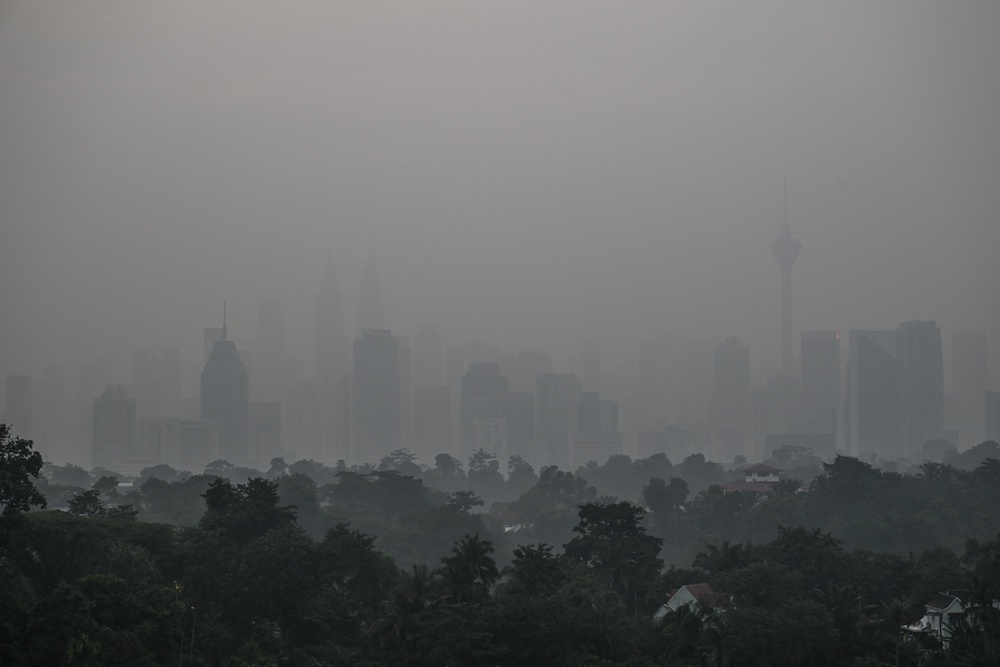
Previous studies show that fine particles in air can cause inflammation and stress across the body.
These effects may damage the optic nerve over years of exposure, which may be linked to glaucoma and cataracts.
Since the eye is directly exposed to the environment, unlike most organs, it may be more easily affected by particulate matter.
“These findings add weight to the case for tighter air quality standards and pollution-reducing measures such as green spaces and traffic reduction in cities,” Dr Alnabihi said.
“Policymakers who need to justify investment in emission controls now have one more evidence-based reason to do so, and it’s one that affects our vision – a sense people are particularly afraid of losing.”
Read MoreThe ‘youth protein’ that protects brain cells from age-related decline
New praying mantis species discovered hiding in plain sight
The way we keep time with the sun will be changing forever next year
The eye condition that may signal dementia years before memory begins to fail
Exposure to common household chemicals linked to breast cancer risk
The body fat linked to better mental and physical health – according to experts