
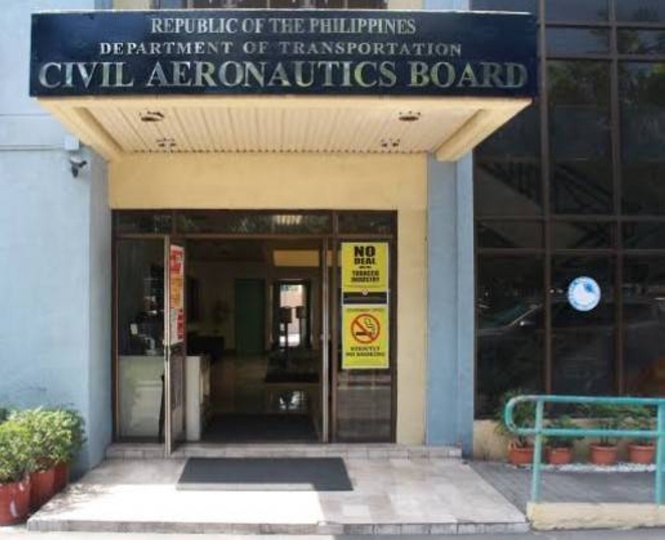
AIRFARES are set to rise in the first half of September after the Civil Aeronautics Board (CAB) raised the fuel surcharge due to higher jet fuel prices.
A fuel surcharge is an optional fee that airlines may impose to recover higher fuel costs. It is separate from the base fare.
In an advisory, the CAB said passenger and cargo fuel surcharges for domestic and international flights will increase to Level 13 for Sept. 1–15, compared with Level 12 for Aug. 16–31.
Under Level 13, the passenger fuel surcharge for domestic flights will range from P423 to P1,237, depending on distance. For international flights, the fees will range from P1,396.74 to P10,385.42.
For cargo, airlines may impose a fuel surcharge of P2.17 to P6.36 per kilogram for domestic flights, and P7.18 to P53.39/kg for international flights.
CAB is currently implementing a 15-day monitoring and implementation cycle for passenger and cargo fuel surcharges, replacing the standard monthly cycle and temporarily suspending certain provisions of CAB Resolution 25 (2022).
The aviation regulator said the interim measure is intended to address the impact of surging fuel prices on passengers and airline operations. It will remain in effect until fuel market conditions stabilize, or until it is revised or revoked.
“Airlines wishing to impose or collect fuel surcharge must file its application with CAB on or before the effectivity period, with fuel surcharge rates not exceeding the above-stated level,” the agency said.
According to the International Air Transport Association’s Jet Fuel Price Monitor, global jet fuel prices averaged $163.87 per barrel as of Aug. 21, up 13 percent from the previous month.