
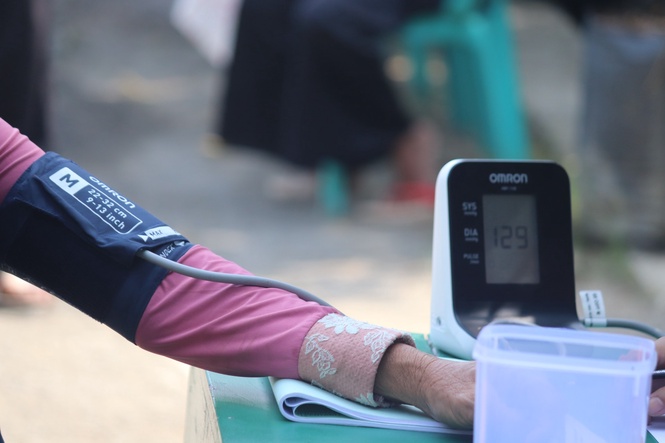
For those grappling with high blood pressure, this news should jolt you to attention. Researchers, in collaboration with the American Heart Association, have unveiled the results of a nearly three-decade-long investigation into high blood pressure, and the revelations are cause for concern.
It appears that doctors may be inadvertently overlooking critical health complications by exclusively measuring blood pressure in the seated position.
Traditionally, medical professionals have relied on blood pressure readings taken while patients are seated upright. However, there's a growing consensus among experts that it's high time to adopt a more comprehensive approach.
They argue that physicians should routinely perform blood pressure assessments in both seated and lying-down positions to paint a more accurate health picture.
Lead study author Duc M. Giao, a researcher and a fourth-year MD student at Harvard Medical School, underscores the gravity of this issue, stating, "If blood pressure is only measured while people are seated upright, cardiovascular disease risk may be missed if not measured also while they are lying supine on their backs."
Alarming findings have emerged from this research, suggesting that individuals who have their blood pressure measured while lying down are revealing heightened risks of heart attacks, strokes, heart failure, and premature death. Most intriguing, the type of medications employed to manage blood pressure seems to have no discernible impact on these cardiovascular risks, as indicated by the study's findings.
The regulation of blood pressure primarily falls under the jurisdiction of the autonomic nervous system. However, the relentless pull of gravity can cause blood to accumulate when individuals are seated or in an upright position. Paradoxically, the body may struggle to maintain blood pressure when lying down, seated, or standing position.
Giao further elucidates these findings, emphasizing, "Our discoveries strongly suggest that individuals with recognized risk factors for heart disease and stroke could significantly benefit from having their blood pressure assessed while lying flat on their backs."
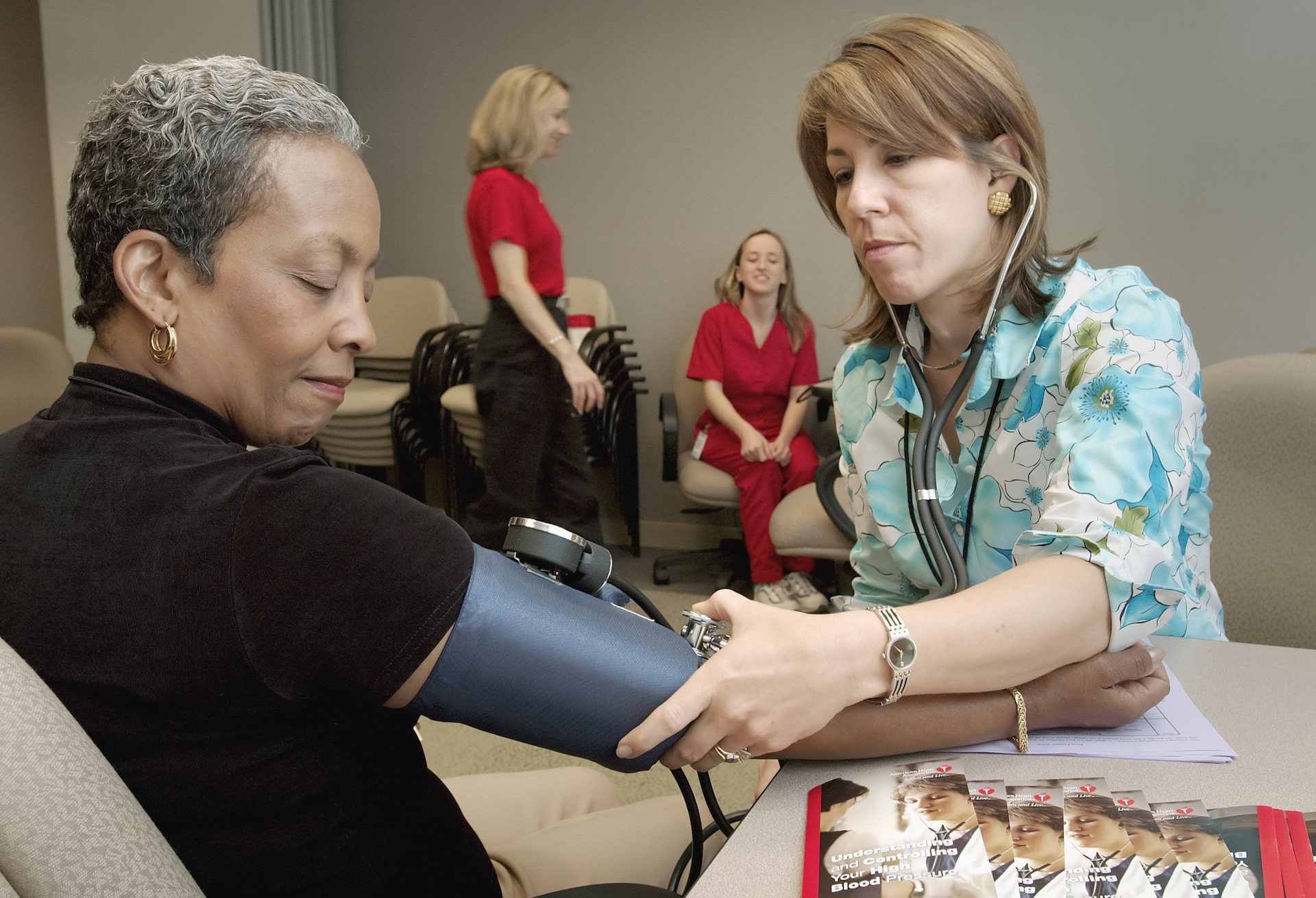
The study's initial phase was launched in 1987 and extended until 1989, involving 15,972 adults residing in the United States. During this time, their blood pressure was assessed both while lying down and sitting up. A noteworthy aspect of the study was its diverse participant pool, with women comprising 56% and Black individuals making up 25% of the cohort.
Blood pressure data was collected across a range of settings, encompassing rural and urban clinics. Subsequently, the participants' health was tracked for an average of 25 to 28 years, with the latest health data being collected between 2011 and 2013.
In a surprising twist, 16% of participants exhibited normal blood pressure readings (defined as a reading less than 130/80 mm Hg) while seated. However, these same individuals displayed high blood pressure when their blood pressure was measured while lying down.
For those individuals who exhibited high blood pressure readings in both seated and lying-down positions, the risks were dramatically elevated. They faced a 1.6 times higher risk of future heart failure, a 1.86 times higher risk of stroke, a 1.43 times higher risk of premature death, and a 2.18 times higher risk of coronary heart disease. Similar risks were also observed for individuals who only demonstrated high blood pressure when lying down.
Giao underscores the practical implications of these findings, stating, "Our research suggests that individuals with known risk factors for heart disease and stroke could significantly benefit from having their blood pressure assessed while lying flat on their backs. Proactive measures to manage blood pressure in daily life may help lower blood pressure levels during sleep. Future investigations should compare blood pressure measurements taken in a clinical setting with those recorded overnight."
It's crucial to acknowledge that this study primarily focused on middle-aged adults, with an average participant age of 54 during blood pressure measurements. Therefore, the findings may differ for older populations.
The research team unveiled their findings at the American Heart Association's Hypertension Scientific Sessions in 2023. Given the gravity of these revelations, individuals dealing with high blood pressure should seriously consider discussing these findings with their healthcare providers and exploring the potential implications for their own health.
Kamarul Azwan is a content creator under the Newswav Creator programme, where you get to express yourself, be a citizen journalist, and at the same time monetize your content & reach millions of users on Newswav. Log in to creator.newswav.com and become a Newswav Creator now!
The User Content (as defined on Newswav Terms of Use) above including the views expressed and media (pictures, videos, citations etc) were submitted & posted by the author. Newswav is solely an aggregation platform that hosts the User Content. If you have any questions about the content, copyright or other issues of the work, please contact Newswav.