
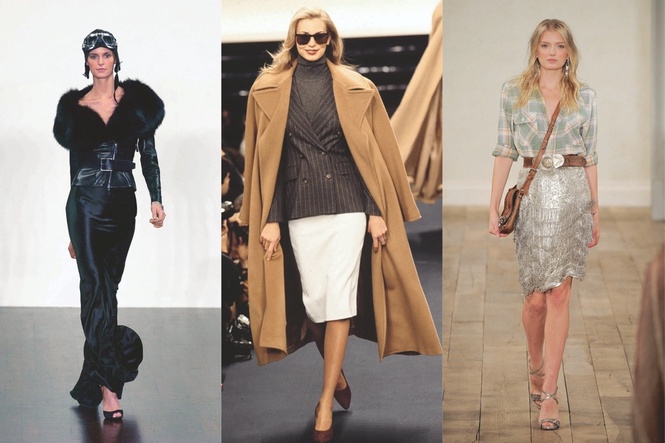
Sometime in the late 1950s, a teenage Ralph Lifshitz, born to immigrant parents, began making a name for himself amongst the youth of his Bronx neighbourhood. Though he didn’t have much more than his brother’s hand-me-down clothing to work with, he used it to define his own brand of cool, styling it to mimic the swagger of his favourite silver screen stars. More than 70 years later, Ralph Lauren continues his reign as the longest-serving designer at the creative helm of his own brand—a sweeping lifestyle empire almost synonymous with American fashion. It’s a remarkable story, exemplifying the sort of rags-to-riches triumph more suited to a novel than real life. It’s fitting, then, that Lauren’s contributions to fashion, spanning 60 years and more than a hundred runway collections, are being codified in ink and paper for the first time in Ralph Lauren Catwalk.
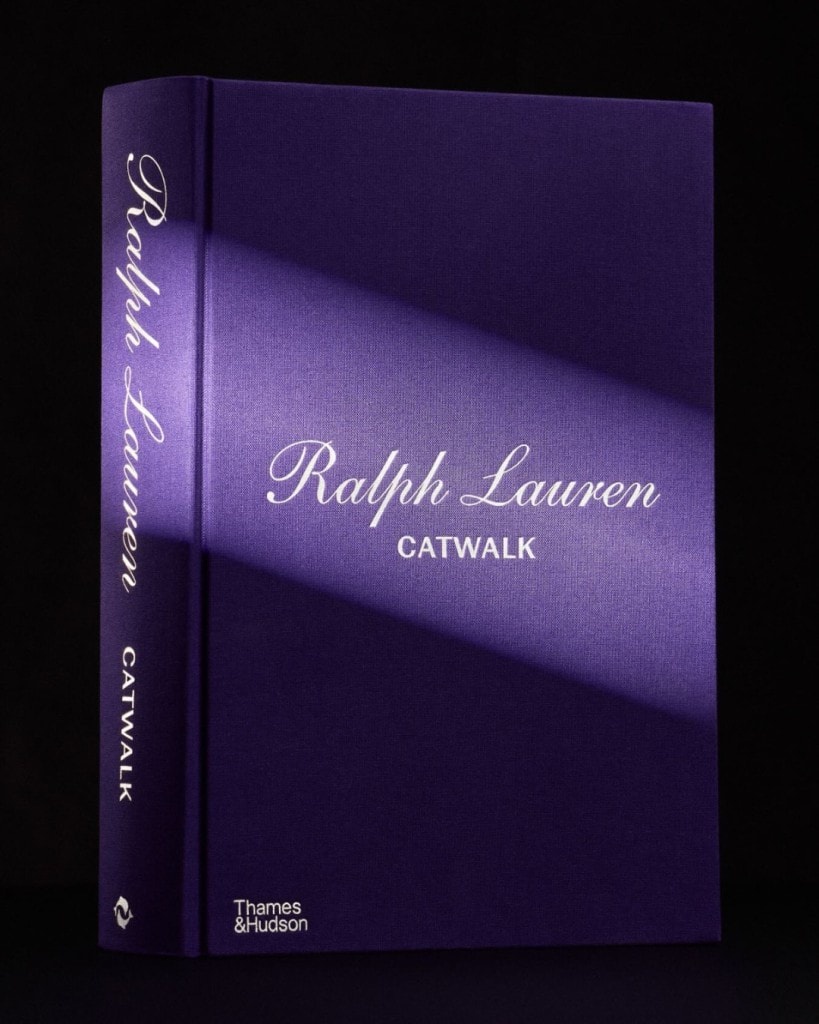
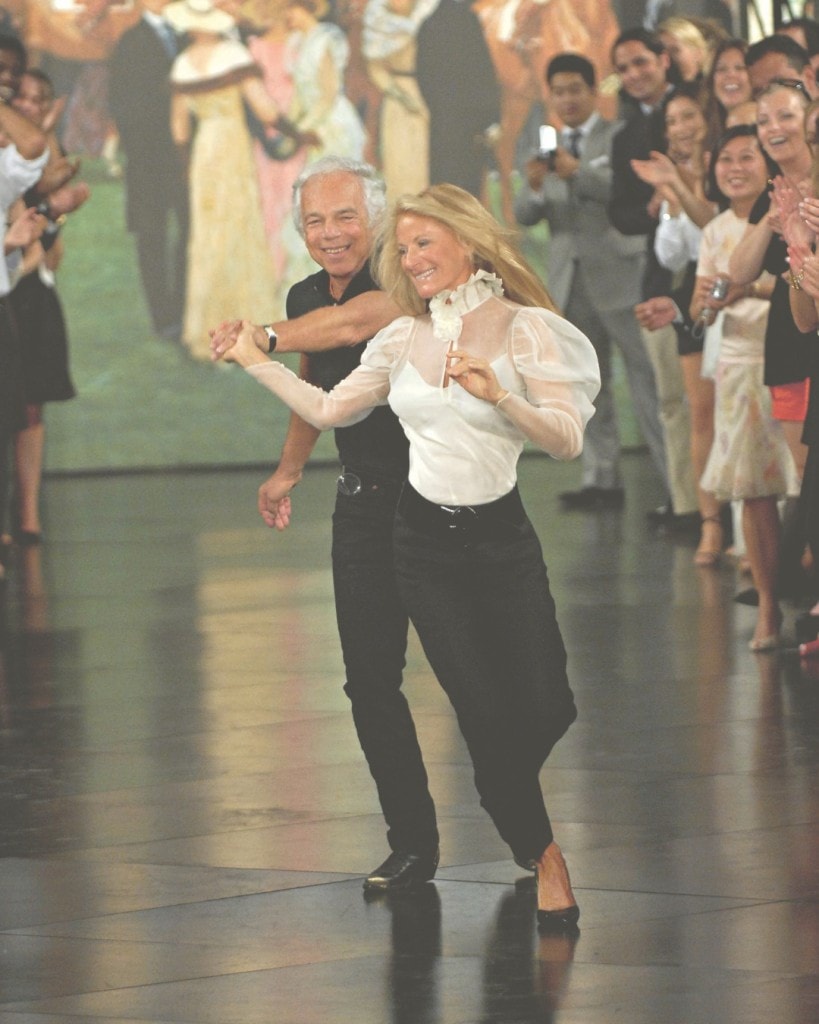
Authored by renowned fashion journalist Bridget Foley, the book is the eleventh volume in the famed Catwalk series, and the first to commemorate an American fashion house. It’s a hefty tome, coming in at more than 600 pages—but its weight only serves to emphasise the sheer breadth of Lauren’s career and the outsized impact of his designs. Timeless is an adjective often bandied about in the fashion world, but who else embodies the philosophy as wholly and effortlessly as Ralph Lauren?
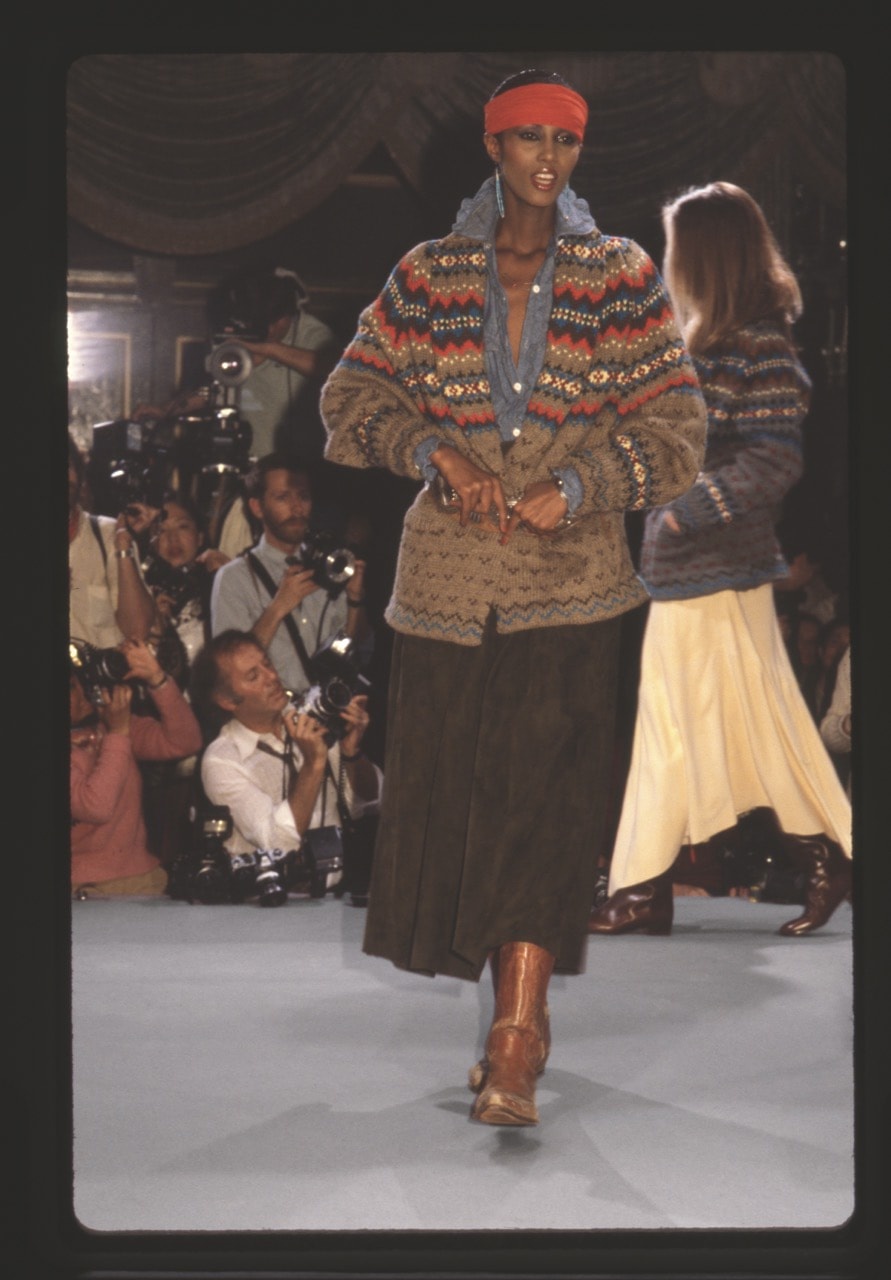
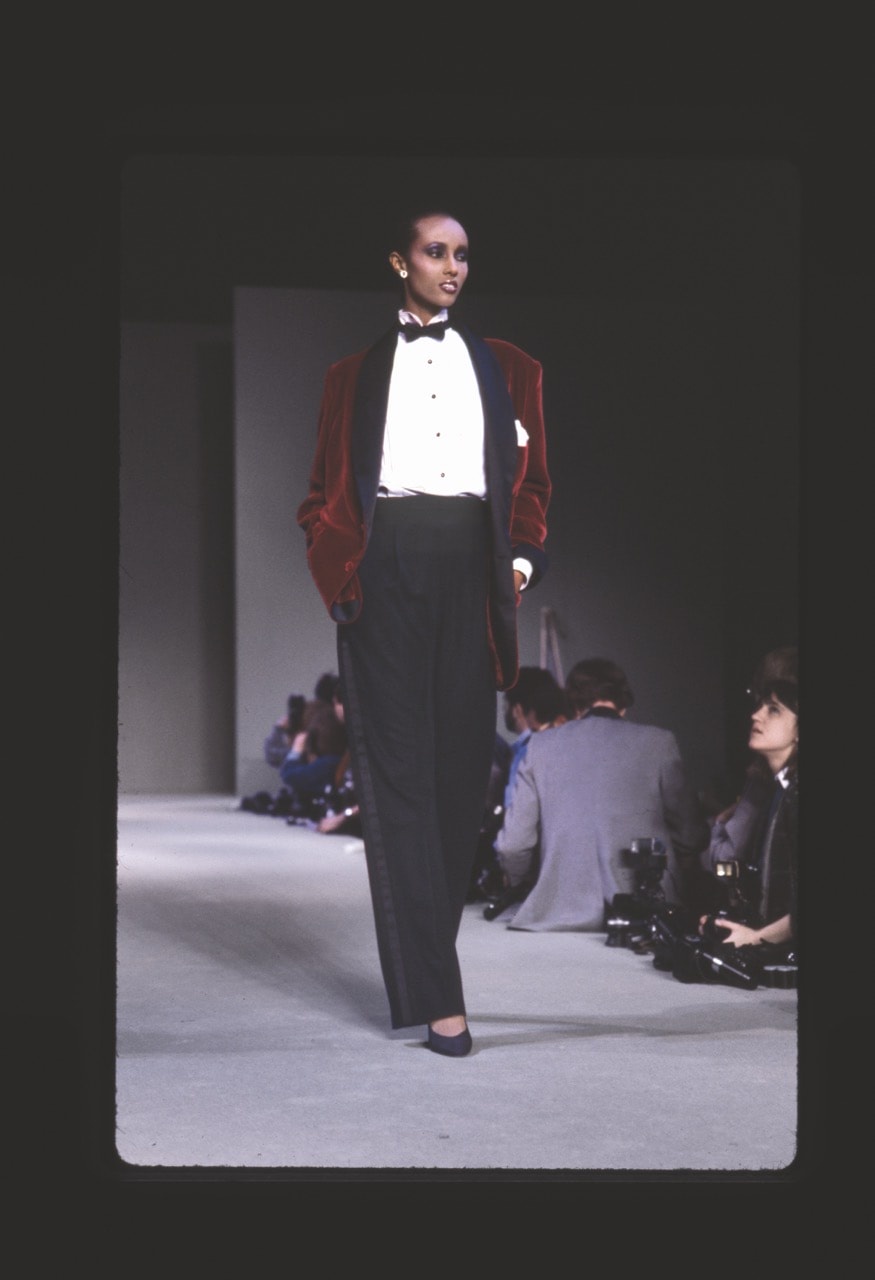
“Perusal of the 1,200 photographs in this book indicates that many of Lauren’s early clothes would feel right at home today,” Foley writes in the introduction. “Therein lies a measure of Lauren’s brilliance, born of a crystal-clear vision and the confidence to realise it again and again, no matter the momentary winds.” Foley traces the inception of Lauren’s signature timeless style to his Spring/Summer 1980 showing, at a time when women’s fashion was defined by a search for newness. “He started studying what made an old item feel ‘right,’ and years later, applied that research to his business,” she writes in the book. “The concepts of ‘timeless’ and ‘classic’ became foundational to his work.”
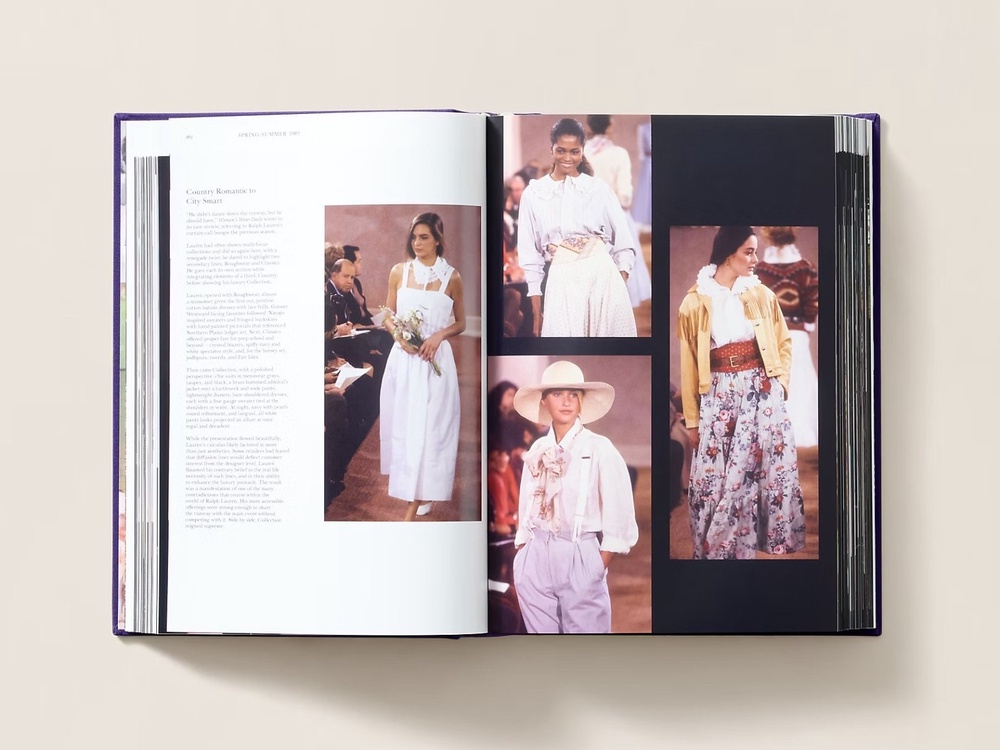
The clothbound volume is partly a visual archive and partly an incisive work of fashion history. As appealing as it would look on your coffee table, it is, in truth, a book meant to be read closely and returned to. Give it a cursory skim, and you’ll find a stunning collection of original runway photographs—a gallery of impeccably dressed young women, each embodying that particular Ralph Lauren blend of tailoring and ease. Examine the words alongside the photographs, and you’ll gain a unique insight into the cultural impact of the effortless designs in them. “Part of the ongoing appeal and success of the Ralph Lauren brand is that it comes from a deeply personal, genuine place,” Foley tells GRAZIA. “On one hand, Ralph presents us with an aspirational dream world. But that world is based on his own dreams—dreams he had starting as a kid in the Bronx, and which he always believed he could achieve.”
The book traces a storied career, one defined by both a remarkably consistent vision and a keen ability to subvert expectations. Foley confesses that even after covering Lauren’s career closely for decades, she still found surprises in her research. “It’s one I’m a bit embarrassed to admit, because it probably shouldn’t have been so great a revelation: the sensuality of Ralph’s clothes,” she says. “I hadn’t thought of Ralph as consistently doing ‘sexy’—but he does!” Even this, though, is filtered through a uniquely Ralph Lauren lens, seen in curvy knitwear and 1930s-inspired gowns. “It’s atypical of our expectations. His is a refined, sophisticated take on sensuality,” she says.
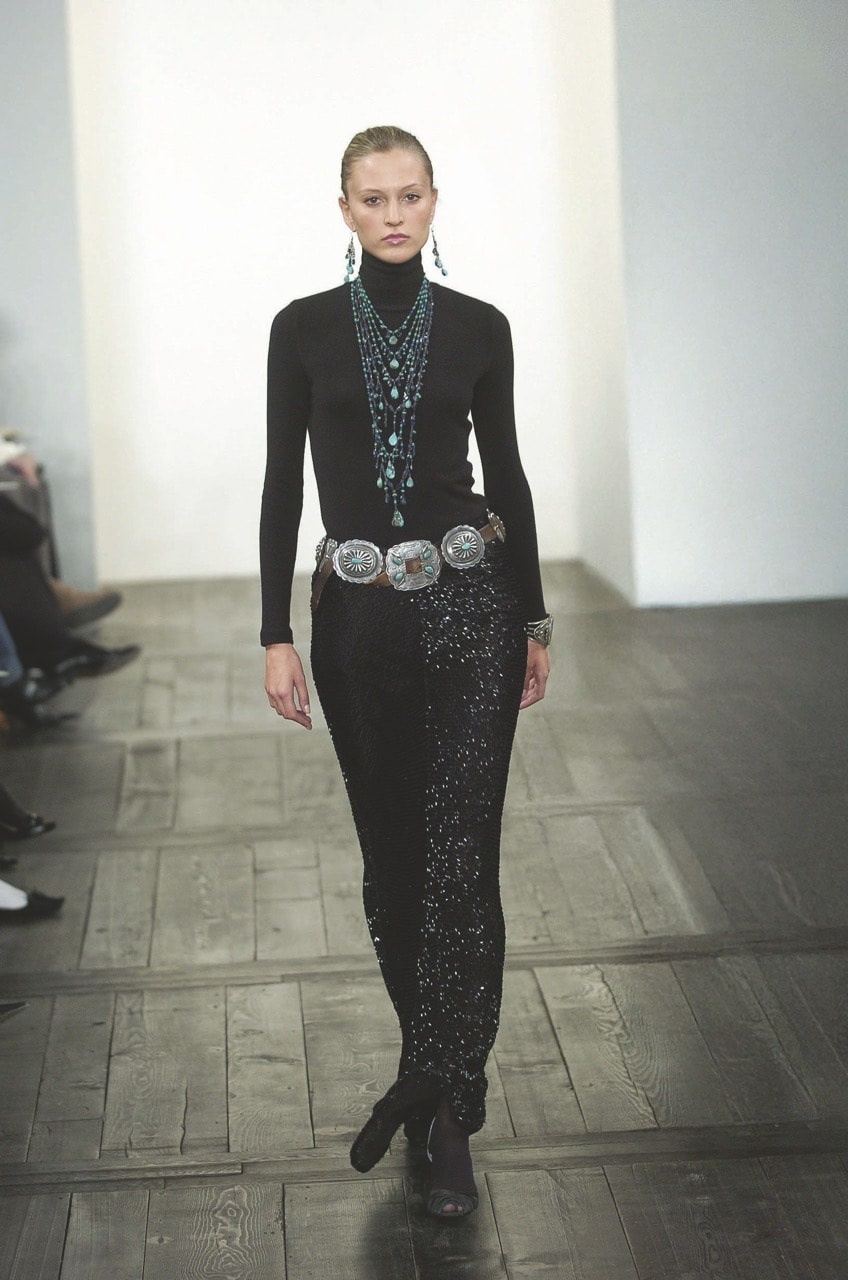
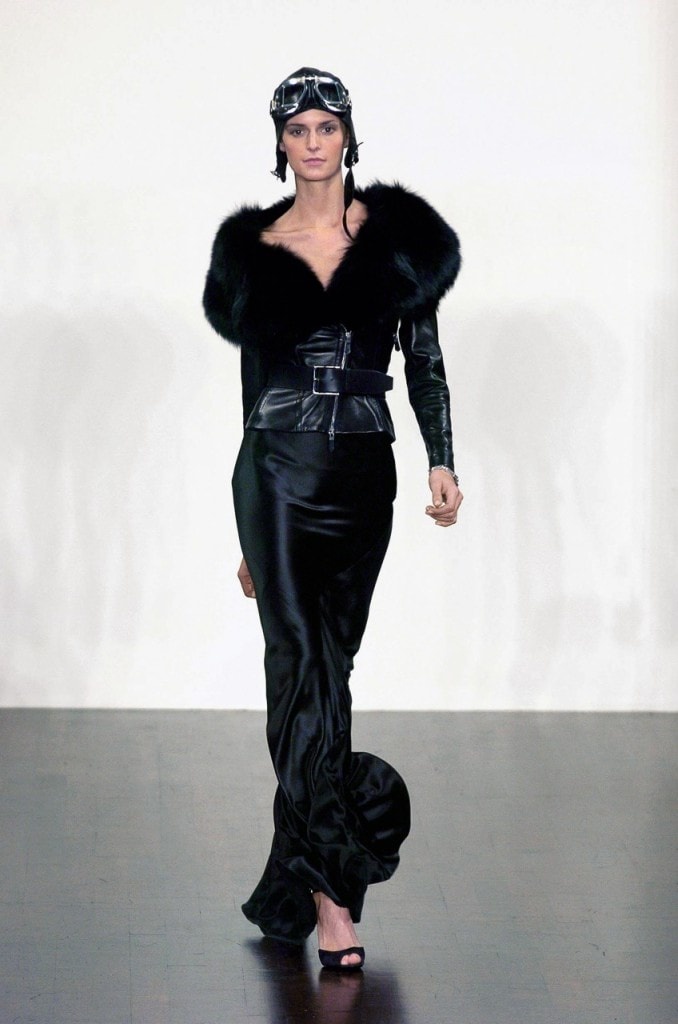
Foley attributes Lauren’s longevity to what she calls his “different-drummer” philosophy, one that has resulted in a strong adherence to personal style codes. “Pulling back to look long-term, it is both surprising and signature that Ralph has stayed so true to his ethos of aspiration and optimism,” Foley says. But the aspiration spoken of here, she clarifies, isn’t the skin-deep desire to upgrade to more expensive pieces of clothing. “It’s the aspirational inclination to live by our better angels. That is the world Ralph Lauren ultimately presents to us: one of a life lived well from the inside out.”
Ahead, Foley tells us about her personal encounters with the man behind the brand and the defining collections in Ralph Lauren Catwalk.
GRAZIA (G): Do you remember any personal encounters with Lauren that offered unique insight into the man behind the house?
Bridget Foley (BF): The first time I met Ralph was during a pre-collection preview with my editors, the editor-in-chief and the fashion editor of WWD. Often, when a young staffer goes into a situation like that, the “big name” directs the conversation towards the senior people. I remember that, with his eye contact and his words, Ralph very much included me in the discourse. He included me to a degree that stood out.
Since then, I’ve had the good fortune to interview Ralph in in-depth, one-on-one situations many times. I remember one such interview early on. Something came up about a designer engaged in a minor scandal, about which others in the industry had commented. I asked Ralph what he thought about it. He said, “I don’t understand that. I don’t like it when people say nasty things about me. Why would I say something nasty about somebody else?” And I don’t think I’ve ever heard Ralph utter a negative word about someone else, on or off the record, or even engage in lighthearted fashion gossip. It’s just not his thing. On the fashion-cattiness scale, he rates a zero.
G: Are there moments where Ralph Lauren has surprised you or the fashion world?
BF: There are often surprises, because Ralph has never felt the need to jump on bandwagons; he has never chased trends. Sometimes he has been in step with the trends du jour, but that’s typically accidental rather than intentional.
As for more personal, single-season surprises, there are many. I see this as a two-season arc. One example was Fall 2009, which the U.S. fashion industry approached in a communal tizzy. The 2008–2009 financial crisis had hit hard. People were in shock—a shock that coursed throughout the runway season, in mostly subdued, even dour collections, and in the audience’s mindset, which was dismal. We all travelled from one uninspiring show to the next, the typical fun banter en route replaced by worried talk. Then we arrived at Ralph Lauren. Instead of a dull or boot-strappy show, he presented one that was all about lightness and glamour, with accents of conspicuous extravagance. It played like a gift and a promise, like Ralph was telling us through his clothes, “It will all be okay. We can still find joy.”
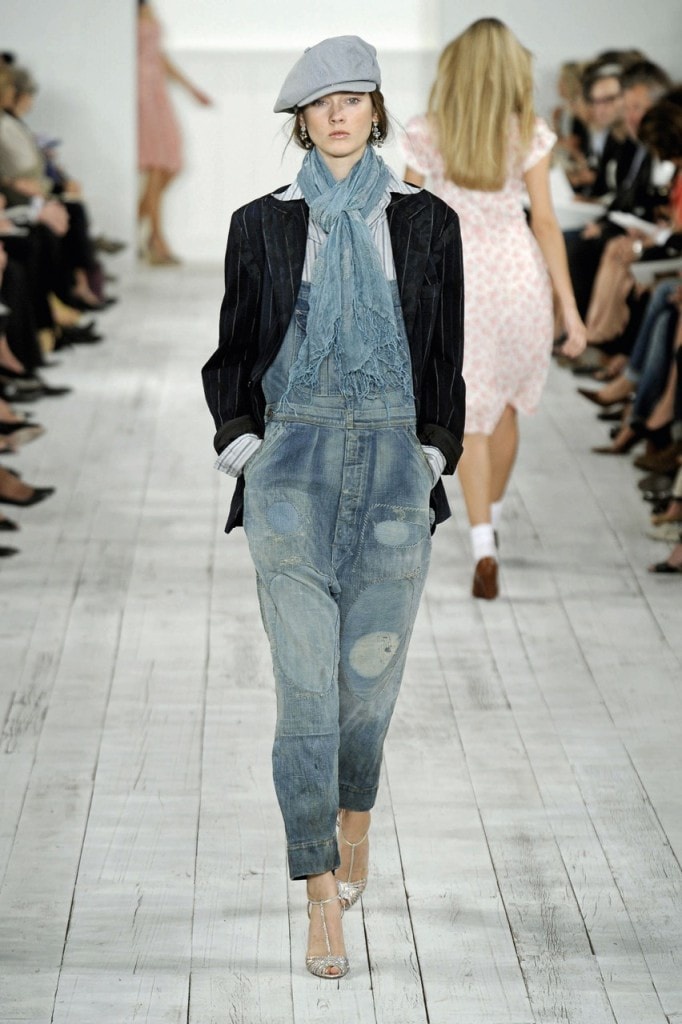
Then, Spring 2010—a different kind of 180 from that which would come in the two 2025 shows. It was filled with denim and 1930s-inspired floral dresses in direct reference to The Grapes of Wrath, John Steinbeck’s famous, Pulitzer Prize-winning novel about the trials of the U.S.’s Great Depression. Lauren called the show an homage to “the resilient spirit of America… [and] the character of the worker.”
G: How would you describe Ralph Lauren’s vision of Americana, and how does it translate into the current landscape?
BF: Certainly, Ralph Lauren comes at design from an American point of view, in some very specific ways. For example, while his vision is built on dreams, they are dreams he has always believed can be realised. In that sense, there’s an underlying pragmatism which—and this may be an easy stereotype—seems like a very American trait. To that end, Ralph has never done runway-only clothes; he’s not interested in that. In his view, clothes must function in the real world. Period.
Ralph always presents a sense of optimism—a trait often thought of as very American, though perhaps not so much in these fraught times. Yet Ralph’s view of America and the world beyond is aspirational. It’s always about aspiring to the best in us, whether the “us” means Americans and American culture, or the world and global culture. How that vision translates into the current landscape is, again, about projecting forward. It’s not necessarily about where we are right now, as individuals and as a culture, but where we could be. It’s about striving to be better.
G: How can we see the impact of Ralph Lauren’s designs on fashion today?
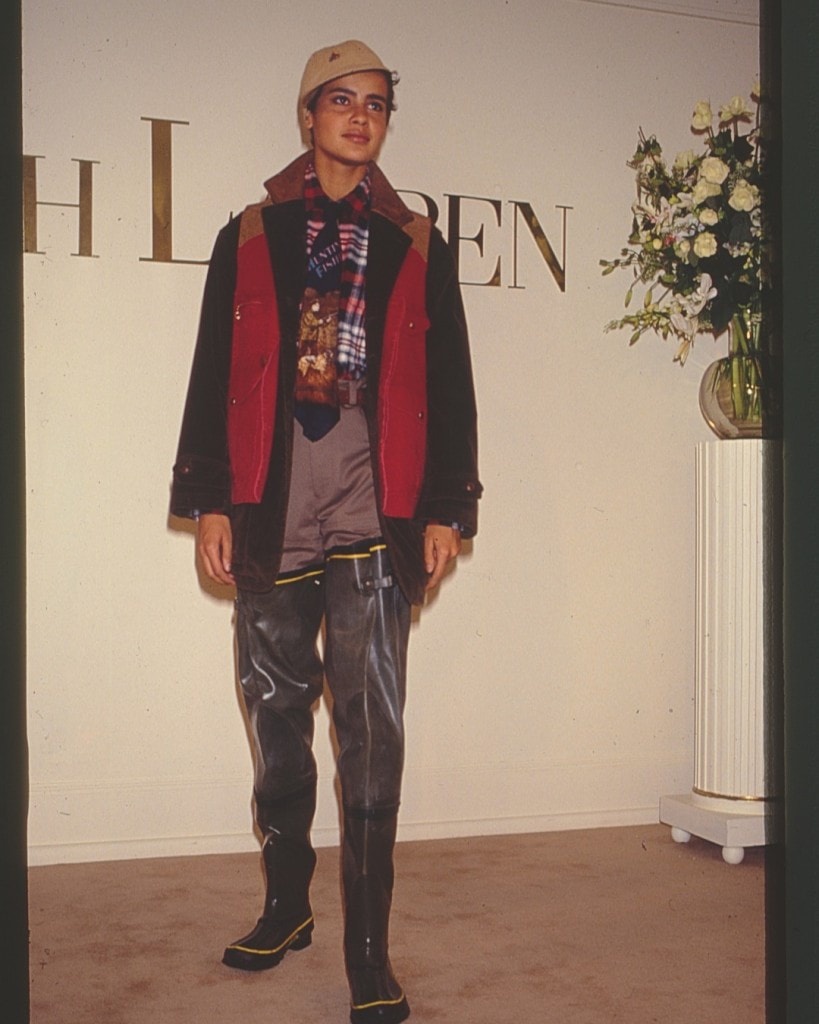
BF: The impact of Ralph Lauren’s designs is everywhere, and not limited to American fashion. We see his influence globally. We tend to think that the luxury world elevated “street” and sport to runway worthiness in the last 15 or 20 years—but Ralph put clothes for every day, clothes for sport, and clothes for utility on his runway in the ’70s and early ’80s. He showed sneakers and espadrilles back then. Not to the exclusion of heels, but along with them—because in real life, we don’t wear just sneakers or just heels. We wear both.
Also, in his early focus on clothes both for performance sports and inspired by those sports, he presaged the lifestyle fitness obsession that would come later. Ralph designed for a lifestyle concept before that term was coined. He designed clothes for life—for all of it, not just the fancy times. And from the start, he viewed all of those clothes as worthy of presentation on the runway.
G: Gen Z is currently fascinated with quiet luxury and Ralph Lauren. What is driving this?
BF: Gen Z does indeed love Ralph Lauren! The Wall Street Journal did a whole story on their dedication. I see multiple reasons. First—and this most basic point often gets lost in discussions of Ralph Lauren that can focus on his storytelling and world-creation—the clothes are great. They were great 55 years ago, and they’re great today. They’re versatile. High-function. Aesthetically inviting. Well-made. Pragmatic.
For Gen Z specifically, I think the fact that the clothes can be accessed via vintage or newly bought is appealing. They love the concept of repurposing, but they also love the fact that this is one luxury brand—probably the only one in the world—that they can experience via something new that is not a blush or a lipstick. That’s because Ralph Lauren produces across price points, as various lifestyle needs demand. I think young people see that as a major point of distinction, and a point of respect.
@clairesmanson my semi annual Ralph Lauren sweater collection video #ralphlauren #outfitideas #ralphlaurensweater #fallfashion ♬ original sound – HBO @qt.flacko we need to bring back polos frl #fypシ゚viral #fashiontok #ootd #ralphlauren ♬ china love – dafwtbuifbwiltaijwbts
Also, Gen Z loves the idea of dressing for self-expression, and the breadth of Ralph Lauren’s offerings facilitates that. Case in point: The Polo Shirt, probably tied with Levi’s 501 as the single most identifiable branded clothing item in the world. It’s instantly identifiable as Ralph Lauren, but each person can make it completely their own. Ditto, a pair of ripped jeans or a motorcycle jacket. Ultimately, it’s all about self-expression, and young people respond to that.
Finally, I think the brand has been savvy in its outreach to Gen Z through the channels they understand, particularly TikTok. They say: “Come and take a look. We want you to feel at home in our world. You’re welcome here.” And that resonates.
G: Lastly, if someone had only 10 minutes to look through Ralph Lauren Catwalk, which collections would you direct them to?
BF: I suggest you first look at the last two collections in Catwalk: Spring 2025 and Fall 2025. It was a matter of luck and calendar kismet that those shows closed the book. Both are extremely important and say a great deal about Ralph Lauren’s journey and his legacy.
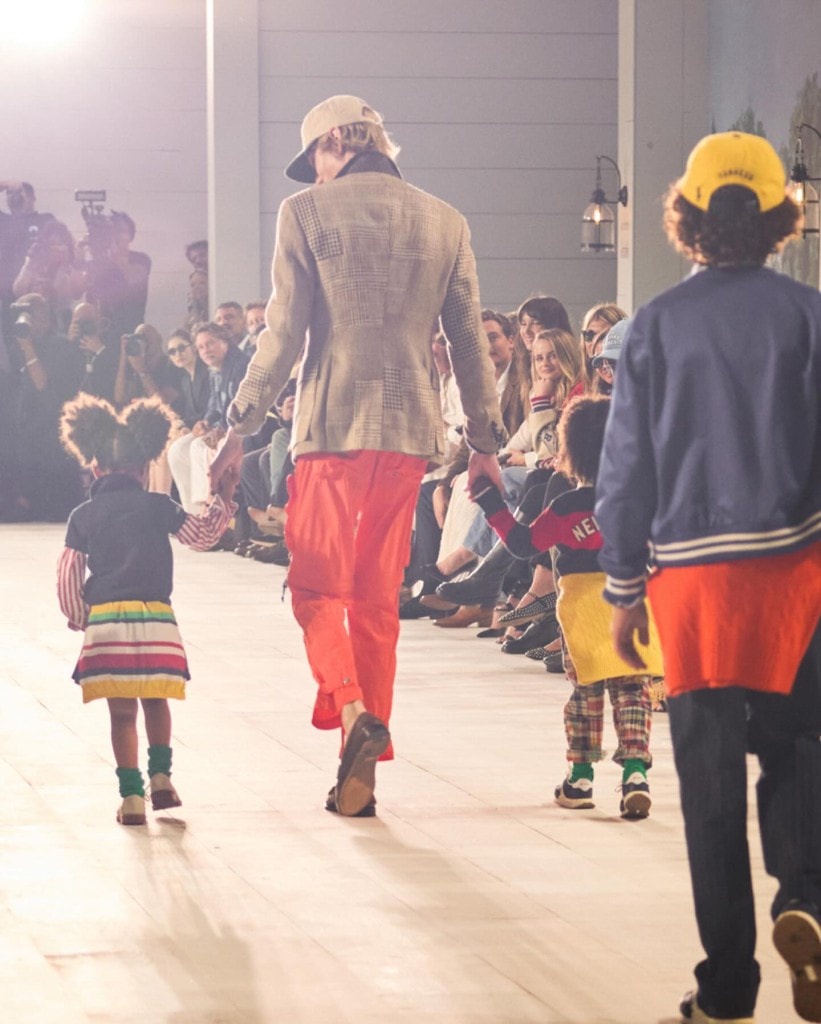
The first, Spring, was a huge show—an extravaganza. Ralph showed at a gorgeous horse stable well outside the city, in Bridgehampton on Long Island. He constructed a simple, open-air white structure, and the models walked with the riding ring and glorious sunset as their backdrop. The coed, multigenerational cast—grandparents and kids included—wore clothes for every occasion, from sport to evening, always with a casual attitude. The mood was feisty and exuberant, yet I found it very emotional, as it celebrated everything inherent to the Ralph Lauren ethos—appreciation for family, community, the environment, embracing a carpe diem spirit.
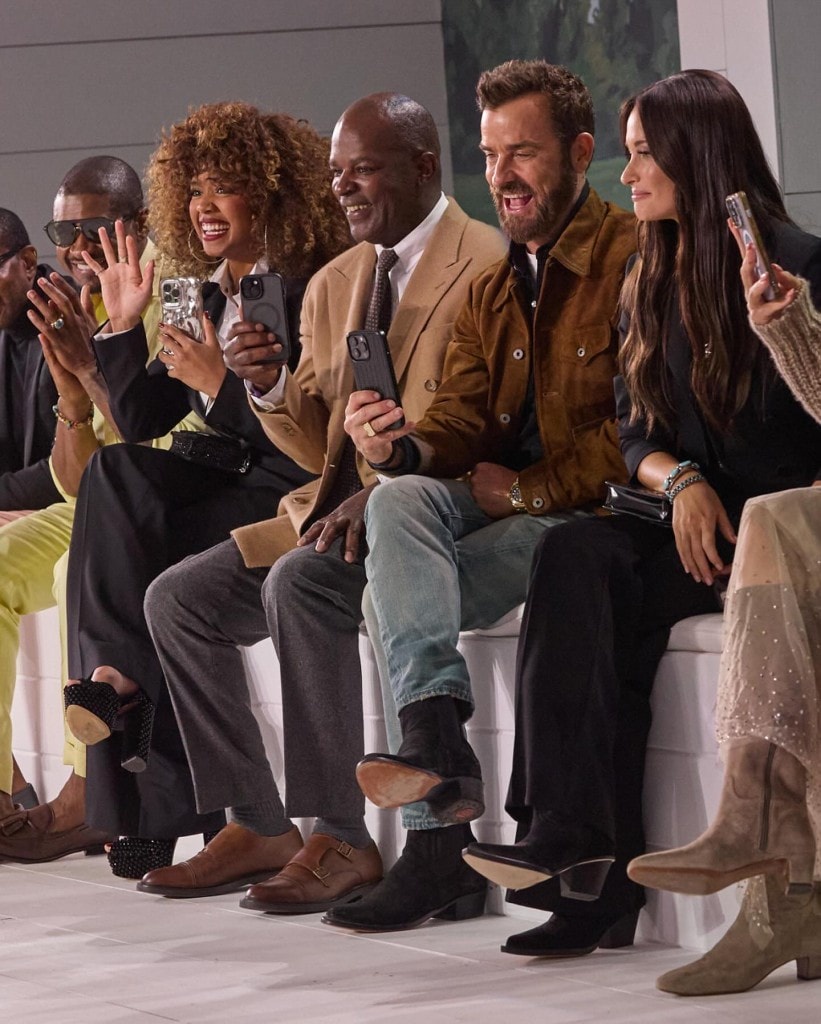
Now, to Fall 2025. A signature of Ralph’s approach to his shows is that he doesn’t feel the need to outdo himself each season in terms of presentation wow-factor. He stages an extravaganza when he feels he has something to say in that context, as he did for Spring 2025. Then, for Fall, he did a 180 in terms of scale and presentation. He returned to New York City and showed in a beautiful, intimate Beaux Arts gallery space, putting the focus completely on the clothes and the craft. The collection felt rooted in one of his founding tenets—contradiction—so masculine versus feminine, rugged versus refined. Within that, the craft involved was extraordinary—embroideries, fringing, dégradé leather, intricate laces. In the intimate space, the audience got a sense of those intricacies.
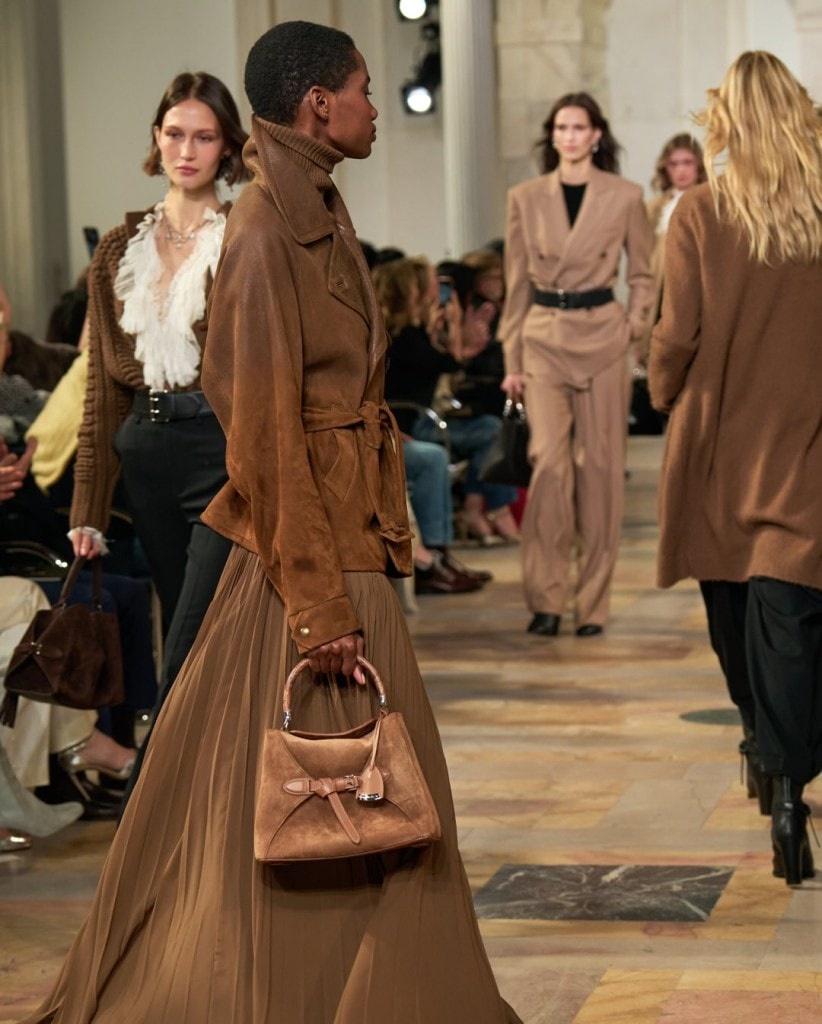
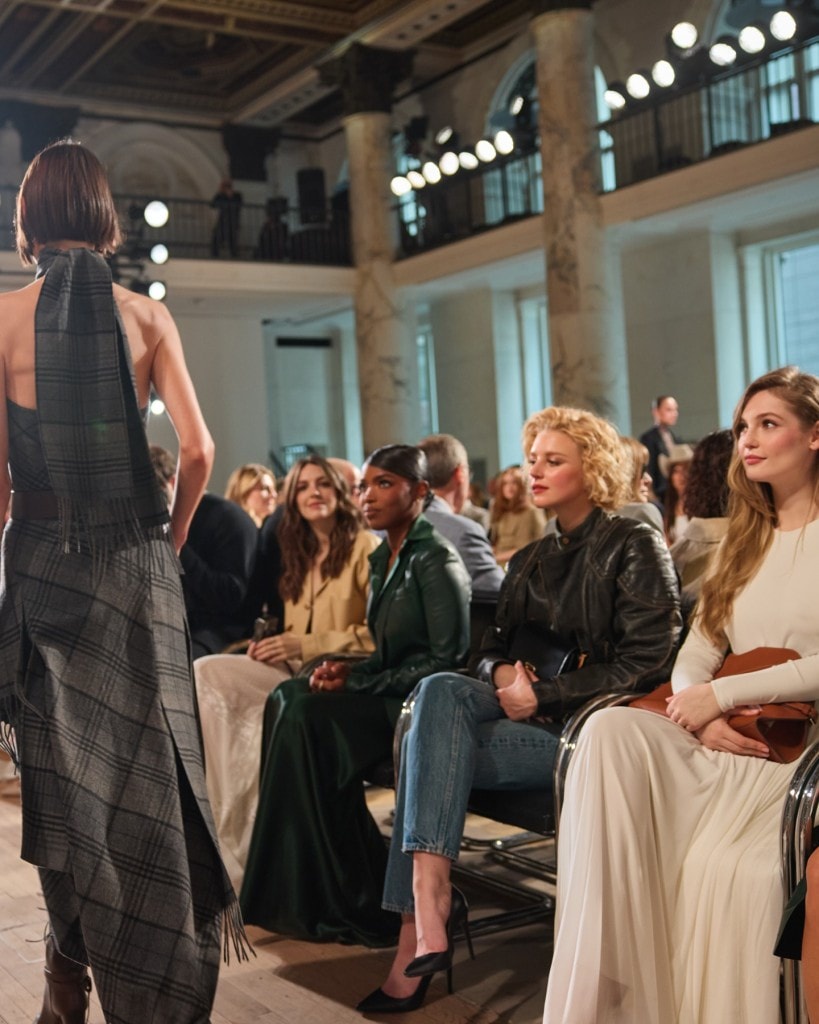
So, for that 10-minute overview, I would do a quick perusal of those two collections and then do a quicker flip-through, stopping randomly to connect the creative dots from earlier seasons. You’ll find remarkable consistency across the decades, yet also an extraordinary range to the clothes—a different manifestation of the “contradiction” embedded in the brand ethos.
This story first appeared on GRAZIA Singapore.
READ MORE
- Becky Armstrong Introduces Her Solo Music With ‘Skin’, And It’s Only The Beginning
- Here’s All The Celeb Cameos To Spot In The Devil Wears Prada 2
- From Trips To Tokyo To Joint Surf Lessons, Kim Kardashian And Lewis Hamilton Are Getting Serious
The post Americana, Archived: This 600-Page Book Chronicles 60 Years Of Ralph Lauren Runway History appeared first on Grazia Malaysia.