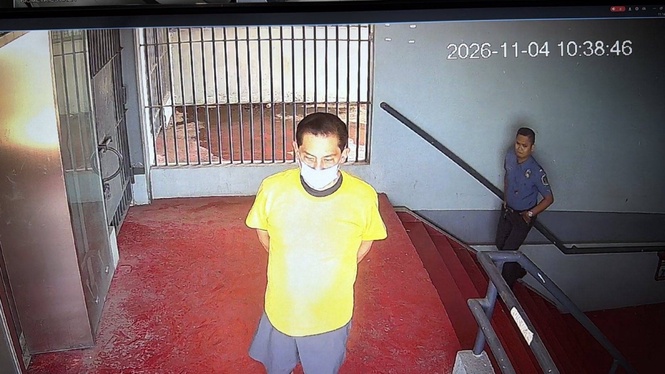
MANILA, Philippines — The Anti-Money Laundering Council (AMLC) has filed a civil forfeiture case against former speaker Martin Romualdez following petitions for a freeze order and inquiry on his accounts that the Court of Appeals had approved.
The AMLC's investigation covers 1,951 transactions involving 35 bank accounts associated with Romualdez from April 2003 to October 2025.
Romualdez is facing a P7.44 billion plunder case alongside fugitive lawmaker Zaldy Co and two other accused over alleged kickbacks from flood control and infrastructure projects between 2022 and 2025.
The Manila Times has reached out to Romualdez's camp for comment on the AMLC filing and Remulla's statements but has yet to receive a response.
Ombudsman Jesus Crispin Remulla questioned the source of P560.5 million in remittances under Romualdez's bank accounts, insisting that the government's plunder case remained strong against the former speaker despite an AMLC investigator's testimony clearing the deposits of any established link to flood control transactions.
“Where did that come from? Where did the money come from? And AMLC is not necessarily the only one who knows where the money came from. If, for example, that cash went into his account, what does that mean?” Remulla said during a press briefing on Friday.
Remulla maintained that the testimony of AMLC financial investigator Jan Mark Busa before the Sandiganbayan Third Division did not weaken the case against Romualdez, who is accused of receiving kickbacks from flood control and infrastructure projects.
“Not at all. And we still have many witnesses. Don't worry about that,” the Ombudsman said.
Busa testified during Romualdez's bail hearing that the AMLC found no bank-recorded transfers from contractors, the Department of Public Works and Highways (DPWH) or from Co, the former Ako Bicol party-list representative, directly entering the former speaker’s accounts. He also said the agency had not established that the P560.5 million in remittances recorded from September 2022 to March 2025 were related to flood control transactions.
The investigator clarified that the examination covered transactions recorded in the banking system and did not include cash inflows outside its records.