

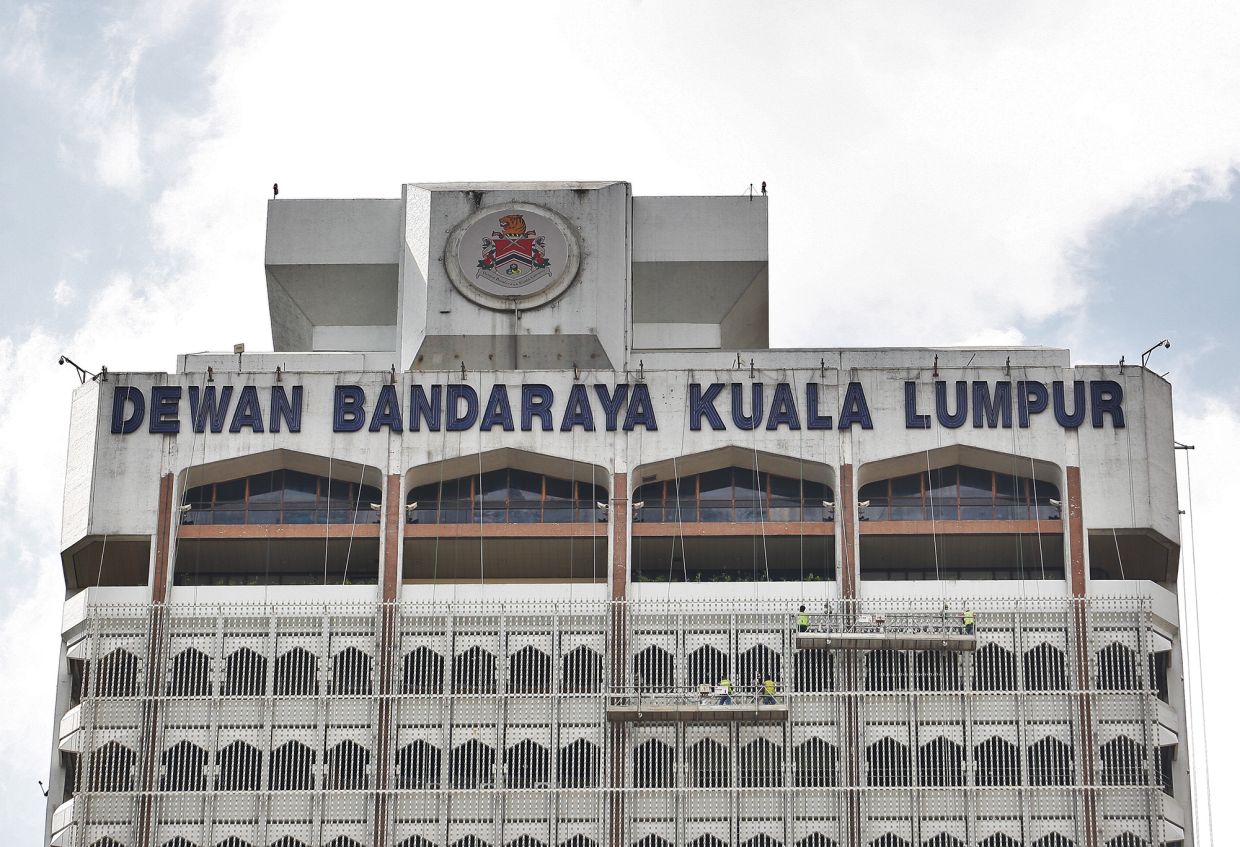
Yesterday, I appeared before the Public Accounts Committee (PAC) of Parliament, following a series of commentaries on the sale of land by the Kuala Lumpur City Hall (DBKL).
Readers may be aware that these commentaries pertain to two plots of land on Jalan Cheras. One involved a joint venture to develop 5.19ha of what used to be DBKL staff quarters. Within this plot, a 41-storey condominium is being built near SJK(T) Cheras.
The school had been clamouring for land for a playing field and ancillary facilities since 2005, and its repeated requests and appeals had fallen on deaf ears.
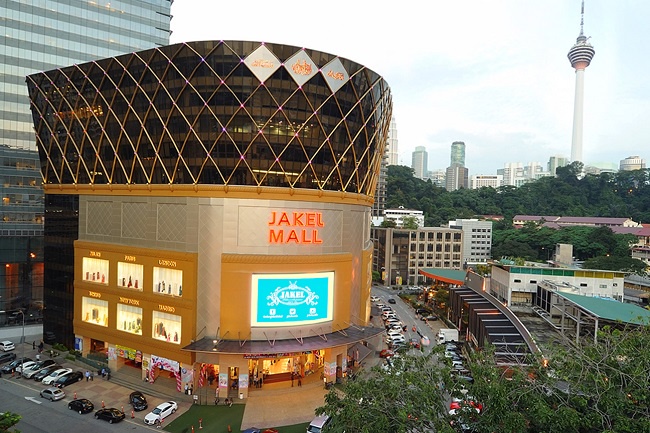
The other is related to a larger plot of more than 1.2 million sq ft (11ha), which previously housed DBKL’s health clinic, workshop, and other facilities.
The land was sold directly to Perano Development Sdn Bhd, a member of the Jakel Group, without any tender or competition.
Before the PAC, Yap Yee Vonne, the political secretary to Youth and Sports Minister Hannah Yeoh, also related a transaction involving another piece of land in the Sri Hartamas area of Kuala Lumpur.
We have the solutions
While the proceedings before the PAC are confidential, I am entitled to share some of the recommendations made. Some of them are not new and have been made through my writings.
At the top of the list was the mandatory requirement for open tenders for all land transactions involving government departments and agencies.
Such a policy should cover all sales, leases, joint ventures, or development rights, which should be subjected to an open and competitive tender process.
Exceptions can be made for strategic national interests, but they must be justified with full public disclosure and subject to parliamentary or independent oversight.
Another is to establish a digitised, publicly accessible registry of all state-owned land parcels, buildings, and their current usage status.
The register should include:
- Lot numbers and locations
- Size, zoning, and land use designation
- Current tenancy or encumbrance status
- Estimated development potential
This will enable us, as citizens, to scrutinise private arrangements for the sale of state land at its full value and determine if such transactions have been made in the best interest of the government and the people.
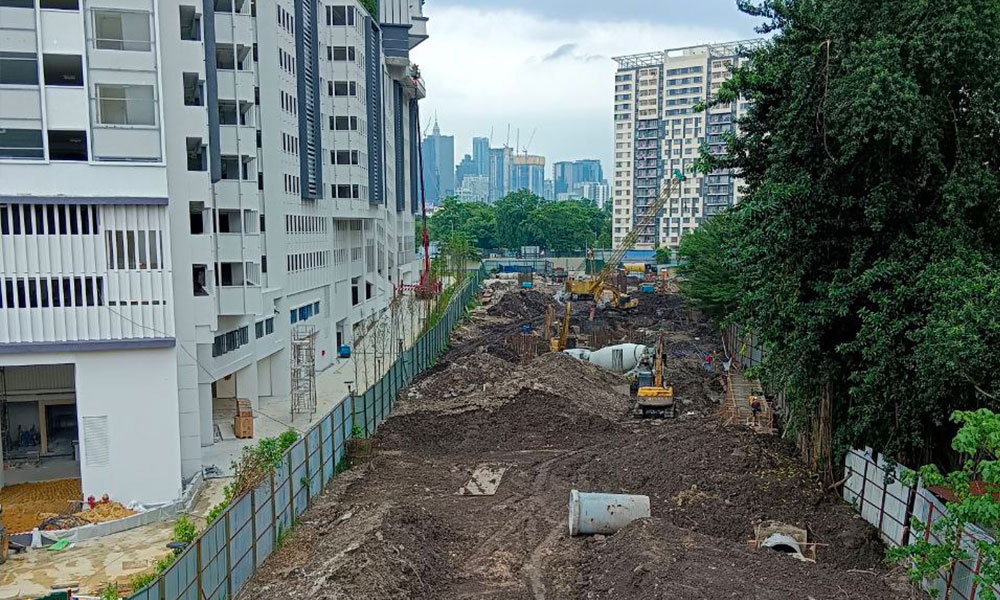
Land cost is the most crucial element in building affordable houses. The government should not be purchasing land from the private sector when state governments, local authorities, and government agencies already own large parcels of land throughout the country.
For example, on the plot of land sold by DBKL to Perano, experts estimate that up to 12,000 units could be built at a plot ratio of 1:6. This could have sorted out the acute shortage of affordable houses in the city.
Current system benefits the connected
The need for transparency and a registry is underlined in a conversation I had with DBKL officials last Wednesday:
Nadeswaran: Boleh je saya beli tanah DBKL? (Can I buy DBKL land?)
DBKL: Boleh. Untuk apa? (Yes, for what use?)
Nadeswaran: Bina rumah untuk keluarga. (To build a family house)
DBKL: Pergi cari tanah itu. (Identify the land first)
Nadeswaran: Macam mana? Saya tak tahu mana yang di miliki oleh DBKL. (How? I don’t know which land is owned by DBKL).
DBKL: Kita tak boleh bagi tahu. You pergi cari sendiri. Sesudah dapat pengesahan, you buat permohonan dan kami boleh bincang. (We cannot let you know. You need to look for it yourself. Once you get confirmation, you can make an application and we can discuss.)
In a nutshell, this is how DBKL operates.
So, my question is: How do developers know which land is available, to use a rather crude word, to sapu?
You must have a friendly party, a strong cable to pull, or an inside party to give details.
It was also suggested that government land owners categorise their land into the following strategies:
- Affordable housing: Identify brownfield sites or vacant land within residential areas suitable for affordable or social housing development.
- Urban regeneration: Target older, underutilised, or abandoned assets for public-private regeneration projects with community impact assessments.
- Beautification and public amenities: Allocate parcels for pocket parks, markets, pedestrian zones, youth spaces, and public facilities in underserved areas.
- Public infrastructure: Reserve land for future schools, health clinics, community centres, and transport infrastructure.
Is good governance too much to ask?
One of the most glaring mistakes by our planners is the failure to plan for the future.
When hospitals become crowded or when markets need to be expanded to meet demands, or when school enrolment increases and new facilities have to be built, there is no more land left.
A case in point is the Sekolah Sultan Abdul Samad in Petaling Jaya. When it was built, there was a vast field for sports activities. When space for additional facilities was needed, the field became the convenient victim.
Unlike the Local Government Act, which requires all local authorities to appoint a maximum of 24 councillors, DBKL has an “advisory panel” consisting of 12 members - mostly political appointees - that has no say in the running of DBKL.
Hence, DBKL reports to the minister, but when the minister himself is empowered to consent to the sale of its assets, where’s the check and balance?
In the meantime, a moratorium should be placed on all direct negotiations until complete reform is implemented and a registry is published.
Is this asking too much from a government that shouted “transparency and accountability” long before it entered office?
Citizen Nades is a content creator under the Newswav Creator programme, where you get to express yourself, be a citizen journalist, and at the same time monetize your content & reach millions of users on Newswav. Log in to creator.newswav.com and become a Newswav Creator now!
The User Content (as defined on Newswav Terms of Use) above including the views expressed and media (pictures, videos, citations etc) were submitted & posted by the author. Newswav is solely an aggregation platform that hosts the User Content. If you have any questions about the content, copyright or other issues of the work, please contact creator@newswav.com.


