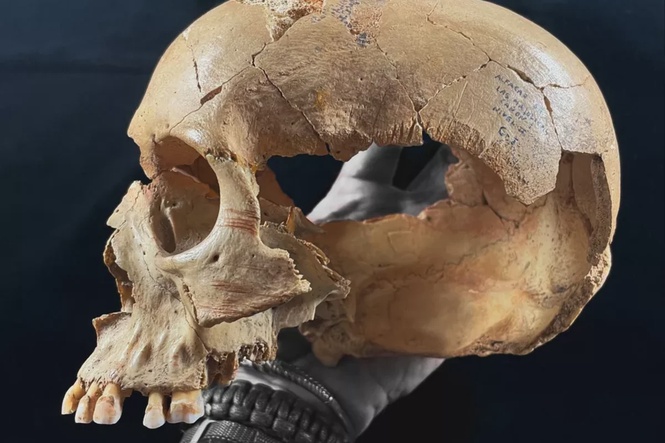
- Ancient human fossils unearthed from three caves in Granada, Spain, reveal that cannibalism resurfaced among early Europeans in varied contexts over thousands of years.
- A study published in the Journal of Archaeological Science re-examined nearly 1,000 bones using modern techniques, analysing whether the remains found in the three caves had been intentionally manipulated.
- Evidence from Malalmuerzo cave points to a possible episode of collective violence around 5000 BC, whilst two modified skull cups were discovered at the Carigüela cave.
- “The available evidence suggests that cannibalism was not a continuous phenomenon during the European Neolithic, but rather was concentrated in certain periods and regions; a temporal pattern shared across Europe into which the episodes documented in these three caves also fit,” said Francesc Marginedas, an author of the study.
- Lead author Palmira Saladié said: “We can say that throughout the Neolithic, in a discontinuous yet recurrent manner, there was a context of conflict and/or manipulation of human remains that we believe reflects changes in social organisation, intergroup relations, and attitudes towards death and violence.”
IN FULL