Apple might be hogging the limelight right now with its all-singing, all-dancing iPhone 18 Pro, but if you’re more of an Android fan, we’ve just had our first look at the smartphones set to take on Apple in the year ahead.
At its annual Snapdragon Summit, the company unveiled the chips – Snapdragon 8 Elite Gen 6 and Snapdragon 8 Elite Extreme Gen 6 – powering the next-gen Android flagships, making it the first time Qualcomm has made an Extreme chip for phones.
Both chips have been built using a new 2nm manufacturing process, featuring Qualcomm’s latest Oryon processor, with the company claiming it’s the first mobile CPU to break the 5GHz barrier.
The more powerful Extreme version of the chip is also kitted out with Qualcomm’s most advanced Adreno graphics yet. According to the company, it delivers a 44 per cent boost in performance, with Snapdragon claiming a 40 per cent improvement in power efficiency compared with the previous generation.
Read more: Best Android phones, reviewed
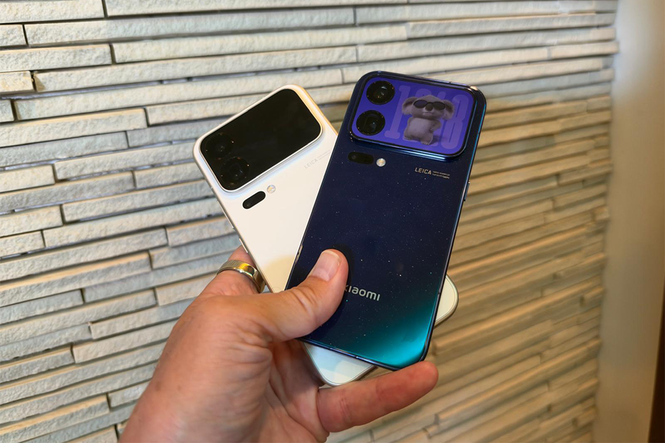
At Snapdragon Summit, we saw the first phones that will take advantage of all that raw power. Xiaomi took to the stage to show off the Xiaomi 18 Pro and Xiaomi 18 Pro Max, some of the first phones to use the latest Snapdragon chips.
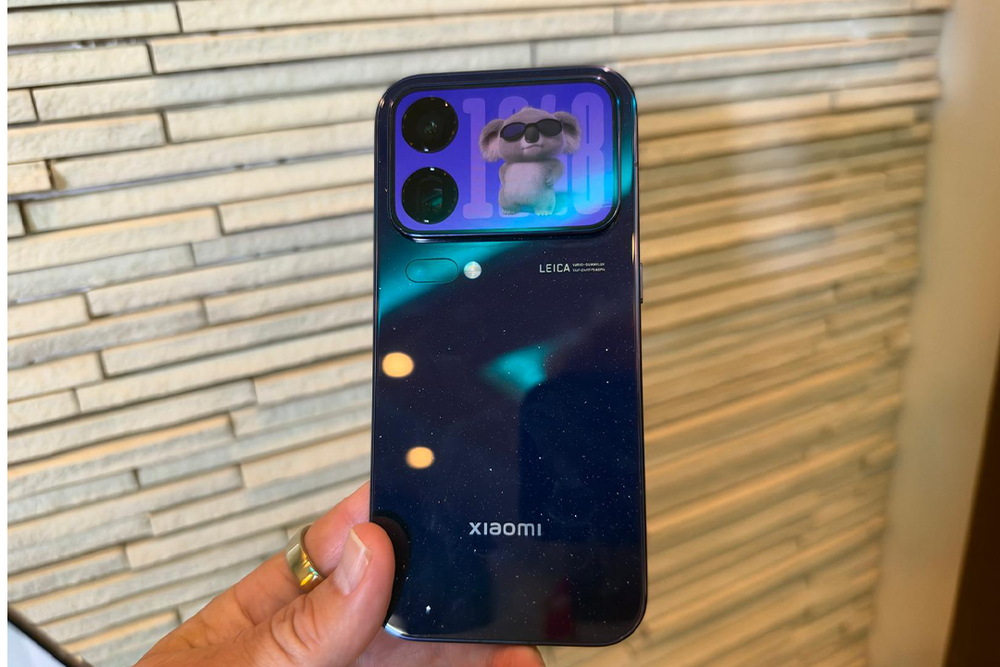
Like last year’s Xiaomi 17 Pro, the tech giant’s latest handsets feature a screen on the rear that’s built into the camera cutout. More customisable than ever, it now supports AI-generated app cards and notifications. You can also use the rear display and cameras to take a selfie instead of the lower-res front-facing camera.
Similar to the Samsung Galaxy S26 Ultra, the Xiaomi 18 Pro boasts an all-new privacy display that prevents people from seeing what you’re doing on your phone when they’re sitting next to you. What’s really cool is that the front camera can even detect when someone is shoulder surfing and automatically turn privacy mode on.
Both Xiaomi phones feature a Leica camera system with not one but two 200MP cameras – one for the main camera and another for the periscope telephoto – as well as a 50MP ultrawide snapper.
The Xiaomi 18 Pro is powered by the Snapdragon 8 Elite Gen 6, while the larger Xiaomi 18 Pro Max uses the Snapdragon 8 Elite Extreme Gen 6. In terms of performance, Xiaomi says it worked with Qualcomm to optimise efficiency and maximise memory management and apps, with the company stating that the 18 Pro delivers double-digit improvements in energy efficiency when gaming.
For the first time, both the pro-grade phones will be released globally, finally bringing Xiaomi’s rear-display Pro phones to markets outside China.
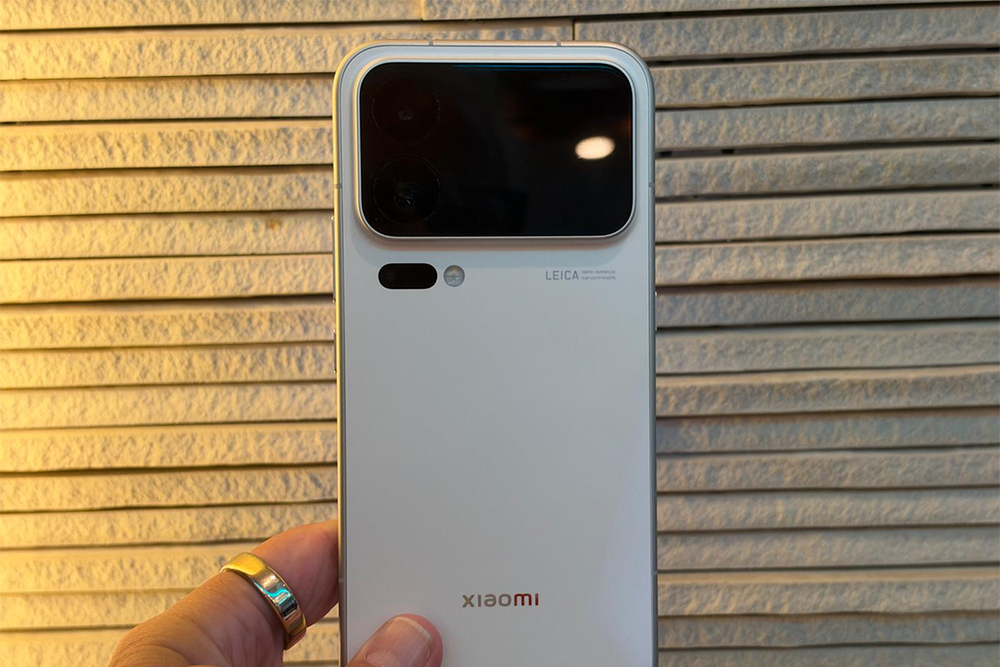
Motorola also showed off its upcoming Signature 27 smartphone, which, like the Xiaomi 18 Pro Max, is powered by the Snapdragon 8 Elite Extreme Gen 6.
There’s a 200MP periscope telephoto camera on the rear, as well as a 50MP main camera. Motorola’s Video Enhancement Engine also uses AI to help analyse scenes in real time to optimise colour, detail and clarity. Unsurprisingly, the Elite Gen 6 chip has been purpose-built to supercharge agentic AI. If you’re out of the loop, agentic AI basically anticipates what you want, instead of you having to tell it exactly what you want (very specifically), with the next generation of Android phones just knowing implicitly what you’re doing on your device.
One example Qualcomm gives is photo editing. You won’t have to tap out a long-winded prompt explaining how you want a picture edited, for example, your device would eventually be able to understand enough about how you like your photos to look, suggesting edits for you to confirm.
That may be where Android phones could gain a step-up on the iPhone 18 Pro. While Apple has made Siri more personal and capable of understanding information using everything on your phone, Qualcomm’s latest hardware is designed to keep track of more context and enable AI agents to take actions on your behalf.
Of course, Qualcomm really only provides the technology underpinning the phones. Manufacturers like Samsung, Xiaomi, Motorola, Honor and other Android manufacturers will still need to harness those capabilities themselves if they want to bring those features to life.
The new chips will also enable even better camera tech. The most powerful Android phones will be able to record 8K video at 60fps and 4K slow-motion video at a huge 240fps. For comparison, the iPhone 18 Pro can record 4K video at 120fps at a maximum.
Again, Apple does offer ProRes RAW and Apple Log 2, colour, stabilisation and low-light performance, and that’s arguably more important than higher resolution, but Android could soon have the upper hand when it comes to raw video specs.
There is also a performance boost when it comes to gaming. The new Snapdragon 8 Elite Extreme Gen 6 chip uses AI to generate more detail and extra frames when you’re playing games, so CPU-intensive games will look sharper and run smoothly without the phone having to render absolutely everything on its own.
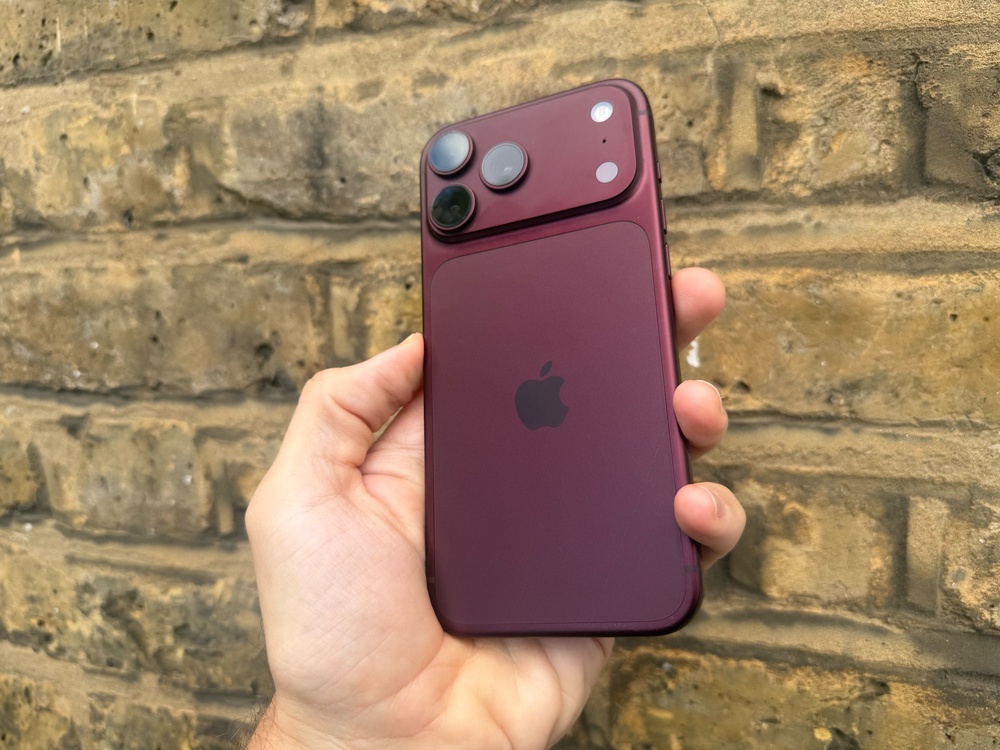
Apple does have gaming covered itself. The A20 Pro chip inside the iPhone 18 Pro, for example, has a new seven-core graphics processor, and Apple says graphics performance is up to 40 per cent faster than with last year’s iPhone 17 Pro. But Qualcomm’s use of AI will also help Android manufacturers eke out that graphical fidelity from games.
Apple’s A20 Pro uses the same 2nm manufacturing process, so don’t take that as proof that the next Android phones will be faster. Qualcomm’s new processor can reach speeds of up to 5GHz, but comparing that number directly with an iPhone would be a bit like deciding which car is fastest based solely on how high its engine can rev.
To keep the phone cool, Motorola says it uses diamond-infused thermal gel, liquid metal, copper mesh and a vapour chamber that’s 40 per cent larger than the one in its previous phone. Better cooling means you should be able to cope with demanding tasks on your phone without seeing any slowdown.
So, should you hold off buying an iPhone 18 Pro and wait for the next Android flagships instead? It’s too early to say. Qualcomm has given manufacturers the technology to build super powerful phones, but it’s still up to those manufacturers to decide which features they actually want to use.
But Android manufacturers will no doubt have some fun new tools to play with. Phones that take full advantage of the new chips will be able to beat the iPhone 18 Pro on video resolution and frame rates and potentially do some really forward-facing things with agentic AI, as well as using that intelligence to improve gaming. Even more powerful Android phones are on the horizon.
Read more: Best phones, reviewed by a tech expert