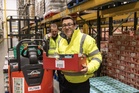
Andy Burnham will use a supermarket visit on Monday to promote his agreement with the European Union, stating that it is "taking pressure off the cost of food" for everyday shoppers at the till.
The Prime Minister will also welcome a new scheme by retailer Morrisons offering thousands of work experience and apprenticeship opportunities for young people to help tackle youth unemployment.
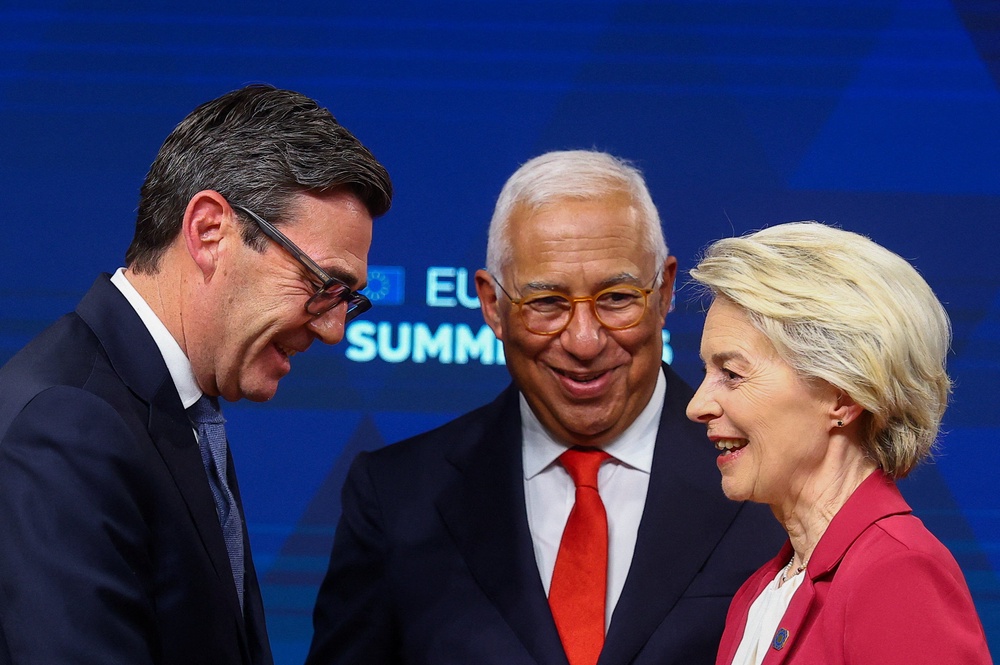
During last week’s Brussels summit, the Labour leader secured agreements on food and agriculture exports, emissions trading, and a youth experience scheme, all of which he will present in a statement to MPs in the House of Commons later on Monday.
Formally recognised as a sanitary and phytosanitary (SPS) agreement, the food accord will remove the majority of post-Brexit border checks and restrictions on food and agricultural products starting from March 1 2028.
It has been praised by the chief executives of major chains including Morrisons, Tesco and Asda, although critics have cast doubt on whether any cost changes will filter through to consumers.
Ahead of his visit to a Morrisons in Kent, Mr Burnham said: “We’re cutting the cost of doing business, backing British companies to grow and taking pressure off the cost of food for families at the checkout.
“But this is also about something bigger, restoring hope and opportunity to a generation of young people who have too often felt that the odds are stacked against them.
“Whether it’s an apprenticeship, work experience or that first step into a good job, I want every young person to have a path to a better future. I’m delighted that Morrisons is stepping up to open its doors to thousands more young people, giving them valuable work experience and the opportunity to get their foot on the career ladder.”
The Labour leader will tour the facility with Morrisons chief executive Rami Baitieh to discuss how the firm is creating youth opportunities, as the Government seeks to tackle the crisis of more than a million young people not in education, employment or training (Neet).
Morrisons Proper Opportunities includes an initiative to create 1,000 apprenticeship opportunities by 2030, as well as a scheme to offer 3,000 work experience places for 14 to 18-year-olds across its shops, logistics hubs, manufacturing sites and head offices.
Mr Baitieh said the visit would “shine a light on some of our fantastic apprentices, as we underline our commitment to creating meaningful work pathways for young people.
“It will also be an opportunity to discuss the new EU food trade deal at first-hand.
“Removing these trade barriers will help tackle the cost-of-living challenge and lighten the load on shoppers.
“As a fresh food manufacturer, we welcome the prospect of more accessible export markets for our excellent meat and fish, and our customers in Gibraltar will be pleased that the agreement will enable Morrisons to export more great British food to our store on The Rock.”
Mr Burnham has previously said his agreement with Brussels could raise GDP by 0.4%.
But the Government has faced questions over how much of the savings from reduced trade barriers will be passed on to shoppers.
Conservative deputy leader Alex Burghart, who vowed to repeal the deal, told Sky News on Sunday: “I don’t believe for a moment that these… very small changes in cost are actually going to filter their way through to consumers at a time when the Government has policies that are making the cost of energy and electricity much higher.”
Tory leader Kemi Badenoch will tell the CBI conference, on Monday, that Mr Burnham “got a terrible deal, because he made it clear he wouldn’t turn it down”, and argue that Europe “is not the market of the future” and that Britain should focus on faster-growing economies such as India, Indonesia and the US.
Reform UK leader Nigel Farage will tell the same gathering: “Divergence is our strength. Going backwards into the EU’s orbit would be a disaster for the very British businesses that are trying to compete and innovate.”
The British Retail Consortium called the SPS deal a “big win” for UK retailers, but said it did not expect to see prices on supermarket shelves fall in response.
Foreign Secretary Ed Miliband and European relations minister Hamish Falconer both declined to say how much consumers should expect food prices to fall in Sunday interviews.
“I’m not going to pick out items or pick out a number,” Mr Miliband told the BBC, as he told viewers to “take the word of all the retailers” who pointed to “downward pressure on prices”.
The Foreign Secretary also insisted the Government could tackle the Neets crisis at the same time as overseeing the EU youth mobility scheme.
Concerns have been raised over the scheme, which will allow 100,000 Europeans aged 18 to 31 to live in the UK for up to three years, could increase competition for jobs and undermine the efforts to curb the number of Neets.
He said: “There’ll be young people from Britain going to work in Europe and study and live, and there’ll be young people from Europe coming to our country as well.
“And I absolutely believe we can both address the issue of Neets, which I think Alan Milburn did excellently this week, and we can address the issue of young people having the freedom to go and work and live in Europe.”
Read MorePip review to call for overhaul as setup ‘no longer fit for purpose’
Badenoch hits out at PM’s ‘terrible’ EU deal as Farage warns of rejoin ‘disaster’
Rishi Sunak warns against reopening ‘divisive’ Brexit debate
Is it too cold to walk the dog? How to prepare your pets for winter
Crowds evacuated from Manchester Co-op arena as police declare major incident
Teacher who had sex with pupil 30 times faces sentencing after court no-show