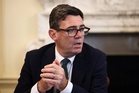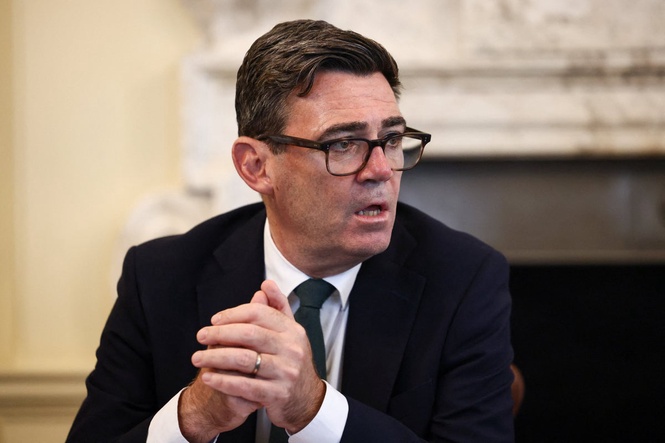
Andy Burnham will need to find as much as £10bn in tax rises or spending cuts in his first budget as the impact of the war in Iran bites on Britain’s economy, it is claimed.
Economists have told The Times that the government’s £23bn fiscal headroom, which acts as a buffer against economic shocks, has fallen to around £5bn.
Meanwhile, the Office for Budget Responsibility has reportedly begun its assessment of the economy, which takes place over ten-days before the Budget. The findings of the assessment are used to calculate the cost of debt interest which forms the basis for the budget.
But a government source told The Times the timing of the forecast is “hugely challenging” because of the impact of the war in Iran, with the cost of government borrowing having hit its highest level for 19 years in the past week as a result of rising oil prices.
To make matters worse, on Wednesday it was revealed that inflation increased to a five-month-high last month on the back of rising fuel prices and air fares, mounting more pressure on the government to ease cost-of-living concerns for UK households.
The official data comes amid warnings from economists that inflation will continue to swing higher over the coming months, with increases in interest rates also predicted.
Households are also expected to face another rise in their energy bills from next month, adding to pressure on consumer finances ahead of the autumn Budget.
Chancellor John Healey stressed that the UK economy is nonetheless “proving resilient” as he blamed the war in Middle East for the inflation increase.
But the Resolution Foundation think tank estimates that the government’s headroom has fallen to between £5 billion and £10 billion, partly as a result of Mr Burnham’s cost of living pledges and the fact he will need to find an extra £4.7 billion for defence over the next five years.
The organisation’s chief executive Ruth Curtice said: "It looks like borrowing will be higher in the forecast by a significant amount and with the bond markets in such turmoil that is not something the chancellor can avoid having to address, either with tax rises or spending cuts.
"This is a difficult budget. Having a war break out that particularly affects energy prices, to which the UK is exposed, and a big shock to sovereign borrowing around the world is not an easy circumstance in which to deliver a budget.
"Rachel Reeves [the former chancellor] announced more tax rises than any other chancellor. To have to raise tax further on top of that is clearly challenging, particularly given the constraints in the manifesto.”
Meanwhile, Neil Shearing, group chief economist at financial analytics company Capital Economics, told The Times: “Given the government’s fiscal rules, Healey faces little choice but to weigh up tax rises or spending cuts to make up the shortfall.”
The Office for National Statistics (ONS) said Consumer Prices Index (CPI) inflation increased to 3.1 per cent in August, compared with 2.9 per cent in July.
It was in line with predictions from economists and points to an upward trajectory for inflation since striking a 15-month-low of 2.6 per cent in June.
It therefore moved further away from the Bank of England’s 2 per cent inflation target, ahead of the central bank’s latest interest rate decision on Thursday.
Read MoreAndy Burnham speaks out on father’s death for first time
Burnham says thank you for messages of support after death of father
Gambling giant set to axe 400 jobs as it blames UK tax hikes