IT grieves me to say that, as a rule, we are not kind to animals. We seem to ignore or to be unaware that as beings with life, they can feel unkindness in the form of physical punishment and neglect, as well as being used to death.
Lately, cases of cruelty to animals have come to the fore, which makes me repeat that we should be kind to animals and think of them as beings with life that is a gift, is sacred and must be given its due.
When there were “calesas” (horse carriages) in general use, horses were worked to death, underfed, and not hydrated. Now, that mode of transport is mostly gone, replaced by tricycles and other vehicles. Let us hope that the tourist calesas in Intramuros that are there are giving their horses better treatment in this day and age.
Sometimes, the same goes for carabaos, which are worked to death, not given enough food and not brought to the water they need to bathe in to cool down after work. Ill-treatment can make them go amuck and kill their tormentors. But in general, they are placid, hardworking animals that should be given humane treatment.
Note how pigs, chickens and even cows are transported to the slaughterhouse. They are in overcrowded, waterless conditions despite the heat and length of time it takes to transport them. Most of them arrive in dehydrated conditions. This is an everyday happening. I dread the idea of contemplating what exactly happens in our slaughterhouses when the preliminaries are already so thoughtless and cruel. Are they still slashing pigs on the side before transporting them to slaughterhouses to indicate that they are for slaughter? I observed this in the past, but have not noticed the same lately. I don’t think it is an onset of humaneness. Maybe because it is too much trouble, there are too many pigs, and it is actually a useless sign. They will be killed anyway. In other words, I doubt it comes from an attack of kindness to animals.
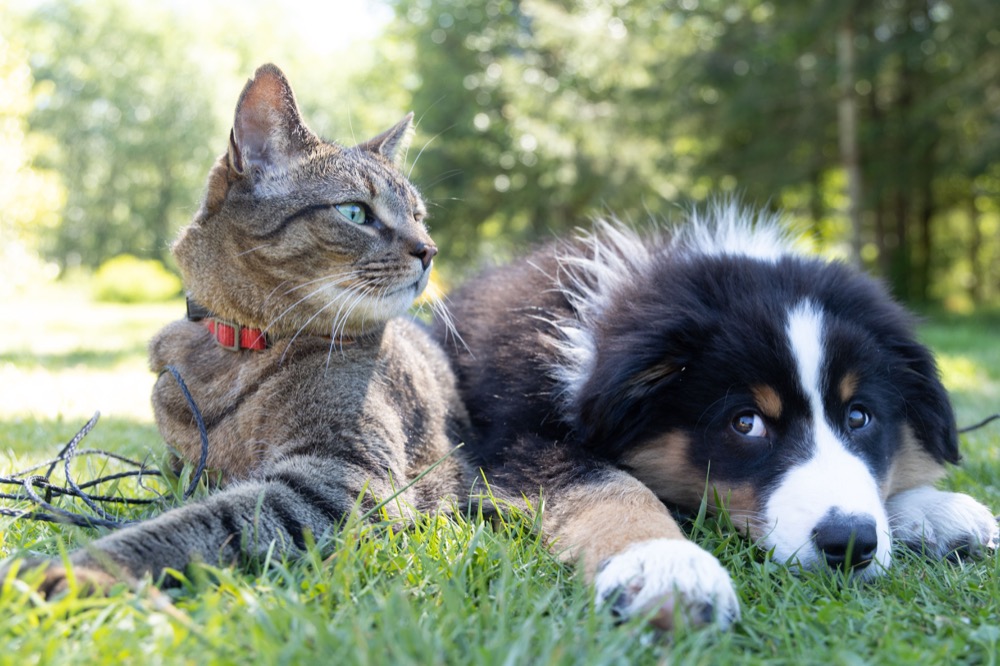
As far as cats and dogs, the strays are treated cruelly as though it is their fault that they roam around looking for food when it was irresponsible humans who brought them to that condition by not taking care of them properly. Even household pets are not treated humanely, just given scraps, not enough water nor taken out to exercise and in the case of dogs for sanitary needs. I will not relate too many of the cruelties inflicted, but some include pouring boiling water on strays to keep them away, or beaten for no reason, or for behaving as their nature entails. Some pets are tied to short leashes where they can neither sit nor lie down. Even cats are also tied up. Some dogs are caged in small spaces where they cannot move, are not exercised and left to wallow in their filth.
The worst part is when the public witnesses such cruelty, including the beating of dogs, the use of boiling water on cats, the punishment of farm animals like carabaos and horses, and does nothing but watch it happen.
We have heard of puppies being thrown from high places or rabbits who were not allowed on public transport being publicly doused with gasoline and burnt. This is needless cruelty, and it takes energy and inhumanity to do it. What kind of human beings do such things? But it happens.
Lately, we seem to be going into a pet craze, but it is confined to animals of certain breeds, whether cats or dogs. They may be status symbols. These are treated like babies, shown off and given their due, if not more. It would be progress if that would include our ordinary stray animals that would be adopted into homes and not necessarily treated so lavishly but given the necessary conditions to live a happy life.
On the bright side, some communities like housing entities, and even businesses and other establishments are taking care of cats found in their premises by feeding them and giving them health care (neutering them, vaccinating them).
There are people and partnerships who care for animals and work for their welfare. The Philippine Animal Welfare Society is one. Anna Cabrera is a heroine for animals in this group. There is after all an Animal Welfare Act, a law against cruelty to animals which through the judicial process punishes miscreants. They are overworked and need volunteers from the many cases they have to address as well as funding.
Another heroine is Rina Ortiz, who on her own has been a crusader for better treatment of animals through vaccinations against diseases, particularly rabies, and has set up animal sanctuaries to take care of abandoned and cruelly treated animals as well as animal clinics to take care of their needs.
And for many years, in Makati, there is Nancy Howell CuUnjieng, who has been a pioneering animal welfare advocate, particularly for cats which seem to be the perennial victims of cruel humans.
There are too many individuals who quietly go about feeding strays and working for their adoption. We need more of them.
In the long run, and for a better humane future, education about animals should be part of any education in this country. Ignorance has brought us to this state of animal cruelty. It is time to reverse it by appealing to people’s humanity by showing that animals are part of life, can suffer cruelty, have feelings and sensitivities that we must be aware of. Surely, then we can become a better society, kinder not just to animals but to each other.