
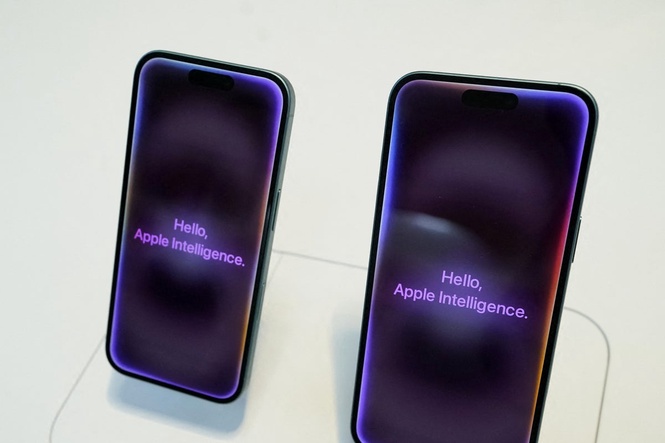
This year, the iPhone maker revealed a new update that completely overhauled the voice assistant and added a host of new features, powered by artificial intelligence. It can now draw on a users’ personal context, for instance, as well as answering questions about the world.
But Apple is planning to add yet more updates to the tool so that it can actually take actions on its owner’s behalf, according to a new report from Bloomberg. The changes could arrive as soon as next year, the report suggested.
It would allow Apple to compete with other recent updates from OpenAI, SpaceXAI and Muse. The latter has gained particular attention and users with its new Muse system, which is operated through a chatbot but can be proactive in taking actions for its owner, such as booking tickets or rescheduling meetings.
Apple may already have revealed some of the work that it is undertaking to make that happen. Last week, for instance, it announced that it would allow all apps to access Siri, so that the system can take actions between apps.
Recent updates to Siri have also added other features that could make that aim easier. The most recent iOS 27.2 update, for instance – which was released towards the end of October – gave Siri a better memory so that it can recall useful context from previous conversations.
But even with those recent and upcoming changes, Siri is still lacking in key features that are offered by rivals. Its most powerful competitors – which also includes SpaceXSI’s GrokBot and OpenAI’s Dots – are able to keep tracking of long-term goals and also conduct long and complicated tasks without their owners needing to keep track of them, for instance.
Apple is planning to take Siri in a similar direction, the Bloomberg report suggested. That could arrive “as early as next year”, the report said, though it noted that the company could be forced into that timeline given the already widespread and growing interest in such agents.
But making Siri more proactive and akin to other agents could pose a host of challenges. Other systems have occasionally faced criticism for taking actions that users have not asked for, and Apple has also repeatedly stressed that it does not want to turn its voice assistant into anything like a friend, akin to the cutely designed and sometimes intrusive nature of Meta’s Muse, as well as keeping its concern for privacy and security.
New chief executive John Ternus was largely positive about Apple’s work on Siri and its AI features in Apple’s most recent earnings call last week. But he appeared to acknowledge some of those other concerns in remarks during that same event, when asked about a possible agentic future for Siri.
He said that the system is “primarily request-based today” but that it had been built on an architecture that “gives us real room to expand its capabilities over time”. “As far as agentic capabilities, we think these are promising tools for users,” he said.
“We just want to make sure that users are aware of what they’re giving access to,” he said. “We want to make sure this is done in a way that protects security and privacy.”
Read MoreThe secret reason your iPhone will refuse to autocomplete certain political words
Meta U-turns on controversial change to how Instagram and Facebook would work
Why the world is panicking about the future of artificial intelligence
