
There’s something very exciting about hearing Penang talk about the “creative economy.” It sounds progressive, forward-thinking, almost like we’re on the brink of becoming the next big cultural capital of the region.
According to State Tourism and Creative Economy Committee chairman Wong Hon Wai, the future lies in integrating creativity, culture and innovation into every sector. Beautiful sentence. You can already imagine it framed on a wall somewhere.
And to be fair, things are happening.
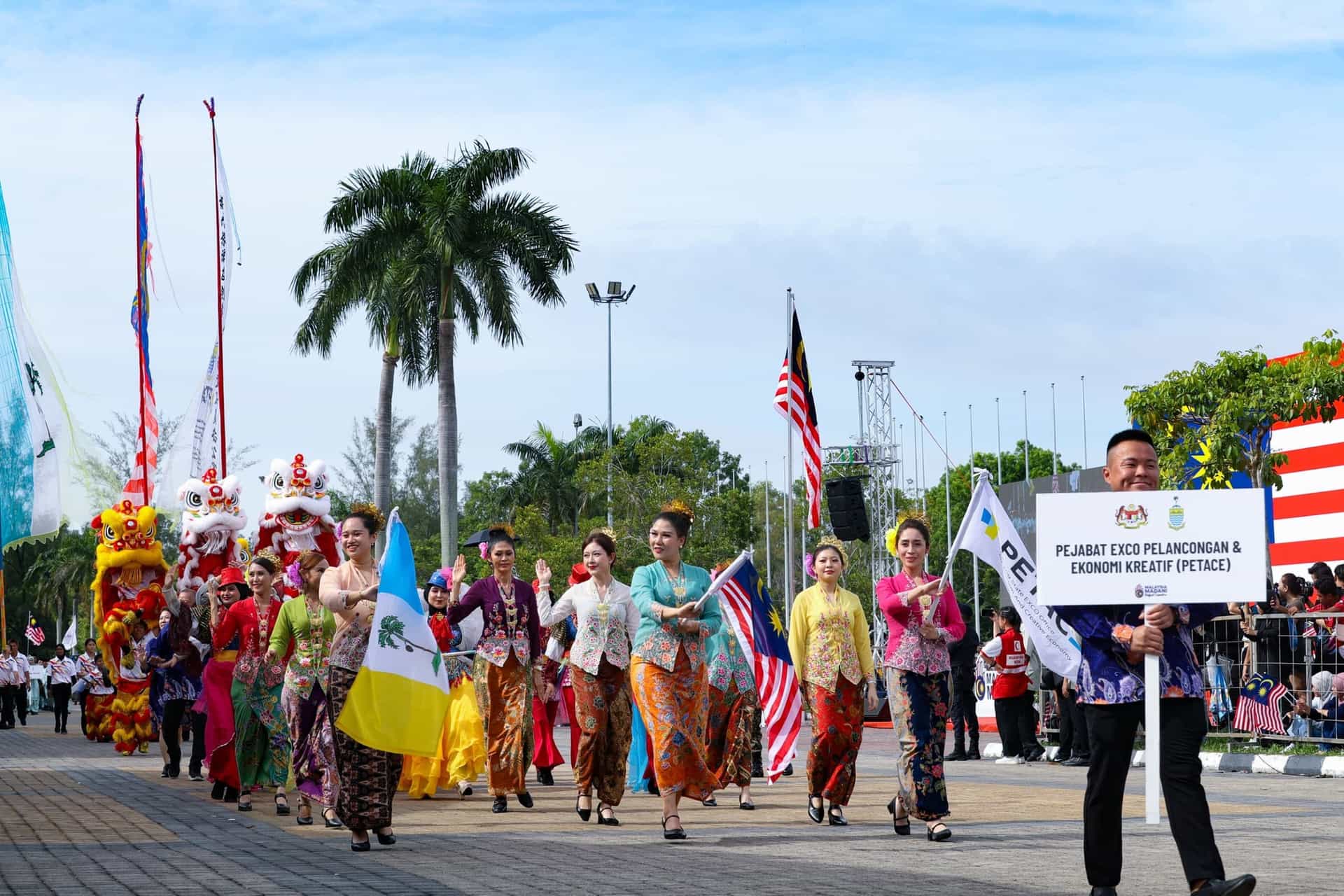
We’re promoting the kebaya globally after its recognition by UNESCO. We’re collaborating with Hong Kong productions. We’re exporting Chingay to China. We’re opening galleries, upgrading heritage spaces, and welcoming more tourists than ever before.
From the outside, it looks like momentum.
But from within the arts community, there’s a quieter question being asked, “Are we building a creative economy or just marketing one?”
Because right now, much of what we’re doing feels like we’re packaging culture beautifully… and then sending it elsewhere to be fully realised.
We talk about kebaya as a global opportunity. But where is the ecosystem that supports kebaya designers here?
We celebrate Chingay on international stages. But how many full-time practitioners can actually sustain themselves doing it?
We are exporting culture faster than we are investing in the people who create it.
And then comes the simplest, most uncomfortable question of all—“Where are our spaces?”
Not pop-up venues. Not borrowed halls. Not “we’ll make do.”
Actual, intentional, built-for-purpose spaces.
Where is the concert hall that can host world-class performances and local ones with dignity?
Where is the cultural centre that trains, develops, and challenges artists to grow beyond hobbyists into masters?
Where is the long-term investment in building not just artists, but audiences who understand, appreciate, and demand better art?
Because a creative hub is not a vibe. It is infrastructure.
Right now, Penang feels like a place that celebrates art when it’s convenient, showcases it when it’s marketable, and exports it when it becomes valuable.
But building a true creative economy requires something less glamorous and far more difficult—consistency, commitment, and concrete investment.
To be clear, this is not a dismissal of what’s been done. It’s a call to go further.
Because the artists are already here. The stories are already here. The culture is already alive and evolving.
What’s missing is the system that allows all of this to grow—properly, sustainably, unapologetically.
Even the Entrepreneur Development and Cooperatives Minister Steven Sim acknowledged that culture must be tied to livelihood. And he’s right. Artists don’t just need platforms. They need paychecks. Pathways. Possibilities.
So yes, let’s talk about the creative economy.
But let’s also ask the harder question—“Are we building a future for the arts or just creating better brochures for it?”
About the writer:
Do Re Mi is mildly disappointed in humanity and entirely comfortable saying it out loud. He doesn’t expect brilliance, just a basic level of competence. When even that’s missing, he judges. Openly. Proudly.
Firmly rooted in his own perspective, he has little patience for nonsense. He’s not here to inspire, he’s here to point out what’s not working, and why that’s your problem.
Seni:Kita (pentaspena.pg@gmail.com) is a content creator under the Newswav Creator programme, where you get to express yourself, be a citizen journalist, and at the same time monetize your content & reach millions of users on Newswav. Log in to creator.newswav.com and become a Newswav Creator now!
The User Content (as defined on Newswav Terms of Use) above including the views expressed and media (pictures, videos, citations etc) were submitted & posted by the author. Newswav is solely an aggregation platform that hosts the User Content. If you have any questions about the content, copyright or other issues of the work, please contact creator@newswav.com.