
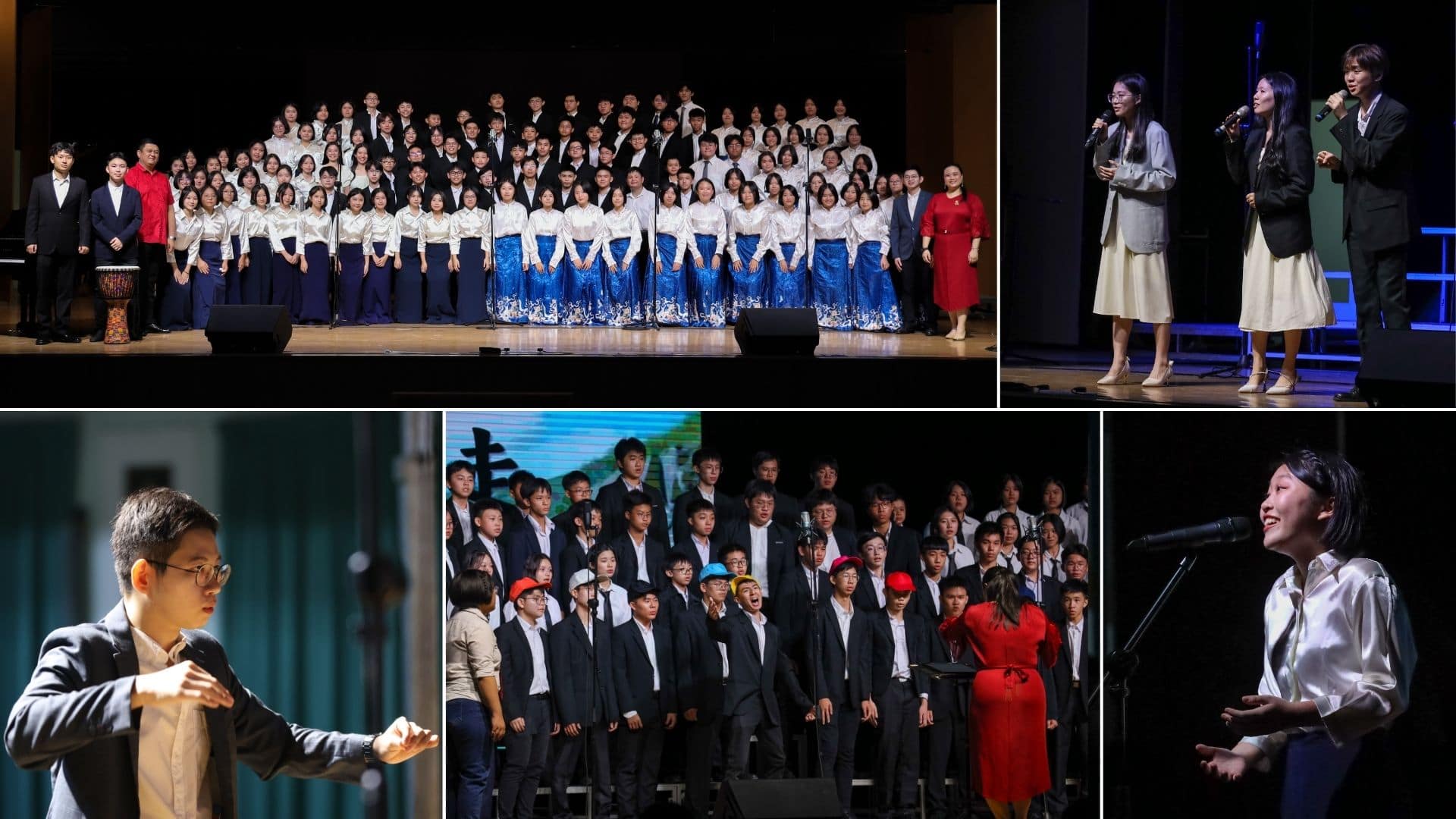
I might have let this concert slip by if the Penang Arts Council (PAC) hadn’t invited me to attend and review it for them. The March performance, supported by PAC, brought together two award-winning local school choirs—from Chung Ling High School (CLHS) and Penang Chinese Girls’ High School (PCGHS)—that had never performed together before, and it was an impressive alliance indeed. Titled Saeculum Chori, the programme explored choral tradition across time and place, spanning the full range of vocal textures—from solo voice to full ensemble forces of more than 80 singers. The result was a lively programme that moved seamlessly between full choir and solo voices, with energy and control throughout.
The full-house audience brimmed with supportive fans: parents, faculty, alumni, classmates, and friends. The man sitting next to me, with his young granddaughter on the other side, proudly announced that he was 83 years old and an alumnus of CLHS, Class of 1961. Further back, in the centre of the packed gymnasium-turned-concert hall, a lively group of supporters—sometimes more like a sports crowd than a concert audience—cheered enthusiastically whenever their choir took the stage. The energy in the hall was immediate and generous throughout the evening. Each programme segment was introduced by animated student narrators in both English and Mandarin, adding a theatrical framing to the programme, though the English delivery at times moved a little too quickly—even for this native speaker—to fully land its meaning.
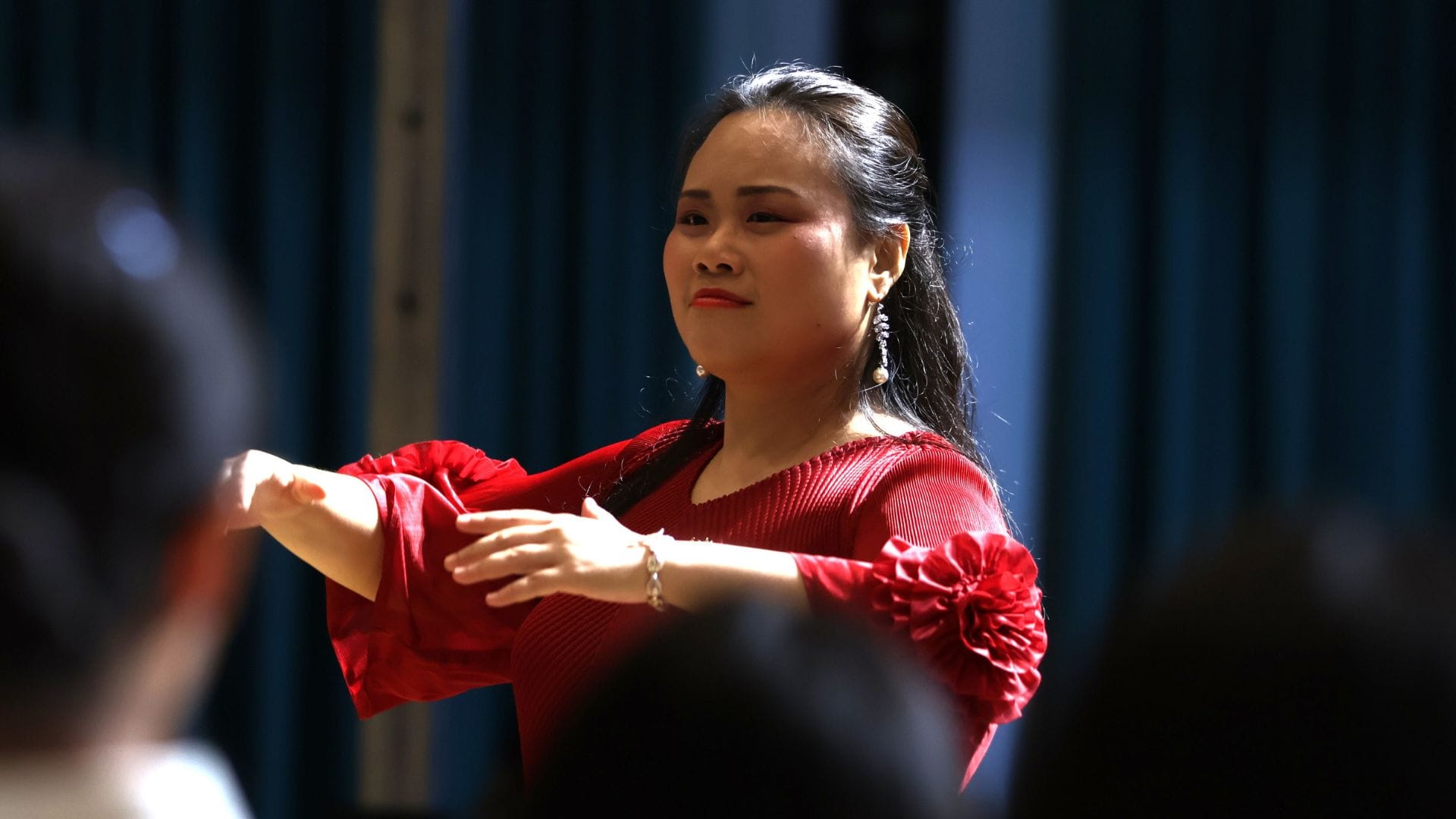
The two conductors, Teoh Jian Feng of CLHS and Tan Jin Yin of PCGHS, spoke with real enthusiasm about their aim for this first joint programme: not only to present a wide range of styles, but to draw the audience more deeply into the experience of choral singing. As one put it, they hoped listeners, “especially the parents, will be able to learn more about choral music and appreciate the beauty of singing together as a choir.” It was an ambitious idea—and one that clearly came through as the evening unfolded.
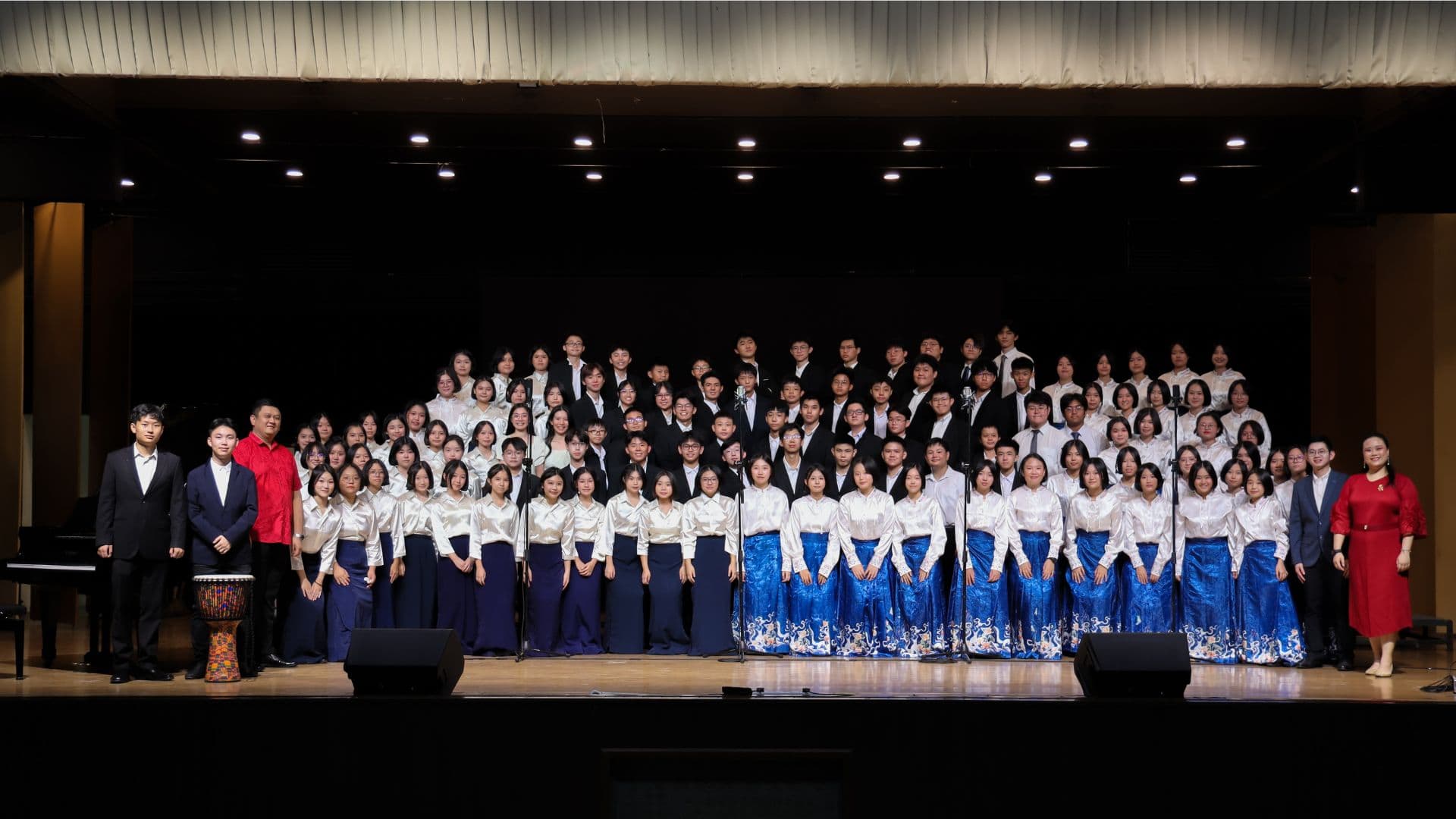
The concert opened with two striking large-ensemble works that set the stage for the evening’s variety and energy. The combined 82-voice choir of boys and girls made an immediate impact with Ndandihleli, a South African folk song evoking themes of community and spiritual reflection. The visual impression of the singers on tiered risers, including coordinated skirts among the girls, gave the opening a strong visual lift. From there, the programme shifted into a more percussive world with Tres Cantos Nativos dos Indios Krao, a Brazilian work performed a cappella with rhythmic accompaniment created by the singers themselves—clapping, stomping, and body percussion woven into complex, tightly controlled patterns. The rhythms were tricky; the choir handled them with confidence.
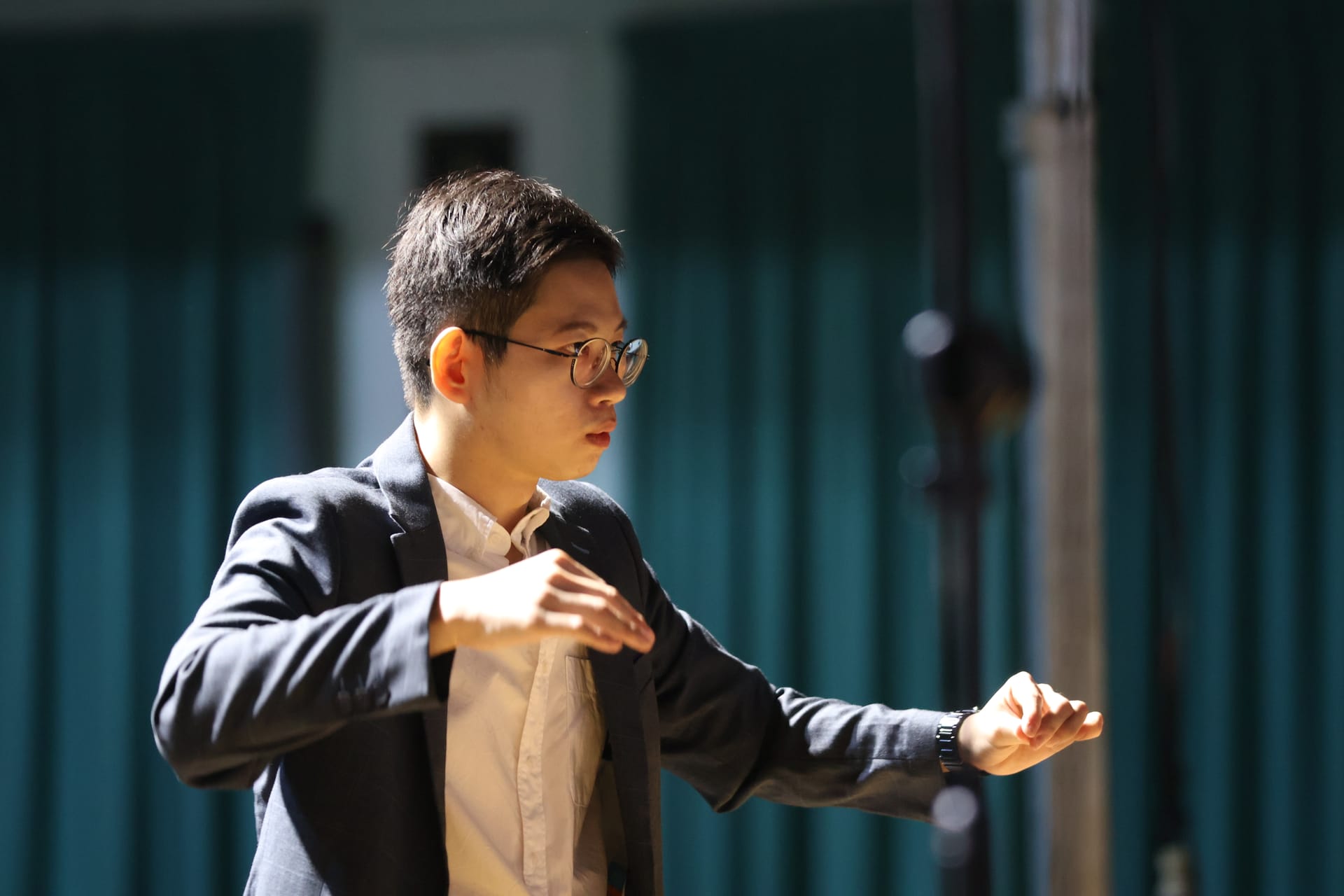
As a former choir member myself, I was particularly impressed by the groups’ diction. It didn’t matter what language they were singing—though I was especially attuned to English—you could always hear clearly articulated individual words. That kind of clarity doesn’t happen by accident; it reflects careful training and rehearsal, and both choirs sustained it throughout the programme. Notably, each ensemble is led by a conductor who is also a graduate of the school, bringing both experience and a strong sense of continuity to their work.
Across the concert, the repertoire moved through a wide stylistic and geographic range, including works from Southeast Asia, South Africa, South America, China, Taiwan, Europe, and the United States. It was a whirlwind musical tour. The programme was carefully structured, with varied ensemble configurations—large to small—in each half. In addition to the two faculty conductors, several works were led by student conductors, offering them valuable leadership experience in a real performance setting.
Interspersed among the larger choral works were solos and small ensemble performances that gave individual singers a chance to step forward. With the depth of talent in both choirs, selecting soloists must have been a challenge.
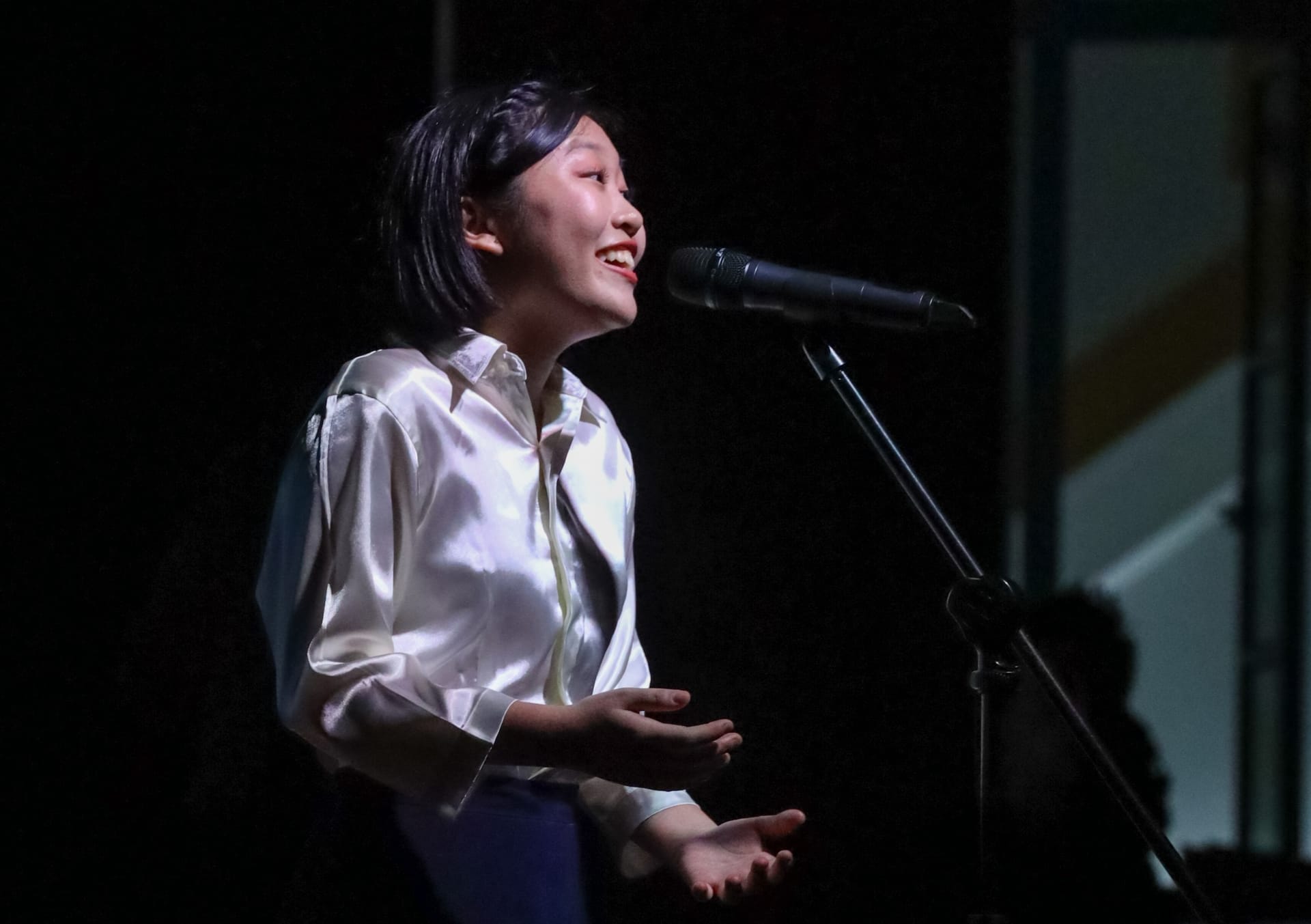
A young tenor performed O Sole Mio, stepping out from the full choir with confidence, his voice ringing out and his stage presence well matched to the song. A contrasting highlight came from a young soprano who offered a poised rendition of “Una donna a quindi anni” (a girl of 15) from Mozart’s opera Così fan tutte (a particular favourite of mine). Singing in Italian, she moved quickly past some early nerves to deliver a controlled and expressive performance, meeting the aria’s demands with clarity and control, including some well-landed high notes.
A duet from Wicked (“For Good”) added a contemporary touch and was wildly popular with the audience. The remaining small ensemble offerings—duets, trios, and chamber groups—varied in impact but together reinforced the programme’s emphasis on variety in texture, language, and style, and showcased the depth of talent in the choirs.
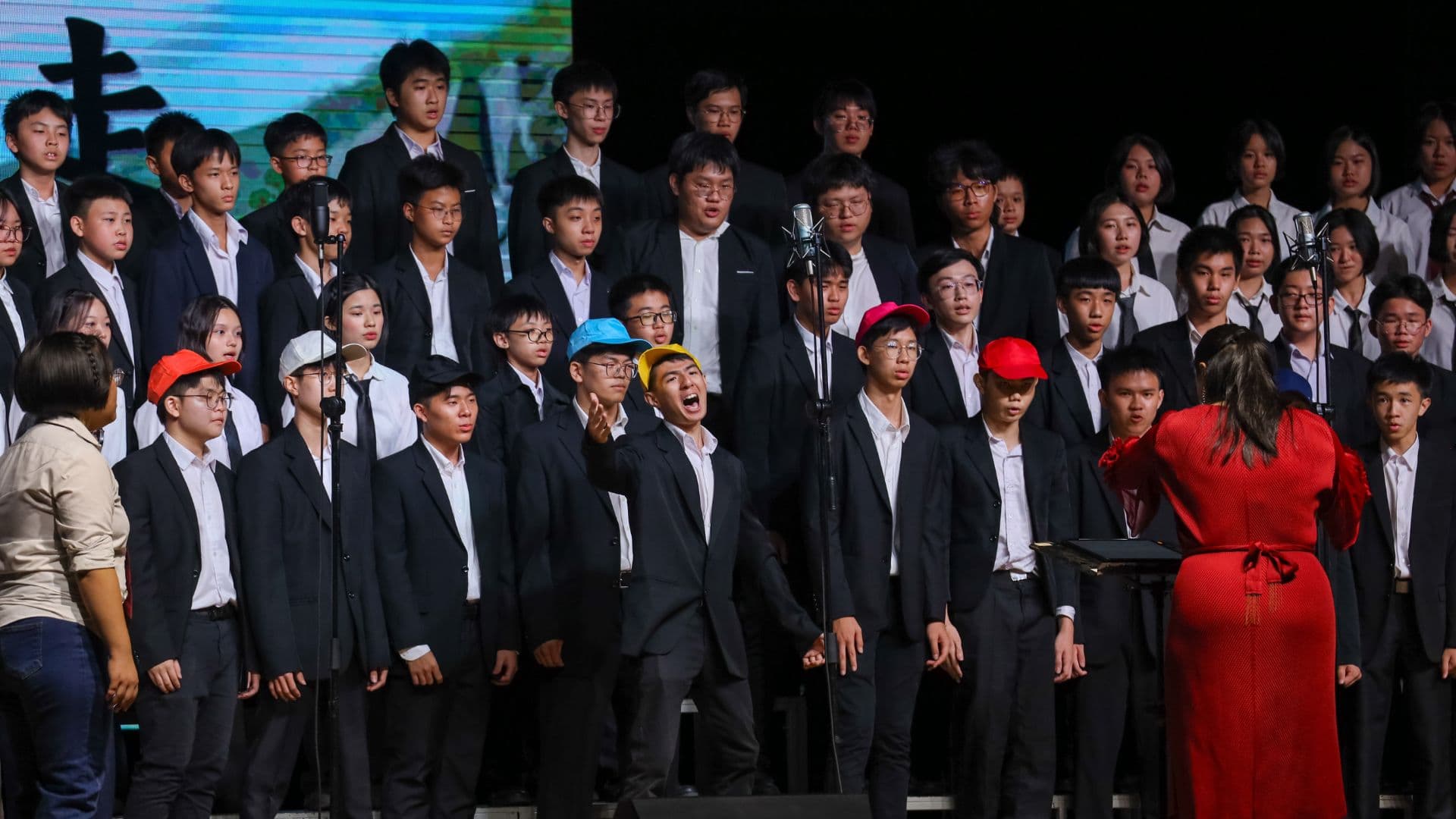
The concert concluded with two combined choir works that brought everyone back to the stage, reaffirming the soaring impact of hearing more than 80 young voices singing as one. It was one of those performances that rewards attention to both detail and scale: individual voices, small ensembles, and full choral forces all showcased vividly within a single programme.
Don’t make the mistake I almost did by missing a future performance by either of these choirs—whether separately or together. If you see them on a programme announcement somewhere, get a ticket and take a seat. It’s well worth it.
About the writer:
Katie Coolbaugh’s career path took a scenic detour—from programme evaluator to life at sea. For over 20 years, her sailboat had everything except space for a cello. Now anchored in Penang, she’s making up for lost time as principal cellist of the PPO.
Seni:Kita (pentaspena.pg@gmail.com) is a content creator under the Newswav Creator programme, where you get to express yourself, be a citizen journalist, and at the same time monetize your content & reach millions of users on Newswav. Log in to creator.newswav.com and become a Newswav Creator now!
The User Content (as defined on Newswav Terms of Use) above including the views expressed and media (pictures, videos, citations etc) were submitted & posted by the author. Newswav is solely an aggregation platform that hosts the User Content. If you have any questions about the content, copyright or other issues of the work, please contact creator@newswav.com.