
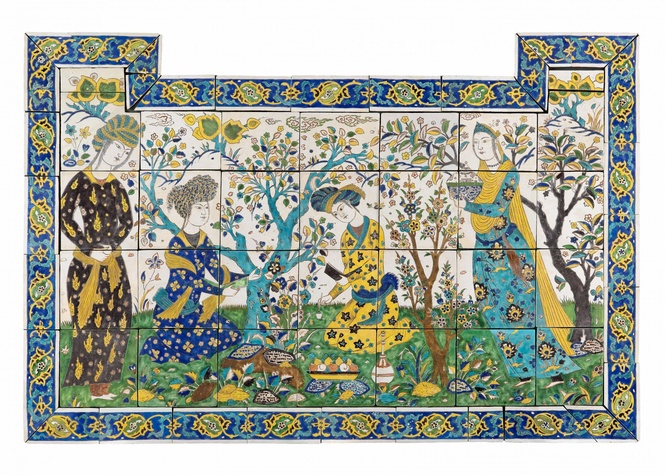
There’s an alarming (and fascinating, when I shelve my personal feelings for this) increase in anti-Islamic rhetoric in the Western world in the past 10 months, most famously when Australian senator Pauline Hanson said that there’s “no such thing as a good Muslim” and Tennessee’s representative Andy Ogles said on social media that “Muslims don’t belong in American society”, explicitly adding that “pluralism is a lie.”
And when the politicians of the so-called civilised world fail us, the catharsis we seek invariably comes from the world of art and culture. The physical archives of history offer a quiet, definitive refutation to these demagogues. They remind us that the most dominant reality of human history is the fact that boundaries were fluid and pluralism was, and still is, a lived reality.
It is against this volatile contemporary backdrop that a profound cultural dialogue arrives in Singapore. The Asian Civilisations Museum (ACM), in partnership with the Musée du Louvre in Paris, presents ‘Crosscurrents: Masterpieces of Mughal, Safavid, and Ottoman Art from the Louvre’.
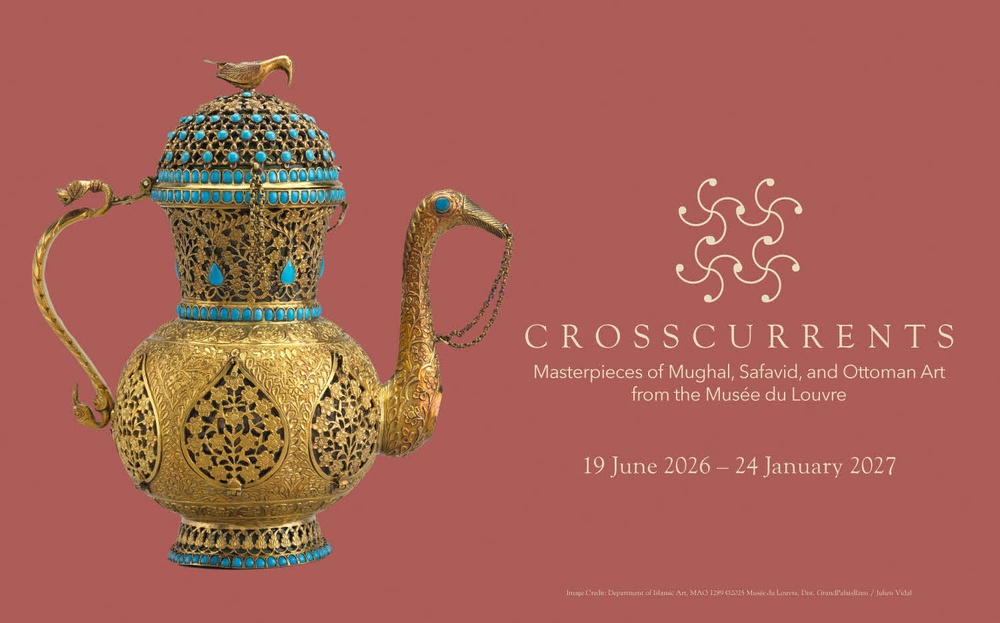
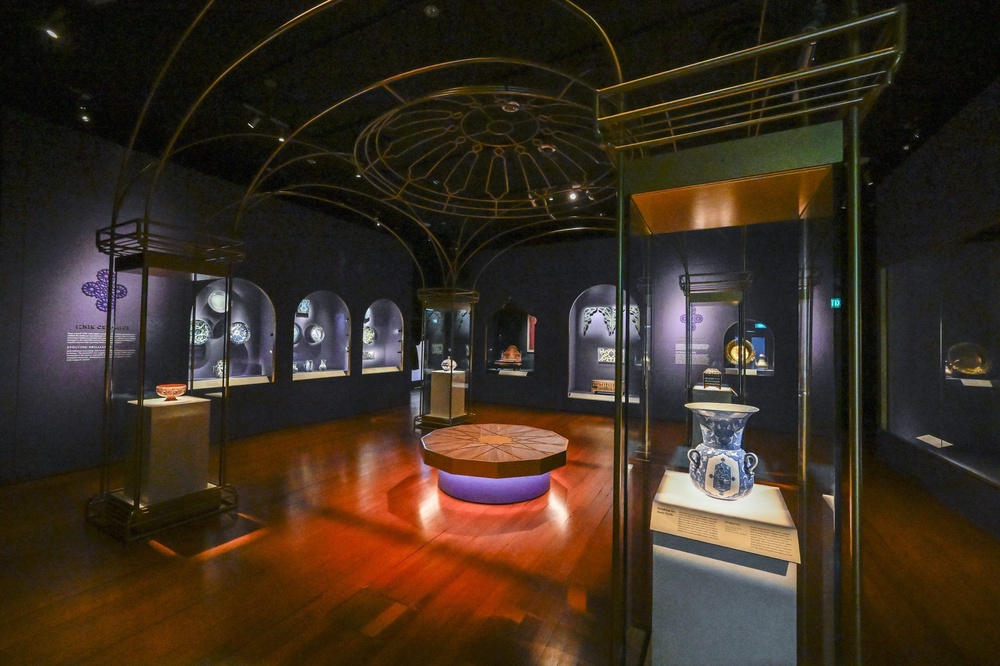
The landmark exhibition brings together 100 masterpieces from the Louvre’s esteemed Islamic art collection alongside 30 curated pieces from the ACM. This historic collaboration traces how trade, diplomacy, migration, and artistic ingenuity shaped a highly cosmopolitan world from the 16th to the 18th centuries, bridging the distance between Istanbul, Isfahan, Delhi, and South-east Asia.
Present at the media vernissage was Judith Henon-Raynaud, chief curator of the Islamic Arts Department at the Louvre. The shadow of Islamophobia, as well as the US war on Iran, hung over those present, and Henon-Raynaud, proud and erudite, did not skirt away from discussing these issues.
“I believe arts and culture are key to connecting people. The objects and civilisations we are showing here in Singapore send a powerful message to the world about the power of art. Obviously, this exhibition was planned long before recent global events, but it comes at a crucial and significant time,” she says about the exhibition.
“We were very aware of unfolding events when this exhibition was coming together. What we are really trying to establish is that even looking back at the 16th to 18th centuries, different cultures and religions found ways to connect with one another.”
The exhibition isn’t just important from a sociopolitical perspective. It is also a great stride forward in academia.
Henon-Raynaud explains, “Traditionally, the academic field has heavily favoured the study of the classical world. For the Louvre, entering the 21st century meant it was vital to extend our understanding further East and integrate South-east Asia into the broader field of Islamic art history.”
She continues, “When we began exploring the ACM’s collection, we immediately saw clear iconographic and technical connections. Islamic art history is already a well-established academic field, but looking at it through the lens of South-east Asia is relatively fresh. It opens a completely new window, and I hope it inspires young students, academics, and professionals to contribute to this growing field.”
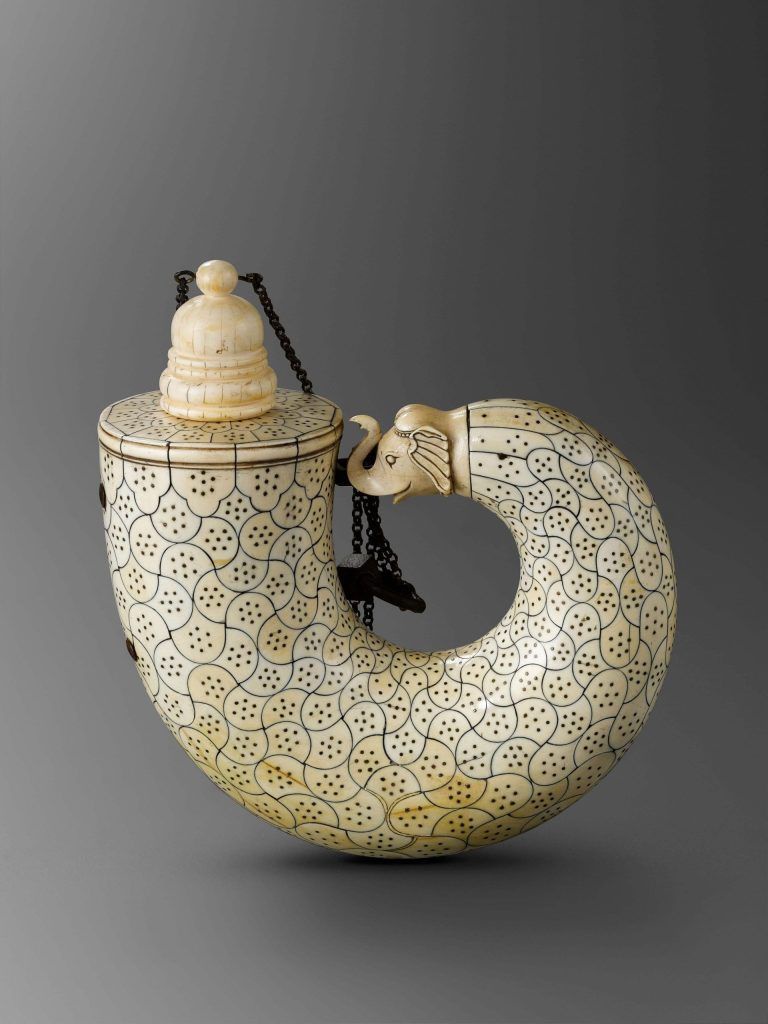
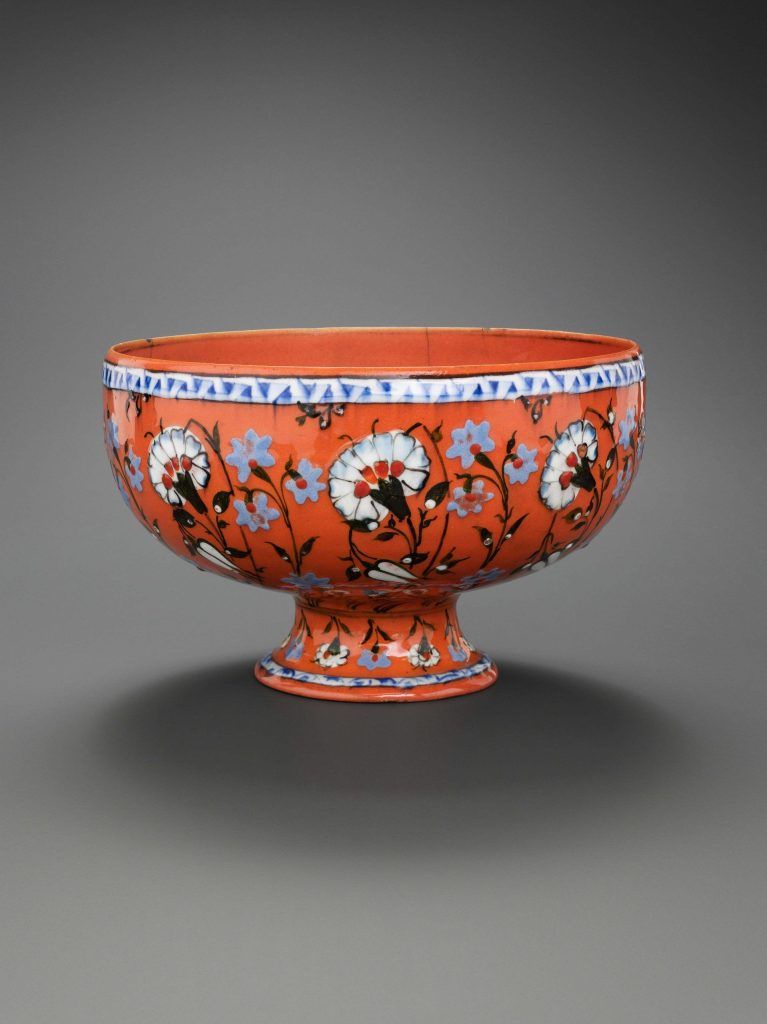
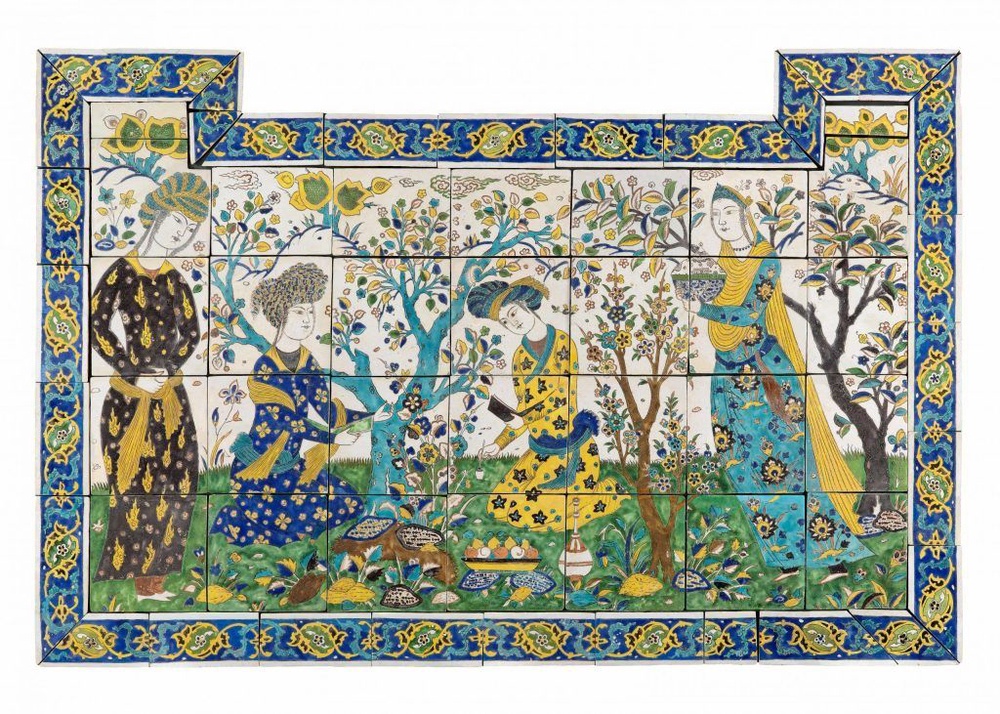
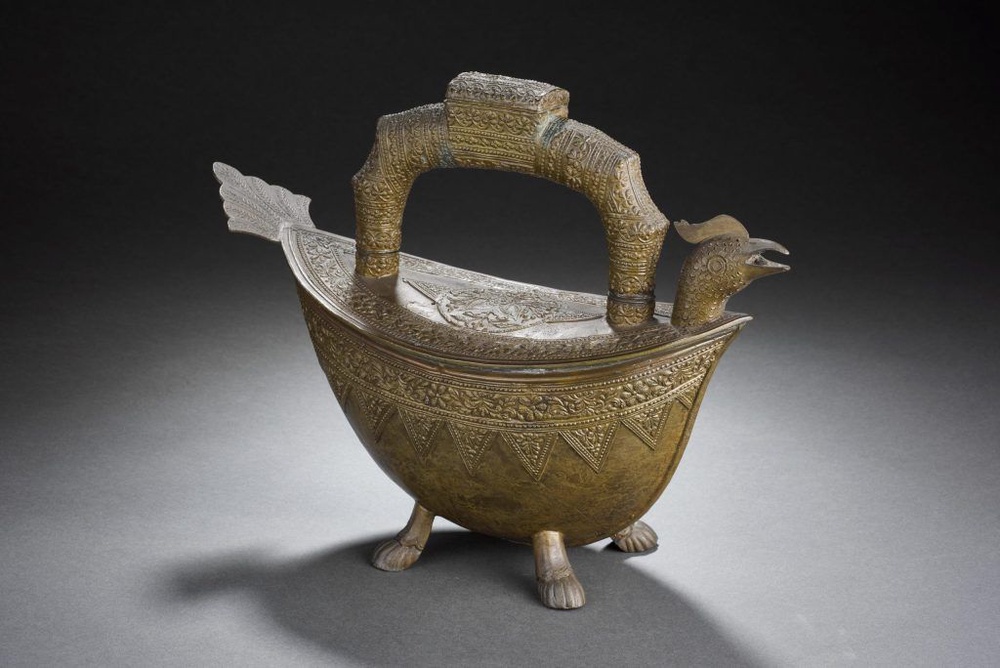
Even though the academic exchange between the two museums was established years ago, Henon-Raynaud is still astounded by some of the pieces in ACM’s collection, such as an Islamic grave marker from the southern Philippines featuring a dense, curling floral motif. “It was a wooden piece—originally I thought it was stone—with special motifs that relate closely to Indian designs. It was a wonderful eye-opener that I wasn’t expecting at all, showing how incredibly detailed motifs can travel from one world to another.”
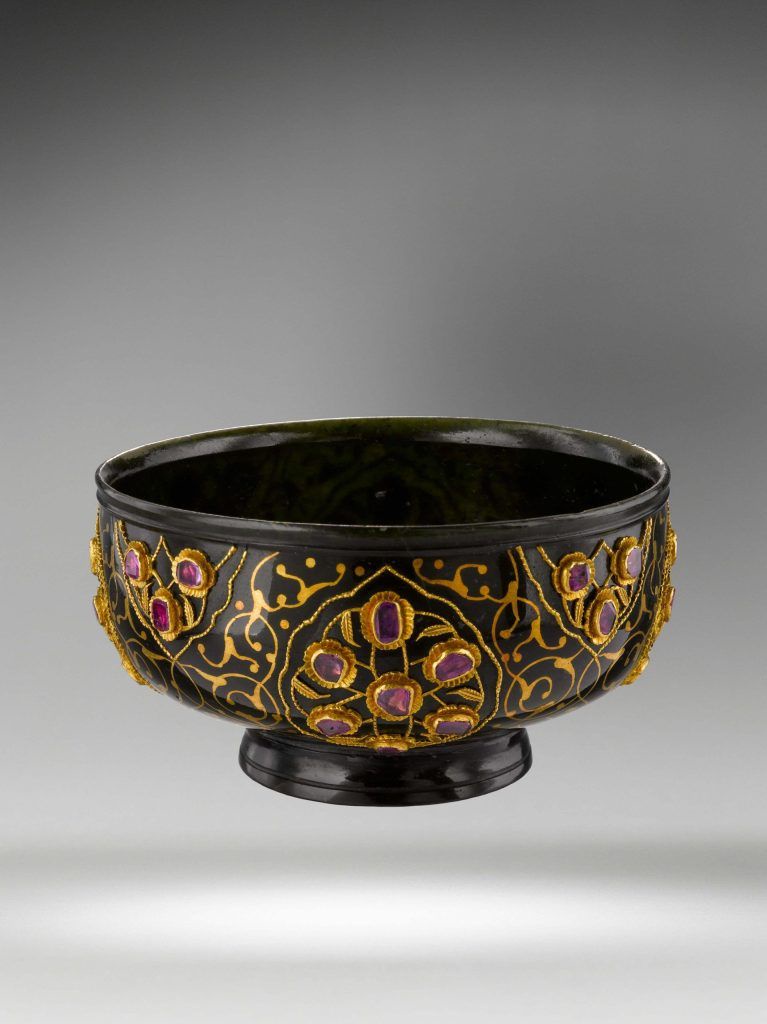
For me, one of the highlights of the exhibition is the impressive collection of art taken from the Mughal dynasty, which ruled over India from its founding in 1526 until its eventual eclipse in the mid-19th century. They were profoundly significant to the modern world for laying the administrative, architectural, and cultural foundations of contemporary South Asia, while pioneering an unprecedented model of religious pluralism and globalised trade that bridged the economies of the West, the Middle East, and South-east Asia.
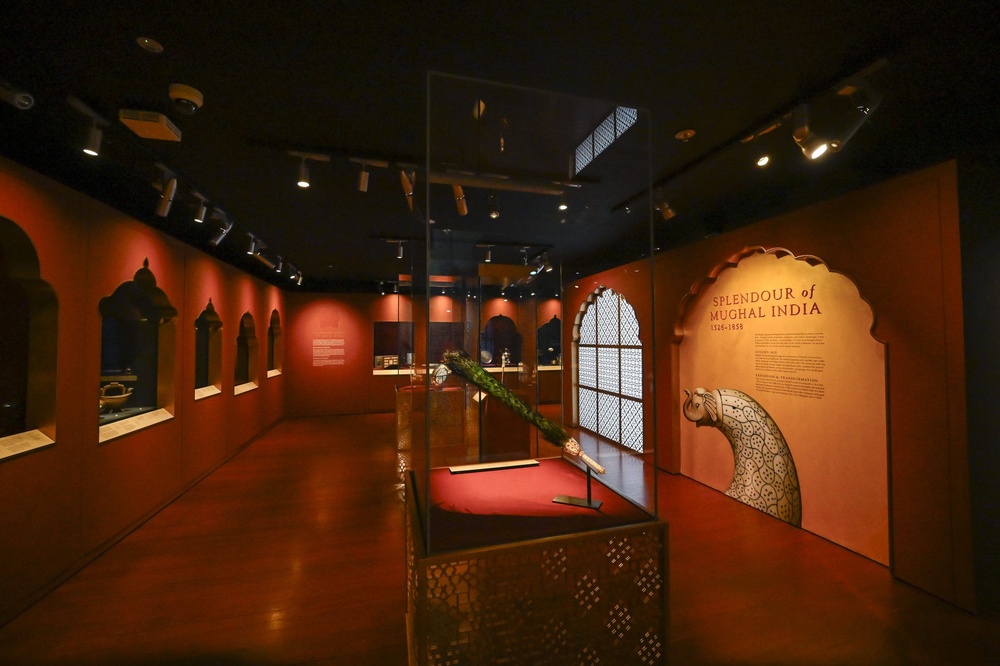
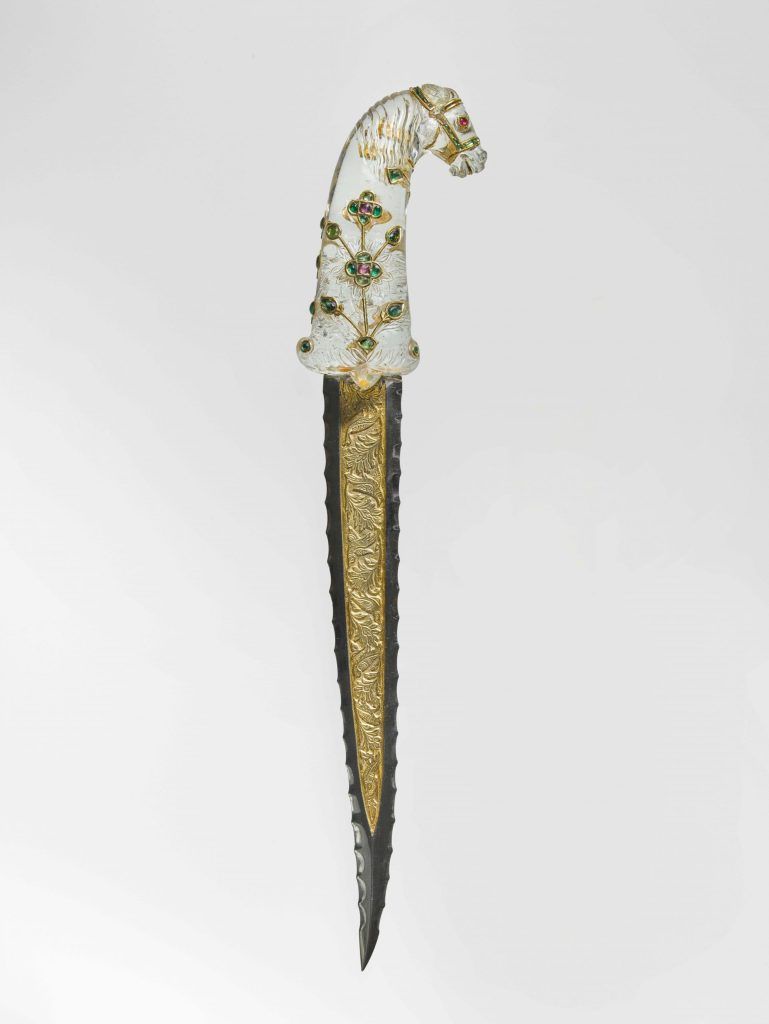
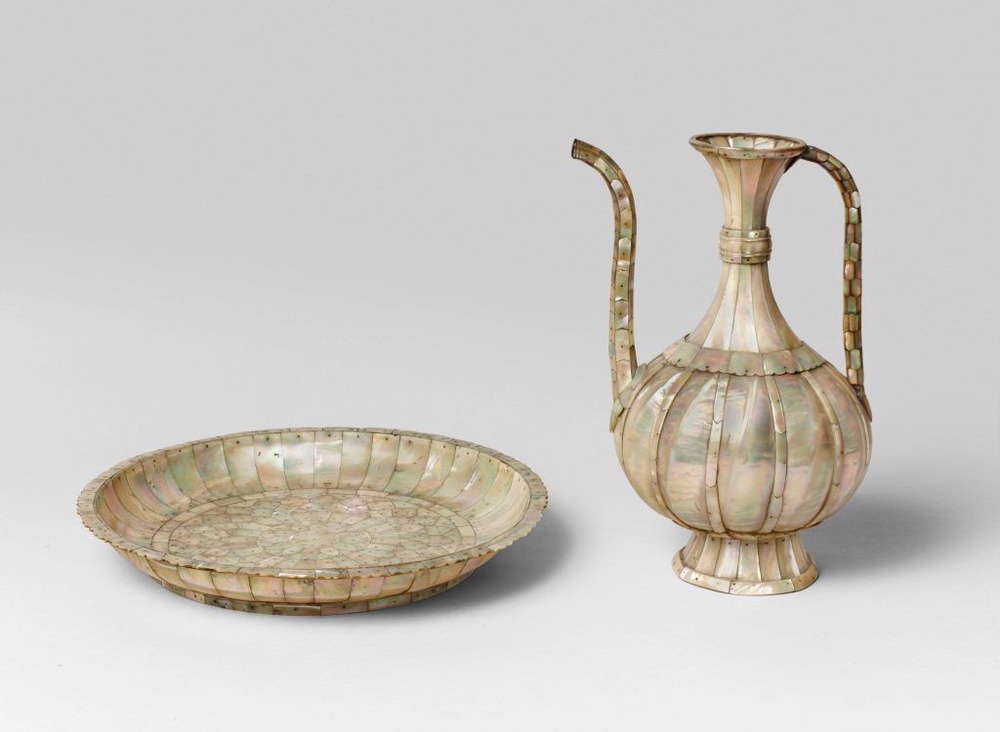
The Splendour of Mughal India gallery showcases the empire’s legendary opulence through rare objects, including an elaborate late 16th-century mother-of-pearl ewer and basin set crafted for global elite patrons, and a striking 17th-century dagger featuring a gold- and precious gem-encrusted horse-head hilt. To bring these intimate historical narratives to life, the exhibition also uses monumental digital projections that blow up the masterfully intricate, fine details of traditional Mughal miniature paintings.
Henon-Raynaud is particularly proud of this. “Mughal art is also at the heart of the Louvre’s own collection. That history is a reality, and it is a major reason why we assembled this specific selection to bring to the ACM,” she says.
The exhibition reminds us that we cannot think of the world in silos. The Western world isn’t separate from the Islamic one; there has always been plenty of cross-pollination. Each is a response to the other, and more consequentially, the ideas and beliefs of one are borne from ideas and beliefs of the other.
To draw a hard line between East and West is to misunderstand the architecture of human progress. History is not a series of parallel tracks, but a tapestry of collision and collaboration. The Renaissance was fuelled by Islamic scholarship, just as the courts of Isfahan and Istanbul traded in European aesthetics.
We are, and have always been, keepers of each other’s stories. The friction between cultures has rarely resulted in total isolation; instead, it has acted as a catalyst for genius. True civilisation does not grow in a vacuum, but in the vibrant, messy space where empires meet, trade, and ultimately transform one another.
‘Crosscurrents: Masterpieces of Mughal, Safavid, and Ottoman Art from the Musée du Louvre’ runs until 24 January 2027 at the Asian Civilisations Museum at 1 Empress Place. Admission to the exhibition is included with general museum entry. For further details on ticketing, guided tours, and associated programming, visit the official website at nhb.gov.sg/acm.
Note : The information in this article is accurate as of the date of publication.