
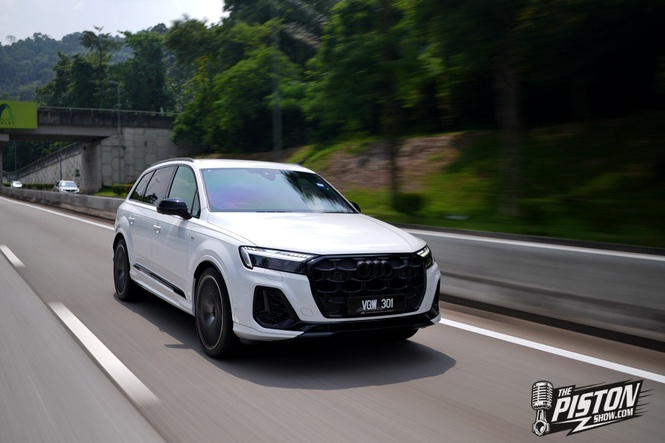
Audi’s Second-Gen Q7 may be nearing the end, but it still gets the big things right
THE Audi Q7 CKD is technically still new to Malaysia. It was only launched last year, and it also holds a fairly important title as the first Audi to be assembled in Malaysia and Southeast Asia.
Globally, however, the story has already moved on. Audi has revealed the third-generation Q7, which means the car you see here now sits in a slightly strange position. New to us, but already preparing to bow out elsewhere. So perhaps this is less of a review, and more of a goodbye.
Because if there’s one thing the Q7 kept reminding me of, it’s that it still knows how to be a proper luxury SUV.
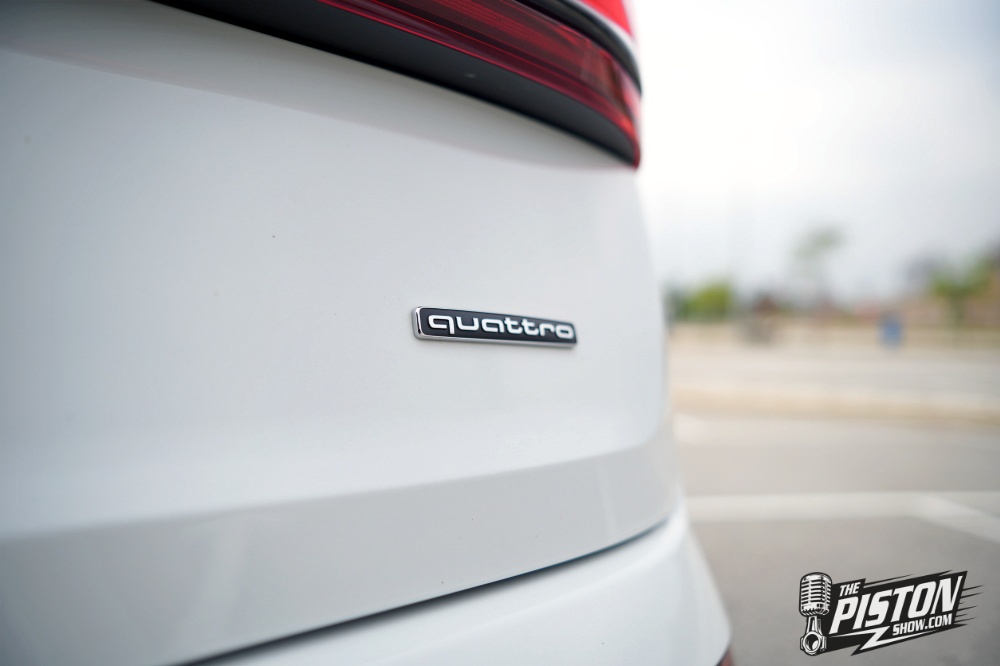
The CKD Q7 comes in one form: S line 3.0 TFSI quattro. That means a 3.0-litre turbocharged V6 petrol engine with mild-hybrid assistance, producing 340PS and 500Nm of torque. Power goes through an eight-speed automatic gearbox to all four wheels via quattro all-wheel drive.
It is priced at RM462,272 on-the-road without insurance, or RM482,272 with the Audi Assurance Package. Not a small sum of money, but in the context of a large German luxury SUV with seven seats, a V6 engine, air suspension, rear-wheel steering and a generous equipment list, it is not an absurd figure either. Especially when you remember how much these cars used to cost when they were fully imported.
Visually, the Q7 is not trying to shock anyone. It does not have the futuristic drama of newer electric SUVs, nor does it try to look like something from a concept car sketch. It is big, upright, mature and unmistakably Audi.
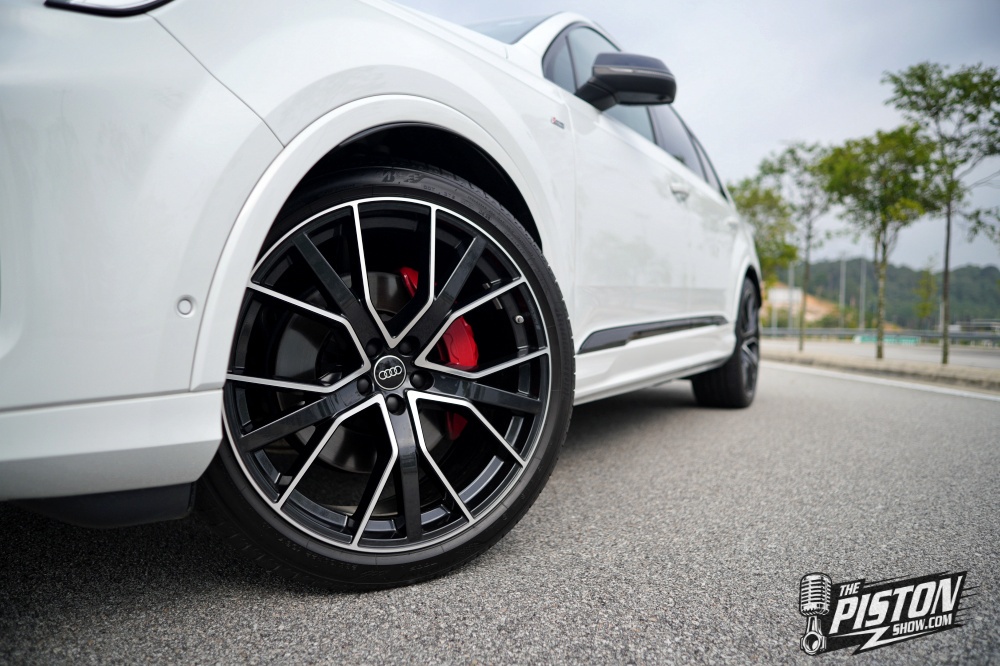
The black styling package and large wheels help give it a bit more presence, but this is still not a shouty car. Park it beside some newer rivals and it may not look as dramatic, but it still looks like it belongs. It looks expensive without screaming for attention.
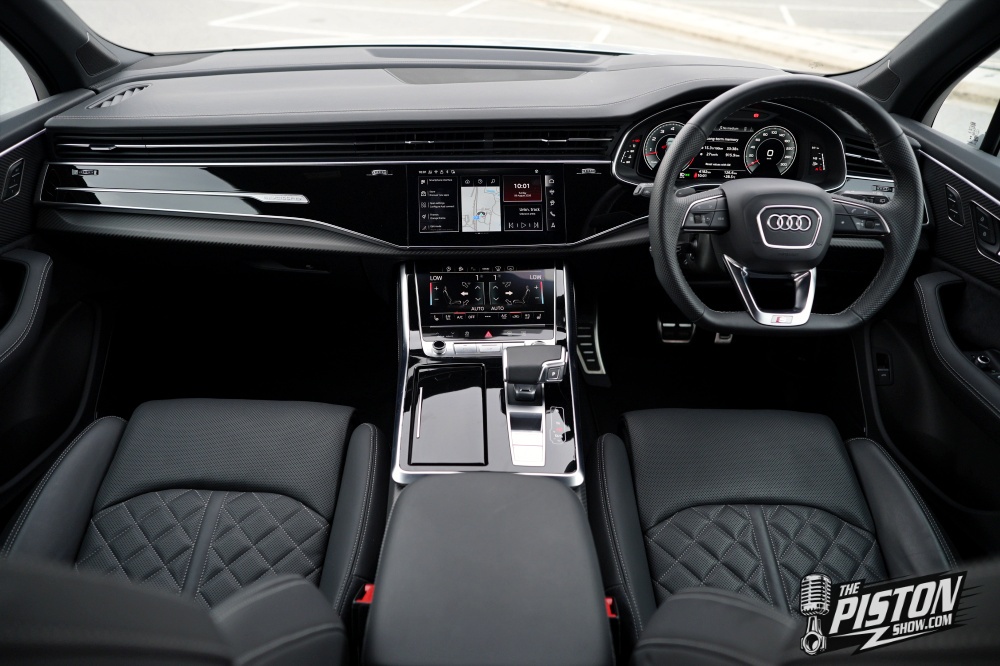
It’s a similar story on the inside. The Q7 does not feel expensive in a flashy, look-at-me way. It feels expensive in the usual Audi way, which is to say solid, tactile and precisely put together.
Some modern cars try to impress you with lighting, animation, and screen count. The Q7 feels more old-school than that. The doors close with the right weight, the controls have proper resistance, and the major touchpoints feel like they were designed by people who still cared about tactility.
I actually prefer the pre-facelift Q7’s cabin, with less gloss black and fewer screens, but this version still feels far more mature than many newer interiors.
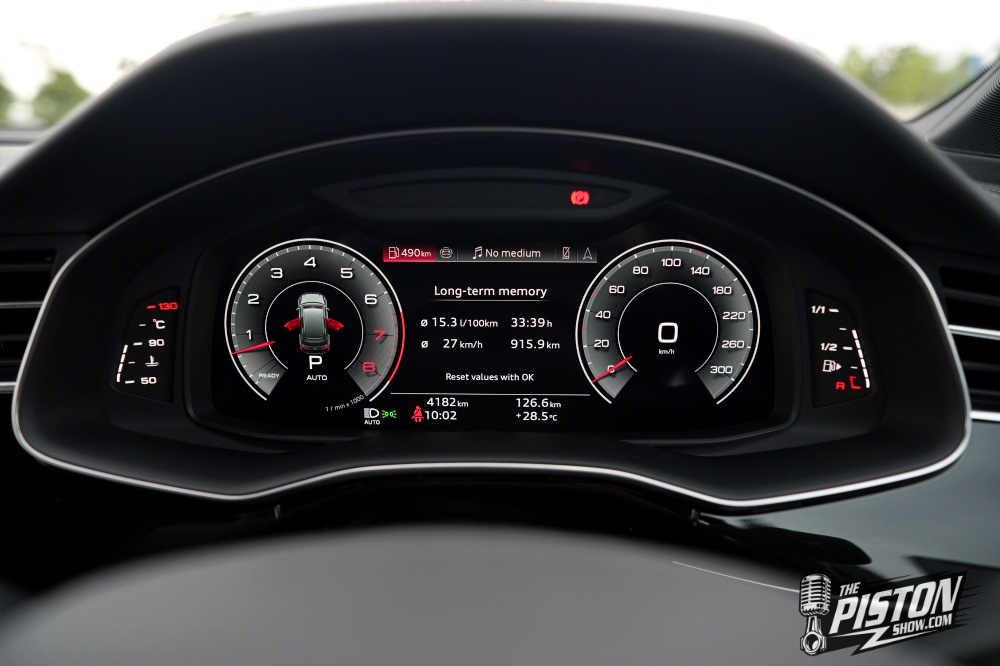
The Audi Virtual Cockpit remains one of the best digital instrument clusters in the business, which is not surprising because Audi was one of the pioneers of this format. It still looks sharp, clear and pleasing to the eye.
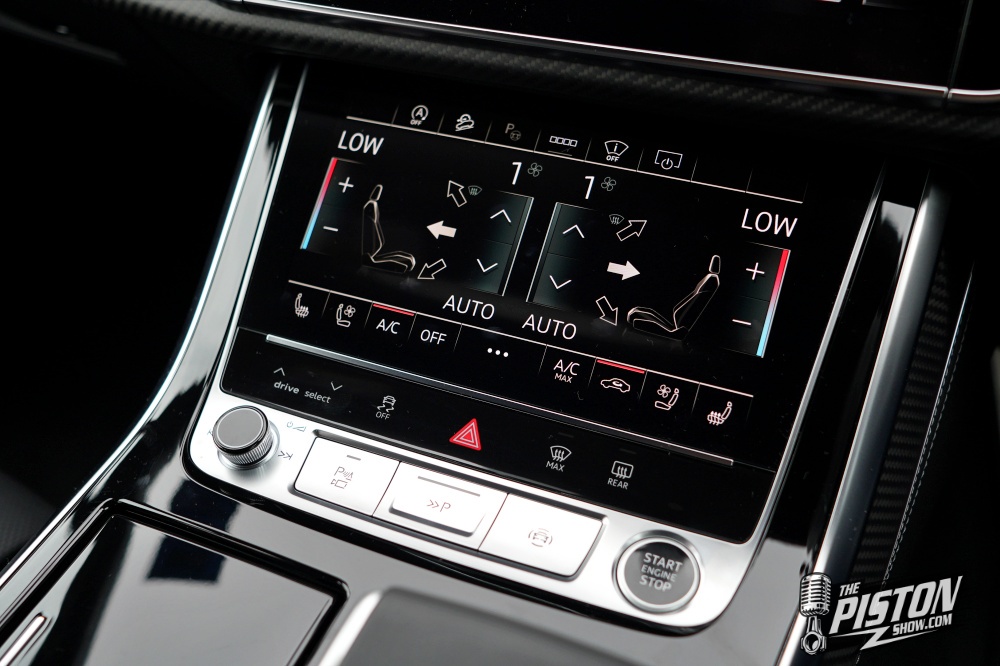
The main infotainment screen is also crisp, and the graphics still look modern enough. The lower screen for the air-conditioning controls, however, feels like an underutilised screen. It works, but it does not necessarily feel better than proper physical controls would have been.
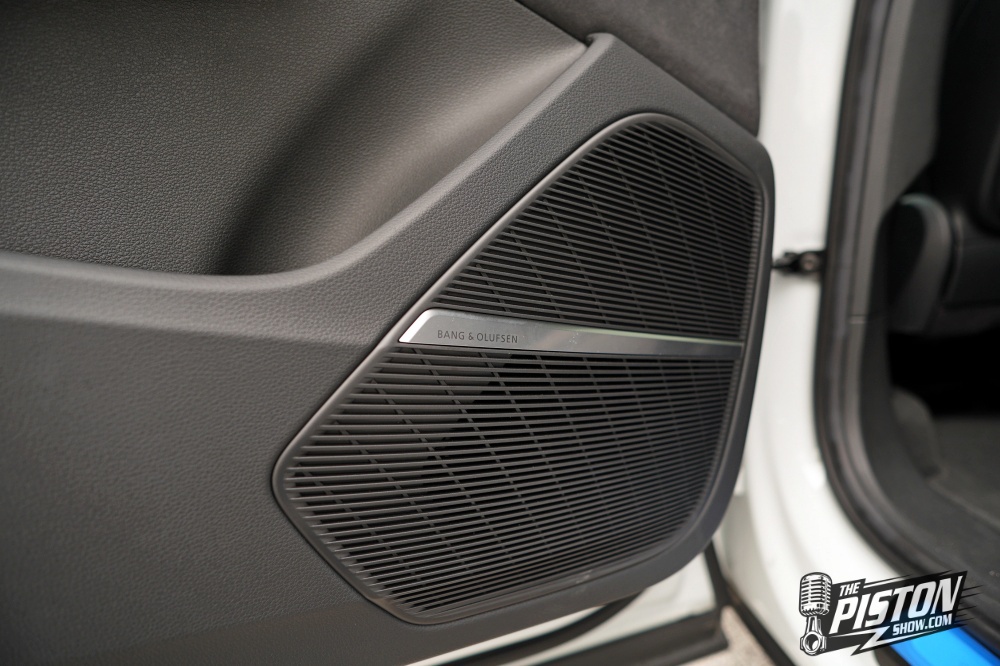
The Bang & Olufsen sound system deserves special mention. It is lovely. Clean, layered and colourless in the best possible way. It does not impose an obvious sound signature onto everything you play, and it does not need excessive EQ tweaking to sound right.
At neutral settings, it already sounds balanced. To me, that is usually the sign of a well-tuned system. It lets the music breathe instead of trying to show off with exaggerated bass or overly bright treble.
Cabin quality on the test car was generally solid, with only a slight creak from the centre armrest. That feels more like a unit-specific issue than a broader concern, but it is still worth mentioning because this is a locally assembled car, and people will naturally wonder whether CKD quality affects the experience. For the most part, the Q7 still feels properly Audi.
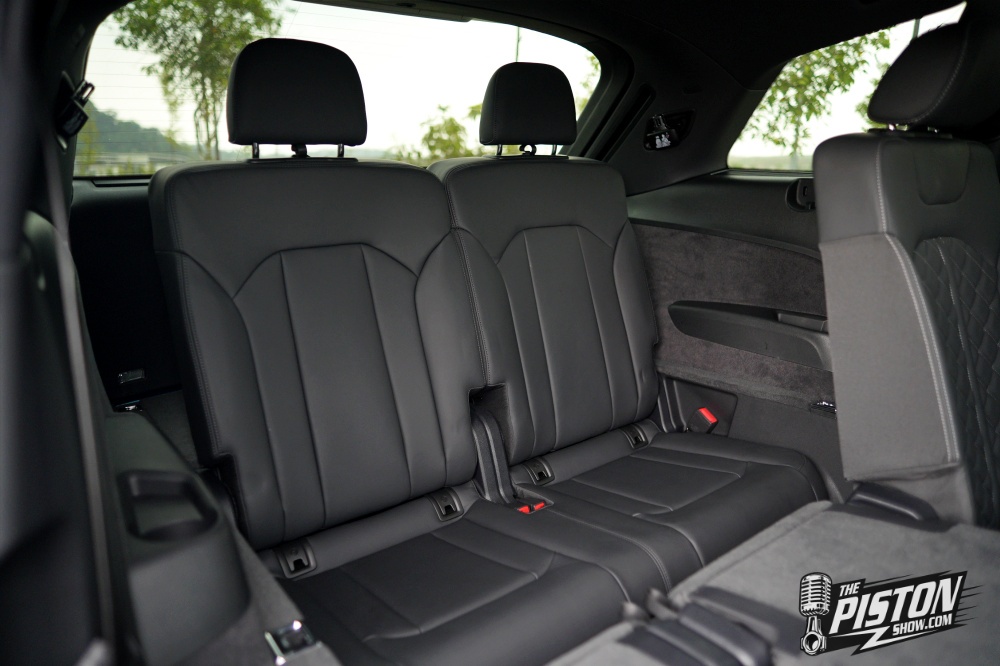
Space is another major part of the appeal. The Q7 is genuinely spacious, especially in the first two rows. The second row is particularly useful because it has three individual seats.
That means three adults can sit abreast without it feeling cruel, which is not something every SUV in this class can genuinely claim. The cabin feels wide, airy and practical in the way a big family SUV should.
The third row is more 5+2 than full seven-seat luxury, though. It is useful when needed, especially for children or shorter trips, but this is not where adults will want to spend long journeys.
That is fine. Many SUVs in this segment are the same. The important thing is that the Q7 is a proper five-seater first, with the added flexibility of two occasional seats when required.
On the move, the Q7’s performance numbers are almost secondary. What matters more is the way it gives the car a sense of effortlessness. Anything smaller would undermine the luxury feel.
There is good low-end torque, and the mild-hybrid system gives the Q7 an extra layer of shove at low speeds. It moves away smoothly, gathers pace without strain, and never makes the car feel under-engined.
This also explains why the Q7 feels more effortless down low than the Volkswagen Touareg, despite using a similar engine.
The gearbox is generally smooth, but like many Volkswagen Group products, it defaults to an economy-minded style of shifting.
It doesn’t always drop a gear immediately when you first ask for acceleration, unless you prod the throttle more firmly.
But once it understands the request, the drivetrain is smooth, strong and relaxed. It suits the car. The Q7 is not trying to be a performance SUV, and it is better for it. It feels like a big luxury car with the right engine, not a smaller engine trying to impersonate one.
During my time with it, the Q7 averaged an indicated 13.0-litres/100km over a proper mix of city and highway driving.
That is not frugal, but neither is it shocking for a large three-row luxury SUV with a 3.0-litre V6. Ride quality is where things get more nuanced.
The Q7 has adaptive air suspension, but do not expect a full magic-carpet experience. This is not the ultra-isolating, float-over-everything kind of setup. It sits on the firmer side, even in Comfort mode.
Thankfully, Comfort mode still feels balanced. There is enough compliance to take the edge off bad roads, and the car never feels brittle or poorly damped. But it is not as plush as some might expect from a car of this size and stature, especially on 22-inch wheels.
Dynamic mode is a bit too firm for me. It tightens the car up, but in a vehicle like this, I am not sure that is what you really want most of the time. The Q7 is at its best when it is calm, composed and flowing along, not when it is trying too hard to feel sporty.
Smaller wheels with meatier sidewalls would probably suit the car better. They may not look as dramatic, but they would likely give the Q7 that extra layer of comfort that a big luxury SUV should have.
It also feels its size everywhere. This is still a big car, and no amount of clever engineering can fully hide that. You are aware of its width in town, aware of its mass in tighter spaces, and aware that you are driving something substantial.
But the rear-wheel steering helps at making the car far more manageable than its size suggests. The calibration is also very natural. It does not feel like the rear end is doing something odd or artificial.
Most drivers may not even notice it working, while keener drivers will sense the rear rotating gently to help the car pivot.
At higher speeds, the Q7 feels stable and settled. It has that big-car confidence that makes long journeys feel easy. This is where its maturity shows. It does not need to entertain you every second. It just needs to make distance disappear quietly, and it does that very well.
Against newer rivals, the Q7 is not an easy car to judge. The BMW X5 feels more dynamically accomplished. The Mercedes-Benz GLE has its own brand of luxury appeal.
The Volvo XC90 remains a hugely likeable family SUV with a strong safety image. Lexus offers its usual promise of long-term durability and peace of mind. And if buyers are open to newer Chinese EVs or electrified luxury MPVs, the value equation becomes even more complicated.
At this level, most of the choices are good cars. The question is not simply which one is best. The question is what kind of ownership experience the buyer trusts most.
Would you rather have Audi’s solidity and V6 refinement? BMW’s drive? Mercedes-Benz badge appeal? Volvo’s safety? Lexus reliability? Or something newer and more feature-packed from the electric side of the market? There is no single correct answer.
For the second-generation Q7, it may now be on borrowed time globally, but that does not make it irrelevant. If anything, driving it now feels like a reminder of what big luxury SUVs used to prioritise before everyone became obsessed with deleting buttons, screen size, gimmicks, and massive horsepower figures.
So yes, this is a goodbye of sorts. If this is the last stretch for the second-gen car in Malaysia, it is leaving behind a pretty convincing reminder of what Audi still does well. Just a proper luxury SUV doing proper luxury SUV things.
Audi Q7 S Line 3.0 TFSI Quattro CKD Specs
Engine: 3.0-litre turbocharged V6 mild hybrid
Power: 340PS
Torque: 500Nm
Transmission: 8-speed automatic
Drivetrain: quattro all-wheel drive
Price with Audi Assurance Package: RM482,272
We like: Solid and tactile cabin, effortless low-end torque, mature tech execution, lovely Bang & Olufsen sound system, generous cabin space, good manoeuvrability for its size, understated luxury feel
We don’t like: Ride can feel firm for a big luxury SUV, 22-inch wheels likely hurt comfort, powertrain slightly hesitant to kickdown, lower climate screen feels unnecessary, still feels big everywhere, newer rivals feel fresher