.png)
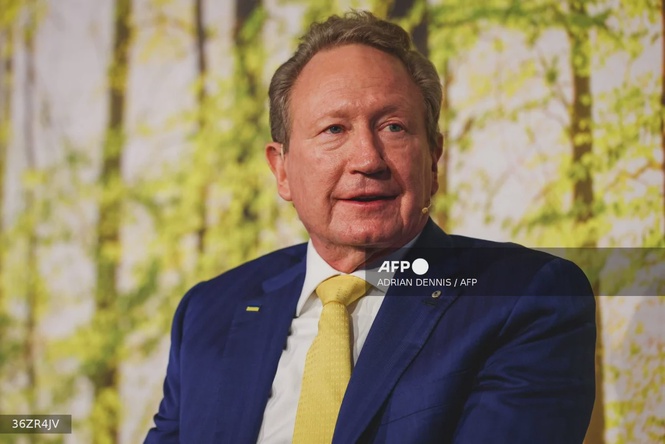
Australian mining billionaire Andrew Forrest takes Meta to US court over fraudulent cryptocurrency ads using his image, challenging Section 230 immunity.
SAN JOSÉ: Australian mining magnate Andrew Forrest is asking a US federal court in Silicon Valley to hold Meta accountable for scam advertisements using his likeness without permission.
His legal team seeks a ruling that the social media giant cannot hide behind Section 230 of the Communications Decency Act for its advertising business. This law typically spares internet firms from liability for user-posted content.
“This is the first case brought in any court… that says Facebook was never intended to get the benefit of this immunity for their advertising business,” the billionaire’s attorney Simon Clarke told AFP.
A recent hearing focused on whether Meta wrongly destroyed evidence, potentially forfeiting its Section 230 protection. The judge is expected to rule on Forrest’s motion in the coming weeks.
Meta counters that the offending ads were not its doing and that it made reasonable efforts to preserve data. The company maintains Section 230 shields it from liability for advertiser content.
Forrest’s complaint states he “has been plagued for years by paid ads” where he falsely appears to promote fake cryptocurrency schemes. Thousands of deceptive Facebook ads have used his likeness since 2019, allegedly racking up thousands of victims.
His attorneys argue Meta’s AI tools optimized and distributed the fraudulent ads, making it an active participant. They are using a legal tactic focusing on Meta’s business model and tools, rather than just content.
This approach mirrors a recent case where a Los Angeles jury found Meta liable for harm due to addictive platform design. Earlier this month, Massachusetts’ top court also ruled Section 230 does not protect Meta from a lawsuit over Instagram’s addictive design for children.