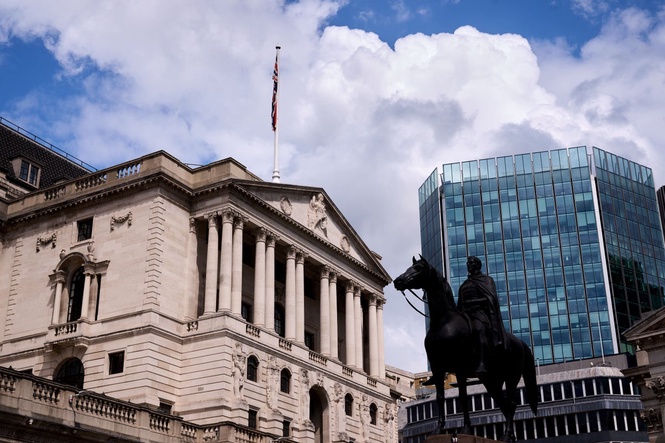
Homeowners could see their annual mortgage costs jump by as much as £6,000 in the coming years, the Bank of England has said, as it issues a fresh warning to savers and borrowers.
The central bank’s latest Financial Stability Report cautioned that households are facing a fresh squeeze on their finances as higher energy bills and rising interest rates eat into family budgets.
Policymakers stressed that most families are still managing their debts, with little sign of a surge in missed loan or mortgage payments.
But they warned that successive cost of living shocks have also eroded family savings buffers, leaving many with far less room to absorb further financial hits.
Here's what the Bank's latest findings could mean for UK households:
What does this mean for mortgages?
A greater number of borrowers are now expected to face higher repayments over the next three years as conflict in the Middle East drives up energy costs and keeps inflation elevated.
Roughly 6.5 million homeowners are projected to see their monthly bills climb by the end of 2029 – half a million more than the Bank estimated in July.
For the typical borrower coming off a fixed-rate deal during that period, the median increase is now put at around £100 a month, roughly double the figure forecast four months ago.
In a better forecast, the report also finds that around two million will see no change in their repayments, while 350,000 homeowners are projected to see their monthly payments fall.
But a sharper shock awaits the one million-plus households still sitting on lower pre-2022 deals below 3 per cent that expire before the end of next year, the Bank warned.
Switching onto current fixed rates, which have edged back above 5 per cent, will add an average of almost £200 a month to their repayments.
Meanwhile, around 430,000 homeowners face a monthly rise of more than £500 over the next three years – requiring them to find an extra £6,000 a year to cover mortgage payments.
Loan rates have crept higher since the Bank raised its base rate to 4 per cent earlier this month to rein in inflation, with policymakers warning further hikes remain possible if oil and gas prices stay high.
For first-time buyers, the report noted that relaxed lending rules have helped boost high loan-to-income mortgages, which rose to 13.9 per cent of new lending in the third quarter of the year, although saving for a deposit remains the main hurdle to getting on the property ladder.
What about savings, loans and bills?
Households could also be hit by higher interest rates on personal loans or lower returns on their savings, Bank Governor Andrew Bailey has warned.
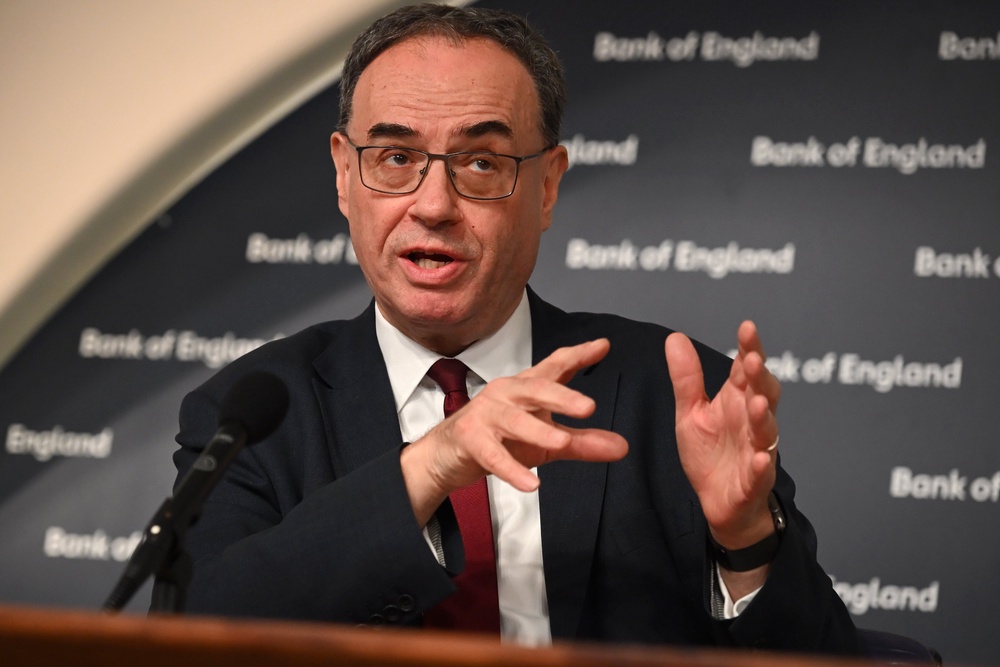
He said lenders may attempt to “protect their earnings” following chancellor John Healey’s decision to double the corporation tax surcharge on bank profits to 6 per cent from January.
Mr Bailey told The Times: “It’s a market economy, so these are decisions banks will have to take. You could understand that they will look to pass it on because they will be targeting a rate of return.
“Now, how successful they will be depends on all sorts of things: market conditions, competition within the industry and so on. It wouldn’t be surprising to find out that they will start by trying to do that.”
Meanwhile, the Financial Stability Report warned that households are entering winter with less financial headroom after repeated cost of living shocks.
The report said families facing higher repayments “may need to reduce discretionary spending or draw down savings as higher energy and other essential costs feed through”.
Nearly 30 per cent of households report being under financial pressure, citing rising credit card balances and arrears on bills among the main reasons.
While most mortgage holders have built up savings buffers, lower-income households and renters “have less room to adjust because they spend a larger share of their income on energy, food and other essentials”, the Bank added.
Read MoreBank of England says mortgage payments will soar for homeowners in 2027
Homeowners delaying decisions to move home over rising mortgages
December 2026 DWP benefits and pension payment dates plus cost of living support
Bank of England boss warns banks may pass on costs of Labour’s tax hike to customers
Officers hunt for man who fired crossbow at police station
Energy firm Centrica warns hundreds of jobs at risk after government rejects deal