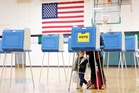
I AM ready to vote on Monday, Sept. 14, but I am not optimistic of a peaceful election. I chaired an election watchdog in this region for more than a decade, and I am afraid the traditional practices of vote-getting through a gift/kandori are still prevalent.
An election is democracy’s heartbeat. Each ballot is a small pulse saying that power still comes from the people. To postpone an election, therefore, is to place a hand upon that beating heart. Such a pause may sometimes be necessary, but it must never become a habit.
My in-laws are former barangay captains. I can support a limited postponement of the Nov. 2, 2026 Barangay and Sangguniang Kabataan Elections — but only if it becomes a bridge toward lasting reform, not a hammock where incumbents may comfortably remain. The destination must be clear: a fixed five-year term, a dependable electoral calendar and a solemn promise that the goalposts will not be moved again.
I cannot share an all-out joy because I know we still need to build a bigger Muslim middle-class so intelligent voters truly vote and influence. I see public office as amanah, a sacred trust carried before both the people and God. Governance must also practice shura, or genuine consultation. We need massive voters education and stronger media. In Muslim, conflict-affected and geographically isolated communities, barangay and youth officials are often the first lamps lit in times of darkness. They help families obtain documents, mediate disputes, deliver relief and lead young people toward service instead of despair. Good programs, like seeds, need time before they bear fruit.
Supporters point to rising fuel and travel costs, and the unfortunate timing of the election on All Souls’ Day. These are real concerns. But convenience is too thin a thread on which to hang the people’s right to vote. Comelec has already spent billions preparing, while candidates and communities have arranged their lives around the date promised by law. Young voters, especially, must not be treated as passengers forever waiting at a station while the train is repeatedly rescheduled.
Sen. Robinhood Padilla’s position supports a longer, definite term, believing three years is too short for local officials to fulfill their platforms. His stand should not be painted as approval of postponement without limits. It is better understood as a call for stability without allowing extensions to become an escape hatch from accountability.
If Congress resets the clock, guardrails must surround the decision: a firm election date, no further extension, transparent accounting of funds already spent, enforceable term limits, and meaningful consultation with women, youth and marginalized communities.
The Islamic principle of adl reminds us that justice is a scale that must not be tilted for political convenience. Continuity without accountability becomes stagnation; reform without public consent becomes another locked door.
We may pause democracy’s clock to repair its broken gears. But once repaired, it must strike on time — for every voter, every village and every generation waiting to be heard.