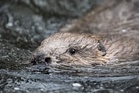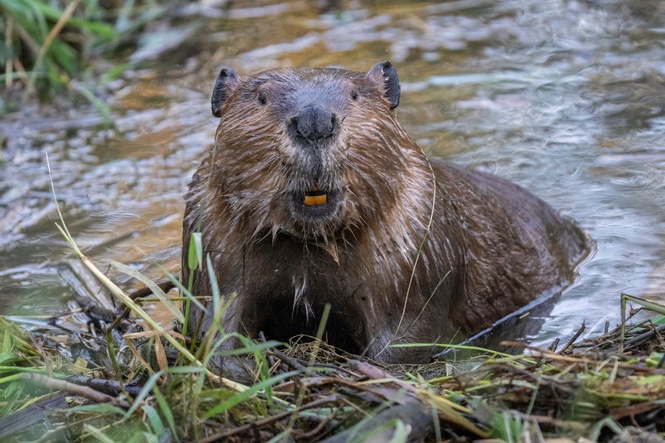
Beavers will return to the waters around Loch Ness exactly 500 years after they were last spotted in the area.
The Beaver Trust, along with Trees for Life, have been given permission to release up to 15 beaver families into the area over the next three years. The first reintroduction of the animals could potentially take place in November.
The groups will be brought into lochs, lochans and rivers around Loch Ness, according to the charities, onto hand picked sites in an effort to create a thriving population of beavers.
In order to ensure the beavers’ safety, specific sites will be announced after the reintroductions.
This will ensure the animals, moving from other areas in Scotland, will be able to settle into their new homes free of disturbance and stress.
Environment agency NatureScot, which approved the scheme, said the animals could “significantly improve” diversity in the River Ness catchment in a landscape that is judged to be at low risk of negative impacts from their activity.
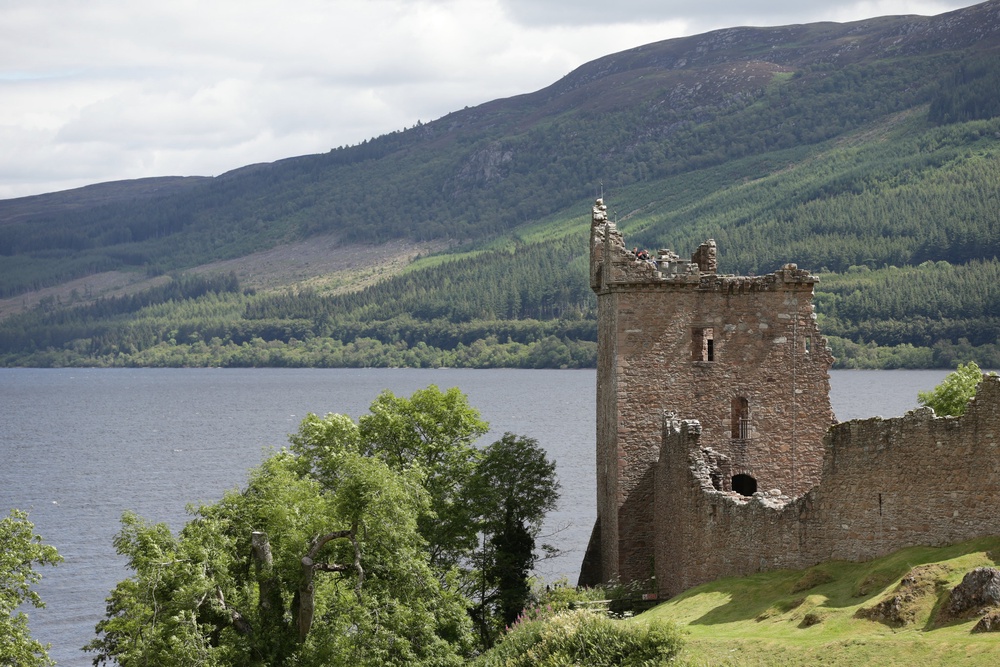
The body also said it will help increase the current range of beavers in Scotland, which is a priority in the country’s beaver strategy 2022-2045.
Alan McDonnell, Trees for Life’s head of nature restoration, said: “Beavers are key allies in tackling the interconnected climate and biodiversity crises facing us all, so this successful result brings real hope for the future.
“Our thanks go to everyone locally who has taken part in the discussions.
“There has been huge interest from communities and local businesses. Our engagement has been locally focused, with the team meeting people on the ground to listen to their views first-hand.”
The charities said establishing a healthy population in the area through licensed releases will secure the species’ reintroduction to the Highlands and benefit communities, wildlife and biodiversity.
Beavers create dams and canals which can restore and reconnect rivers, wetlands and floodplains – improving freshwater ecosystems, supporting a wide range of wildlife, as well as helping manage climate change impacts such as droughts, wildfires and flooding.

They also pointed to economic benefits from eco-tourism, with tourism revenue in the Loch Ness area being largely based on natural and cultural heritage.
Dr Roisin Campbell-Palmer, head of restoration at Beaver Trust, said: “We’re delighted by NatureScot’s decision and grateful for the invaluable engagement from people who live and work locally.
“Bringing beavers back to this beautiful place will be great progress for Scotland’s beaver strategy, bringing benefits for nature, climate and people.”
NatureScot said responses to a consultation on the proposal had been positive, with more than 73% of respondents saying they supported it.
However, some concerns were raised by land and fisheries managers, and residents within the catchment.

Robbie Kernahan, NatureScot director for wildlife management, said: “After a careful assessment, we believe that bringing beavers back to the Ness catchment will significantly improve the biodiversity of this part of Scotland.
“Beavers can bring many benefits for nature and people, creating habitats such as ponds and wetlands where other species thrive, as well as moderating water flows in times of flood and water scarcity.
“Some concerns have been raised by land managers and residents through the consultation process and we take these seriously.
“We have assessed the monitoring and mitigation plans set out by the applicants and believe that, along with our existing beaver mitigation scheme, any potential conflicts that may arise can be resolved.”
Beavers were hunted to extinction in Scotland several hundred years ago before being officially reintroduced in 2009.
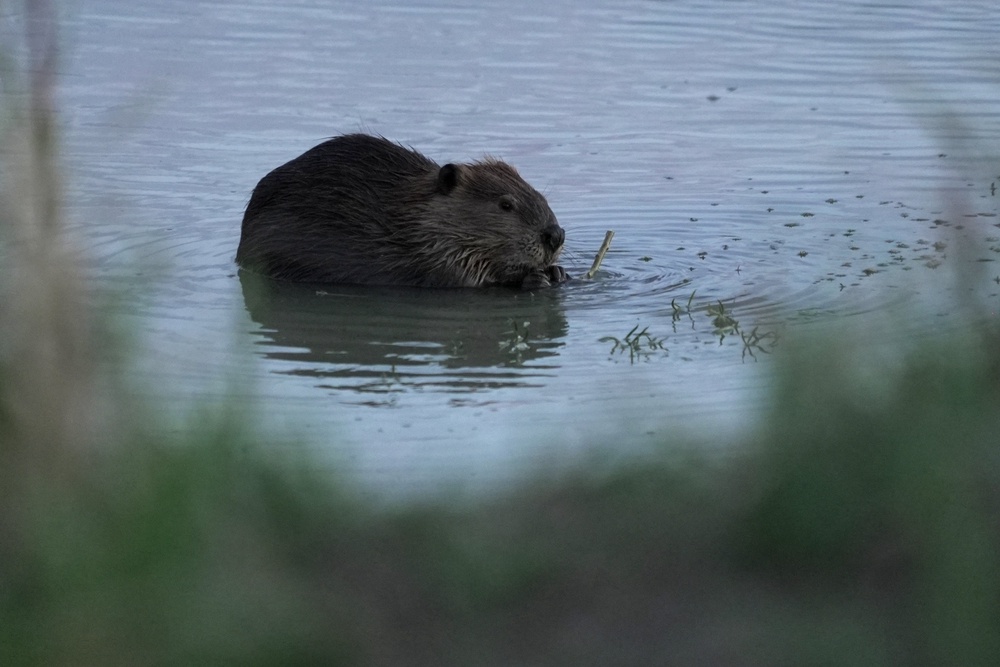
The last widely cited historical record of Scotland’s beavers, dating from 1526-27, places them around Loch Ness.
Hector Boece’s History and Chronicles of Scotland, translated into Scots by John Bellenden, says: “Beside Lochnes… ar mony wild hors; and, amang thame, ar mony martrikis, bevers, quhitredis, and toddis.”
This translates as: “Beside Loch Ness… are many wild horses; and among them are many martens, beavers, weasels, and foxes.” The River Ness catchment was identified by NatureScot in 2022 as one of Scotland’s most suitable for beavers.
The area has a network of good habitat, with hundreds of kilometres of river and loch banks, extensive woodland and low risk of affecting other land uses.
Read More‘Significant milestone’ as golden eagle chick fledges from grouse moor
UK Government will stand by funding for carbon capture project – minister
Balmoral: Inside Royal retreat at the centre of latest Epstein police investigation
Burnham offers to work with devolved governments to spread power to regions
Police investigate report of ‘assault’ against cleric in Armagh
NatWest announces 1,000 more jobs cut after AI efficiency drive